
Are you standing in the kitchen, wondering if your stainless steel cookware is safe for your health? You’re not alone.
With so many options on the market, choosing the right cookware can be overwhelming. You deserve peace of mind knowing that the cookware you use daily is both safe and reliable. We’ll explore what makes stainless steel cookware safe and guide you through finding the best options for your kitchen.
Get ready to learn how you can cook with confidence and ensure that your meals are not just delicious but also free from harmful toxins. Keep reading to discover how you can make the best choice for your health and home.

Credit: www.amazon.com
Types Of Stainless Steel Cookware
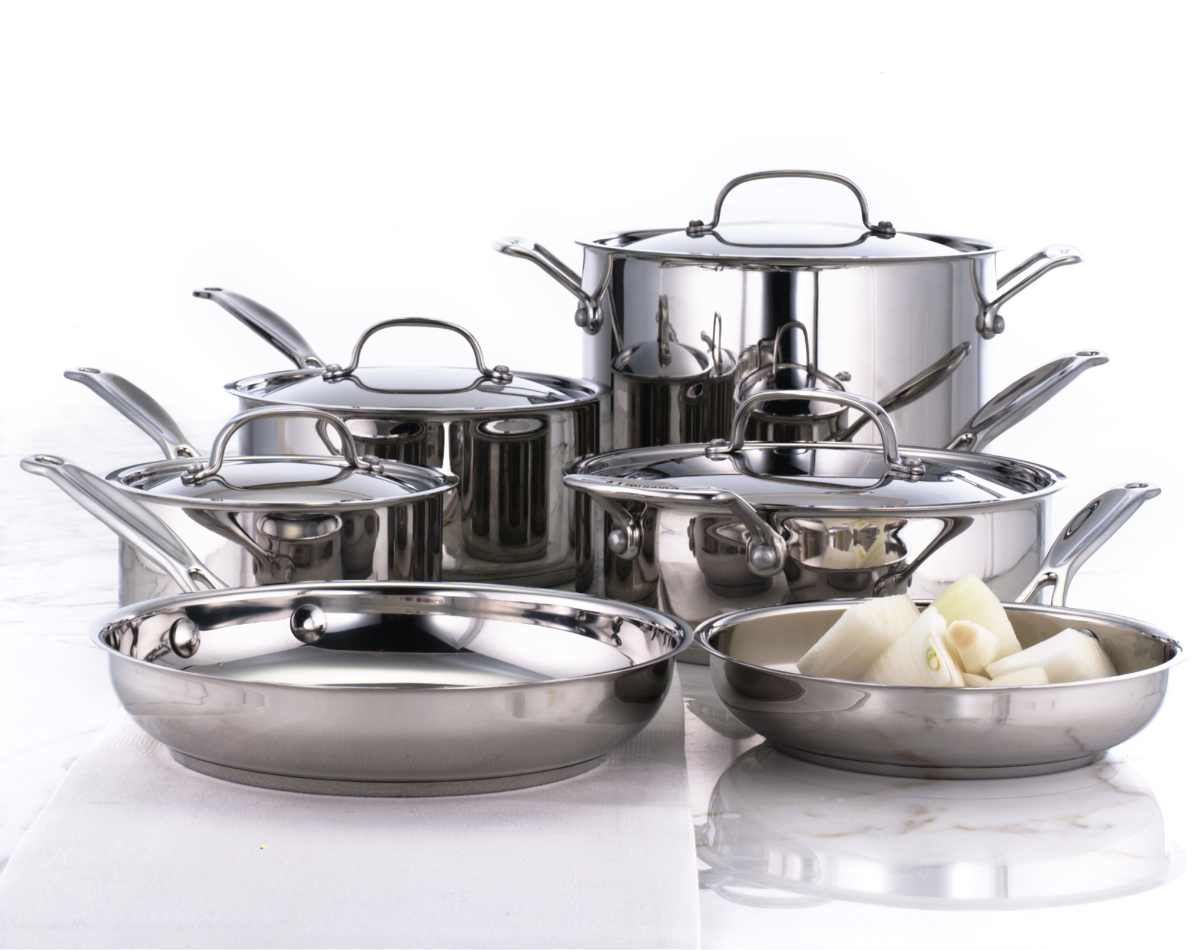
Stainless steel cookware varies in safety based on its composition. Opt for 18/10 stainless steel for better corrosion resistance and durability. Ensure it’s free from toxic coatings and uses food-grade materials for the safest cooking experience.
Understanding the types of stainless steel cookware can be your gateway to safer and more efficient cooking experiences. Each type offers unique benefits and understanding these can help you make informed decisions. From the everyday 304 to the premium 316, knowing the differences can enhance your culinary adventures.304 Stainless Steel
304 stainless steel is the most commonly used type in cookware. It is known for its excellent corrosion resistance and affordability. You might find this type in many kitchen staples because it balances quality and cost effectively. Have you noticed your stainless steel pot lasting for years without rusting? That’s the magic of 304.316 Stainless Steel
316 stainless steel is often referred to as “surgical grade” due to its superior corrosion resistance. It contains a higher percentage of nickel and the addition of molybdenum, which boosts its durability against harsh conditions. Consider this option if you often cook acidic foods like tomato-based sauces. It’s a favorite for those who prioritize longevity and quality in their cookware.430 Stainless Steel
430 stainless steel is magnetic and often used in the base of cookware to enhance induction compatibility. While it doesn’t boast the same corrosion resistance as 304 or 316, it’s still a solid choice for specific purposes. If you’re using an induction stove, 430 stainless steel could be your best friend. It offers a sturdy and reliable base for your pots and pans. Choosing the right stainless steel for your kitchen depends on your cooking habits and priorities. Have you found the perfect type for your cookware collection yet? Make your choice wisely and enjoy the benefits of safer cooking.Factors Influencing Safety
Choosing the safest stainless steel cookware involves considering factors like material grade and construction quality. High-quality stainless steel, such as 18/10, offers durability and resistance to rust. Ensuring it has a sturdy base can help distribute heat evenly, enhancing safety during cooking.
Factors influencing the safety of stainless steel cookware are varied. Understanding these factors helps in making informed choices. Let’s delve into some key aspects that determine the safety of stainless steel cookware.Material Composition
The composition of stainless steel impacts its safety. Stainless steel typically contains iron, chromium, and nickel. Chromium adds corrosion resistance, while nickel enhances strength and shine. Higher nickel content can cause allergic reactions in some individuals. Opt for cookware labeled as 18/10 or 18/8. These numbers refer to the ratio of chromium to nickel. Such ratios indicate balanced safety and durability. Lower nickel content is advisable for sensitive users.Manufacturing Process
Manufacturing processes also play a role in safety. Quality control during production ensures contaminant-free cookware. Reputable manufacturers follow strict standards. They use non-toxic materials and avoid harmful coatings. Poor manufacturing can lead to leaching of metals into food. Always choose cookware from trusted brands. This guarantees adherence to safety protocols.Heat Conductivity
Heat conductivity affects cooking performance and safety. Stainless steel alone is not a great conductor of heat. Cookware often includes aluminum or copper cores to improve heat distribution. These cores are sandwiched between layers of stainless steel. Proper heat conductivity prevents hot spots and uneven cooking. It also minimizes the risk of burning food. Ensure the cookware has a multi-layered construction for optimal heat management.Health Benefits Of Stainless Steel Cookware
Stainless steel cookware is cherished not only for its sleek appearance but also for its health benefits. Whether you’re a seasoned chef or a cooking enthusiast, understanding the health benefits of stainless steel cookware can enhance your culinary experience. Let’s dive into why many consider it a healthier choice for daily cooking.
Non-reactive Nature
Stainless steel is non-reactive, meaning it doesn’t leach harmful chemicals into your food. Unlike some other materials, it won’t react with acidic or alkaline ingredients. This ensures the flavors of your dishes remain pure, and your meals are free from unwanted metallic tastes.
Durability And Longevity
Investing in stainless steel cookware means choosing longevity. It’s resistant to rust, corrosion, and staining, ensuring your cookware lasts for years. This durability also means you’re less likely to replace your cookware frequently, making it a sustainable choice for your kitchen.
Ease Of Cleaning
Cleaning stainless steel cookware is a breeze, thanks to its smooth surface. Most food particles and stains can be easily removed with warm soapy water. Plus, it’s dishwasher-safe, adding convenience to your routine and ensuring your pots and pans are thoroughly cleaned.
Choosing the right cookware can impact not just your meals but also your health. With stainless steel, you combine safety, longevity, and ease, making it a wise addition to any kitchen. What do you prioritize when selecting your cookware?
Credit: healthytasteoflife.com
Comparing Stainless Steel To Other Materials
When choosing the safest cookware for your kitchen, stainless steel often tops the list. But how does it stack up against other popular materials? Understanding the differences can help you make an informed decision that best suits your cooking needs. Let’s dive into a comparison with aluminum, non-stick, and copper cookware.
Aluminum Cookware
Aluminum cookware is known for its excellent heat conductivity, making it a popular choice for fast cooking. However, it can react with acidic foods, potentially altering the taste and causing aluminum to leach into your meals. Many manufacturers now use anodized aluminum to mitigate this risk, but it’s something to consider if you’re particular about food safety.
Non-stick Cookware
Non-stick cookware offers the convenience of easy cleanup and reduced oil usage, appealing to health-conscious cooks. Yet, concerns arise with the coating used, often containing chemicals like PFOA, which can release toxic fumes at high temperatures. If you love the ease of non-stick, look for options labeled as PFOA-free to ensure a safer cooking experience.
Copper Cookware
Copper cookware provides superior heat control, favored by professional chefs for its precision. Despite its advantages, copper can react with foods, possibly leading to toxicity. Most copper pans are lined with stainless steel to prevent this, but regular maintenance is necessary to keep them in top condition.
So, what’s your priority? Is it heat distribution, non-reactivity, or ease of use? Each material has its strengths and weaknesses, and the right choice depends on your cooking style and health considerations.
Expert Tips For Choosing Safe Cookware
Choosing the right stainless steel cookware is crucial not only for the quality of your cooking but also for your health. With a variety of options available, knowing which is the safest can be challenging. Fortunately, there are expert tips that can guide you in making the best choice. By focusing on key aspects like quality marks, weight, balance, and compatibility with your cooking methods, you can ensure that your cookware is safe and efficient. Let’s dive into these aspects to make informed decisions.
Identifying Quality Marks
Quality marks are essential indicators of safe cookware. Look for labels such as 18/10 or 18/8, which refer to the ratio of chromium to nickel, ensuring durability and resistance to rust. Stainless steel with these marks is generally considered safe for cooking.
Another mark to watch for is the NSF certification, which guarantees the product meets public health standards. This is particularly important if you prioritize health and safety in your kitchen.
Think about the brands you trust. Brands with a long-standing reputation often have cookware with these quality certifications.
Assessing Weight And Balance
The weight of the cookware can tell you a lot about its quality. Heavier pans often indicate thicker, more durable material, providing better heat distribution and resistance to warping.
Balance in cookware is equally important. A well-balanced pan allows for even cooking and reduces the risk of accidents in the kitchen. Try picking up the cookware to see how it feels in your hand. Does it feel sturdy and balanced?
Consider your cooking style. If you frequently toss ingredients or move pans between the stovetop and oven, weight and balance are critical factors.
Ensuring Compatibility With Cooking Methods
Your choice of cookware should align with your cooking methods. If you’re a fan of induction cooking, ensure that the cookware is induction-compatible, which means it should have a magnetic base.
For oven use, verify the maximum temperature the cookware can withstand. Some stainless steel pans have non-metal parts that might not be oven-safe.
Think about how you cook most often. Are you steaming, sautéing, or braising? Each method requires different cookware features for optimal results.
Maintenance And Care
Choosing the safest stainless steel cookware involves understanding maintenance and care. Regular cleaning helps prevent stains and rust. Use mild soap and water for best results. Avoid harsh chemicals to protect the surface.
Maintaining and caring for your stainless steel cookware is crucial to prolong its lifespan and ensure it remains safe for cooking. While stainless steel is known for its durability and resistance to rust, proper care can make all the difference in keeping it pristine. By following a few simple steps, you can ensure your cookware remains a reliable kitchen companion for years to come. Let’s explore some practical tips for cleaning, preventing scratches, and storing your stainless steel cookware effectively.Proper Cleaning Techniques
Cleaning your stainless steel cookware requires a gentle touch. After cooking, allow the pan to cool before washing to prevent warping. Use warm water and a mild detergent to clean the surface. Avoid harsh abrasives or steel wool, which can scratch the surface. Instead, opt for a soft sponge or cloth. For stubborn stains, a paste of baking soda and water can work wonders without damaging the cookware.Preventing Scratches And Damage
Scratches can compromise the aesthetic and functionality of your stainless steel pans. Always use wooden or silicone utensils when cooking to minimize the risk of scratches. Be cautious when stacking your cookware. Place a soft cloth or paper towel between stacked pans to prevent friction and surface damage. This small step can save your cookware from unnecessary wear and tear.Storage Tips
Storing your stainless steel cookware properly is key to maintaining its condition. Ensure your pans are completely dry before storing to prevent moisture buildup, which can lead to rust. Consider hanging your pots and pans to avoid stacking altogether. If space is limited, designate a clean, dry area where they can be stored flat with adequate padding between them. How do you ensure your cookware remains in top shape? Share your tips and tricks in the comments below!Popular Brands To Consider
Exploring safe stainless steel cookware? Consider brands like All-Clad, Cuisinart, and Calphalon. These brands offer high-quality, durable options for healthy cooking.
When choosing the safest stainless steel cookware, selecting the right brand is crucial. Not all stainless steel cookware is created equal. Some brands stand out due to their quality, safety features, and customer satisfaction. Let’s look into some popular brands you might want to consider when making your purchase.All-clad
All-Clad is a name synonymous with high-quality stainless steel cookware. Known for its durability and performance, All-Clad offers cookware that ensures even heat distribution, making your cooking experience both efficient and enjoyable. Their products are made with a core layer of aluminum or copper, enhancing heat conductivity, while the exterior stainless steel layer provides a safe cooking surface. Have you ever thought about how much time you could save with evenly cooked meals?Calphalon
Calphalon is another popular choice among home cooks and professional chefs alike. This brand is known for its innovative designs and reliability. Calphalon’s stainless steel cookware is typically crafted with multi-layered construction, often blending stainless steel with aluminum, ensuring optimal heat conduction and lasting performance. Imagine the delight of cooking with pans that heat up quickly and evenly, reducing your cooking time.Cuisinart
Cuisinart offers stainless steel cookware that combines affordability with quality. They provide a wide range of options, catering to both beginners and seasoned cooks. Cuisinart’s cookware is often praised for its robust construction and user-friendly design. Their triple-ply construction ensures excellent heat retention and distribution. Have you ever wondered how much easier cooking can be with the right tools at your disposal? When selecting cookware, consider these brands for their commitment to safety and quality. Your cooking experience can be elevated by choosing the right stainless steel cookware. What features do you prioritize when choosing cookware for your kitchen?
Credit: www.amazon.com
Frequently Asked Questions
What Makes Stainless Steel Cookware Safe?
Stainless steel is non-reactive, meaning it won’t leach chemicals or flavors into food. Its durability and resistance to rust and corrosion make it safe for cooking. Opt for high-quality stainless steel, such as 18/10, which contains chromium and nickel for added strength and resistance.
Is Stainless Steel Cookware Non-toxic?
Yes, stainless steel cookware is generally non-toxic. It does not emit harmful chemicals when heated. Unlike non-stick pans, it doesn’t have a coating that can break down. High-quality stainless steel cookware is a safe choice for everyday cooking, ensuring food safety and quality.
How Do I Choose Safe Stainless Steel Cookware?
Choose cookware made from high-quality stainless steel, like 18/10, which ensures durability. Check for labels indicating it’s food-grade and free from harmful chemicals. Consider the cookware’s weight and construction, ensuring even heat distribution. Opt for reputable brands known for their safety standards.
Does Stainless Steel Cookware Contain Nickel?
Yes, stainless steel typically contains nickel, which enhances its corrosion resistance. In 18/10 stainless steel, 10% is nickel. For those with nickel allergies, consider lower nickel options like 18/0 stainless steel. However, nickel in cookware is generally safe for most users and improves durability.
Conclusion
Choosing safe stainless steel cookware is important for healthy cooking. Quality matters. Look for 18/8 or 18/10 stainless steel. These types are durable and resist rust. Avoid cookware with non-stick coatings. These may release harmful chemicals. Ensure cookware is free from heavy metals.
Nickel and chromium are common in stainless steel. They should be within safe limits. Use cookware with heat-resistant handles. They prevent burns and accidents. Stainless steel is versatile. It’s suitable for various cooking methods. Make informed decisions. Your health and safety are worth it.
Happy cooking!