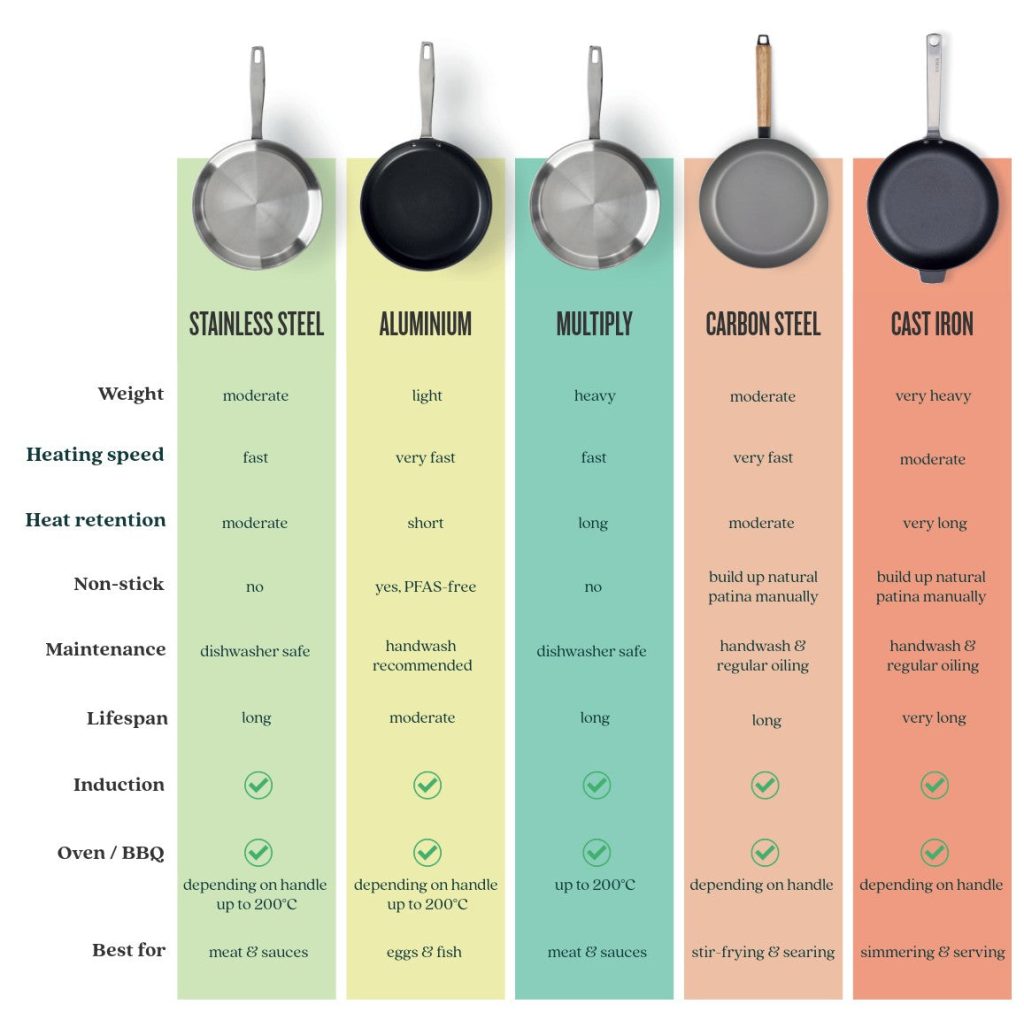
Choosing the right cookware material can transform your kitchen experience and elevate your culinary skills. But with so many options on the market, how do you decide which is best for you?
You might be wondering if stainless steel, cast iron, or non-stick is the answer to perfecting your favorite dishes. Understanding the benefits and drawbacks of each material can save you time, money, and frustration. Imagine effortlessly cooking delicious meals with cookware that perfectly suits your style.
This guide will help you navigate the world of cookware materials, ensuring you make informed choices that lead to delightful cooking experiences. Keep reading to discover the secrets behind selecting the ideal cookware material for your kitchen.
Cookware Material Basics
Choosing the best cookware material involves considering durability, heat conductivity, and maintenance. Stainless steel offers durability and easy cleaning, while cast iron excels in heat retention. Non-stick options provide convenience for everyday cooking. Each material presents unique benefits, fitting different cooking styles and preferences.
Choosing the right cookware material is essential for every home chef. The material you select can affect your cooking experience, from heat distribution to the flavor of your food. Understanding the basics can help you make informed decisions that enhance your culinary creations.Importance Of Choosing The Right Material
The cookware material significantly impacts your cooking results. A good choice can elevate your dishes, while the wrong one might lead to uneven cooking or sticking. For example, stainless steel is praised for its durability and resistance to rust. Yet, it might not be the best for non-stick cooking. Think about your cooking style and what you value most in your kitchen. Do you prioritize easy cleaning or perfect searing? Knowing your priorities can guide you toward the right material.Factors To Consider
When selecting cookware material, consider the following factors:- Heat Conductivity:Copper and aluminum offer excellent heat distribution, which can help you cook evenly.
- Reactivity:Some materials, like aluminum, can react with acidic foods, affecting taste. Choose materials like stainless steel if you cook with tomatoes or citrus.
- Maintenance:Cast iron requires regular seasoning to maintain its non-stick surface, while stainless steel is mostly maintenance-free.
Stainless Steel
Stainless steel is a popular choice for cookware, and for good reason. Its sleek appearance and durability make it a favorite among both amateur cooks and professional chefs. But what sets stainless steel apart? Let’s dive into its benefits and limitations to help you decide if it’s the right choice for your kitchen.
Benefits Of Stainless Steel
Stainless steel cookware is known for its longevity. You can rely on it to withstand the rigors of daily cooking without showing signs of wear.
Cleaning stainless steel is a breeze. Unlike other materials that might require special treatment, you can toss it in the dishwasher without a second thought.
Are you a fan of even cooking? Stainless steel excels at distributing heat evenly, ensuring your dishes come out perfectly cooked every time.
Its non-reactive nature means you can cook acidic foods, like tomato sauce, without worrying about altering the taste or damaging the pan.
Limitations Of Stainless Steel
Although stainless steel is durable, it can be quite heavy. This might be a drawback if you prefer lightweight cookware for easy handling.
It lacks the natural non-stick property found in materials like Teflon or ceramic. You’ll need to use more oil or butter to prevent food from sticking.
Think about the cost. Stainless steel can be more expensive upfront compared to other materials. However, its durability often justifies the investment.
Ever had food stick stubbornly to the pan? When not heated properly, stainless steel can be unforgiving, requiring extra effort to clean off residue.
Is stainless steel the right choice for your kitchen adventures? Weighing its benefits and limitations can guide you in making an informed decision that suits your cooking style.
Cast Iron
When considering cookware material, cast iron often stands out for its unique benefits and storied history. If you’ve ever admired a perfectly seared steak or a golden-brown cornbread, chances are, a cast iron pan played a crucial role. This cookware is renowned for its durability and ability to retain heat, making it a favorite among many home cooks and professionals alike.
Advantages Of Cast Iron
- Heat Retention:Cast iron excels at maintaining consistent heat, making it ideal for dishes that require even cooking.
- Durability:Built to last, these pans can survive generations with proper care. They’re a worthwhile investment for your kitchen.
- Versatility:From stovetop to oven, cast iron can handle a variety of cooking methods. You can use it to fry, bake, or even grill.
- Natural Non-Stick:Over time, cast iron develops a seasoning that acts as a natural non-stick surface, enhancing flavor with every use.
Picture this: you’re camping, and there’s nothing quite like using a cast iron skillet over an open flame. The sizzle and aroma are unmatched.
Drawbacks Of Cast Iron
- Weight:Cast iron cookware is notoriously heavy, which might be cumbersome for some users, especially those with limited strength.
- Maintenance:It requires regular seasoning to prevent rust and maintain its non-stick quality. Forgetting this step can lead to disappointment.
- Slow Heating:While it retains heat well, it can take longer to heat up compared to other materials like aluminum.
Have you ever struggled with lifting a cast iron pan? The heft can be surprising. But its resilience makes the effort worthwhile.
Is cast iron the right choice for your kitchen? Consider your cooking style and preferences. The trade-offs might be worth it for the unparalleled results. What do you value more—convenience or quality?

Credit: therationalkitchen.com
Non-stick Coatings
Non-stick coatings offer easy cooking and cleaning, making them a popular choice for cookware. They prevent food from sticking, ensuring effortless meal preparation.
Non-stick coatings are a popular choice in cookware for their convenience and ease of use. Imagine flipping a delicate crepe or frying an egg without it sticking to the pan; that’s the magic of non-stick surfaces. But what makes these coatings so special, and are they the right choice for your kitchen?Pros Of Non-stick Coatings
Non-stick coatings shine in their ability to prevent food from sticking, which makes cleanup a breeze. You’ll appreciate this feature after cooking a cheesy omelet or sautéing sticky sauces. They also allow you to use less oil, making your meals healthier without sacrificing flavor. Additionally, non-stick pans are typically lightweight, making them easy to handle, especially for those who prefer a hassle-free cooking experience.Cons Of Non-stick Coatings
However, non-stick coatings have their downsides. They can be prone to scratching, which can reduce their lifespan and effectiveness. You might find yourself being extra cautious with your utensils. Overheating non-stick pans can release harmful fumes, which is something to keep in mind if you often cook at high temperatures. Moreover, non-stick coatings can wear out over time, necessitating replacements more frequently compared to other cookware materials. Are you ready to make that trade-off for convenience?Copper
Copper cookware offers excellent heat conductivity and precise temperature control. Chefs love its fast response to heat changes. This material ensures even cooking, making it a preferred choice for many culinary experts.
Copper cookware has long been cherished by chefs and home cooks. Its shiny finish catches the eye, making it a kitchen favorite. Beyond its beauty, copper offers unique cooking benefits. But like all materials, it comes with challenges. Let’s explore the world of copper cookware.Benefits Of Copper Cookware
Copper heats up very quickly. This means you can cook food faster. It also cools down fast. This helps in controlling cooking temperatures easily. Copper distributes heat evenly. No hot spots. Your food cooks uniformly. It’s perfect for sauces and delicate dishes.Challenges Of Copper Cookware
Copper can react with some foods. This can change the taste. You might need to line it with another metal. It’s not always dishwasher safe. Washing by hand is often needed. It can tarnish over time. Regular polishing keeps it shiny. Copper cookware is often expensive. It’s an investment worth considering.
Credit: lothandco.co.uk
Aluminum
Aluminum cookware offers excellent heat conductivity, ensuring even cooking. Lightweight and affordable, it’s a popular choice for many kitchens. Its non-reactive surface makes it ideal for most recipes.
Aluminum cookware is a staple in many kitchens, known for its lightweight nature and excellent heat conductivity. Whether you’re a seasoned chef or a home cook, aluminum’s quick and even heating can make your cooking experience more efficient. But is aluminum really the best choice for your culinary adventures?Advantages Of Aluminum
Aluminum cookware heats up quickly and evenly, making it ideal for recipes requiring precise temperature control. It is lightweight, which means less strain on your wrists, especially when handling larger pots and pans. Additionally, aluminum is often more affordable than other materials, making it accessible for those on a budget.Disadvantages Of Aluminum
Despite its benefits, aluminum cookware can react with acidic foods like tomatoes or vinegar, potentially altering the taste of your dish. Over time, it can also become scratched or dented, affecting its longevity. Furthermore, concerns about aluminum leaching into food have led some to question its safety, although anodized aluminum addresses many of these issues. When choosing cookware, how much do you prioritize affordability over durability? Are you willing to trade off some longevity for the convenience of lightweight cookware? Your preferences can guide you to the right choice for your kitchen.Ceramic
Ceramic cookware offers even heat distribution for efficient cooking. Its non-stick surface makes cleaning easy. Ideal for those seeking healthier cooking options without added oils.
Ceramic cookware has gained popularity for its sleek design and eco-friendly properties. This material is often praised for its non-stick capabilities, making cooking and cleaning a breeze. But what makes ceramic truly stand out? Let’s explore the positive and negative aspects of ceramic cookware.Positive Aspects Of Ceramic
Ceramic cookware is celebrated for its non-toxic nature. Unlike some other materials, ceramic is free from harmful chemicals like PFOA and PTFE, ensuring that your meals are safe and healthy. This makes it an excellent choice for health-conscious cooks. The aesthetic appeal of ceramic is undeniable. It often comes in a variety of colors and finishes, adding a touch of elegance to your kitchen. If you’re looking to make a visual statement with your cookware, ceramic might just be the perfect fit. Heat distribution is another strong suit. Ceramic heats evenly, reducing the risk of hot spots that can burn food. This ensures that your dishes are cooked consistently, making it easier to achieve culinary perfection.Negative Aspects Of Ceramic
Despite its many virtues, ceramic cookware has its drawbacks. One major issue is its durability. Ceramic can chip or crack if not handled with care, potentially shortening its lifespan. Ceramic is also sensitive to rapid temperature changes. Placing a hot ceramic pan under cold water can cause it to crack. This means you’ll need to be mindful of how you handle your cookware during and after cooking. Finally, while ceramic is non-stick, it may not be as effective as other specialized non-stick surfaces. Over time, the non-stick properties can diminish, requiring more oil or butter to prevent food from sticking. Have you considered how these aspects of ceramic cookware align with your cooking habits?Titanium
Titanium cookware offers durability and lightweight handling, making it a popular choice in kitchens. Its non-stick surface ensures easy cleaning and cooking without added fats. Ideal for health-conscious chefs seeking efficient heat distribution.
Titanium cookware has gained attention for its durability and lightweight nature. Known for its impressive strength-to-weight ratio, it is a popular choice among cooking enthusiasts. Titanium cookware is often used by campers due to its portability. The material is non-toxic, making it safe for cooking. It provides a reliable option for those seeking a balance between sturdiness and ease of use.Strengths Of Titanium
Titanium cookware is incredibly strong yet lightweight. This makes it easy to handle in the kitchen. It is resistant to corrosion, ensuring long-term use. The material doesn’t react with food, keeping flavors pure. Titanium is also non-stick, reducing the need for cooking oils. This makes cleanup simple and quick. It is also hypoallergenic, suitable for people with metal sensitivities.Weaknesses Of Titanium
Despite its benefits, titanium cookware has some downsides. It is often more expensive than other materials. This can be a barrier for budget-conscious cooks. Titanium does not conduct heat as well as some metals. This can result in uneven cooking if not designed properly. Some titanium cookware lacks a non-stick coating. This may require more effort when cleaning sticky residues.Choosing The Best Material
Selecting the ideal cookware material depends on cooking style and budget. Stainless steel offers durability, while cast iron ensures even heat distribution. Non-stick options provide easy cleaning, but may wear out over time. Consider these factors for a perfect choice.
Choosing the right cookware material can transform your cooking experience. Different materials offer unique benefits. Understanding your needs will guide you to the best choice. Dive into the key factors to find the perfect match for your kitchen.Assessing Your Cooking Needs
Different cookware materials suit different cooking styles. Stainless steel is versatile and durable. Perfect for browning and deglazing. Cast iron retains heat well. Ideal for slow cooking and frying. Non-stick is user-friendly and easy to clean. Great for delicate foods like eggs. Consider your favorite dishes and cooking methods. Match them with the right material.Budget Considerations
Budget plays a key role in selecting cookware. Stainless steel often costs more, but lasts longer. Non-stick is affordable, but may need frequent replacement. Cast iron is mid-range and lasts a lifetime with care. Weigh initial costs against long-term value. Choose what fits your budget and needs.Care And Maintenance
Choosing the best cookware material involves considering care and maintenance needs. Stainless steel offers durability and easy cleaning. Non-stick pans require gentle handling to avoid scratches. Cast iron needs regular seasoning to prevent rust. Each material has unique care requirements to ensure longevity and performance.
Maintaining your cookware ensures it lasts longer and performs well. Proper care keeps it looking new, reduces wear, and prevents damage. Different materials need different care techniques. This section will guide you on keeping your cookware in top shape.General Care Tips
- Wash cookware with warm, soapy water after each use.
- Use soft sponges to avoid scratching surfaces.
- Dry cookware thoroughly to prevent rust or stains.
- Avoid high heat settings to preserve coatings.
- Store cookware in a dry, cool place.
Longevity Strategies
- Season cast iron regularly to prevent rust.
- Use wooden utensils to protect non-stick surfaces.
- Avoid metal utensils on sensitive coatings.
- Periodically check for damages or wear.
- Follow manufacturer instructions for specific care.

Credit: nypost.com
Frequently Asked Questions
What Is The Safest Cookware Material?
Stainless steel is considered one of the safest cookware materials. It is non-reactive, durable, and resists corrosion. This makes it ideal for everyday cooking. Stainless steel doesn’t leach harmful substances into food. It is also easy to clean and maintain, which ensures long-term use in your kitchen.
Which Cookware Material Lasts The Longest?
Cast iron is renowned for its durability and longevity. With proper care, it can last for generations. It withstands high temperatures and provides excellent heat retention. Regular seasoning prevents rust and enhances its non-stick properties. Investing in cast iron cookware can offer lasting value for your kitchen.
Is Aluminum Cookware Safe For Health?
Aluminum cookware is safe when coated with non-stick layers. Uncoated aluminum can react with acidic foods, affecting taste and safety. Anodized aluminum is a safer option, as it is non-reactive. Always ensure your aluminum cookware is in good condition to prevent food contamination.
How Does Non-stick Cookware Work?
Non-stick cookware uses a special coating, like Teflon, to prevent food from sticking. This makes cooking and cleaning easier. It requires less oil or butter, promoting healthier cooking. However, use low to medium heat to preserve the coating. Avoid metal utensils to prevent scratching and extend its lifespan.
Conclusion
Choosing the right cookware material depends on your cooking needs. Each material offers unique benefits. Stainless steel is durable and easy to clean. Cast iron retains heat well for even cooking. Non-stick is perfect for low-fat cooking. Copper provides precise temperature control.
Consider your budget and cooking style. Think about maintenance and care. Prioritize what matters most for your kitchen. Finding the best cookware enhances your cooking experience. Enjoy delicious meals with the right choice. Experiment and discover what works best for you.
Your perfect cookware awaits.