Are you curious about why some pots and pans work wonders on your induction cooktop, while others leave you staring at a cold surface? Understanding the secret behind induction compatible cookware can transform your cooking experience.
Imagine effortlessly whipping up meals with precision and efficiency, simply by choosing the right kitchen essentials. You’ll discover what makes cookware induction compatible, how it can enhance your culinary adventures, and why it’s worth the investment. Stick around to unlock the mysteries of induction cooking and elevate your kitchen game to a whole new level!

Credit: www.nuwavenow.com
Induction Cooking Basics
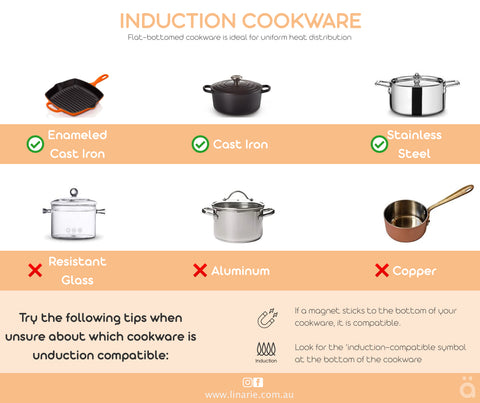
Induction compatible cookware is essential for induction cooktops. It typically features a magnetic base, allowing efficient heat transfer. Common materials include cast iron and stainless steel, ensuring optimal performance on induction surfaces.
Induction cooking has swiftly become a popular choice in modern kitchens. It offers a unique cooking experience that blends efficiency with innovation. But to truly appreciate this method, it’s crucial to understand the basics of how it works and why it’s preferred by many home cooks and professional chefs alike.How Induction Cooktops Work
Induction cooktops operate on a fascinating principle of electromagnetism. When you switch on an induction cooktop, electrical currents pass through a copper coil beneath the surface. This creates a magnetic field that directly transfers energy to your pot or pan. Your cookware acts as a conductor, heating up rapidly while the cooktop surface remains cool. It’s like magic, but with the beauty of science behind it. However, this means your cookware must contain ferrous metal for the magic to happen.Benefits Of Induction Cooking
Induction cooking offers several enticing benefits. One of the most notable is energy efficiency. Since heat is generated directly in the cookware, there’s minimal heat loss, making it a greener option compared to traditional methods. Safety is another significant advantage. The cooktop remains cool to touch, reducing the risk of burns. Spillovers won’t burn onto the surface, making cleanup a breeze. You spend less time scrubbing and more time enjoying your meal. Precision in temperature control is a game-changer. With induction, you can quickly adjust the heat, allowing you to simmer, sear, or boil with remarkable accuracy. Imagine effortlessly preparing delicate sauces or perfectly seared steaks. Have you ever wondered why professional kitchens are increasingly adopting induction cooking? It’s about speed, control, and efficiency. With these insights, you might find yourself considering an induction cooktop for your own kitchen adventures.Understanding Induction Compatibility
Understanding induction compatibility involves selecting cookware with a magnetic base. This type of cookware works efficiently on induction cooktops. It ensures even heat distribution and energy savings.
Understanding Induction Compatibility Induction cooktops use magnetic fields to heat cookware. This efficient heating method requires special pots and pans. Not all cookware works with induction. The right materials ensure proper functionality. Knowing the basics of induction compatibility is crucial for cooks.Magnetic Properties Of Cookware
Induction cooktops rely on magnetic fields. Cookware must be made of ferrous materials. This means the base should contain iron. Stainless steel and cast iron are common choices. Aluminum and copper don’t work unless they have a magnetic layer. The magnetic field interacts with the pan’s base. This creates heat directly in the cookware.Testing Cookware For Compatibility
Simple tests can reveal compatibility. One method is using a magnet. Place a magnet on the bottom of the pan. If it sticks firmly, the cookware is likely compatible. Another test is checking the manufacturer’s label. Many pots have labels indicating induction compatibility. Look for symbols or text stating suitability. It’s important to ensure the entire base is magnetic. Partial magnetism can affect performance.Materials Used In Induction Cookware
Induction compatible cookware features materials like stainless steel or cast iron that interact with magnetic fields. Aluminum or copper pots require a magnetic base to work efficiently on induction cooktops.
Induction cooking has become increasingly popular due to its energy efficiency and precise temperature control. But, not every cookware is compatible with induction stovetops. Understanding the materials used in induction-compatible cookware can significantly enhance your cooking experience. Let’s dive into the specifics of these materials and why they matter.Cast Iron And Stainless Steel
Cast iron is a heavy-duty material perfect for induction cooking. It holds heat well, allowing for even cooking. Its dense structure makes it naturally magnetic, a key requirement for induction compatibility. Stainless steel, on the other hand, offers durability and resistance to rust. However, not all stainless steel cookware works with induction. Look for those with an added magnetic layer or core. It’s a versatile choice that can be used for a variety of cooking styles.Aluminum And Copper Options
Aluminum cookware often comes with a non-stick surface, making it great for easy food release. However, aluminum alone is not induction-compatible. To work on induction cooktops, it must have a magnetic base. Copper cookware is prized for its excellent heat conductivity, offering precise temperature control. Like aluminum, pure copper isn’t induction-friendly. You’ll need copper pots with a magnetic base or layer for them to work on induction stoves. Are you using the right cookware for your induction stovetop? Consider your needs and preferences, and choose the material that best fits your cooking style.Types Of Induction Compatible Cookware
Induction compatible cookware includes types like stainless steel, cast iron, and certain non-stick pans. These materials ensure efficient heating on induction cooktops. Magnetic properties are a must for compatibility.
Understanding the types of induction compatible cookware can transform your cooking experience. Induction cooking is efficient and precise, but it requires the right tools. Dive into the different types of cookware that work seamlessly with induction cooktops and discover which ones might be perfect for your kitchen.Pots And Pans
Pots and pans are the cornerstone of any kitchen. For induction cooking, they must have a magnetic base. Many stainless steel and cast iron options are naturally compatible. Think about your needs when choosing. A large stockpot is ideal for soups, while a non-stick frying pan works wonders for eggs. Do you prefer a specific brand? Some brands, like All-Clad and Cuisinart, offer entire lines designed for induction.Specialty Cookware
Specialty cookware can elevate your culinary skills. Consider induction-compatible griddles for perfect pancakes or a wok for stir-frying. Do you enjoy making sauces? A saucepan with a thick magnetic base ensures even heat distribution. This helps avoid hot spots, ensuring your sauce doesn’t burn. Pressure cookers and Dutch ovens are also available in induction-compatible versions. They’re perfect for slow cooking and pressure cooking. What types of meals do you dream of cooking? Choose the specialty cookware that aligns with your culinary ambitions. Induction compatible cookware offers a world of possibilities. Whether you’re a beginner or a seasoned chef, the right tools can make all the difference.Choosing The Right Cookware
Choosing the right cookware for your induction stove matters. Induction stoves work differently. They need special types of cookware. This cookware helps in making cooking faster and safer. But how do you choose the right one?
Factors To Consider
Check if the cookware is magnetic. Place a magnet at the bottom. If it sticks, it is likely induction compatible. Look at the base of the cookware. It should be flat. This ensures even cooking. The material also matters. Stainless steel and cast iron work best. Size is important too. The cookware should match the size of the burner.
Popular Brands And Models
Many brands offer induction compatible cookware. T-fal is a trusted name. They have many options for induction cooking. Cuisinart also offers quality choices. Their cookware is durable and reliable. All-Clad is another popular choice. They are known for their stainless steel options. Each brand has unique features. Choose what fits your needs best.

Credit: www.webstaurantstore.com
Maintaining Induction Cookware
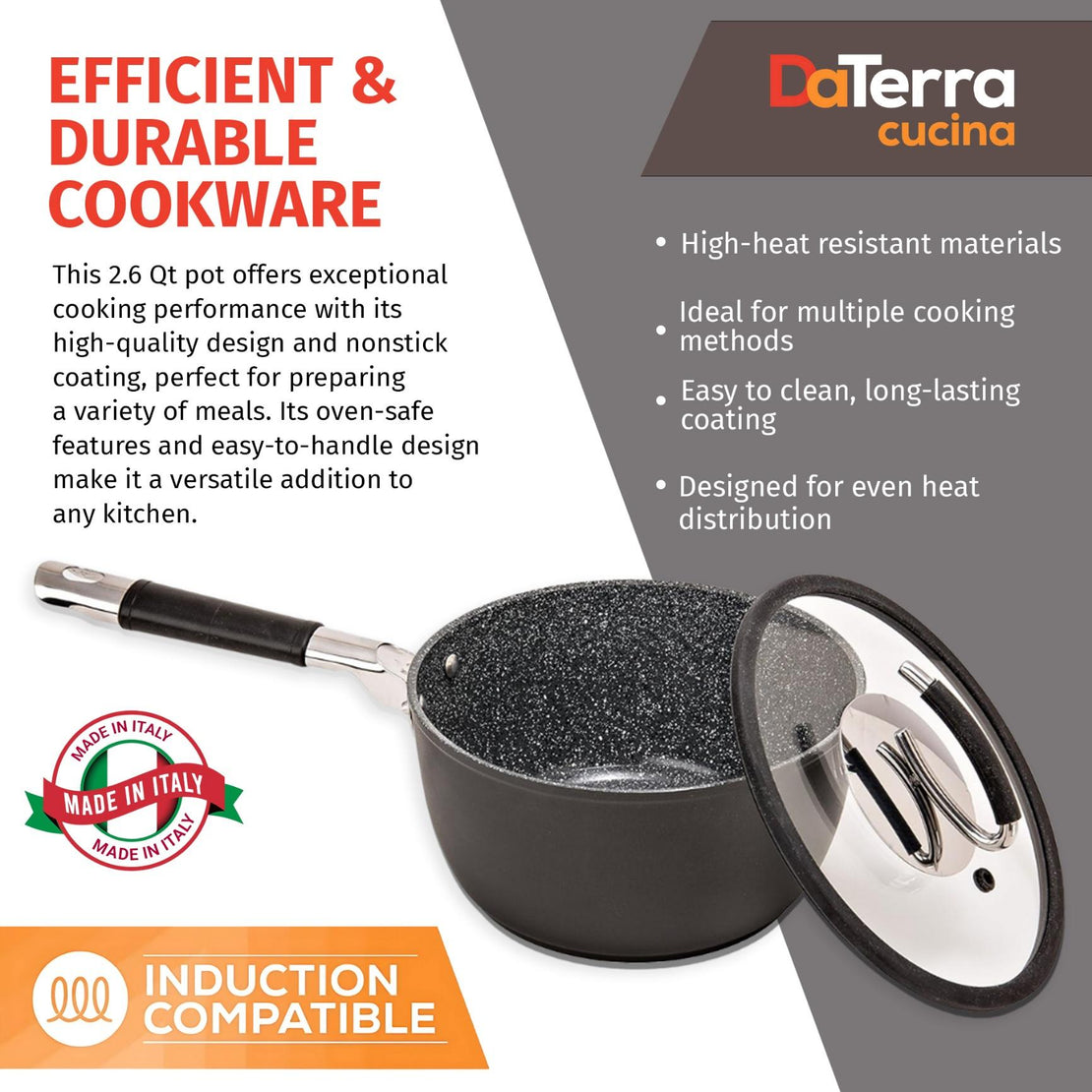
Induction compatible cookware contains ferrous metals that create heat through magnetic fields. Stainless steel or cast iron pans work well. Choose flat-bottomed pots to ensure efficient heating on induction cooktops.
Maintaining induction cookware is essential to ensure its longevity and performance. These sleek, efficient pots and pans are more than just kitchen tools; they represent a commitment to modern cooking. Yet, how often do we overlook the simple steps needed to keep them in top shape? Whether you’re a seasoned chef or a novice cook, understanding how to maintain your induction cookware can make all the difference in your culinary journey.Cleaning Tips
Cleaning your induction cookware doesn’t have to be a daunting task. Start by allowing the cookware to cool down completely before washing. This prevents warping and maintains the integrity of the material. Use warm, soapy water and a soft sponge to gently clean the surface. Avoid abrasive pads as they can scratch and damage the finish. For stubborn stains, consider using a mixture of baking soda and water to create a paste. Apply this to the affected area and let it sit for a few minutes before wiping clean.Storage And Care
Proper storage is key to preserving your induction cookware. Stack them carefully to avoid scratches and dents. If space allows, hang them on a rack for easy access and ventilation. Consider placing a soft cloth or paper towel between stacked pots and pans to prevent surface damage. This simple step can keep your cookware looking new for years. Regularly inspect handles and lids for any loose parts or damage. Tighten screws and replace worn-out components to ensure safe cooking. Maintaining induction cookware is not just about preserving its appearance but also enhancing your cooking experience. What tips do you use to keep your cookware in pristine condition? Share your thoughts and let’s make our kitchens a hub of efficiency and enjoyment.Common Myths And Misconceptions
Induction cooking is gaining popularity for its efficiency and speed. Despite this, misconceptions about induction compatible cookware persist. These myths often confuse consumers and hinder them from embracing this innovative technology. Understanding these myths is crucial for making informed decisions.
Debunking Induction Myths
Many believe induction cooking requires special cookware. This isn’t entirely true. Cookware must have a magnetic base to work with induction. Regular cookware with magnetic properties can be used. Iron and some stainless steel are common materials that work well.
Another myth is that induction cooktops are dangerous. Induction cooking is safe and energy-efficient. It heats the pan directly, not the cooktop. This reduces the risk of burns and fire hazards.
Clarifying Compatibility Issues
Compatibility concerns often stem from misunderstandings about materials. It’s believed that only expensive cookware works with induction. This is false. Affordable cookware with a magnetic base is suitable. Testing is simple: place a magnet on the cookware’s base. If it sticks, it’s induction compatible.
Some think induction cooktops aren’t versatile. Induction cooktops handle various cooking tasks effectively. They quickly heat and cool, offering precise temperature control. This flexibility makes them ideal for diverse cooking styles.
Understanding these myths helps in choosing the right cookware. Induction compatible cookware is accessible and practical. Embrace the benefits of induction cooking without the confusion.
Future Of Induction Technology
As we look ahead, the future of induction technology promises to be nothing short of revolutionary. With its energy efficiency and rapid heating capabilities, induction cooking is becoming increasingly popular among home cooks and professional chefs alike. The technology is evolving, bringing smarter, more efficient, and aesthetically pleasing options to your kitchen.
Innovations In Cookware
Imagine cookware that can automatically adjust to the perfect temperature for your favorite dish. This is becoming a reality as manufacturers integrate smart technology into their designs. Some induction-compatible cookware now features sensors that connect to your cooking device, ensuring optimal cooking conditions.
Beyond smart sensors, materials are evolving too. The latest innovations include durable, non-stick surfaces that are both eco-friendly and designed for longevity. Consider the convenience of easy cleaning without compromising on quality or safety. What would you cook if the cleanup was a breeze?
Expanding Market Trends
The induction market is expanding rapidly, with more brands jumping on board. This growth means more options for you, from budget-friendly models to high-end, professional-grade equipment. As competition increases, prices become more accessible, making induction technology a viable option for everyone.
Furthermore, the market is seeing a trend towards multifunctional appliances. Think of induction cooktops that double as griddles or slow cookers, offering versatility that saves space and money. Would you benefit from a kitchen tool that could do it all?
With these innovations and trends, induction technology isn’t just a futuristic concept—it’s an evolving reality that could transform your culinary experience. How will you adapt to these changes in your kitchen?
Credit: daterracucina.com
Frequently Asked Questions
What Is Induction Compatible Cookware?
Induction compatible cookware is designed to work with induction cooktops. It features a magnetic base that allows heat to be generated directly in the pan. This ensures faster cooking times and energy efficiency. Materials like stainless steel and cast iron are commonly used for their magnetic properties.
How Does Induction Cooking Work?
Induction cooking uses electromagnetic fields to directly heat cookware. Unlike traditional methods, the cooktop surface remains cool while the pan heats up. This ensures precise temperature control and safety. Only induction-compatible cookware with a magnetic base will work effectively on these cooktops.
Why Choose Induction Cookware Over Traditional?
Induction cookware offers faster cooking times and energy efficiency. It provides precise temperature control, enhancing cooking accuracy. The cooktop surface remains cooler, reducing burn risks. Additionally, induction cooking is environmentally friendly, as it uses less energy compared to traditional methods.
What Materials Are Induction Compatible?
Induction-compatible materials include stainless steel and cast iron. These materials have magnetic properties necessary for induction cooking. Some aluminum or copper cookware may work if they have a magnetic base layer. Always check for compatibility symbols or labels when purchasing cookware.
Conclusion
Induction compatible cookware offers efficiency and convenience in modern kitchens. It ensures faster heating and even cooking. This type of cookware saves time and energy. Choose wisely for durability and performance. Stainless steel and cast iron are excellent choices. Always check for compatibility labels before buying.
Investing in quality cookware pays off in the long run. Happy cooking with reliable induction pots and pans. Enjoy meals cooked to perfection. They make cooking simpler and more enjoyable. Embrace the benefits of induction technology in your culinary adventures.