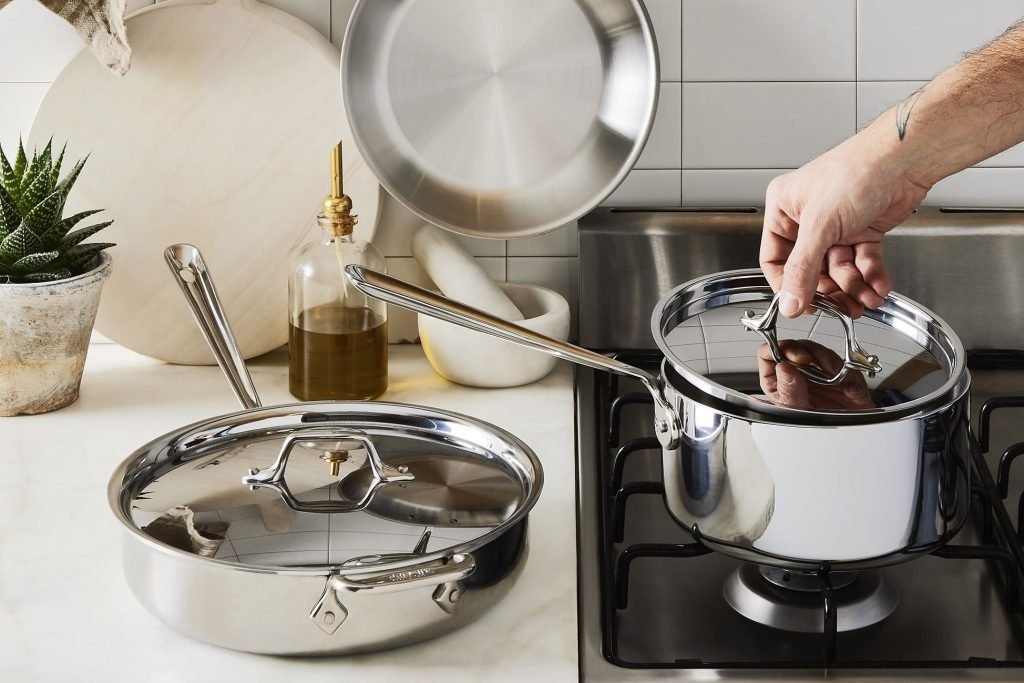
Imagine the gleam of a perfectly polished stainless steel pan in your kitchen. It’s both a tool and a trophy, symbolizing your dedication to cooking.
However, maintaining that shine and performance requires more than just soap and water. You might wonder how to keep your stainless steel cookware in top shape, ensuring it lasts for years and enhances your culinary creations. The secret lies in proper conditioning.
This process not only preserves your cookware’s beauty but also improves its functionality. Get ready to uncover simple, effective techniques that promise to transform your cooking experience. By the end of this article, you’ll have all the tips you need to care for your stainless steel cookware like a pro, making every meal a masterpiece.

Credit: hexclad.co.uk
Benefits Of Conditioning Stainless Steel Cookware
How to Condition Stainless Steel Cookware Conditioning stainless steel cookware enhances its durability and performance. It creates a non-stick surface, making cooking and cleaning easier. This process also helps prevent food from sticking and reduces the chances of discoloration. Regular conditioning maintains the cookware’s shine and efficiency.
Conditioning stainless steel cookware is a simple yet effective way to extend its lifespan and improve its performance. Many people overlook this step, but once you experience the benefits, you’ll wonder why you didn’t start sooner. From preventing food from sticking to preserving the shiny finish, the advantages are numerous.Improved Non-stick Properties
Conditioning creates a smooth surface on your cookware. This process makes it easier for food to slide off without sticking. Imagine flipping a pancake with ease or frying an egg without any residue left behind.Enhanced Durability
By conditioning your stainless steel cookware, you’re adding a layer of protection. This helps resist scratches and dents. As a result, your pots and pans will last longer, saving you money in the long run.Better Heat Distribution
A well-conditioned pan distributes heat more evenly. This leads to better cooking results. Whether you’re searing meat or simmering a sauce, consistent heat makes a noticeable difference.Maintained Aesthetic Appeal
Conditioning helps maintain the shiny appearance of stainless steel. This keeps your cookware looking as good as new. Who doesn’t love a kitchen filled with gleaming pots and pans?Reduced Cleaning Effort
When food doesn’t stick, cleaning becomes a breeze. You spend less time scrubbing and more time enjoying your meals. Isn’t it wonderful when life gets a little easier? Have you ever tried conditioning your stainless steel cookware? If not, give it a shot and see the transformation. You’ll appreciate the smoother cooking experience and the pristine look of your kitchen essentials.Preparing Your Cookware
Ensure your stainless steel cookware lasts long by conditioning it regularly. Begin with a thorough wash using warm soapy water. Dry completely before applying a thin layer of cooking oil to the surface. Heat gently on the stove, then cool and wipe off excess oil.
Preparing Your Cookware Conditioning stainless steel cookware is essential for enhancing its performance and longevity. Before diving into the actual seasoning process, it’s crucial to prepare your cookware properly. This sets a solid foundation and ensures that your cookware is ready to deliver consistent results.Initial Cleaning Steps
Start by thoroughly washing your new stainless steel cookware with warm, soapy water. This removes any manufacturing residues or oils left from the production process. Use a soft sponge or cloth to avoid scratching the surface. Rinse the cookware under warm running water to ensure all soap is removed. Dry it completely with a clean towel to prevent water spots. A spotless and dry surface is key for successful conditioning.Materials Needed
Gathering the right materials beforehand can streamline the conditioning process. Here’s a list of what you’ll need:- Warm water
- Mild dish soap
- Soft sponge or cloth
- Clean towel
- High smoke point oil (like vegetable or canola oil)
- Paper towels
Seasoning Techniques
Conditioning stainless steel cookware enhances its non-stick properties. First, clean the cookware thoroughly with soapy water. Then, dry it completely. Apply a thin layer of vegetable oil, heating it gently. This process helps create a protective layer, ensuring even cooking and easier cleaning.
Seasoning stainless steel cookware enhances its performance and lifespan. This process creates a natural non-stick layer. It also improves heat distribution and protects against rust. Following the right techniques will ensure optimal results. Let’s explore the essential seasoning methods.Oil Selection
Choosing the right oil is crucial. Oils with high smoke points work best. These include grapeseed, sunflower, and canola oil. They withstand high heat without breaking down. Avoid oils with low smoke points. They can burn and leave residues. Always use fresh oil to prevent off-flavors.Proper Heating Methods
Heat your stainless steel cookware properly. Start with a clean, dry pan. Apply a thin layer of oil evenly across the surface. Use a paper towel or cloth for even coating. Place the pan on a medium heat burner. Allow the oil to heat until it shimmers. This usually takes around five minutes. Remove the pan from heat and let it cool. Wipe away excess oil once it cools. Repeat this process for a durable non-stick layer. Regular seasoning maintains the cookware’s quality.
Credit: food52.com
Maintaining Conditioned Cookware
Condition stainless steel cookware by cleaning with warm, soapy water and drying thoroughly. Apply oil evenly to the surface to prevent rust. Heat the cookware gently to allow the oil to bond with the steel, enhancing durability and performance.
Maintaining conditioned stainless steel cookware is essential for extending its lifespan and ensuring optimal cooking performance. Once you’ve seasoned your cookware, it’s crucial to adopt practices that preserve its conditioned state. Proper maintenance will keep your pots and pans gleaming and ready for your next culinary adventure.Cleaning Tips
After cooking, let your cookware cool before cleaning to prevent warping. Use warm, soapy water and a soft sponge or cloth to remove food residues. Avoid abrasive cleaners and steel wool, which can damage the surface and strip away the seasoning. For stubborn stains or burnt-on food, soak the cookware in warm water mixed with baking soda. You can also create a paste with baking soda and water to gently scrub tough spots. Regular cleaning will maintain the seasoning and prevent the buildup of residues that can affect flavor.Storage Recommendations
Store your stainless steel cookware in a dry, well-ventilated area to prevent moisture buildup. Moisture can lead to rust spots, even on stainless steel. If stacking pots and pans, place a soft cloth or paper towel between them to avoid scratching the surfaces. This simple practice preserves the conditioned coating and keeps your cookware looking new. Consider hanging your cookware if space allows. This not only saves cabinet space but also ensures that the surfaces remain untouched, maintaining their seasoned finish. How do you store your cookware to keep it in top shape?Troubleshooting Common Issues
Conditioning stainless steel cookware prevents food from sticking and enhances its longevity. Start by cleaning the cookware thoroughly with warm, soapy water. Rinse well and dry completely. Next, apply a thin layer of cooking oil, then heat on low for a few minutes.
Let it cool, and wipe off excess oil.
Troubleshooting common issues with stainless steel cookware can be a bit daunting, especially if you’re not sure where to start. Whether you’re dealing with stubborn stains or trying to prevent rust, understanding the root cause of these problems is key. Let’s dive into some actionable solutions that can help keep your cookware looking its best.Dealing With Stains
Stains on stainless steel cookware are often caused by mineral deposits from water or burnt food residues. To tackle these, try using a mixture of baking soda and water to create a paste. Apply it directly to the stain and let it sit for a few minutes before scrubbing gently with a non-abrasive sponge. For a more stubborn stain, white vinegar can be your best friend. Heat a small amount of vinegar in the pan, let it cool, then wipe clean. This method is effective and safe for your cookware. Ever noticed discoloration after boiling eggs or pasta? This is common, but you can easily remedy it by boiling a mixture of water and vinegar. The acidity helps dissolve the mineral deposits.Preventing Rust
Rust might seem unusual for stainless steel, but improper storage or exposure to moisture can lead to rust spots. Start by ensuring your cookware is completely dry before storing it. This simple step can prevent moisture from settling on the surface. Consider storing your cookware in a cool, dry place. Hanging pots and pans allows air to circulate, reducing the risk of rust. If you notice any rust spots, a quick rub with a slice of potato and some baking soda can work wonders. What if you’re always in a hurry and forget about drying your cookware? Try keeping a microfiber cloth handy in your kitchen. A quick wipe can save you from dealing with rust later. Don’t let these common issues deter you from using stainless steel cookware. With a bit of care and the right techniques, you can maintain its shine and functionality for years. Have you tried any of these methods, or do you have your own tips to share?Expert Advice And Tips
Properly conditioning stainless steel cookware enhances its durability and performance. Begin by washing with warm soapy water. Dry thoroughly to prevent water spots. After drying, apply a thin layer of cooking oil. Heat the cookware briefly to allow the oil to form a protective layer.
Conditioning stainless steel cookware helps maintain its shine and performance. Experts recommend simple steps to achieve the best results. Follow these tips for a gleaming kitchen collection.Avoiding Common Mistakes
Avoid using abrasive cleaners on stainless steel. They can scratch the surface. Instead, use gentle, non-abrasive products. Never wash hot pans in cold water. It can cause warping. Let them cool first. Avoid letting food sit in the pan for long periods. This prevents staining and makes cleaning easier.Enhancing Longevity
Preheat your pan before adding oil or food. This prevents sticking and ensures even cooking. Dry your pans immediately after washing. It prevents water spots and maintains their shine. Store your cookware properly. Use pan protectors or separate them with soft cloths. This avoids scratches and prolongs their life.
Credit: imarku.net
Frequently Asked Questions
How To Properly Clean Stainless Steel Cookware?
To clean stainless steel cookware, use warm water and mild dish soap. Avoid abrasive cleaners that can scratch the surface. Gently scrub with a non-abrasive sponge. Rinse thoroughly and dry immediately to prevent water spots. For stubborn stains, use a paste of baking soda and water.
Can I Use Oil To Season Stainless Steel Cookware?
Yes, you can season stainless steel cookware with oil. Heat the pan over medium heat, then add a thin layer of oil. Spread evenly and heat until it smokes. Let it cool and wipe off excess oil. This helps create a non-stick surface.
What Is The Best Oil For Seasoning?
The best oils for seasoning are those with high smoke points. Use oils like grapeseed, canola, or vegetable oil. These oils withstand high temperatures without breaking down. Avoid using olive oil, as it has a lower smoke point and can leave a sticky residue.
How Often Should I Condition My Cookware?
Condition your stainless steel cookware every few months. Regular conditioning maintains its performance and prevents food from sticking. If you notice food sticking frequently, it might be time to re-season. Frequent use may require more frequent conditioning to maintain a non-stick surface.
Conclusion
Conditioning stainless steel cookware keeps it shiny and durable. With regular care, it resists stains and maintains its quality. Follow simple steps to avoid scratches and enhance lifespan. Clean thoroughly after each use to prevent residue. Always dry completely to avoid water spots.
Use a mild cleaner for tough stains. This simple routine can protect your investment. Your cookware remains reliable for daily cooking. Enjoy preparing meals with cookware that looks new. Proper care ensures long-lasting performance and satisfaction. Keep your stainless steel cookware in top shape.
It’s easy and rewarding.