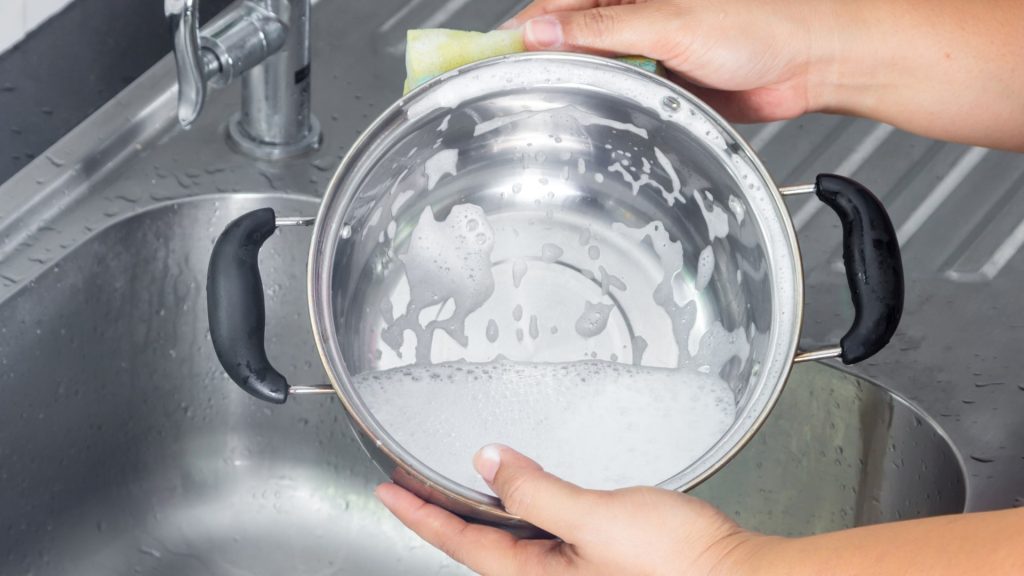
Stainless steel cookware is a staple in many kitchens due to its durability and sleek appearance. But like any prized possession, it requires a bit of care to keep it looking its best and performing optimally.
You might have noticed your pots and pans losing their shine or perhaps food sticking more than usual. This can be frustrating, especially when you rely on them for your daily culinary adventures. Imagine the satisfaction of seeing your stainless steel cookware gleam like new and knowing that it will last for years to come.
We’ll reveal simple yet effective methods to maintain your stainless steel cookware, ensuring it remains the reliable kitchen companion you love. Let’s dive in and bring back that sparkle!
Choosing The Right Cleaning Tools
Selecting the appropriate cleaning tools ensures stainless steel cookware stays shiny and durable. Use soft cloths and gentle brushes to prevent scratches and maintain its appearance.
Choosing the right cleaning tools for your stainless steel cookware is crucial. Proper tools ensure your cookware remains shiny and lasts longer. With the right care, you avoid scratches and maintain the cookware’s efficiency. This section guides you in selecting tools that protect your investment.Use Soft Sponges
Soft sponges are gentle on stainless steel surfaces. They clean effectively without scratching. Avoid abrasive pads that can damage the finish. A soft sponge with mild detergent works well for everyday cleaning.Select Non-abrasive Cleaners
Choose cleaners labeled non-abrasive for stainless steel. These cleaners remove stains without harming the surface. Avoid bleach or harsh chemicals. They can ruin the cookware’s protective layer.Opt For Microfiber Cloths
Microfiber cloths are great for polishing stainless steel. They leave no streaks and enhance shine. Use them to wipe your cookware after washing. This step keeps your pans looking like new.Consider Baking Soda For Tough Stains
Baking soda is a natural cleaner for tough stains. It gently scrubs without scratching. Make a paste with water and apply on stains. Rinse thoroughly for a clean finish.Avoid Steel Wool And Metal Brushes
Steel wool and metal brushes can scratch stainless steel. They are too harsh and damage the surface. Stick to gentler tools for cleaning. This keeps your cookware in top condition.Use Wooden Or Silicone Utensils
Wooden or silicone utensils prevent scratches during cooking. Metal utensils can leave marks on stainless steel. Choose utensils that are safe for your cookware. This simple choice helps maintain its appearance.Daily Cleaning Practices
Regular cleaning keeps stainless steel cookware shiny and durable. Use warm, soapy water and a soft cloth to wipe. Avoid harsh scrubbing to prevent scratches on the surface.
Daily cleaning practices are crucial in extending the life of your stainless steel cookware. These practices not only keep your pots and pans looking shiny and new but also ensure they perform at their best. By incorporating a few simple steps into your routine, you can maintain the integrity and appearance of your cookware for years to come. Let’s delve into some essential daily cleaning practices that you should consider.Rinsing And Soaking
After cooking, it’s important to rinse your cookware immediately. This helps prevent food residue from hardening on the surface. Use warm water and a gentle stream to flush out any leftovers. If there’s stubborn food residue, soaking is your next best friend. Fill the cookware with warm, soapy water and let it sit for 15-30 minutes. This softens the residue, making it easier to clean without scrubbing aggressively.Using Mild Detergents
Choose a mild detergent that’s free from harsh chemicals. These can damage the surface of stainless steel, leading to discoloration or scratches. A gentle dish soap is usually sufficient for daily cleaning. Apply the detergent using a soft sponge or cloth. Avoid abrasive pads as they can leave scratches. Remember, a gentle touch is all you need to keep your cookware in pristine condition. Maintaining your stainless steel cookware doesn’t have to be a daunting task. Have you ever considered how these simple cleaning routines could save you time and effort in the long run? Adopting these practices ensures that your cookware stays as reliable as the day you bought it.Removing Stubborn Stains
Stainless steel cookware is popular for its durability and sleek appearance. Yet, it often faces stubborn stains from regular cooking. These stains can make your pots and pans look dull. But don’t worry, you can tackle these stains with simple home remedies. Let’s explore two effective methods to restore your cookware’s shine.
Baking Soda Method
Baking soda is an excellent cleaning agent. It can remove tough stains without scratching. Start by sprinkling baking soda over the stained area. Add a few drops of water to form a paste. Gently rub the paste with a soft cloth or sponge. For tougher stains, let the paste sit for 10 minutes. Rinse the cookware thoroughly with warm water. Dry with a clean towel to prevent water spots.
Vinegar Solution
Vinegar is known for its acidity, which can break down stains. Mix equal parts of vinegar and water in a bowl. Apply the mixture to the stained surface using a soft cloth. Let it sit for 5 minutes. Scrub gently with a non-abrasive sponge. Rinse the cookware with warm water. Dry it completely to avoid streaks. This method works well for discoloration and burnt residue.

Credit: food52.com
Preventing Water Spots
Dry stainless steel cookware immediately after washing to prevent water spots. Use a soft cloth for drying to maintain its shine. Regular drying keeps cookware looking new and spot-free.
Preventing water spots on your stainless steel cookware is crucial to keeping them looking pristine and shiny. These spots can be pesky and often seem inevitable, but with a few simple techniques, you can avoid them altogether. Imagine pulling out a spotless pot every time you cook; it’s not just a dream but a reality with these maintenance tips.Proper Drying Techniques
The key to preventing water spots lies in how you dry your cookware after washing. Instead of letting them air dry, which can lead to spots, grab a clean, dry towel. Gently wipe down each piece immediately after washing. You might find it tedious at first, but this step is crucial. It ensures no water droplets are left behind to form spots. Try it next time and see the difference! You might even find that drying your cookware becomes a calming ritual.Polishing With A Soft Cloth
Once your cookware is dry, take it a step further by polishing it with a soft cloth. This isn’t just about aesthetics; it adds a protective layer against future spots. Using a microfiber cloth can help to buff away any residual moisture and fingerprints. It’s an easy and quick task that makes a noticeable difference. Have you ever noticed how professional chefs’ cookware always sparkles? This simple polishing trick is one of their secrets. Give it a try and see how your cookware gleams under kitchen lights! Stainless steel cookware is an investment, and maintaining it doesn’t have to be a chore. What are your go-to tips for keeping your pots and pans spot-free?Handling Heat And Temperature
Stainless steel cookware is a beloved kitchen staple for many, known for its durability and sleek appearance. However, maintaining its pristine condition requires understanding the nuances of handling heat and temperature effectively. This involves using techniques that help preserve the quality of your cookware while ensuring optimal cooking results. Let’s explore some practical tips.
Avoiding High Heat
High heat can be a silent enemy for stainless steel cookware. You might think cranking up the heat will speed up the cooking process, but it often leads to food sticking and discoloration. Instead, use medium heat for most cooking tasks. This prevents damage and maintains even cooking.
Have you ever noticed a rainbow-like discoloration on your pots after cooking? This is usually a result of overheating. Avoid this by being mindful of the temperature. If you’re in a rush, remember that patience is key to preserving the beauty of your cookware.
Preheating Tips
Preheating is crucial when cooking with stainless steel. This ensures even heat distribution and minimizes sticking. Start by placing your pan on a medium heat setting and allow it to warm up for a few minutes. A simple trick to test if your pan is ready is to sprinkle a few drops of water; if they sizzle and evaporate quickly, you’re good to go.
Skipping preheating can lead to uneven cooking, which is frustrating and may ruin your dish. Make preheating a habit, and you’ll notice a significant improvement in your cooking results. What simple adjustments can you make to enhance your cooking experience today?
Protecting The Surface
Keep stainless steel cookware shiny and durable by cleaning it with warm soapy water after each use. Avoid using abrasive cleaners to protect the surface from scratches. Dry thoroughly to prevent water spots and maintain its polished look.
Maintaining the shine and longevity of stainless steel cookware starts with protecting the surface. Proper care helps keep the cookware looking new, ensuring it remains functional for years. Scratches and dents can damage the appearance and performance. Here are easy steps to protect the surface of your stainless steel cookware:Using Non-abrasive Pads
Cleaning stainless steel requires gentle tools. Use non-abrasive pads for scrubbing. These pads help remove stains without scratching. Avoid steel wool or harsh scrubbers. They can leave marks and degrade the finish. Choose sponges or microfiber cloths instead. They are safe and effective for stainless steel surfaces.Avoiding Metallic Utensils
Metallic utensils can scratch the surface. Opt for wooden or silicone utensils. They are gentle on stainless steel. Metallic utensils may cause discoloration over time. Even small scratches can affect cooking performance. Non-metallic options are safer and keep cookware pristine. Choose utensils wisely to maintain cookware quality.Storage Tips
Stainless steel cookware is a beloved choice for many kitchens due to its durability and sleek appearance. However, maintaining its pristine condition involves more than just proper cleaning. How you store your stainless steel pots and pans can significantly impact their longevity. Let’s dive into some practical storage tips to keep your cookware looking as good as new.
Stacking Properly
When stacking your stainless steel cookware, it’s crucial to do it right to prevent scratches and dents. Avoid overloading cabinets with pots and pans piled haphazardly. Instead, stack similar-sized pieces together to ensure stability. You might be tempted to stack everything to save space, but consider how accessible your pans will be when you need them. Is it worth the hassle of digging through a jumbled pile every time you want to cook?
Using Pan Protectors
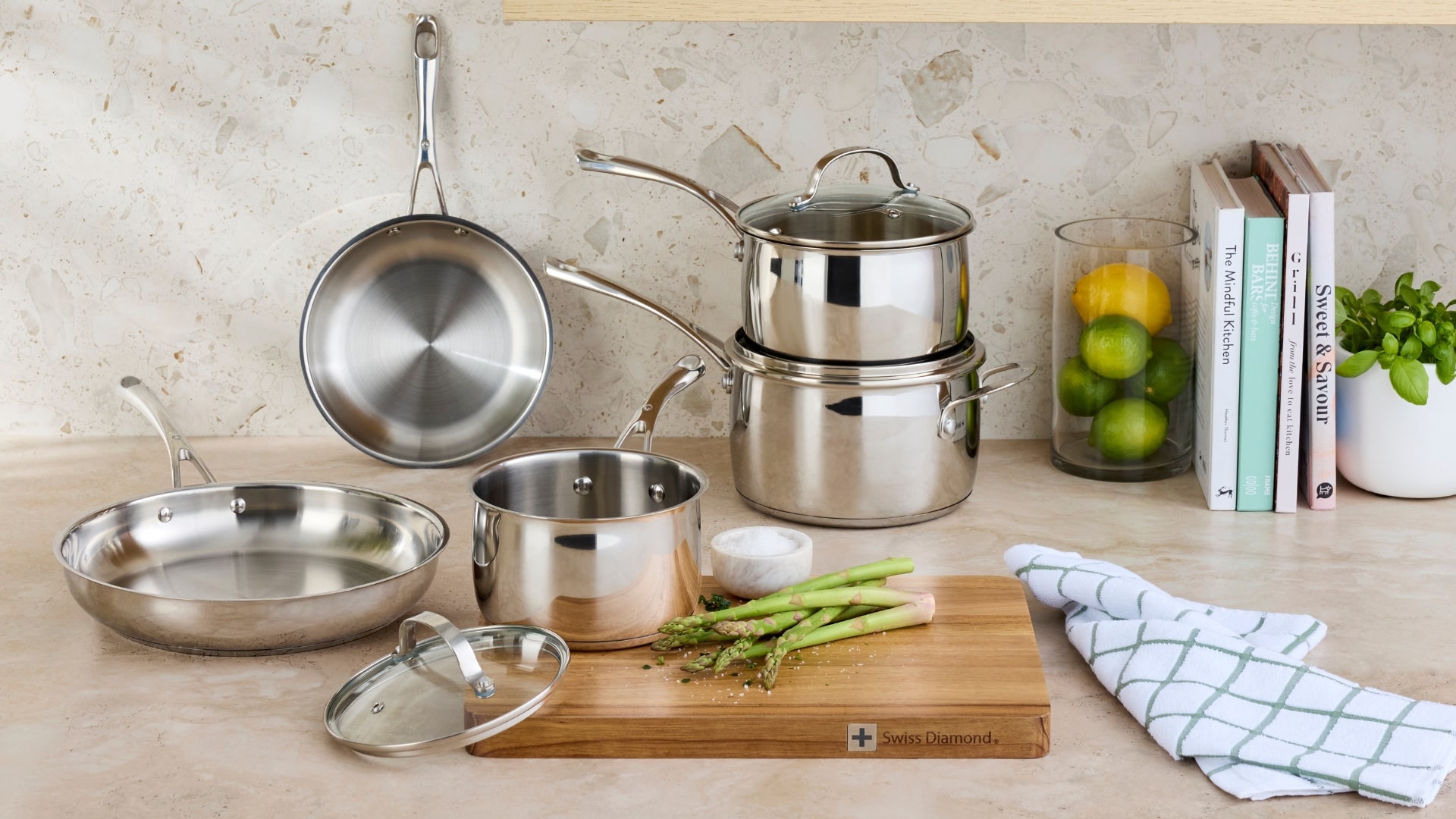
Pan protectors are a simple yet effective way to prevent scratches when stacking your cookware. These thin, flexible pads act as a barrier between the pans, preserving their surface. You can easily find them online or make your own using felt or fabric scraps. This small investment can save you the cost of replacing scratched or damaged pans in the long run. Have you ever considered how something so simple could make such a difference in your kitchen routine?
Credit: www.harrisscarfe.com.au
Handling Discoloration
To maintain stainless steel cookware, gently scrub with a mixture of baking soda and water. This helps remove discoloration and restore shine. Regular cleaning prevents stubborn stains and keeps your cookware looking new.
Handling discoloration in stainless steel cookware is often a challenge. Frequent use leads to heat tints and rainbow stains. These blemishes can be frustrating, but with the right techniques, your cookware will shine again. The following sections offer practical solutions to handle these common discoloration issues.Removing Heat Tints
Heat tints appear as blue or purple shades on stainless steel. These tints form due to high cooking temperatures. To remove them, start with a mixture of baking soda and water. Create a paste and gently rub it onto the affected areas using a soft cloth. Rinse thoroughly with warm water. For stubborn tints, white vinegar can be used. Dampen a cloth with vinegar and wipe the cookware, focusing on the tinted areas. This will help restore the original sheen.Dealing With Rainbow Stains
Rainbow stains are another common issue. These multicolored stains result from overheating or mineral deposits. To tackle them, use a solution of lemon juice and water. Mix equal parts and apply to the stained areas. Let it sit for a few minutes, then rinse with warm water. If the stains persist, try using a stainless steel cleaner. Follow the instructions on the cleaner, ensuring you rinse the cookware thoroughly after use. Regular maintenance will prevent these stains from forming.Regular Maintenance Routine
Regular cleaning keeps stainless steel cookware in top shape. Use warm soapy water and a soft cloth. Avoid harsh abrasives to prevent scratches. Dry thoroughly to maintain shine and prevent water spots.
Maintaining stainless steel cookware can seem daunting, but a regular maintenance routine can keep your pots and pans gleaming like new. By incorporating weekly inspections and seasonal deep cleaning, you’ll not only preserve the aesthetic appeal but also extend the lifespan of your cookware. Let’s dive into how you can make your stainless steel cookware the star of your kitchen.Weekly Inspection
Every week, dedicate a few minutes to inspect your stainless steel cookware. Look for food residues, stains, or any discoloration. Even tiny spots left unnoticed can build up over time, making cleaning more difficult. Create a checklist for what to look out for: – Residue: Check for stuck-on food or oil spots. – Stains: Look for water spots or discoloration. – Scratches: Inspect for any visible scratches or dents. Addressing these issues promptly can save you time and effort later. Have a soft cloth handy for quick wipes and use a gentle dish soap to remove any grime. This is a simple task that can save your cookware from long-term damage.Seasonal Deep Cleaning
Think of seasonal deep cleaning as a spa day for your cookware. It’s a chance to tackle those stubborn stains and restore the shine. Every few months, set aside an afternoon to give your stainless steel a thorough cleaning. Here’s a simple method to follow: 1. Prepare a Cleaning Solution: Mix baking soda with water to create a paste. 2. Apply: Spread the paste over any stubborn stains or discoloration. 3. Scrub: Use a non-abrasive scrubber to gently clean the surface. 4. Rinse and Dry: Rinse thoroughly with warm water and dry immediately with a soft towel. You might wonder, why not just use harsh chemicals? While tempting, they can damage the finish of your cookware. By using gentle, natural cleaning solutions, you’re not only caring for your cookware but also being kind to the environment. Regular maintenance of your stainless steel cookware doesn’t have to be a chore. With these routines, you ensure that your cookware remains a trusted ally in your culinary adventures. After all, isn’t it satisfying to see your efforts reflect in the shine of your cookware?
Credit: www.harrisscarfe.com.au
Frequently Asked Questions
How Do I Clean Stainless Steel Cookware?
Clean stainless steel cookware with warm water and mild detergent. Use a soft sponge to avoid scratches. For stubborn stains, apply a paste of baking soda and water. Rinse thoroughly and dry immediately to prevent water spots. Regular cleaning maintains shine and prolongs the cookware’s lifespan.
Can I Use Bleach On Stainless Steel?
Avoid using bleach on stainless steel cookware. Bleach can cause discoloration and damage the surface. Instead, use gentle cleaning agents like vinegar or baking soda for effective cleaning. These alternatives are safe and maintain the cookware’s quality. Regular use of harsh chemicals can degrade the cookware over time.
How To Prevent Stainless Steel From Rusting?
Prevent rust by drying cookware immediately after washing. Avoid prolonged exposure to water and moisture. Store in a dry place. If rust appears, scrub gently with baking soda and water. Regular cleaning and proper storage help maintain the integrity and appearance of stainless steel cookware.
Is Stainless Steel Dishwasher Safe?
Most stainless steel cookware is dishwasher safe. However, hand washing is recommended to maintain its finish. High heat and harsh detergents can dull the surface. Always check the manufacturer’s guidelines. Hand washing ensures longevity and prevents potential damage from dishwasher cycles.
Conclusion
Caring for stainless steel cookware is simple and rewarding. Keep it clean. Use mild soap and soft sponges. Dry it thoroughly to prevent spots. Avoid high heat to maintain shine. Regularly polish for a lasting gleam. With these tips, your cookware stays beautiful and functional.
It will serve your kitchen for years. Enjoy cooking with confidence. Stainless steel is durable when maintained well. Practice these habits for the best results. Your pots and pans will thank you. Cooking becomes more enjoyable with well-maintained cookware. Happy cooking!