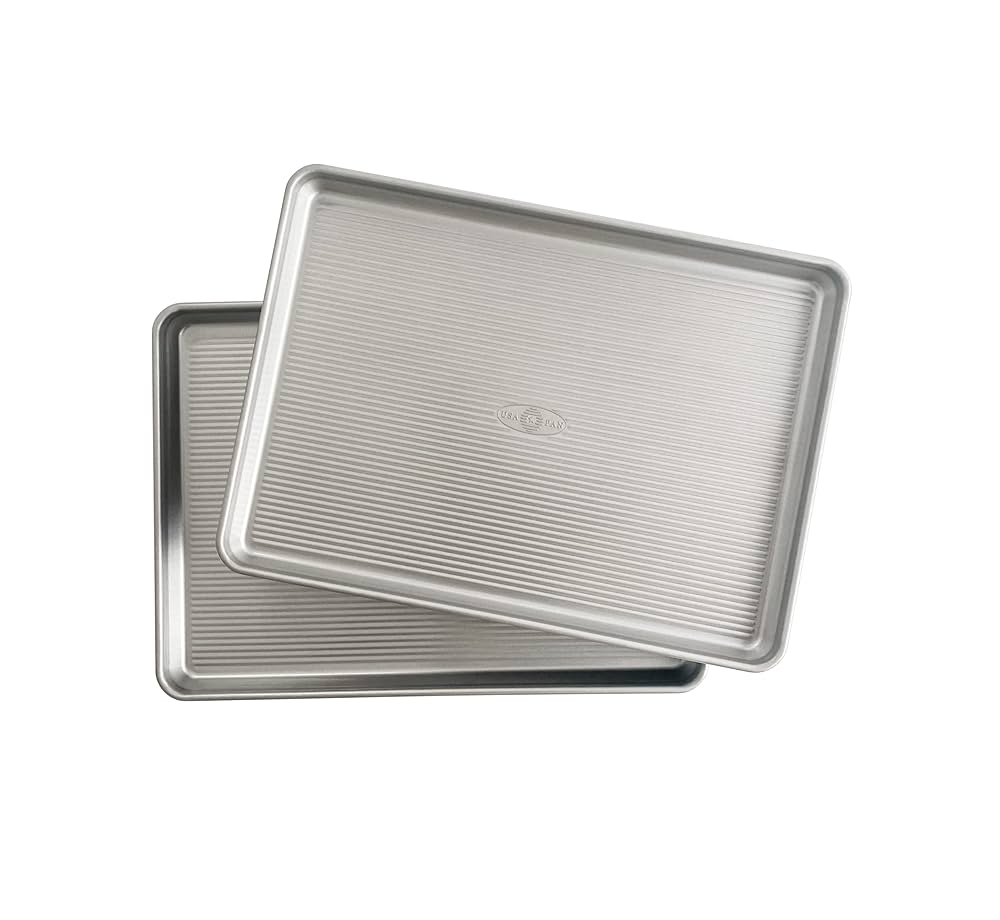
Have you ever wondered what makes your baking experience better than ever? The secret might just lie in your choice of bakeware.
If you’re looking to achieve perfectly baked cookies, cakes, or bread, aluminized steel bakeware could be your best friend. With its unique properties, this material promises durability and even heat distribution that can elevate your baking results to a professional level.
Imagine impressing your friends and family with flawless creations every single time. You’re about to discover why aluminized steel bakeware is a game-changer in your kitchen. Read on to understand how it can transform your baking endeavors and make them more enjoyable and successful.
Aluminized Steel Basics
Aluminized steel bakeware is a popular choice for many home bakers and professional chefs. It’s known for its durability and excellent heat distribution, making it ideal for baking a variety of goods. But what exactly is aluminized steel, and why should you consider it for your kitchen?
What Is Aluminized Steel?
Aluminized steel is a type of steel that has been coated with an aluminum-silicon alloy. This coating provides a protective layer that enhances the steel’s resistance to corrosion and heat. The result is a material that combines the strength of steel with the lightweight and heat-resistant properties of aluminum.
Benefits Of Using Aluminized Steel Bakeware
One of the main advantages of aluminized steel bakeware is its ability to evenly distribute heat. This ensures that your baked goods cook consistently, reducing the chances of burnt edges or undercooked centers. Additionally, aluminized steel is highly durable, meaning it can withstand repeated use without warping or rusting.
How Does Aluminized Steel Compare To Other Materials?
When compared to other bakeware materials like glass or ceramic, aluminized steel offers superior heat conductivity. This means it heats up quickly and retains heat longer, which can be particularly beneficial for baking items like bread or pastries. Its non-stick surface also makes it easier to clean than traditional steel or cast iron pans.
Personal Experience With Aluminized Steel Bakeware
I remember the first time I used an aluminized steel baking sheet for cookies. The even browning and perfect texture were impressive, and cleanup was a breeze. If you’re tired of uneven baking results, it might be time to make the switch.
Care Tips For Aluminized Steel Bakeware
To maintain the quality of your aluminized steel bakeware, avoid using metal utensils that can scratch the surface. Instead, opt for silicone or wooden tools. Regularly wash your bakeware with warm soapy water and dry it thoroughly to prevent any potential rusting.
So, are you ready to upgrade your bakeware collection with aluminized steel? Its combination of durability, heat distribution, and ease of use makes it a standout choice for any kitchen.

Credit: www.walmart.com
Manufacturing Process
Aluminized steel bakeware is crafted by coating steel with an aluminum-silicon alloy. This process enhances heat distribution and durability, ensuring even baking results. Ideal for baking enthusiasts seeking reliable and long-lasting cookware.
Aluminized steel bakeware is a popular choice in kitchens worldwide, known for its durability and even heat distribution. The secret to its superior performance lies in its unique manufacturing process. Understanding this process can offer insights into why aluminized steel bakeware stands out among its counterparts. Let’s break down how these bakeware pieces come to life.Steel Selection
The journey begins with choosing the right steel. Manufacturers typically select high-quality carbon steel due to its strength and ability to withstand high temperatures. This ensures your bakeware maintains its shape and performance even after years of use. Quality matters here. The steel needs to be flexible enough for forming but rigid enough to hold up under the heat of your oven.Aluminum Coating
Next, the steel is coated with a layer of aluminum. This process involves dipping or hot-dipping the steel in molten aluminum, creating a bond that gives aluminized steel its unique properties. Why aluminum? It offers excellent heat conductivity and provides a protective barrier against corrosion. You benefit from even baking results and a longer lifespan for your bakeware.Final Forming
After coating, the bakeware takes its final shape through a forming process. This involves cutting, pressing, and shaping the coated steel into various bakeware designs, from cake pans to cookie sheets. Precision is key at this stage. Each piece must meet specific dimensions to ensure consistent performance in your kitchen. Have you ever wondered why your cookies bake so evenly? It’s all thanks to this meticulous forming process. By understanding these steps, you gain a new appreciation for the bakeware you rely on in your kitchen. Next time you slide a pan of brownies into the oven, you’ll know the care and precision that went into making it.Properties Of Aluminized Steel
Aluminized steel bakeware is gaining popularity in kitchens worldwide. Its unique properties make it a favorite among bakers. This material combines the strength of steel with the benefits of aluminum coating. Let’s explore the key properties of aluminized steel that make it ideal for bakeware.
Heat Conductivity
Aluminized steel offers superior heat conductivity. It heats evenly across its surface. This ensures consistent baking results. Your cookies, cakes, and breads cook uniformly. No more burnt edges or undercooked centers. This property enhances baking efficiency.
Corrosion Resistance
Aluminized steel is highly resistant to corrosion. The aluminum-silicon coating protects against rust. This extends the life of your bakeware. It maintains its appearance over time. You can use it repeatedly without worrying about damage. This feature is crucial for long-term kitchen tools.
Durability And Strength
Durability is a standout feature of aluminized steel. The steel core provides exceptional strength. It withstands high temperatures and frequent use. Aluminized steel bakeware won’t warp or bend easily. Its toughness ensures reliable performance over the years. Ideal for both amateur and professional bakers.
Credit: www.carawayhome.com
Benefits Of Aluminized Steel Bakeware
Aluminized steel bakeware offers several benefits that enhance your baking experience. This material combines the durability of steel with the heat conductivity of aluminum, making it a preferred choice for many home bakers and professionals alike. Below are some of the key advantages of using aluminized steel bakeware.
Enhanced Baking Performance
Aluminized steel distributes heat evenly across the bakeware surface. This ensures consistent baking results every time. Cakes rise beautifully, and cookies bake uniformly without hot spots. The aluminum coating also helps in quicker heating, reducing baking time.
Longevity Of Bakeware
Aluminized steel is known for its durability. It resists rust and corrosion, extending the life of your bakeware. The steel core provides strength and prevents warping, even under high temperatures. Invest in aluminized steel, and you’ll enjoy years of reliable service.
Ease Of Maintenance
Cleaning aluminized steel bakeware is straightforward. The smooth surface prevents food from sticking, making it easy to wash. Most pieces are dishwasher safe, saving time and effort. Regular maintenance keeps your bakeware looking new and performing well.
Comparing With Other Materials
Aluminized steel bakeware offers superior heat distribution compared to glass or ceramic. Its durability surpasses traditional aluminum, ensuring long-lasting performance. Ideal for even baking, it resists warping and rust, making it a reliable choice for home bakers.
When choosing bakeware, the material you pick can significantly impact your baking results. Aluminized steel bakeware is popular for its durability and heat distribution, but how does it stand against other materials? Let’s dive into some comparisons to help you make an informed decision.Aluminum Vs. Aluminized Steel
Aluminum bakeware is known for its lightweight nature and excellent heat conduction. It’s a favorite for consistent baking results. However, it can be prone to warping at high temperatures. Aluminized steel, on the other hand, combines the best of both worlds. It features an aluminum-silicon alloy coating that enhances heat conduction while its steel core provides strength, reducing the risk of warping. If you’re tired of replacing warped pans, aluminized steel might be your go-to choice.Non-stick Vs. Aluminized Steel
Non-stick bakeware makes for easy cleanup and the effortless release of baked goods. The downside is that the coating can wear off, especially with frequent use or improper care. Aluminized steel bakeware often comes with a non-stick coating as well but boasts a longer lifespan due to its sturdy construction. Even without a non-stick layer, its natural finish offers excellent baking results. Consider how often you bake and your cleaning preferences when making your choice.Stainless Steel Vs. Aluminized Steel
Stainless steel bakeware offers a shiny, appealing look and is resistant to rust and corrosion. However, it doesn’t conduct heat as efficiently, which might lead to uneven baking. Aluminized steel, by contrast, ensures even heat distribution, thanks to its aluminum coating. Its durability also means it won’t rust, making it a resilient option for frequent bakers. Do you prioritize aesthetics or performance in your baking endeavors? This may guide your decision.Popular Uses In Baking
Aluminized steel bakeware is favored for its durability and heat distribution. It’s perfect for baking breads, muffins, and cakes. Many bakers choose it for its resistance to warping and rusting, ensuring long-lasting use.
Aluminized steel bakeware is a popular choice in kitchens. It combines the durability of steel with the heat conductivity of aluminum. This makes it ideal for baking. Its unique properties offer benefits for both commercial and home bakers.Commercial Bakeries
In commercial bakeries, aluminized steel bakeware is a staple. It withstands frequent use without warping. Its even heat distribution ensures consistent baking results. This is crucial for large batches of baked goods. Bakers rely on its performance for quality and efficiency. The non-stick surface helps in easy release of baked items. This reduces cleaning time, boosting productivity.Home Baking Enthusiasts
For home bakers, aluminized steel bakeware offers professional results. Its sturdy construction resists bending. This is important for home ovens. Even heat distribution provides uniform browning. It is perfect for cookies, cakes, and bread. The non-stick coating minimizes mess. Cleaning up is simple, saving time for busy bakers. Its reliability makes it a favorite in home kitchens.Care And Maintenance Tips
Aluminized steel bakeware is a popular choice for its durability and heat distribution. Proper care and maintenance can extend its lifespan and keep it performing well. Below are some practical tips to keep your bakeware in top shape.
Cleaning Techniques
Wash aluminized steel bakeware by hand to avoid scratches. Use warm water and mild soap for cleaning. Avoid using abrasive pads or harsh chemicals. Rinse thoroughly and dry with a soft cloth.
- Hand wash only.
- Use mild soap.
- Dry immediately.
Storage Recommendations
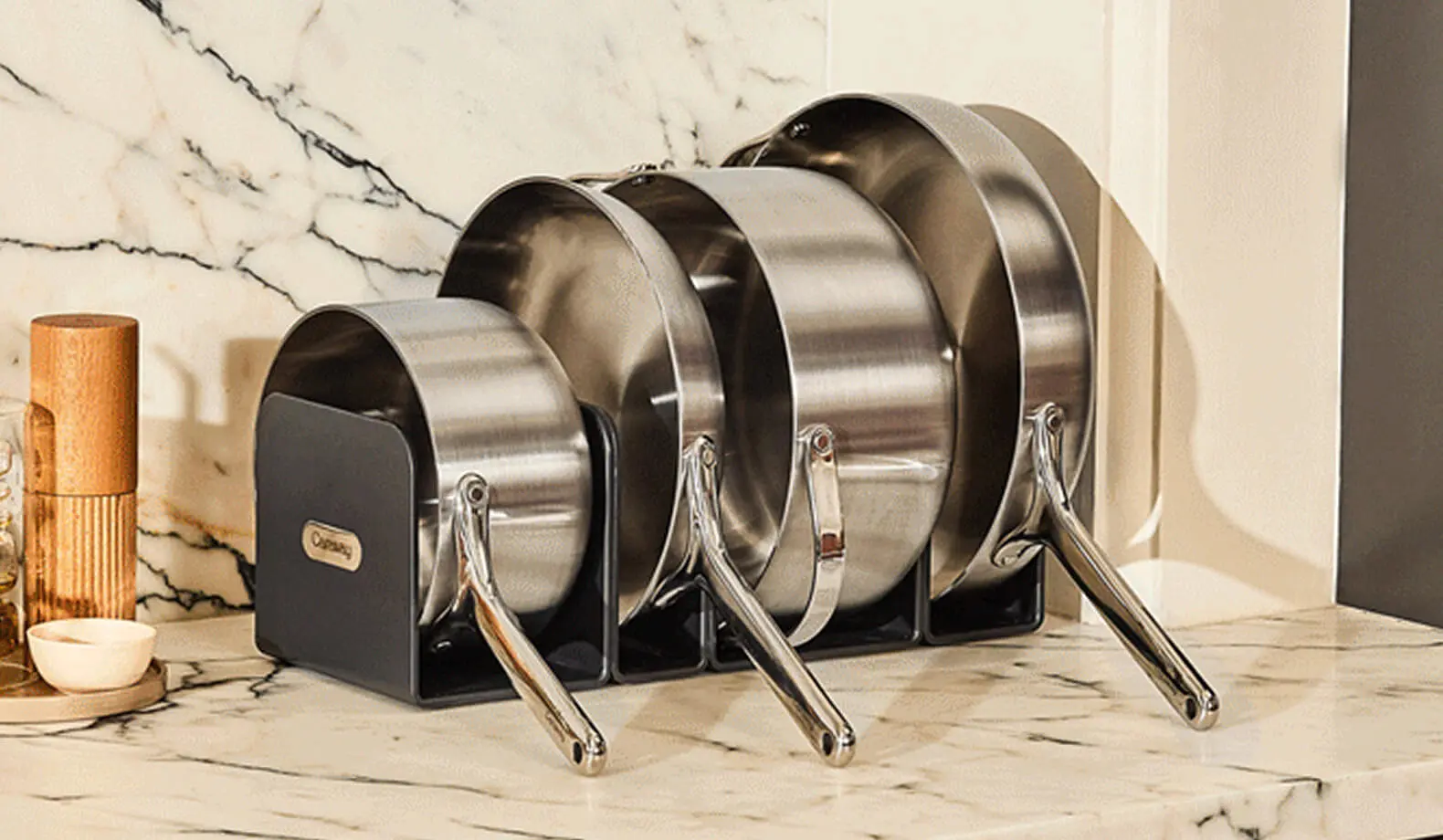
Store your bakeware in a cool, dry place to prevent rust. Avoid stacking heavy pots on top to prevent dents. Consider using a rack for easy access and organization.
- Store in a dry area.
- Avoid stacking heavy items.
- Use a storage rack.
Credit: www.surlatable.com
Environmental Impact
Aluminized steel bakeware combines the durability of steel with aluminum’s heat distribution. This blend ensures even cooking and reduces energy use. Its longevity minimizes waste, contributing positively to environmental sustainability.
The environmental impact of aluminized steel bakeware is an important consideration. This bakeware offers durability and excellent heat distribution. It also plays a role in environmental sustainability. Understanding its impact helps consumers make informed choices.Recyclability
Aluminized steel is recyclable. This is a key environmental benefit. Recycling reduces waste and saves resources. It helps decrease landfill use. Many recycling centers accept aluminized steel. This makes it easy to recycle old bakeware. Recycled steel can be used in new products. This process conserves energy and raw materials.Sustainability Factors
The production of aluminized steel involves sustainable practices. Manufacturers often use energy-efficient methods. This reduces carbon footprints. Aluminized steel bakeware is long-lasting. It does not need frequent replacement. This helps minimize resource consumption. Choosing durable bakeware supports environmental sustainability. It reduces demand for raw materials. The bakeware’s longevity benefits both the user and the planet.Frequently Asked Questions
What Is Aluminized Steel Bakeware?
Aluminized steel bakeware is made from steel coated with an aluminum-silicon alloy. This unique coating provides excellent heat distribution and corrosion resistance. It combines the strength of steel with the heat conductivity of aluminum, making it ideal for baking. Its durability ensures long-lasting use in both home and professional kitchens.
How Does Aluminized Steel Improve Baking?
Aluminized steel offers superior heat distribution, ensuring even baking and browning. Its aluminum coating resists corrosion and enhances durability. This material is known for its strength and longevity, making it a popular choice for bakeware. With aluminized steel, you can achieve consistent baking results every time.
Is Aluminized Steel Bakeware Safe To Use?
Yes, aluminized steel bakeware is safe for baking. It is designed to withstand high temperatures without releasing harmful chemicals. The aluminum-silicon coating prevents rust and corrosion, ensuring safe food preparation. Always follow manufacturer guidelines for care and maintenance to ensure safety and longevity.
How Do I Clean Aluminized Steel Bakeware?
To clean aluminized steel bakeware, hand wash with mild soap and warm water. Avoid using abrasive cleaners or scouring pads that can damage the coating. Dry thoroughly after washing to prevent rust. Proper cleaning ensures the bakeware’s longevity and maintains its nonstick properties.
Conclusion
Aluminized steel bakeware is a smart choice for your kitchen needs. It offers durability and even heating for better baking results. The steel core ensures strength, while the aluminum coating prevents rust. This makes cleaning easier, saving you time. You get quality bakeware that lasts longer.
Choosing aluminized steel means investing in reliable cookware. It’s perfect for baking cakes, cookies, and bread. You can enjoy cooking with peace of mind. The benefits are clear and worth considering. So, explore aluminized steel bakeware for a better baking experience.
Enjoy tasty treats and efficient baking with this handy kitchen tool.