
Are you worried about the safety of your kitchen tools? With the convenience of non-stick cookware, it’s easy to overlook potential health concerns.
But there’s a question that many people are starting to ask: Can non-stick cookware cause cancer? It’s a topic that touches your daily life and the meals you prepare for your loved ones. Understanding the risks can empower you to make informed choices that protect your health.
You’ll discover the facts, uncover the myths, and learn what you can do to keep your kitchen both convenient and safe. Keep reading to find out how to make confident decisions about the cookware you use every day. Your health might depend on it.
Non-stick Cookware Basics
Non-stick cookware has become a staple in many kitchens, offering convenience and ease of use. But have you ever wondered what makes these pans so special, or why they are found in almost every home? Let’s dive into the basics of non-stick cookware to understand its materials, history, and why it remains a popular choice for many.
Materials Used
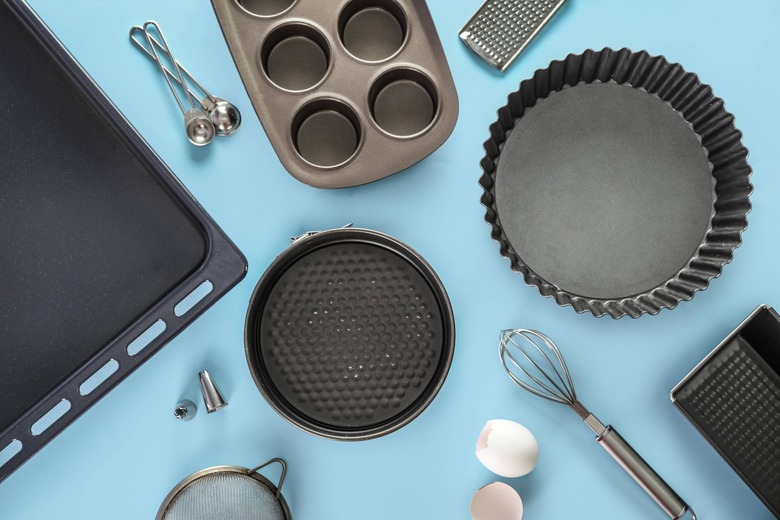
The magic behind non-stick cookware primarily lies in a coating known as polytetrafluoroethylene (PTFE), commonly recognized by the brand name Teflon. This material creates a slick surface that allows food to glide effortlessly off the pan. Other materials like anodized aluminum may also be used to enhance durability and heat distribution.
Interestingly, some non-stick pans use ceramic coatings, offering a more eco-friendly option. These ceramic surfaces are free from PTFE and offer a naturally non-stick experience. Consider what works best for your cooking style and environmental concerns when choosing your cookware.
History And Popularity
The story of non-stick cookware dates back to the 1930s, when PTFE was accidentally discovered by a chemist named Roy Plunkett. It wasn’t long before this slippery substance found its way into cookware, revolutionizing home cooking. By the 1960s, non-stick pans became a kitchen phenomenon, making cooking and cleaning a breeze for homemakers.
Today, the popularity of non-stick cookware persists due to its efficiency and ease of use. Imagine flipping pancakes without a spatula or scrubbing burnt-on food. This convenience keeps non-stick pans in high demand despite ongoing debates about their safety.
As you ponder over your next culinary tool, consider the history and materials of non-stick cookware. How do these factors influence your purchase decisions, and what do they mean for your health and cooking habits? The choice, like the coating on your pan, is in your hands.
Credit: www.bgr.com
Health Concerns
Health concerns surrounding non-stick cookware have sparked discussions among kitchen enthusiasts and health experts alike. You may love the convenience of easy-to-clean pans, but it’s essential to understand what might be lurking beneath the surface. Could your favorite frying pan be harboring hidden dangers?
Chemical Components
Non-stick cookware typically features coatings made from polytetrafluoroethylene (PTFE), commonly known as Teflon. While PTFE itself is considered stable, it can break down at high temperatures, releasing potentially harmful chemicals. Another concern is perfluorooctanoic acid (PFOA), a chemical previously used in the production of PTFE. Though most manufacturers have phased out PFOA, older cookware might still contain traces. Are you aware of what’s in your kitchen?
Potential Risks
Cooking at very high temperatures can cause PTFE coatings to degrade, releasing toxic fumes. These fumes have been associated with flu-like symptoms in humans, commonly referred to as “Teflon flu.” While not cancerous, it’s a discomfort you want to avoid. Consider how often you cook on high heat and whether your cookware could be exposing you to these risks. Is it time to rethink your kitchen habits for better health?
Research And Studies
Research explores the link between non-stick cookware and cancer risk. Certain chemicals in coatings may raise concerns. Understanding these potential hazards helps consumers make informed choices about kitchenware.
Research and Studies The debate surrounding non-stick cookware and its potential health risks, including cancer, has sparked numerous scientific investigations. Researchers have dived into understanding the materials used in these pans, particularly polytetrafluoroethylene (PTFE) and perfluorooctanoic acid (PFOA), and their effects on human health. The question remains: should you be worried about what’s in your kitchen?Scientific Findings
Recent studies have shown that the primary concern with non-stick cookware is the release of harmful chemicals at high temperatures. When cookware is overheated, PTFE coatings can break down, releasing toxic fumes that may cause flu-like symptoms in some individuals. Long-term exposure to PFOA, a chemical formerly used in the production of PTFE, has been linked to certain types of cancer in animal studies. However, it’s important to note that most manufacturers have phased out PFOA, reducing potential risks. A study by the Environmental Protection Agency (EPA) found that PFOA levels in humans have significantly decreased since its removal from cookware production.Expert Opinions
Experts in the field of toxicology suggest that non-stick cookware, when used correctly, poses minimal risk to health. Dr. Susan Smith, a well-known chemist, advises that using non-stick pans at lower temperatures and avoiding preheating them empty can prevent harmful chemical release. She emphasizes that the likelihood of exposure to dangerous fumes is considerably reduced with proper usage. Nutritionist Lisa Turner adds that while non-stick cookware offers convenience, diversifying your cookware collection can be beneficial. Using stainless steel or cast iron pans for certain dishes can eliminate any lingering concerns about chemical exposure. Have you ever wondered if your morning omelette could be cooked differently? With this information, you can make informed choices about the tools you use in your kitchen, ensuring both safety and satisfaction in your culinary adventures.
Credit: www.facebook.com
Safety Measures
Non-stick cookware is popular for its ease of use. But many worry about its safety. Concerns about chemicals like PTFE and PFOA exist. Understanding safety measures can help ease these concerns. By using cookware properly and considering alternatives, you can cook safely.
Proper Usage
Using non-stick cookware correctly can reduce health risks. Avoid using high heat with these pans. High heat can release harmful fumes. Stick to low or medium heat settings.
Always use wooden or silicone utensils. Metal utensils can scratch the non-stick surface. Scratches can lead to chemical release.
Check for damage regularly. If the surface is peeling, replace it. Damaged pans are not safe for use.
Handwash non-stick cookware with mild soap. Avoid abrasive pads. They can damage the coating.
Alternatives
Consider alternatives to non-stick cookware. Stainless steel is a durable option. It’s safe and easy to maintain.
Ceramic cookware offers a non-stick surface without harmful chemicals. It’s great for most cooking tasks.
Cast iron pans are another choice. They are long-lasting and improve with use.
Glass cookware is perfect for baking. It’s safe and easy to clean.
Exploring these options can provide peace of mind. Choose what’s best for your cooking needs.
Regulatory Actions
Concerns about non-stick cookware and cancer have led to regulatory actions. These actions aim to ensure safety for consumers using these products daily. Authorities closely monitor materials used in manufacturing. This vigilance helps protect public health.
Government Regulations
Governments worldwide have implemented strict regulations on non-stick cookware. These regulations focus on chemicals like PFOA and PTFE. Agencies such as the FDA and EPA in the U.S. oversee these materials. They set safety standards to limit harmful chemical exposure.
European countries have similar regulations. They ensure cookware meets safety criteria before hitting the shelves. Regular checks help maintain standards. Compliance is key for manufacturers.
Industry Standards
Industry standards complement government regulations. They provide guidelines for safe cookware production. Organizations like ASTM International develop these standards. They focus on material safety and durability.
Manufacturers follow these standards to ensure product quality. They conduct rigorous testing to meet safety requirements. This helps in maintaining consumer trust. Meeting industry standards is crucial for brand reputation.
Credit: timesofindia.indiatimes.com
Consumer Awareness
Consumer awareness about non-stick cookware is crucial. People often worry about health risks. Questions about cancer risks arise frequently. Understanding product labels can help. Making informed choices is vital for safety.
Label Reading
Labels provide essential product information. Check for PFOA-free labels. PFOA is a chemical used in some non-stick coatings. It’s linked to health risks. Also, look for PFAS information. These chemicals can be harmful too.
Reading labels ensures you know the materials used. Some cookware contains harmful substances. Being aware helps avoid these. Identify trusted brands with clear labels. Trustworthy brands usually offer safer options.
Informed Choices
Making informed choices protects your health. Research different cookware brands. Compare their safety standards. Some brands focus on eco-friendly materials. These options may be safer for your health.
Consider alternatives to non-stick cookware. Stainless steel and cast iron are popular choices. They offer durability without harmful chemicals. Weigh the pros and cons of each type. Choose what’s best for your cooking needs.
Frequently Asked Questions
Is Non-stick Cookware Safe For Daily Use?
Non-stick cookware is generally safe for daily use when used correctly. Avoid overheating to prevent harmful fumes. Most modern non-stick pans use PFOA-free coatings, reducing health risks. Regular maintenance and proper usage ensure safe cooking.
Can Teflon In Cookware Cause Cancer?
Teflon itself isn’t carcinogenic, but overheating can release toxic fumes. These fumes, not the Teflon, pose health risks. PFOA, previously used in Teflon production, was linked to cancer. Today, most cookware is PFOA-free, minimizing risks.
Are Ceramic Coatings Safer Than Teflon?
Ceramic coatings are considered safer than Teflon as they’re free from harmful chemicals like PFOA and PTFE. They can withstand higher temperatures, reducing fume risks. However, proper care is essential to maintain safety and longevity.
What Temperature Is Safe For Non-stick Pans?
Use non-stick pans below 500°F to prevent toxic fumes. High heat can degrade non-stick coatings, releasing harmful substances. Always follow manufacturer guidelines for optimal temperature usage to ensure safety and longevity of cookware.
Conclusion
Non-stick cookware remains popular for its convenience and ease of use. Concerns about health risks exist, but evidence is still evolving. Most studies find minimal risk with proper use. Avoid overheating pans to reduce potential hazards. Opt for cookware from reputable brands.
Regularly check for scratches and replace damaged pots. Balance safety with practicality in your kitchen. Stay informed on new research and updates. Make choices that suit your lifestyle and health priorities. Remember, moderation and mindful cooking can help maintain a healthy kitchen environment.