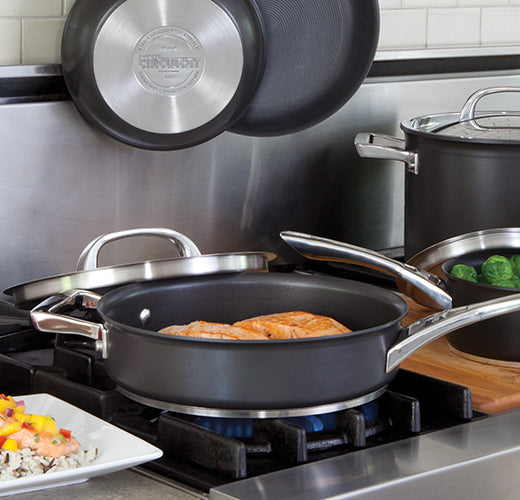
Picture this: you’re in your kitchen, ready to whip up a delicious meal. You reach for your favorite induction cookware, but then a question pops into your mind—can this sleek, modern cookware be used on your trusty gas stove?
It’s a common dilemma that many home cooks face. You want to make the best use of your kitchen tools, yet you’re unsure if mixing induction cookware with a gas stove is a recipe for success or disaster. You’re not alone in this culinary conundrum.
Understanding how your cookware interacts with different heat sources can transform your cooking experience. Whether you’re a seasoned chef or a home cook exploring new techniques, this knowledge can save you time, money, and even the hassle of unnecessary kitchen accidents. So, if you’re curious about the compatibility of your induction pots and pans with a gas stove, you’re in the right place. Let’s dive into the details and uncover the truth. Your kitchen adventures might just get a whole lot easier—and more exciting.

Credit: runningonsouler.net
Induction Cookware Basics
Induction cookware is compatible with gas stoves, offering versatility in kitchen setups. These pots and pans often have magnetic bases, ensuring efficient heat transfer on both induction and gas cooktops. Just ensure the cookware’s construction supports direct flame exposure to prevent damage.
Induction Cookware Basics Understanding the basics of induction cookware can shed light on its versatility and potential use across various cooking platforms. Induction cookware is primarily designed for induction cooktops, which use electromagnetic fields to heat the cookware directly. This technology has revolutionized the way many cook, offering efficiency and precision.How Induction Cookware Works
Induction cookware works through electromagnetic induction. Instead of heating the stove surface, induction cooktops generate a magnetic field that directly heats the cookware. This means the cookware itself becomes the heat source, leading to faster and more efficient cooking. The key to this process lies in the materials used in the cookware. A magnetic base is essential for the cookware to interact with the cooktop’s electromagnetic field. But what makes a pot or pan suitable for induction cooking?Materials Used In Induction Cookware
The primary material used in induction cookware is magnetic stainless steel or cast iron. These materials allow the magnetic field from the cooktop to induce current, generating heat. Some induction cookware also features a multi-layered base. This often includes an aluminum or copper core for enhanced heat distribution, sandwiched between layers of magnetic stainless steel. When shopping for cookware, look for the induction-compatible symbol—a series of loops or a coil—usually found on the base of the pots and pans. This ensures the cookware is designed to work seamlessly on an induction cooktop. Have you ever tried using your induction cookware on a gas stove? While it might seem unconventional, the robust construction of most induction cookware means it can handle the flame of a gas stove. However, it’s crucial to consider the long-term effects on the cookware’s surface and performance. Understanding these basics not only helps in selecting the right cookware but also in maximizing its utility across different cooking methods.
Credit: uk.style.yahoo.com
Gas Stove Compatibility
Induction cookware can be used on a gas stove. It is designed with durable materials to handle direct flame. Ensure the cookware base is flat for better heat distribution.
Gas stoves are common in many kitchens. They offer control over heat levels. But what happens if you have induction cookware? Can it work on a gas stove? Let’s explore the compatibility of induction cookware with gas stoves.Key Differences Between Induction And Gas Stoves
Induction stoves use electromagnetic fields. They heat pots directly. Gas stoves, on the other hand, use flames. They heat the air around the pot. This difference affects how cookware works. Induction cookware is designed for magnetic fields. Gas stoves don’t have this feature. This leads to changes in heating efficiency.Factors Affecting Compatibility
Material is a key factor. Induction cookware is often made of magnetic metals. These metals work well with induction stoves. They are usually heavier and sturdier. Gas stoves can use almost any cookware. The thickness of the cookware also matters. Thicker cookware can take longer to heat on gas stoves. Flat-bottomed pots are ideal for induction stoves. But they can be used on gas stoves too. It’s important to consider these factors. They determine if your cookware will work efficiently.Benefits Of Using Induction Cookware On Gas Stoves
Induction cookware can be used on gas stoves, offering even heat distribution and durability. Its sturdy construction withstands high temperatures, ensuring efficient cooking. This versatility makes it a practical choice for various cooking needs.
Induction cookware is not just for induction stoves. Many people are discovering the surprising benefits of using these pots and pans on gas stoves. You might be wondering why you should consider this. Let’s dive into the advantages that induction cookware can offer when used on a gas stove.Enhanced Cooking Performance
Induction cookware often features a flat, smooth bottom, ensuring even heat distribution. This means your food cooks more evenly, reducing the risk of hot spots and burning. Imagine sautéing vegetables or frying eggs to perfection every time. Cooking with precision becomes easier, allowing you to control the heat with accuracy. This is especially beneficial for dishes requiring delicate temperature management, like sauces or custards. Have you ever noticed how some meals taste better when cooked just right?Durability And Versatility
Induction cookware is built to last, often made from durable materials like stainless steel or cast iron. These materials withstand high temperatures and resist warping over time. You can rely on them for years, even with daily use. Versatility is another strong point. These pots and pans are compatible with all stove types, not just induction and gas. Whether you’re at home or in a friend’s kitchen, you’ll always be prepared to whip up a meal with the right tools. So, if you’re considering new cookware, why not think about induction options? They might just become your favorite kitchen companions, enhancing your culinary adventures.Potential Drawbacks
Using induction cookware on a gas stove may cause uneven heating. It can also lead to potential damage over time. Consider these factors to ensure safety and longevity.
Using induction cookware on a gas stove might seem like a simple swap, but it’s not without its challenges. While these pots and pans are known for their efficiency on induction cooktops, they might not perform the same on a gas stove. Before you make the switch, consider some potential drawbacks that could affect your cooking experience and the longevity of your cookware.Risk Of Damage
Induction cookware is designed with a flat, smooth bottom to ensure optimal contact with the induction cooktop. On a gas stove, the open flame can cause uneven heating, leading to warping or discoloration over time. Have you ever noticed how a pan doesn’t sit flat on the burner after frequent use? This can be a common issue, especially if the cookware isn’t thick enough to handle the fluctuating heat. Moreover, the external coating or finish on some induction pots can suffer from the direct flame. Scratches or burns can occur, diminishing the aesthetic appeal of your expensive cookware. Is it worth risking the sleek look of your cookware for a trial run on the gas stove?Efficiency Concerns
Induction cookware is celebrated for its rapid and energy-efficient cooking on induction cooktops. However, on a gas stove, you might not experience the same efficiency. The heat from a gas flame can dissipate around the sides of the pan, leading to longer cooking times and wasted energy. Have you ever found yourself waiting impatiently for water to boil? With induction cookware on a gas stove, you might need a bit more patience. This inefficiency can be frustrating, especially if you’re used to the quick response of an induction cooktop. Considering these factors, it’s clear that while induction cookware can be used on a gas stove, there are significant drawbacks to keep in mind.Tips For Safe Usage
Induction cookware can be safely used on a gas stove with caution. Ensure the cookware is compatible with gas heat. Use moderate flame to prevent damage and overheating.
Tips for Safe Usage Using induction cookware on a gas stove requires care. This ensures safety and longevity. Many people wonder about the compatibility. The truth is, these pots can be used safely. Follow simple guidelines for best results.Proper Handling Techniques
Handle induction cookware with care. Avoid dropping or banging it on surfaces. This prevents dents and scratches. Always lift pans instead of sliding them. Sliding can damage both the pan and the stove. Use heat-resistant gloves when handling hot cookware.Maintenance And Care
Regular cleaning keeps your cookware in good shape. Use mild soap and warm water for washing. Avoid abrasive cleaners that scratch surfaces. Dry pots thoroughly to prevent rust. Store them properly to avoid damage. Check for loose handles or lids. Tighten any loose parts regularly.Alternative Cookware Options
Induction cookware can be used on a gas stove, offering versatility in the kitchen. Its magnetic base ensures even heat distribution, making it a suitable choice for various cooking methods.
When faced with the dilemma of using induction cookware on a gas stove, you might wonder if there are alternative cookware options that can better suit your needs. While induction cookware offers sleek designs and efficiency, it’s not always the best fit for a gas stove. Exploring traditional and hybrid cookware options can provide practical solutions for your kitchen setup. Let’s dive into these choices to see what might work best for your culinary endeavors.Traditional Cookware Choices
Traditional cookware has been a staple in kitchens for decades. Cast iron and stainless steel are excellent options for gas stoves due to their durability and even heat distribution. Cast iron, in particular, can withstand high temperatures and retains heat well, making it perfect for slow-cooked meals. Stainless steel, on the other hand, is versatile and resistant to rust and stains. Its shiny surface is easy to clean, and it often comes with an aluminum or copper core to enhance its cooking performance. You might already have these in your kitchen, providing a seamless transition from induction to gas cooking.Hybrid Cookware Solutions
Hybrid cookware is designed to offer the best of both worlds, functioning well on induction and gas stoves. One example is cookware with a magnetic base, which is compatible with induction but also sturdy enough for open flames. Look for pieces with a thicker base to ensure even heat distribution on a gas stove. Another innovative solution is multi-layered cookware, which combines different metals to optimize cooking efficiency. These often come with non-stick coatings and ergonomic handles, enhancing your cooking experience. Investing in hybrid cookware can save you the hassle of switching between different types, offering flexibility without compromising quality. Are you willing to invest in new cookware, or do you prefer making the most of what you have? Exploring these alternative options could be the key to unlocking your kitchen’s full potential.
Credit: uk.style.yahoo.com
Frequently Asked Questions
Can Induction Cookware Be Used On Gas Stoves?
Yes, induction cookware can be used on gas stoves. Induction cookware is typically made of materials like stainless steel or cast iron. These materials are suitable for all stovetops, including gas. However, be cautious with nonstick coatings, which can get damaged by high flames.
Do Gas Stoves Damage Induction Cookware?
No, gas stoves do not damage induction cookware. Induction cookware is designed to withstand high temperatures. However, ensure that the cookware’s base is flat and evenly distributes heat. This prevents any potential warping or damage over time.
Is Induction Cookware Efficient On Gas Stoves?
Yes, induction cookware is efficient on gas stoves. The cookware’s construction ensures even heat distribution. This results in efficient cooking and energy usage. The cookware’s metal composition allows it to heat quickly on a gas stove.
What Materials Make Induction Cookware Suitable For Gas?
Induction cookware is often made of stainless steel or cast iron. These materials are durable and distribute heat evenly. They are suitable for both induction and gas stovetops. Their robust nature ensures they withstand the direct flame of gas stoves.
Conclusion
Induction cookware can serve well on gas stoves. Proper heat distribution ensures efficient cooking. Always check the cookware’s compatibility for best results. Choose stainless steel or cast iron for durability. These materials handle gas stove heat effectively. Avoid using non-compatible induction cookware.
It may not perform as expected. Gas stoves offer flexibility with varied cookware types. So, select wisely for optimal cooking experiences. Consider your cooking needs and budget. This leads to better kitchen choices. Enjoy experimenting with different cookware. Cooking becomes more enjoyable with the right tools.