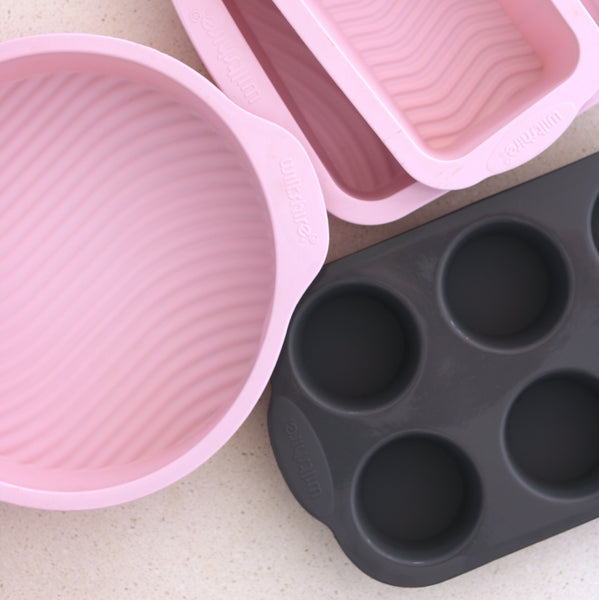
Picture this: you’re about to bake your favorite cake or a batch of cookies, but instead of reaching for the traditional metal or glass pans, you grab something different—sleek, colorful silicone bakeware. It’s flexible, non-stick, and promises to make baking a breeze.
But how do you use it effectively? You might be wondering if it truly delivers on its promises or if there are tricks you need to know before diving in. In this guide, you’ll discover the secrets of baking with silicone bakeware, ensuring your treats come out perfect every time.
Whether you’re a seasoned baker looking to try something new or a beginner just starting your baking journey, this article will unravel the mysteries of silicone bakeware, so you can bake with confidence and ease. Ready to transform your baking experience? Let’s get started!
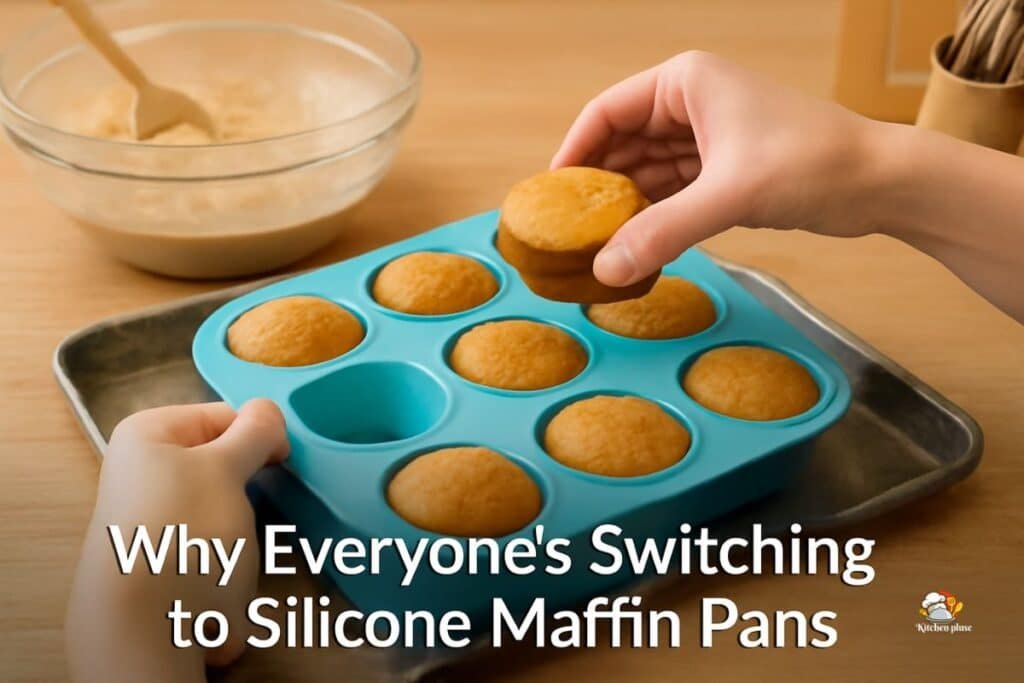
Credit: kitchenpluse.com
Benefits Of Silicone Bakeware
Silicone bakeware offers flexible, non-stick surfaces, making baking easier and cleaning up quicker. Its even heat distribution ensures consistent results without burnt edges. Plus, it’s lightweight and safe for the oven, microwave, and dishwasher, enhancing convenience in the kitchen.
Silicone bakeware has quickly become a favorite in many kitchens for its versatility and ease of use. If you haven’t yet explored this modern baking marvel, you might be missing out on a tool that can truly transform your baking experience. The benefits of silicone bakeware extend beyond its vibrant colors and flexible nature. Let’s dive into the unique advantages it offers and why you might consider making the switch.Lightweight And Easy To Handle
Silicone bakeware is surprisingly light, making it easy to manage, especially when transferring to and from the oven. This can be particularly beneficial if you’re preparing multiple dishes at once. You won’t need to worry about straining your wrists or dropping heavy pans.Non-stick Surface
Tired of cakes that cling stubbornly to the pan? Silicone’s non-stick properties can save you from this common baking frustration. Without the need for extra greasing, your baked goods release effortlessly. This means less mess and easier cleanup.Durable And Long-lasting
Investing in silicone bakeware means choosing a durable option that withstands frequent use. Its resistance to wear and tear ensures it remains a staple in your kitchen for years. Even after countless baking sessions, it maintains its shape and functionality.Temperature Resistant
Whether you’re baking at high temperatures or freezing treats, silicone can handle it all. It remains stable and safe from -40°F to 446°F (-40°C to 230°C), making it ideal for various culinary applications. Consider using it for everything from hot casseroles to frozen desserts.Flexible And Versatile
The flexibility of silicone bakeware allows for easy storage and maneuverability. Fold it, bend it, or tuck it away in a tight space without concern. This versatility makes it a practical choice for small kitchens or limited storage areas.Safe And Non-toxic
Concerned about harmful chemicals in your cookware? Silicone bakeware is made from food-grade materials, ensuring it’s safe for your family. It’s free from BPA, phthalates, and other harmful substances.Easy To Clean
Cleaning up after baking can be a breeze with silicone bakeware. Its non-stick nature means residue washes off easily, often requiring just a quick rinse. Many silicone bakeware items are also dishwasher safe, saving you even more time. Are you ready to embrace the benefits of silicone bakeware? With so many advantages, it might just become your new favorite kitchen companion. Why not give it a try and see how it can enhance your baking adventures?Choosing Quality Silicone Bakeware
Choosing quality silicone bakeware is important for successful baking. Silicone bakeware offers flexibility and easy cleaning. But not all silicone bakeware is the same. Quality matters for best results.
Understanding Silicone Material
Good silicone bakeware is made from high-quality food-grade silicone. It should be BPA-free for safety. Check for certifications that ensure it is safe for cooking.
Thickness And Durability
Thicker silicone holds its shape better. Thin silicone might bend or warp. Durable bakeware lasts longer and performs consistently.
Heat Resistance And Safety
Quality silicone can withstand high temperatures. It should be safe for oven use up to 450°F. Check the product label for temperature ratings.
Non-stick Properties
Good silicone bakeware has excellent non-stick properties. It should release baked goods easily. A smooth surface helps with easy cleaning.
Brand Reputation
Choose bakeware from reputable brands. Known brands often have better quality control. Read reviews to learn from other bakers’ experiences.
Price Vs. Quality
Expensive bakeware is not always better. Compare prices and features. Look for value and quality in your budget range.
Additional Features
Some bakeware comes with added features. Handles for easy gripping or reinforced edges are helpful. Consider features that enhance your baking experience.
Testing Before Use
Test your silicone bakeware with a simple recipe. Observe how it performs in the oven. This helps identify any issues early.
Maintenance And Care
Proper care extends the life of your bakeware. Avoid using sharp objects on silicone. Hand wash or use gentle dishwasher settings for cleaning.
Preparing Silicone Bakeware
Silicone bakeware is flexible and non-stick, making it easy to use. Lightly grease the surface before pouring in the batter. Preheat the oven and bake as usual, then cool completely before removing the baked goods.
Preparing Silicone Bakeware can be the difference between a baking disaster and a delightful culinary masterpiece. Silicone bakeware is loved for its flexibility and non-stick properties, but it requires a bit of care before diving into your recipe. A little prep work will ensure that your treats slide out effortlessly and your silicone lasts longer. Are you ready to unlock the secrets of perfect baking with silicone?Cleaning And Maintenance
Start with a clean slate. Silicone bakeware should be washed with warm soapy water before each use. This removes any residual oils or debris that could interfere with your baking. Rinse thoroughly and let it dry completely. If it’s your first time using a new piece of silicone, pop it in the oven empty for a few minutes to eliminate any lingering factory residue. Consider dedicating a soft sponge or cloth for cleaning your silicone bakeware. Harsh scrubbers can damage the surface, affecting its non-stick properties.Greasing Or Non-greasing
Silicone is known for its non-stick nature, but should you grease it? The answer often depends on the recipe. For naturally sticky foods like caramel or gooey brownies, a light coat of oil or butter can be beneficial. For airy cakes and muffins, you might skip the grease entirely. The beauty of silicone is its ability to release baked goods with ease. Experiment with greasing and non-greasing to see what works best for your favorite recipes. Has silicone bakeware ever surprised you with its versatility?Temperature Considerations
Silicone bakeware requires specific temperature adjustments for optimal results. Lower the oven temperature by 25°F compared to metal pans. Ensure even baking by placing silicone on a metal baking sheet.
Temperature plays a vital role in baking with silicone bakeware. Silicone has unique properties that affect heat distribution and safety. To achieve perfect results, understanding these aspects is crucial. Below, we delve into essential temperature considerations for baking with silicone.Heat Distribution
Silicone bakeware distributes heat more evenly than metal. It ensures your baked goods cook uniformly. Its flexible nature allows heat to circulate around the food. This results in a consistent bake without hot spots. Adjust your baking time slightly to accommodate this even heat spread. Checking your baked goods a few minutes early is a good practice. This prevents overbaking due to silicone’s effective heat retention.Oven Safety Tips
Using silicone bakeware safely in the oven is important. Silicone can withstand high temperatures, usually up to 450°F. Always confirm the manufacturer’s temperature limit. Place silicone molds on a sturdy baking sheet. This provides stability and prevents spills when transferring to the oven. Avoid direct contact with oven walls to prevent melting or damage. Keep your oven clean to maintain consistent heat distribution. Cleaning spills promptly helps retain oven efficiency.Baking Techniques
Silicone bakeware offers flexibility and easy cleanup in baking. Use a baking sheet underneath for stability. Grease lightly to prevent sticking, even with non-stick silicone.
Baking with silicone bakeware opens up a world of possibilities, allowing you to create a variety of delightful treats with ease. The flexible nature of silicone molds makes them perfect for both novice and experienced bakers. They’re non-stick, easy to clean, and versatile. Whether you’re making muffins or intricate cakes, there are a few techniques you can master to ensure your baked goods turn out perfectly every time.Using Silicone Molds
Silicone molds are a favorite among many bakers for their convenience and versatility. Start by lightly greasing your mold before adding the batter, especially if it’s your first time using it. This step ensures an easy release and a perfect shape. Place the silicone mold on a baking sheet to keep it stable during baking. This prevents any batter spills and makes it easier to transfer in and out of the oven. Temperature is key. Silicone bakeware heats up differently than metal. You might need to adjust the baking time slightly, so keep an eye on your treats. Use the toothpick test—insert it into the center of the baked good; if it comes out clean, it’s ready.Removing Baked Goods
One of the greatest advantages of silicone bakeware is how easily baked goods can be removed. Let your treats cool completely before attempting to remove them. This patience pays off, as it helps maintain the structure of your cake or muffins. Gently peel back the silicone mold from the edges, rather than trying to pop the baked good out. This ensures a perfect shape without any cracks or breaks. If you’re working with intricate designs, consider placing the mold in the freezer for a few minutes. This trick can make the removal process even smoother, preserving every detail of your creation. Silicone bakeware offers a hassle-free baking experience when used with the right techniques. What will you create next?
Credit: www.soupercubes.com
Cleaning Silicone Bakeware
Cleaning silicone bakeware is crucial for maintaining its quality and longevity. Silicone bakeware is known for its non-stick properties, but it can still retain stains and odors. Proper cleaning ensures your bakeware remains in top condition for all your baking needs.
Removing Stains
Stains can persist on silicone bakeware. To tackle them, use baking soda. Sprinkle baking soda on the stained areas. Let it sit for 15 minutes. Scrub gently with a soft brush. Rinse thoroughly with warm water. Repeat if necessary for stubborn stains.
Dishwasher Vs Hand Wash
Silicone bakeware is dishwasher safe. This makes it convenient for regular cleaning. Place it on the top rack for best results. Avoid using harsh detergents, they can damage the surface.
Hand washing is another effective method. Use mild soap and warm water. Wash with a soft sponge or cloth. Avoid abrasive scrubbers to prevent scratches. Rinse well and dry completely before storing.
Storage Tips
Discover the art of baking with silicone bakeware for easy release and even baking. Ensure thorough greasing for best results. Adjust baking time as silicone can affect heat distribution.
Storing silicone bakeware properly ensures its longevity and functionality. It’s essential for maintaining the quality of your baking tools. Proper storage keeps your kitchen organized and your bakeware ready for use. Let’s explore some effective storage tips for silicone bakeware.Cleaning Before Storage
Always clean bakeware thoroughly before storing. Use mild soap and warm water. Ensure it’s completely dry to prevent mold or odors.Stacking And Nesting
Silicone bakeware is flexible and easy to stack. Nest similar shapes together to save space. Be gentle to avoid bending or misshaping.Avoid Direct Sunlight
Store silicone bakeware away from direct sunlight. UV rays can weaken silicone over time. A cool, dark cabinet is ideal.Use Storage Bags Or Containers
Consider using storage bags for smaller items. Containers work well for larger pieces. This protects them from dust and damage.Hang Or Roll For Easy Access
Hang bakeware with hooks if possible. Rolling mats and liners saves space. This keeps them accessible and organized.- Clean bakeware thoroughly before storage.
- Stack and nest similar shapes carefully.
- Store away from direct sunlight.
- Use storage bags for smaller items.
- Consider hanging or rolling for easy access.
Common Mistakes To Avoid
Silicone bakeware requires proper preparation to prevent sticking. Avoid using sharp objects that can damage the surface. Overheating can lead to warping, so monitor oven temperatures carefully.
When baking with silicone bakeware, mistakes can affect your results. Knowing these common pitfalls can enhance your baking experience. Silicone bakeware offers convenience and flexibility. Yet, certain errors can lead to baking mishaps or dissatisfaction. Understanding these mistakes ensures perfect results every time.Improper Cleaning
Silicone bakeware demands gentle cleaning. Harsh scrubbing damages its surface. Use mild soap and warm water for best results. Avoid abrasive cleaners and pads. These can scratch and reduce non-stick properties.Not Adjusting Oven Temperature
Silicone material affects baking time and temperature. Traditional recipes may require adjustments. Lower oven temperature by 5-10 degrees. Monitor closely for optimal baking.Ignoring Greasing Instructions
Some recipes require greasing, even with silicone. Always check instructions before baking. Greasing ensures easy release and avoids sticking. Lightly coat with oil or butter if needed.Overfilling The Mold
Silicone molds expand when heated. Overfilled molds can lead to spills. Fill molds two-thirds full for safe baking. This prevents mess and ensures even cooking.Using Sharp Utensils
Sharp objects harm silicone surfaces. Avoid knives or metal tools. Use plastic or wooden utensils for safe handling. Protect your bakeware from cuts and scratches.Ignoring Cooling Time
Silicone retains heat post-baking. Allow sufficient cooling before handling. This prevents burns and ensures structural integrity. Cooling time varies; follow recipe guidelines.Using Direct Heat Sources
Avoid direct heat like stovetops. Silicone is not suitable for open flame use. Always stick to oven or microwave settings. Direct heat can warp or damage the material.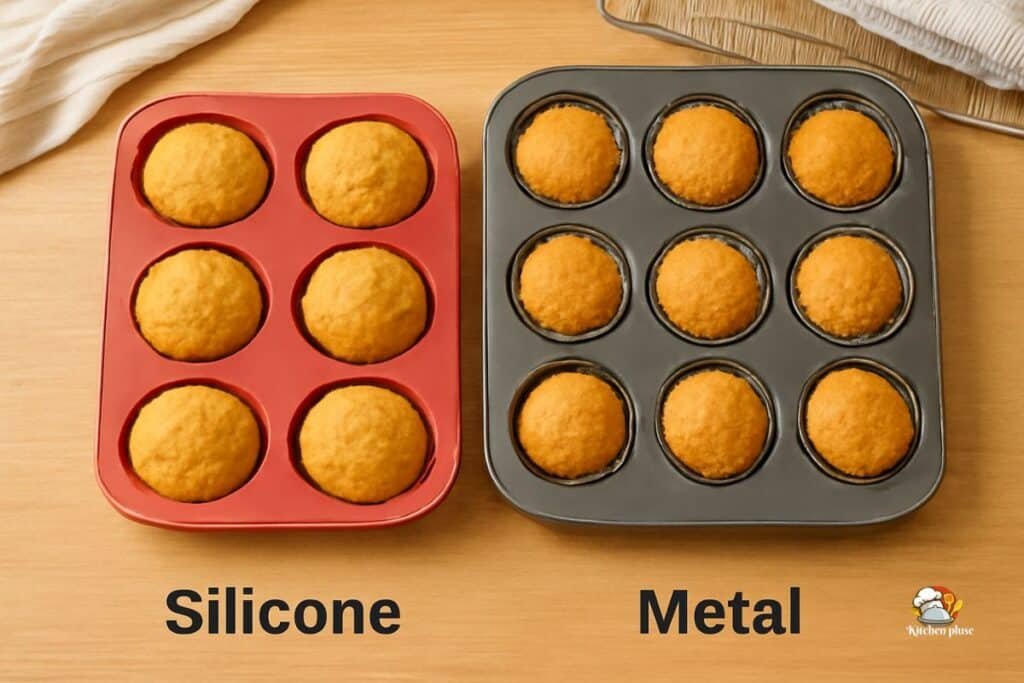
Credit: kitchenpluse.com
Frequently Asked Questions
What Are The Benefits Of Silicone Bakeware?
Silicone bakeware is non-stick, flexible, and easy to clean. It distributes heat evenly, ensuring consistent baking results. Additionally, it’s lightweight and can withstand high temperatures, making it versatile for various baking needs. Its durability means it won’t rust or stain, offering long-term use.
How To Clean Silicone Bakeware Effectively?
To clean silicone bakeware, use warm soapy water and a soft sponge. Avoid using abrasive cleaners or scouring pads. For stubborn residues, soak in warm water before washing. Dishwasher-safe silicone bakeware can be placed on the top rack. Ensure it’s completely dry before storage.
Can Silicone Bakeware Go In The Oven?
Yes, silicone bakeware is oven-safe and can withstand high temperatures, typically up to 428°F (220°C). Always check the manufacturer’s guidelines for specific temperature limits. Place silicone bakeware on a baking sheet for stability. Avoid direct contact with open flames or heating elements.
Is Silicone Bakeware Safe For Health?
Silicone bakeware is safe for health when used within recommended temperature limits. It is made from food-grade materials, free from harmful chemicals like BPA. It doesn’t react with food or release toxins, ensuring safe cooking. Always purchase high-quality silicone products from reputable brands.
Conclusion
Silicone bakeware makes baking simple and fun. Its flexible design helps with easy removal of baked goods. No more stuck cakes or muffins. Cleaning is a breeze too. Just warm water and soap do the trick. You can try various recipes without worry.
The heat distributes evenly, ensuring perfect results. Experiment with different shapes and sizes. Enjoy baking with ease and confidence. Your kitchen will thank you. Remember, practice makes perfect. Happy baking and enjoy your delicious creations!