Have you ever wondered about the safety of your cookware? Ceramic cookware has become increasingly popular for its sleek design and non-toxic reputation.
But how safe is it really? When it comes to preparing meals for your loved ones, you want to ensure that every choice, down to the pots and pans you use, is the best one. Imagine cooking without the fear of harmful chemicals leaching into your food, knowing that you’re making a healthy choice.
This article will uncover the truth about ceramic cookware, diving into what makes it a favored choice for many households and whether it truly lives up to its safety claims. Stay with us as we explore the facts, so you can cook with confidence and peace of mind.
Ceramic Cookware Basics
Ceramic cookware has gained popularity in kitchens worldwide, celebrated for its non-stick properties and stylish designs. But what exactly makes ceramic cookware so appealing, and is it really safe for everyday cooking? Understanding the basics of ceramic cookware can help you make informed decisions for your kitchen.
Composition And Materials
Ceramic cookware is typically made from clay that is hardened by heat. The process involves shaping the clay into desired cookware forms and then baking it at high temperatures. This firing process gives ceramic cookware its durability and heat-resistant qualities.
Unlike traditional non-stick cookware, ceramic options often have a mineral-based coating. This coating is free from harmful chemicals like PFOA and PTFE, providing a healthier cooking surface. Knowing what’s in your cookware can help you feel more confident about what you serve your family.
Types Of Ceramic Cookware
There are various types of ceramic cookware available, each with its own unique features. Fully ceramic cookware is made entirely of clay and offers excellent heat retention, making it ideal for slow cooking. On the other hand, ceramic-coated cookware has a metal core with a ceramic coating, offering quicker heat distribution.
If you enjoy colorful kitchenware, you’ll find ceramic cookware in a variety of vibrant colors and designs. Some sets even come with matching lids and accessories. Which type suits your cooking style best?
Whether you’re a novice cook or a seasoned chef, understanding the basics of ceramic cookware can enhance your culinary experience. Consider the composition and types that fit your needs, and enjoy healthier, safer cooking every day.
Safety Concerns
Ceramic cookware has gained popularity for its non-stick properties and aesthetic appeal. But safety concerns arise, especially regarding the materials used. Understanding these concerns helps make informed choices for healthier cooking.
Lead And Cadmium Risks
Some ceramic cookware contains lead and cadmium. These materials can be harmful when ingested. Manufacturers often use these metals to enhance colors and durability. High temperatures can cause these substances to leach into food. This poses a serious health risk, particularly with older or lower-quality cookware. Always check labels for safety certifications. Choose products from reputable brands that comply with international safety standards.
Non-toxic Claims
Many ceramic cookware brands claim their products are non-toxic. Non-toxic cookware should be free from harmful chemicals like PTFE and PFOA. These chemicals are often found in traditional non-stick pans. It’s vital to verify these claims through third-party certifications. Not all claims are backed by scientific evidence. Research the brand’s history and customer reviews. Look for certifications from trusted organizations like FDA or NSF.
Performance In Cooking
When choosing cookware, performance in cooking is crucial. Ceramic cookware stands out for its impressive features. It offers many benefits that enhance the cooking experience. Let’s explore some key aspects that make ceramic cookware a great choice.
Heat Distribution
Ceramic cookware excels in heat distribution. It spreads heat evenly across the surface. This ensures food cooks uniformly, avoiding hot spots. Even heat distribution helps maintain consistent cooking temperatures. This feature is ideal for dishes that require precision.
Durability And Longevity
Ceramic cookware is known for its durability. It withstands everyday use without wearing out quickly. The material resists scratches and maintains its smooth surface over time. Proper care extends its lifespan, making it a reliable kitchen companion. Investing in ceramic cookware means lasting value.

Credit: www.facebook.com
Comparing With Other Cookware
Ceramic cookware has gained popularity for its non-stick surface and safety. But how does it stack up against other cookware materials? Let’s explore the differences between ceramic and other popular options like Teflon and stainless steel.
Ceramic Vs. Teflon
Ceramic cookware offers a natural non-stick surface without chemicals. Teflon, on the other hand, uses a synthetic coating. This coating can release harmful fumes at high temperatures. Ceramic is heat-resistant and can withstand high cooking temperatures. Teflon is more susceptible to scratching and damage over time. Ceramic is eco-friendly, often made from natural materials. Teflon coatings are not biodegradable, impacting the environment. Both are easy to clean, but ceramic provides a safer cooking experience.
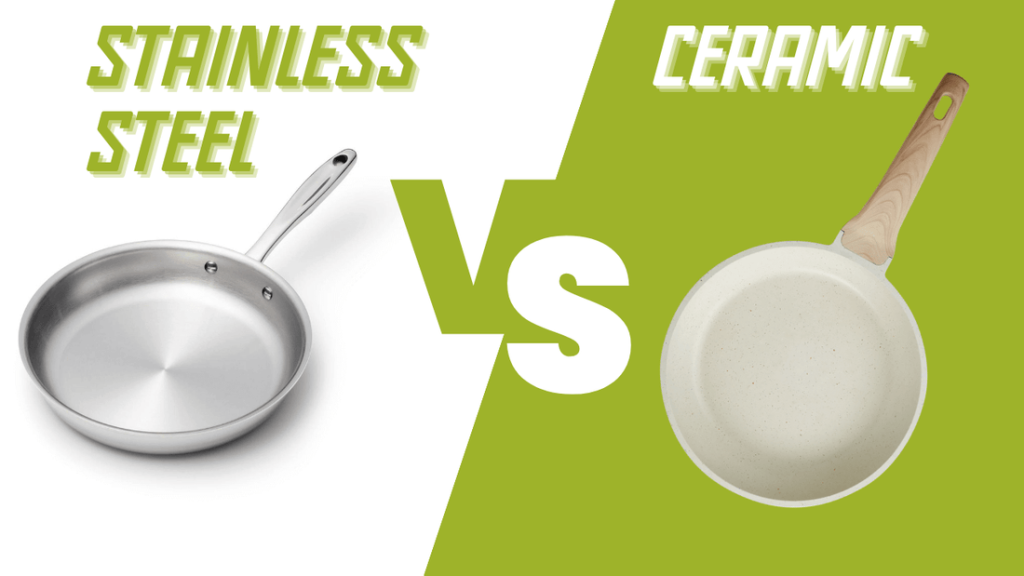
Ceramic Vs. Stainless Steel
Stainless steel cookware is known for its durability and heat conductivity. It does not have a non-stick surface like ceramic. This makes it better for browning and searing meats. Ceramic’s non-stick surface requires less oil or butter. Stainless steel is more resistant to scratches and dents. It can last a lifetime with proper care. Ceramic is lighter and easier to handle. Stainless steel often requires more cleaning effort due to food sticking. Each has its strengths, depending on your cooking needs.
Maintenance And Care
Ceramic cookware is generally safe for cooking due to its non-toxic coating. Proper maintenance extends its lifespan, ensuring food safety. Regularly check for chips or cracks to prevent contaminants from entering food.
Maintaining and caring for your ceramic cookware is essential to ensure its longevity and performance in the kitchen. Imagine pulling out a pan to whip up a meal, only to find it chipped or stained. Proper maintenance not only keeps your cookware looking pristine but also enhances your cooking experience. Let’s dive into some practical tips on cleaning and storing your ceramic cookware.Cleaning Tips
Ceramic cookware is relatively easy to clean, but it requires a gentle touch. Avoid using abrasive cleaners or scouring pads that can scratch the surface. Instead, opt for a soft sponge or cloth with mild dish soap. If food residue is stubborn, soak the cookware in warm water for a few minutes before gently scrubbing. Did you know that baking soda mixed with water can be a great natural cleaner? It’s safe for ceramic surfaces and effective at removing stains.Proper Storage
Storing ceramic cookware properly can prevent chips and scratches. Stack pans carefully, using a soft cloth or paper towel between them to avoid contact. If you hang your cookware, ensure hooks are padded to prevent chipping. Consider dedicating a separate shelf or section in your kitchen for ceramic items, reducing the risk of accidents with other heavy cookware. How do you store your cookware? This might be the time to rethink your kitchen organization for better care.Consumer Reviews
Curious about ceramic cookware safety? Many consumers praise its non-stick surface and chemical-free composition. Reviews often highlight its heat resistance and durability, providing peace of mind in everyday cooking.
Consumer reviews of ceramic cookware provide valuable insights. These reviews come from real-life users. They share honest opinions and experiences. This feedback can help you make an informed decision. Let’s explore what consumers are saying.Pros And Cons
Ceramic cookware has its share of pros and cons. Many consumers appreciate its non-stick surface. It’s easy to clean and requires less oil. This makes it a healthier choice. Users also praise its even heat distribution. However, some mention its fragility. It can chip or crack if dropped. Others note its higher price compared to other options.Personal Experiences
Reading personal experiences can be enlightening. One user shared their ceramic pan lasted for years. They loved its performance and look. Another user mentioned a quick scratch after using metal utensils. They advised caution with sharp tools. A family noted their ceramic set was perfect for everyday cooking. They found it easy to maintain and safe for their kids.Choosing The Right Ceramic Cookware
Ceramic cookware offers a safe cooking option with a non-toxic coating. It resists high temperatures without releasing harmful chemicals. Choose high-quality ceramic to ensure durability and safety in your kitchen.
Choosing the right ceramic cookware can enhance your cooking experience. Ceramic cookware is popular for its non-stick surface and stylish designs. It’s important to select pieces that suit your needs and safety concerns. Understanding key factors helps make an informed decision.Factors To Consider
When selecting ceramic cookware, consider the material quality. Opt for high-quality ceramics that ensure durability. Check for lead and cadmium-free options for safety. Consider the cookware’s heat resistance and how evenly it distributes heat. Look for ergonomic designs that offer comfortable handling. Confirm the compatibility with your stove type, whether gas, electric, or induction. Choose pieces that are easy to clean and maintain.Best Brands In The Market
Several brands offer reliable ceramic cookware. GreenPan is known for its eco-friendly and non-toxic products. Caraway provides stylish designs and high performance. Scanpan offers durable options with excellent heat distribution. T-fal is popular for its affordability and ease of use. Always research customer reviews for real experiences. Brands with certifications for safety standards are preferable.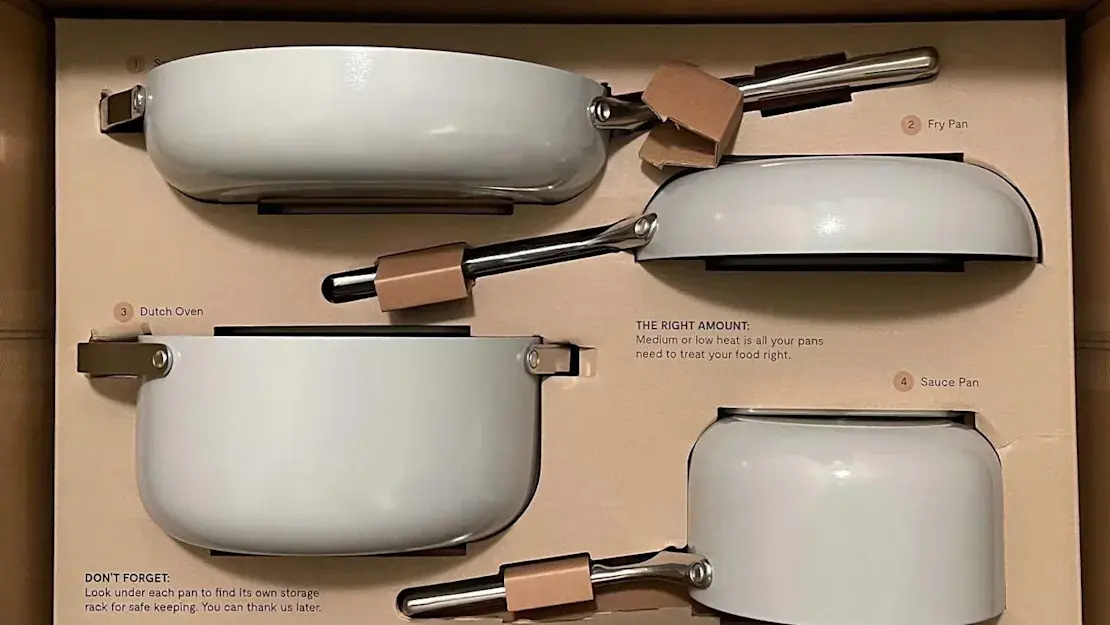
Credit: www.carawayhome.com

Credit: www.amazon.com
Frequently Asked Questions
Is Ceramic Cookware Safe For Daily Use?
Ceramic cookware is generally safe for daily use. It is non-toxic and free from harmful chemicals like PFOA and PTFE. Always ensure it is free from chips or cracks, as damaged surfaces can affect safety. Proper care and maintenance enhance its longevity and safety.
Does Ceramic Cookware Release Toxic Fumes?
No, ceramic cookware does not release toxic fumes. Unlike some non-stick coatings, ceramic is free from harmful chemicals. It withstands high temperatures without emitting dangerous gases. This makes it a safer choice for health-conscious individuals seeking eco-friendly cookware options.
Can Ceramic Cookware Withstand High Heat?
Ceramic cookware can withstand moderate to high heat. It is ideal for most cooking methods, but avoid extreme temperatures. Sudden temperature changes can cause cracking. Always follow the manufacturer’s guidelines for optimal performance and safety. This ensures your ceramic cookware remains in good condition.
How Do You Maintain Ceramic Cookware?
Maintain ceramic cookware by using non-abrasive utensils and gentle cleaning methods. Avoid metal utensils that can scratch surfaces. Hand wash with mild detergent and a soft sponge. Avoid stacking to prevent chipping. Proper care extends the life of your ceramic cookware, keeping it safe and efficient.
Conclusion
Ceramic cookware offers a safe cooking choice. It is free from harmful chemicals. This makes it ideal for health-conscious cooks. Easy cleaning adds to its appeal. Ceramic coatings resist scratching and staining. This keeps them looking new. They heat evenly, ensuring well-cooked meals.
Lightweight designs make them easy to handle. Various styles suit any kitchen decor. With proper care, ceramic cookware lasts long. Avoid high heat to protect the surface. These factors contribute to its popularity in kitchens. Always check product labels for safety standards.
Make informed decisions for your kitchen needs. Your health matters. Choose wisely.