Are you curious about the safety of hard anodized cookware in your kitchen? You’re not alone.
With so many options available, choosing the right cookware can feel overwhelming. You want to make sure you’re investing in something that not only cooks well but is also safe for you and your family. Hard anodized cookware promises durability, non-stick convenience, and even heat distribution, but is it safe for everyday use?
We’ll uncover the facts, dispel myths, and give you the confidence to make an informed decision. Stay with us to find out if hard anodized cookware is the right choice for you.
Credit: www.debuyer-usa.com
Hard Anodized Cookware Basics
Hard anodized cookware has become a popular choice in many kitchens. People appreciate its durability and non-stick properties. Understanding its basics helps in making informed decisions.
Definition And Process
Hard anodized cookware results from an electrochemical process. This process hardens aluminum, making it non-reactive and durable. The anodization process creates a thick, protective layer. This layer is much stronger than regular aluminum.
This hardened surface resists scratches and corrosion. It also offers a naturally non-stick finish. The cookware is safe for cooking acidic foods, thanks to this protective layer. The process ensures even heat distribution, enhancing cooking efficiency.
Material Composition
Hard anodized cookware primarily uses aluminum. This metal is lightweight and conducts heat well. The anodization process strengthens the aluminum, making it more resilient.
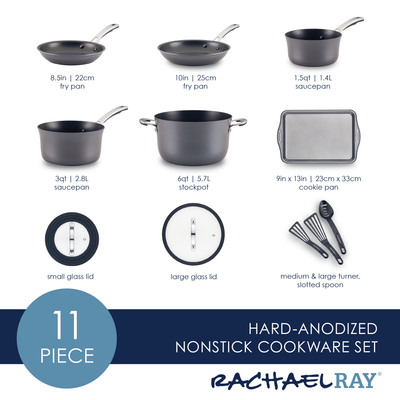
Some cookware includes stainless steel handles or bases. These additions provide added strength and durability. The cookware often has a non-stick coating, free from harmful chemicals. This ensures safe and healthy cooking.
Credit: rachaelray.com
Safety Features
Hard anodized cookware offers great safety with its non-toxic, non-stick surface. It resists scratches and heats evenly. Ideal for worry-free cooking.
Safety features are paramount when choosing cookware, especially for those who prioritize health and well-being. Hard anodized cookware shines in this aspect, offering several advantages that ensure your cooking experience is safe and enjoyable. Let’s delve into two key safety features that make hard anodized cookware a worthy kitchen companion.Non-toxic Coating
Hard anodized cookware is known for its non-toxic coating, which is free from harmful chemicals like PFOA and PTFE. This means that even at high temperatures, you don’t have to worry about toxic fumes being released into your kitchen. Imagine cooking a hearty meal for your loved ones with peace of mind, knowing that every bite is safe. Plus, the non-stick nature of this coating means less oil is required, promoting healthier eating habits effortlessly.Heat Resistance
Another outstanding feature of hard anodized cookware is its impressive heat resistance. These pots and pans can handle high temperatures without warping or degrading, making them perfect for searing meat or simmering soups. Have you ever experienced the frustration of a warped pan ruining a dish? With hard anodized cookware, consistent heat distribution ensures your meals are cooked evenly every time. It’s a small investment that pays off in culinary precision. Consider this: how often do you find yourself adjusting your cooking methods to accommodate subpar cookware? With hard anodized options, you can trust that your tools will rise to the occasion, no matter the recipe’s demands.Potential Risks
Hard anodized cookware is popular in kitchens everywhere. People love its durability and sleek appearance. Yet, some worry about its safety. Let’s explore the potential risks associated with hard anodized cookware.
Chemical Leaching Concerns
Hard anodized cookware has a non-reactive surface. This reduces the risk of leaching chemicals into food. The anodizing process creates a strong, protective layer. It prevents the aluminum from contacting your meals. But, if the surface gets damaged, risks may arise. Damaged cookware might expose food to aluminum. Experts advise inspecting your cookware regularly. Look for any signs of wear or damage.
Scratching And Wear
The outer layer of hard anodized cookware is tough. It resists scratches and daily wear. Yet, using metal utensils can harm this surface. Scratches can weaken the protective coating. This might lead to exposure to the aluminum underneath. To avoid this, use wooden or silicone utensils. These materials are gentler on the cookware’s surface. Regularly check for scratches to ensure safety.
Comparing Cookware Types
Hard anodized cookware is safe for everyday cooking. The anodizing process makes the surface durable and non-reactive. It offers a good balance between performance and safety.
Comparing cookware types can help you choose the right option for your kitchen. Different materials offer unique benefits and potential drawbacks. Let’s explore how hard anodized cookware stands against other popular types.Aluminum Vs. Hard Anodized
Aluminum cookware is lightweight and heats up quickly. It’s popular for its affordability and even heat distribution. Yet, it may react with acidic foods, affecting taste and health. Hard anodized cookware is aluminum that undergoes an electrochemical process. This process makes it more durable and resistant to scratches and corrosion. It also eliminates the reactivity problem, making it safer for cooking.Non-stick Vs. Hard Anodized
Non-stick cookware is favored for its ease of cleaning and cooking. It allows food to slide off effortlessly. Yet, the coating can wear off over time, raising health concerns. Hard anodized cookware often features a non-stick surface too. It combines the benefits of non-stick with added durability. The anodized layer provides a longer lifespan for the non-stick surface.Maintenance Tips
Hard anodized cookware is generally safe and durable for everyday cooking. Ensure longevity by hand washing with mild soap and avoiding metal utensils. Regular maintenance keeps it in top condition.
Maintaining hard anodized cookware ensures its longevity and performance. Proper care keeps your pots and pans looking new and functioning well. Learn how to clean and store them correctly.Cleaning Techniques
Regular cleaning prevents buildup and maintains quality. Hand wash cookware using mild dish soap and warm water. Avoid harsh scrubbers that can scratch the surface. A soft sponge works best for cleaning. Rinse thoroughly to remove soap residue. For stubborn stains, soak the cookware in warm, soapy water. Use baking soda paste for tough spots. Apply paste, let it sit for a few minutes, then scrub gently. Avoid using metal utensils that can damage the surface.Storage Advice
Proper storage keeps cookware in good condition. Stack pots and pans with care to prevent scratches. Use pan protectors or cloth between stacked items. This prevents direct contact and potential damage. Store lids separately or place them upside down on pots. This saves space and protects glass lids from breaking. Ensure cookware is dry before storing to prevent moisture buildup. Moisture can lead to rust or damage over time.Consumer Reviews
Consumer reviews are a powerful tool that can help you make informed decisions about purchasing hard anodized cookware. They reveal real-life experiences, highlighting the pros and cons that manufacturers might not mention. These insights can be invaluable, offering a glimpse into how these pots and pans perform in everyday kitchens. But what do users actually say about their hard anodized cookware?
User Feedback
Many users rave about the durability of hard anodized cookware. They appreciate how it withstands years of use without showing signs of wear. One user mentioned that their set still looks new after five years of daily cooking.
However, some consumers have raised concerns about the non-stick coating. A few reviews noted that over time, the non-stick surface began to deteriorate. Yet, they still praise its initial performance, often equating it to professional-grade cookware.
What about cleaning? Most users find hard anodized cookware easy to clean, with food residues sliding off effortlessly. But remember, using abrasive cleaners can damage the surface, so caution is advised.
Expert Opinions
Experts often echo the sentiments found in user reviews, highlighting the robustness of hard anodized cookware. They appreciate its resistance to scratches and even heat distribution, which helps in achieving consistent cooking results.
On the flip side, some experts warn about potential safety concerns. They emphasize ensuring the cookware is PFOA-free, as some cheaper options might not adhere to this standard. This is crucial for maintaining a safe cooking environment.
Experts also stress the importance of proper maintenance. They suggest avoiding metal utensils to preserve the non-stick layer and extending the cookware’s lifespan. This advice aligns closely with user feedback, reinforcing the importance of care in maximizing value.
Overall, both consumers and experts provide valuable insights into the safety and effectiveness of hard anodized cookware. Do these align with your kitchen experiences, or do they challenge your expectations?
Making An Informed Choice
Choosing cookware can be tricky. Safety is a big concern. Hard anodized cookware is popular. It promises durability and performance. Knowing its pros and cons helps in making an informed choice. Understanding its usage can enhance cooking experiences. Let’s dive into the details.
Pros And Cons
Hard anodized cookware offers several benefits:
- Durability:It’s tough and scratch-resistant.
- Heat Distribution:Even cooking with fewer hotspots.
- Non-Stick Surface:Easy to clean, less oil needed.
Yet, there are some drawbacks:
- Price:Generally more expensive than standard cookware.
- Weight:Heavier, may be tough to handle.
- Compatibility:Not always suitable for induction cooktops.
Best Practices For Use
Using hard anodized cookware correctly enhances its lifespan.
- Use Low to Medium Heat:Prevents damage to the surface.
- Avoid Metal Utensils:Use wood or silicone to prevent scratches.
- Hand Wash:Preserve the coating by avoiding dishwashers.
- Preheat Gently:Gradually warm to avoid warping.
Following these practices ensures safety and efficiency. Enjoy cooking with reliable tools.

Credit: www.amazon.ca
Frequently Asked Questions
Is Hard Anodized Cookware Safe For Health?
Yes, hard anodized cookware is generally safe for health. It is made using an electrochemical process that hardens aluminum, making it non-reactive. This prevents harmful substances from leaching into food, providing a safe cooking surface. Always follow manufacturer guidelines for optimal use.
Does Hard Anodized Cookware Contain Harmful Chemicals?
No, hard anodized cookware does not contain harmful chemicals. The anodizing process seals the aluminum surface, making it non-reactive. This means it doesn’t leach any chemicals into food, ensuring safe cooking. However, avoid using metal utensils to preserve the coating.
Can Hard Anodized Cookware Be Used On High Heat?
Yes, hard anodized cookware can withstand high heat. Its durable construction allows even heat distribution, making it suitable for various cooking styles. However, avoid overheating to maintain its non-stick surface and longevity. Always follow the manufacturer’s heat recommendations for best results.
Is Hard Anodized Cookware Easy To Clean?
Yes, hard anodized cookware is easy to clean. Its non-stick surface prevents food from sticking, making cleaning straightforward. Use mild detergent and a soft sponge to maintain its coating. Avoid harsh cleaning tools to preserve its surface integrity and longevity.
Conclusion
Choosing hard anodized cookware can be a smart decision. It offers durability and even heating. Safe when used properly, it suits most kitchens. Avoid using metal utensils to prevent scratches. Opt for gentle cleaning methods to maintain its quality. Always check for any signs of wear or damage.
This ensures your cookware remains safe and effective. Remember, quality cookware enhances your cooking experience. So, make informed choices and enjoy your meals. With care, hard anodized cookware can serve you well for years. Happy cooking!