Are you wondering if enamel cookware is a safe option for your kitchen? You’re not alone.
With so many choices out there, picking the right cookware can feel overwhelming. Enamel pots and pans, known for their vibrant colors and sleek designs, are a popular choice. But is this type of cookware safe for you and your family?
Your health and safety are top priorities, and choosing the right cookware is a crucial step. We’ll dive into the details of enamel cookware, exploring its benefits and potential risks. So, before you make your next cookware purchase, read on to discover whether enamel cookware is the right choice for your home.

Credit: www.facebook.com
Enamel Cookware Basics
Enamel cookware is a popular choice in many kitchens. It is known for its vibrant colors and durability. But what exactly makes enamel cookware so appealing? Understanding the basics can help you decide if it’s right for you. In this section, we’ll explore what enamel cookware is and the materials involved in its creation.
What Is Enamel Cookware?
Enamel cookware is made by fusing glass to metal. The glass coating is applied through intense heat. This process creates a smooth, non-porous surface. Enamelware often features bright, glossy colors. It is resistant to rust and stains, making it ideal for cooking. The non-reactive surface ensures no unwanted flavors in your food.
Materials And Composition
The core of enamel cookware is usually metal. Common metals include cast iron, steel, and aluminum. The metal core provides strength and heat distribution. The enamel layer is a type of glass. This layer is applied as a liquid and hardened through baking. The result is a durable, protective surface. Enamel coating is free from harmful chemicals, ensuring safe cooking. This makes it a top choice for health-conscious cooks.

Credit: www.youtube.com
Safety Concerns
Enamel cookware is often praised for its vibrant colors and durability, making it a popular choice for many kitchens. However, you might find yourself wondering: is it really safe to use? Understanding the safety concerns associated with enamel cookware can help you make informed decisions about what you bring into your kitchen.
Potential Health Risks
One of the primary concerns with enamel cookware is the risk of chipping. When the enamel coating chips away, it can expose the metal underneath, potentially leading to rust or other reactions that might not be safe for your food. Imagine stirring a sauce and finding tiny enamel flakes floating around—it’s not the most appetizing thought, right?
Additionally, some older enamel cookware might not have been manufactured with the same safety standards as today’s products. This could mean that your vintage finds might carry hidden risks that newer cookware doesn’t. Are those beautiful, retro pieces worth a potential health scare?
Lead And Cadmium Issues
Lead and cadmium are two heavy metals that have raised alarms in the cookware world, and enamel pieces are no exception. These metals can leach into food, especially when the cookware is damaged or used at high temperatures. You might be surprised to learn that not all enamel cookware is created equal—some manufacturers have stricter regulations than others.
- Check if the manufacturer provides information about lead and cadmium content.
- Look for certifications or labels that ensure the cookware is free from harmful substances.
It’s crucial to do your research and choose enamel cookware from reputable brands that prioritize safety. Wouldn’t you rather enjoy your meals knowing they’re prepared in cookware that’s safe for your health?
Cooking Advantages
Enamel cookware offers a safe, durable cooking option. Its non-reactive surface ensures food flavors remain pure. Suitable for all heat sources, it distributes heat evenly, enhancing cooking efficiency.
Cooking with enamel cookware offers numerous benefits. It brings both efficiency and reliability to your kitchen. Its vibrant, glossy finish not only adds aesthetic appeal but also presents practical advantages. Let’s explore how enamel cookware can enhance your cooking experience.Heat Distribution
Enamel cookware ensures even heat distribution. Food cooks uniformly, reducing the risk of hot spots. This feature helps maintain consistent cooking temperatures. It minimizes the chances of burning or undercooking meals. You can trust that your dishes will be cooked to perfection.Durability And Longevity
Enamel cookware is built to last. Its sturdy construction withstands daily use without wear. The enamel coating resists scratches and stains. This ensures the cookware remains in good condition for years. Investing in enamel cookware is a wise choice for long-term kitchen use.Proper Usage Tips
When using enamel cookware, ensuring its longevity and safety relies heavily on proper usage. Whether you are a seasoned cook or a beginner in the kitchen, understanding how to use and care for your enamel cookware can make a significant difference. Here are some practical tips to help you maintain your enamel cookware in pristine condition.
Avoiding Damage
Enamel cookware is durable but not indestructible. Avoid sudden temperature changes, such as moving a hot pot straight into cold water, which can lead to cracking. Always use low to medium heat settings to prevent the enamel from deteriorating over time.
Using silicone or wooden utensils is crucial to avoid scratching the enamel surface. Metal utensils can leave marks, making the cookware less effective over time. Imagine the disappointment of scratching your favorite pot just because of using the wrong spatula!
Cleaning And Maintenance
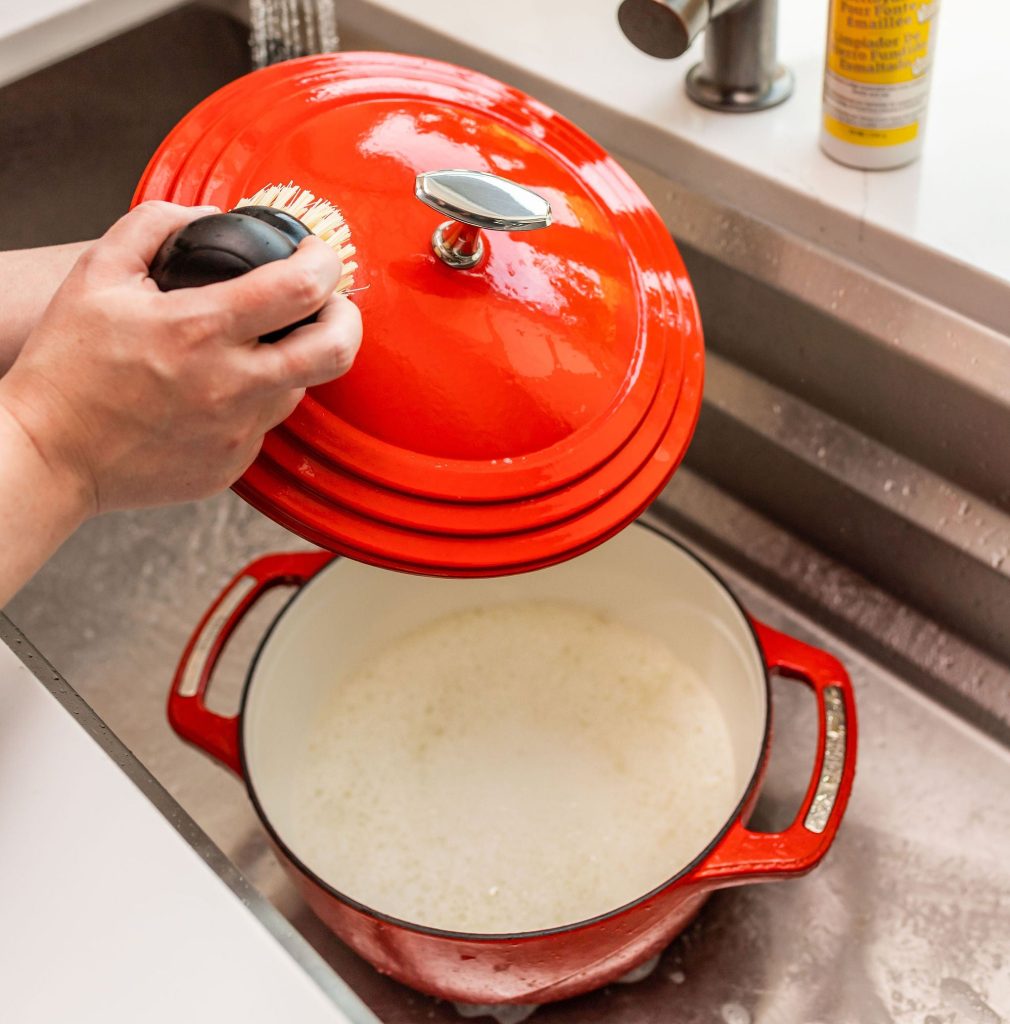
Cleaning your enamel cookware properly is vital for its longevity. Let the cookware cool before washing to prevent damage. Use warm, soapy water and a soft sponge to clean. Avoid abrasive cleaners and pads that can scratch the surface.
For stubborn stains, a mixture of baking soda and water can work wonders. Let it sit for a few minutes before gently scrubbing. Regular maintenance can save you from the hassle of dealing with a tarnished pot.
Do you have a special method for keeping your cookware looking new? Sharing tips can be beneficial for everyone, making cooking a more enjoyable experience.
Choosing Quality Enamel Cookware
Choosing quality enamel cookware is crucial for ensuring safety and longevity in your kitchen. High-grade enamel cookware offers durability and non-reactive properties, making it ideal for various cooking needs. However, not all enamel cookware is created equal, so it’s essential to know what factors to consider when making your purchase.
Brand Considerations
When selecting enamel cookware, the brand’s reputation can be a good indicator of quality. Established brands often have a proven track record and a commitment to safety standards. You might find that renowned brands invest more in research and development to improve their products, ensuring they meet consumer expectations.
Consider checking online reviews and ratings to gauge customer satisfaction. If a brand frequently receives positive feedback about durability and safety, it’s likely a reliable choice. Additionally, brands that offer warranties demonstrate confidence in their product’s longevity.
Certification And Standards
It’s essential to ensure your enamel cookware meets safety certifications and standards. Look for products that are certified by recognized organizations, such as the FDA or European standards. This certification indicates the cookware is free from harmful substances like lead and cadmium, which can be detrimental to your health.
Additionally, manufacturers often provide detailed information about their production processes and materials used. Transparency is key; it helps you make an informed decision. If the cookware lacks certification or detailed product information, it might be wise to consider other options.
Alternative Cookware Options
Enamel cookware is considered safe due to its non-reactive surface, preventing food from absorbing harmful chemicals. Its smooth coating offers easy cleaning and reduces sticking. Ideal for people seeking an eco-friendly kitchen option.
Exploring alternative cookware options can be a journey of discovery for your kitchen. While enamel cookware is popular, understanding other materials helps ensure your cooking is both safe and effective. If you’ve ever wondered about the best alternatives to enamel cookware, here’s a closer look at some options worth considering.Comparing Material Safety
When choosing cookware, material safety is a key factor. Stainless steel, for example, is a popular alternative due to its durability and resistance to rust. Unlike some non-stick options, stainless steel doesn’t release harmful chemicals at high temperatures. Cast iron is another sturdy choice, known for its excellent heat retention. With proper seasoning, it can even develop a natural non-stick surface. However, it’s heavier than other materials, which might be a consideration for some. Glass cookware offers the advantage of being non-reactive, which means it won’t leach chemicals into your food. It’s perfect for baking but might not be suitable for high-heat cooking on the stovetop.Pros And Cons Of Alternatives
Here’s a quick look at the pros and cons of these alternatives:- Stainless Steel:
- Pros:Durable, non-reactive, dishwasher safe.
- Cons:Can stick without proper oiling, not non-stick.
- Cast Iron:
- Pros:Excellent heat retention, natural non-stick with seasoning.
- Cons:Heavy, requires maintenance to prevent rust.
- Glass:
- Pros:Non-reactive, easy to clean.
- Cons:Breakable, not ideal for stovetop cooking.

Credit: www.amazon.com
Frequently Asked Questions
Is Enamel Cookware Safe For Cooking?
Yes, enamel cookware is safe for cooking. It is made with a durable coating that prevents it from reacting with food. The enamel surface is non-toxic and doesn’t leach harmful chemicals, making it a safe choice for all types of cooking.
Does Enamel Cookware Contain Harmful Chemicals?
No, enamel cookware does not contain harmful chemicals. It is crafted with a porcelain enamel coating that is free from toxic substances like lead and cadmium. This makes it a safe option for everyday cooking.
Can Enamel Cookware Chip Easily?
Enamel cookware can chip if mishandled. To prevent chipping, avoid using metal utensils and stacking pieces without protective layers. Handle with care and store properly to maintain its integrity and appearance.
How To Maintain Enamel Cookware?
Maintaining enamel cookware is simple. Use mild detergents and avoid abrasive scrubbers. Hand washing is preferred to extend its lifespan. Ensure it is thoroughly dried before storing to prevent rusting and preserve its quality.
Conclusion
Enamel cookware offers a safe option for your kitchen needs. Its sturdy design ensures durability and longevity. With proper care, it remains non-toxic and reliable. Choose quality brands to avoid harmful materials. Perfect for cooking delicious meals without worry. Enjoy the colorful and stylish appeal it brings.
A great choice for any home cook seeking safety and style. Always check for chips and cracks before use. This ensures your cookware remains safe and functional. Enamel cookware is a trusted companion in many kitchens worldwide. Cook with confidence and peace of mind.