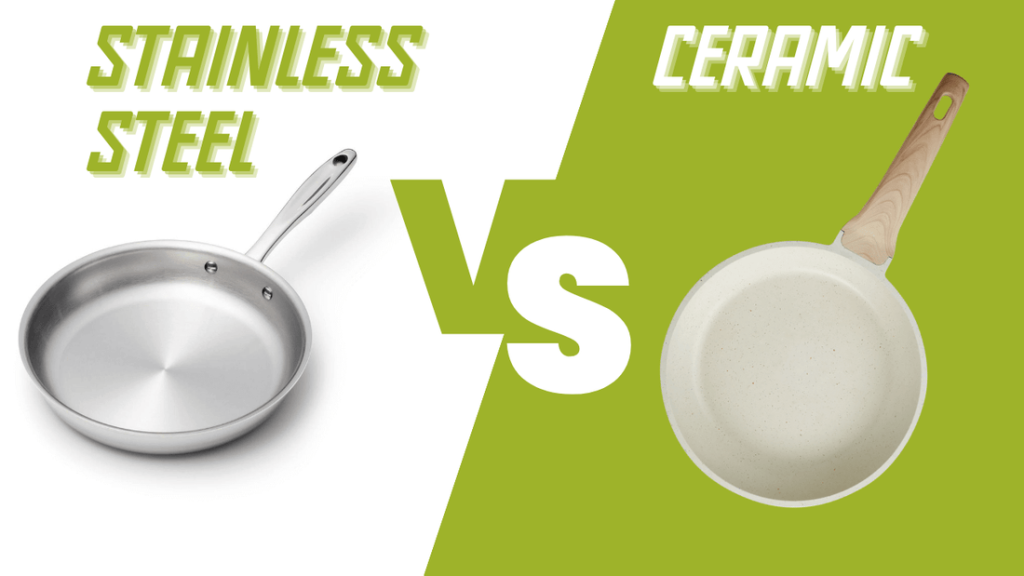
Are you standing in the cookware aisle, feeling overwhelmed by the shiny allure of stainless steel and the sleek elegance of ceramic? Choosing the right cookware for your kitchen can feel like a daunting task, especially when you want the best for your culinary creations.
You’re not alone in this dilemma. Many home cooks and professional chefs face the same question: “What is better, stainless steel or ceramic cookware? ” Imagine cooking your favorite meal with ease, knowing that you’ve picked the cookware that perfectly suits your style and needs.
This article is designed to guide you through the pros and cons of both stainless steel and ceramic, helping you make an informed decision that enhances your cooking experience. Stick around, because by the end of this read, you’ll have the clarity you need to confidently choose the cookware that’s right for you.

Credit: razab.com
Material Composition
When choosing cookware, understanding material composition is essential. It can affect everything from heat distribution to durability. Let’s break down the core components of stainless steel and ceramic cookware.
Stainless Steel Structure
Stainless steel cookware is renowned for its durability and sleek appearance. It typically features a core made of aluminum or copper sandwiched between layers of stainless steel. This combination enhances heat conductivity while maintaining the non-reactive and robust nature of stainless steel.
Have you ever noticed those shiny pots in professional kitchens? That’s because stainless steel doesn’t just perform well—it looks great too. However, it doesn’t have natural non-stick properties, which might require you to use more oil or butter when cooking.
Ceramic Construction
Ceramic cookware is crafted from clay that’s been kiln-baked to create a natural, non-stick surface. Unlike the polished metal look of stainless steel, ceramic offers a more rustic, homely vibe. It’s like bringing a piece of art into your kitchen.
One of the standout features of ceramic is its non-stick quality without the need for synthetic coatings. But, have you ever wondered about its longevity? While it excels in low to medium-heat settings, high temperatures might lead to chipping over time.
Understanding these materials helps you make informed decisions. Which one aligns with your cooking style and kitchen aesthetic? The answer could transform your culinary experience.

Credit: www.instagram.com
Heat Conductivity
When deciding between stainless steel and ceramic cookware, understanding heat conductivity can be a game-changer in your cooking experience. Heat conductivity determines how efficiently your cookware heats up and distributes warmth across its surface. It affects cooking speed, evenness of your dishes, and energy consumption. So, which material suits your culinary adventures?
Stainless Steel Heat Distribution
Stainless steel is known for its durability and sleek appearance, but how does it fare with heat distribution? This cookware often includes an aluminum or copper core, enhancing its ability to spread heat evenly. Imagine cooking a perfect pancake—consistent browning all over without hot spots. Stainless steel ensures your food cooks uniformly, which is essential for precise recipes like delicate sauces or seared meats.
If you’ve ever noticed one part of your dish cooking faster than the other, poor heat distribution might be the culprit. Stainless steel’s reliable performance in this area can save you from culinary mishaps. However, it may require more patience to heat up initially, demanding your attention to avoid burning.
Ceramic Heat Retention
Ceramic cookware excels in retaining heat once it’s warmed up. This makes it ideal for dishes requiring slow cooking or maintaining temperature, like stews or casseroles. Picture a hearty stew simmering gently, maintaining its warmth and flavors without constant stove adjustment. Ceramic’s ability to hold heat means less energy use over time, which is a bonus for eco-conscious cooks.
While ceramic may take longer to heat, once it’s there, it stays. This characteristic can be a double-edged sword; while it keeps food warm off the stove, it may not be ideal for quick temperature changes. Consider your cooking style—do you often find yourself rushing to get dinner on the table? The right cookware choice can streamline your process.
Choosing between stainless steel and ceramic boils down to your cooking habits and needs. Do you crave quick, even heating, or is slow, sustained warmth your priority? Your answer will guide you to the perfect kitchen companion.
Durability And Longevity
When choosing cookware, durability and longevity are crucial factors to consider. You want pots and pans that will withstand the test of time and continue to perform well. Stainless steel and ceramic are popular choices, each with its strengths and weaknesses. Let’s delve into the durability and longevity of these two materials.
Stainless Steel Durability
Stainless steel is renowned for its sturdiness. It can handle high temperatures and is less prone to warping than other materials. If you’ve ever tried to sear a steak, you know how important it is for your pan to maintain its shape under heat.
Another advantage is its resistance to rust and stains. This means that even after years of use, your cookware can still look as good as new. It’s a reliable option if you don’t want to worry about replacing your kitchenware frequently.
However, stainless steel isn’t completely scratch-proof. Using metal utensils can leave marks, so it’s wise to opt for silicone or wooden tools to extend its life. Do you prioritize a cookware that can endure heat without compromising its appearance?
Ceramic Wear And Tear
Ceramic cookware offers a smooth and non-stick surface that makes cooking a breeze. It’s ideal for low-fat cooking and easy cleaning, but how does it fare in the durability department?
Ceramic is susceptible to chips and cracks if not handled carefully. Dropping or banging it against hard surfaces can lead to damage. This might be a concern if you’re prone to accidents in the kitchen.
On the plus side, ceramic doesn’t react with acidic foods, which means it won’t discolor or retain flavors. If you often cook tomato-based dishes, this could be a significant advantage. Are you willing to trade off some durability for a non-reactive cooking surface?
Maintenance And Care
Maintaining cookware ensures it lasts longer and performs well. Both stainless steel and ceramic cookware require specific care routines. With the right techniques, you can keep them in top shape. Let’s delve into the maintenance and care tips for each.
Stainless Steel Cleaning Tips
Stainless steel cookware is durable and resistant to rust. Still, it needs proper care.
- Use warm water and mild detergent for everyday cleaning.
- For tough stains, soak in warm soapy water before scrubbing.
- A mixture of vinegar and water helps remove discoloration.
- Dry the cookware immediately to avoid water spots.
- Use a soft cloth to polish and maintain its shine.
Ceramic Care Instructions
Ceramic cookware offers a non-stick surface with vibrant finishes. But it requires gentle handling.
- Hand wash with a soft sponge and mild soap.
- Avoid metal utensils to prevent scratches.
- Use baking soda paste for stubborn residue.
- Let it cool before washing to prevent cracking.
- Store with care to avoid chipping the surface.
Cooking Performance
Choosing between stainless steel and ceramic cookware can impact your cooking experience. Both materials offer unique advantages in cooking performance. Understanding these differences helps make an informed decision. Let’s explore their cooking techniques and benefits.
Stainless Steel Cooking Techniques
Stainless steel is favored for its durability. It withstands high heat without warping. This makes it ideal for searing meats. The material distributes heat evenly. This allows for consistent cooking results.
To prevent sticking, preheat the pan. Then, add oil before cooking. This simple step enhances performance. Stainless steel cookware often requires less maintenance. It’s dishwasher safe, which adds convenience.
Ceramic Cooking Benefits
Ceramic cookware offers a non-stick surface. This reduces the need for excessive oil. It’s perfect for health-conscious cooking. The material heats quickly, which saves time in the kitchen. Ceramic’s smooth surface makes cleaning easy.
This type of cookware often comes in vibrant colors. It adds aesthetic appeal to your kitchen. Ceramic is ideal for low to medium heat cooking. It retains heat well, keeping food warm longer.
Safety And Health Considerations
Choosing between stainless steel and ceramic cookware involves understanding safety and health factors. Stainless steel resists rust and leaching, ensuring food safety. Ceramic offers a non-stick surface without harmful chemicals, making it a healthy option for cooking.
Safety and health considerations are vital when choosing cookware for your kitchen. You want to ensure that the cookware you select not only performs well but also contributes positively to your health. Both stainless steel and ceramic cookware offer distinct advantages in terms of safety and health. Understanding these benefits can help you make an informed decision for your culinary needs.Stainless Steel Safety
Stainless steel is often praised for its durability and resistance to rust and corrosion. This makes it a safe option for cooking as it doesn’t react with acidic foods. Have you ever worried about food contamination from your cookware? With stainless steel, those concerns are minimal. Its non-reactive nature means you can cook tomatoes or lemon-based dishes without altering the taste or introducing harmful chemicals. However, while stainless steel is generally safe, be mindful of the quality. Lower-grade stainless steel might leach trace amounts of nickel or chromium, especially if scratched or damaged. Opt for high-grade options, such as 18/10 stainless steel, to ensure maximum safety.Ceramic Health Benefits
Ceramic cookware is often celebrated for its natural non-stick surface. This feature allows you to cook with less oil, promoting healthier meals. Imagine effortlessly sliding an omelette onto your plate without a hitch—ceramic cookware makes this possible. Plus, it doesn’t contain harmful substances like PTFE or PFOA, which are found in some non-stick coatings. Are you concerned about toxins in your kitchen? With ceramic, you can rest easy knowing it’s free from heavy metals and synthetic chemicals. This makes it a great choice if you want to avoid potential health risks associated with chemical-coated cookware. Both stainless steel and ceramic offer safe and health-conscious options for your kitchen. Which will you choose to create your next meal masterpiece?Cost Comparison
Choosing between stainless steel and ceramic cookware involves weighing costs and benefits. Stainless steel often costs more but offers durability and heat retention. Ceramic cookware is usually cheaper, providing non-stick surfaces and ease of cleaning.
Cost is a key factor when choosing between stainless steel and ceramic cookware. Both materials offer unique benefits, but pricing can significantly influence your decision. Let’s dive into the cost comparison of these popular cookware options.Stainless Steel Pricing
Stainless steel cookware varies in price. Basic sets are often affordable. Expect to pay more for premium brands. High-quality stainless steel is an investment. It offers durability and longevity. Prices can range from $100 to $1,000. This depends on the brand and set size. Stainless steel with additional layers costs more. These layers enhance cooking performance. It’s important to consider long-term value.Ceramic Cost Analysis
Ceramic cookware tends to have a wide price range. Basic ceramic sets are budget-friendly. High-end options can be pricey. Prices can start as low as $50. They can exceed $500 for premium sets. Ceramic is often chosen for its aesthetic appeal. It may not last as long as stainless steel. Lower durability might mean more frequent replacements. This can affect long-term costs. Ceramic is ideal for non-stick cooking. Make sure to weigh initial cost against lifespan.Aesthetic Appeal
Choosing cookware often involves considering its aesthetic appeal. Kitchen aesthetics can transform cooking into a delightful experience. Stainless steel and ceramic are two popular choices. Each offers unique design elements that enhance kitchen ambiance.
Stainless Steel Design
Stainless steel is sleek and modern. Its shiny surface reflects light beautifully. This gives a bright, clean look to any kitchen. Stainless steel’s versatility in design is unmatched. It pairs well with most kitchen styles. The cool metallic finish complements minimalist and contemporary spaces. It also fits seamlessly into traditional settings.
The durability of stainless steel adds to its appeal. It maintains its shine over time. This ensures a lasting aesthetic presence in your kitchen. Its resistance to rust and stains keeps it looking new. Stainless steel is easy to clean. This contributes to its pristine appearance.
Ceramic Visuals
Ceramic cookware offers a warm and inviting look. Its designs often feature vibrant colors and patterns. This can add a splash of personality to your kitchen. Ceramic’s earthy tones create a cozy atmosphere. They blend well with rustic or eclectic styles.
The smooth surface of ceramic feels natural. It often features artistic designs, adding uniqueness. Ceramic’s aesthetic appeal lies in its handcrafted look. Each piece feels special, with subtle variations in glaze and texture. This creates an authentic, homely vibe.
Ceramic is also known for its matte finish. This provides a soft, understated elegance. It’s perfect for those who prefer subtlety in design. The finish minimizes glare, creating a serene kitchen environment.
Environmental Impact
Deciding between stainless steel and ceramic cookware involves considering their environmental impact. Ceramic cookware generally uses natural materials and produces fewer emissions. Stainless steel is durable but requires energy-intensive manufacturing processes.
The environmental impact of cookware is a crucial consideration for eco-conscious buyers. Choosing between stainless steel and ceramic cookware involves understanding their sustainability. Each material offers unique advantages for the planet. Let’s explore how they contribute to a greener world.Stainless Steel Sustainability
Stainless steel is highly recyclable. It can be melted down and reused without losing quality. This reduces waste and conserves resources. The production process has improved over time. Modern methods aim to minimize emissions and energy use. Stainless steel’s durability also plays a role. Long-lasting products mean less frequent replacements. This reduces the overall environmental footprint.Ceramic Eco-friendly Aspects
Ceramic cookware often uses natural materials. Clay and sand are common components. This reduces reliance on synthetic materials. The manufacturing process is less energy-intensive. This helps lower greenhouse gas emissions. Ceramic cookware is often free from harmful chemicals. Non-toxic surfaces are safer for the environment. Biodegradable packaging is another plus. Many brands use eco-friendly packaging materials. This further minimizes waste.User Preferences
Choosing between stainless steel and ceramic cookware often depends on personal preferences. Stainless steel offers durability and easy maintenance, while ceramic provides a natural non-stick surface and elegant designs. Both options have unique benefits catering to different cooking styles and needs.
User preferences play a crucial role in choosing cookware. Each type has its own followers. Some people swear by stainless steel. Others prefer ceramic for specific reasons. Let’s explore what users think about each.Stainless Steel Popularity
Stainless steel cookware is a favorite in many kitchens. It’s durable and lasts long. Chefs love its resistance to rust and stains. It can handle high heat without damage. Many users appreciate its sleek and shiny look. Cleaning is easy, which saves time and effort. It’s also versatile, suitable for various cooking methods. People trust it for its reliability and performance.Ceramic User Reviews
Ceramic cookware has its own fan base. Users praise its non-stick surface. Cooking with less oil is a big advantage. It offers an eco-friendly option with no harmful chemicals. Ceramic is lightweight and easy to handle. Many enjoy its vibrant colors and stylish designs. People find it easy to clean, enhancing user experience. Its gentle heat distribution is perfect for delicate dishes.
Credit: nypost.com
Frequently Asked Questions
Is Stainless Steel Cookware More Durable Than Ceramic?
Stainless steel cookware is generally more durable due to its robust construction. It resists scratches, dents, and warping. Ceramic, while attractive, can chip or crack more easily. Stainless steel also withstands high heat better, making it a preferred choice for longevity in the kitchen.
Does Ceramic Cookware Offer Better Heat Distribution?
Ceramic cookware is known for its excellent heat distribution, providing even cooking. This feature reduces hot spots, ensuring uniform cooking results. However, stainless steel with an aluminum core can also offer good heat distribution. Ultimately, both materials have their own advantages in terms of heat management.
Are Stainless Steel Pots Safe For All Stovetops?
Yes, stainless steel pots are safe for all stovetops, including induction. Their magnetic properties make them versatile for any kitchen setup. Ensure your pots have a flat bottom for efficient heat transfer. This adaptability makes stainless steel a practical choice for diverse cooking needs.
How Easy Is It To Clean Ceramic Cookware?
Ceramic cookware is generally easy to clean due to its non-stick surface. Food residue often wipes away effortlessly. However, avoid using abrasive cleaners to maintain the coating. Regular care prolongs its non-stick properties, making cleaning a breeze and retaining its aesthetic appeal.
Conclusion
Choosing between stainless steel and ceramic cookware depends on your needs. Stainless steel offers durability and even heat distribution. Great for searing and browning. Ceramic cookware provides a non-stick surface and is easy to clean. Perfect for low-fat cooking. Both have unique advantages.
Consider your cooking style and preferences. Stainless steel suits high-heat cooking. Ceramic is ideal for gentle simmering. Think about maintenance and budget too. Investing in quality cookware enhances your cooking experience. Make an informed choice that fits your kitchen. Your perfect cookware awaits!