Have you ever tried to use your favorite pan on an induction cooktop only to find it doesn’t heat up? Frustrating, right?
Induction cooking is a game-changer, known for its energy efficiency and precise temperature control. But, there’s a catch—it requires specific cookware. If you’re looking to upgrade your kitchen or just want to make sure you’re getting the most out of your induction cooktop, it’s crucial to know which types of cookware actually work.
Stick around as we uncover what makes cookware induction-friendly and how you can make the best choices for your cooking adventures. You’ll not only save time and money but also enhance your culinary experience. Let’s dive into the essentials that will make your cooking seamless and enjoyable!
Basics Of Induction Cooking
Induction cooking is like discovering a new, efficient way to prepare meals. It combines speed and precision, making it a favorite choice for modern kitchens. But before you dive in, understanding the basics can help you make the most of this technology.
How Induction Cooktops Work
Induction cooktops use electromagnetic fields to heat your pots and pans directly. Instead of heating the cooktop surface, they generate heat within the cookware itself. This means your pan heats up faster, and energy isn’t wasted on heating the air around it.
The cooktop surface remains relatively cool, which reduces the risk of burns and makes it easier to clean. If you’ve ever accidentally touched a hot stove, you’ll appreciate this safety feature.
Benefits Of Induction Cooking
Induction cooking is highly energy-efficient. Because it heats the cookware directly, less energy is lost compared to traditional gas or electric cooktops. This can lead to noticeable savings on your energy bill.
Cooking with induction also offers precise temperature control, allowing you to simmer sauces without scorching or sear steaks to perfection. It responds immediately to temperature changes, giving you more control over your cooking process.
Additionally, the sleek design of induction cooktops can enhance the aesthetics of your kitchen. They often come with smart features, such as timers and touch controls, offering a modern cooking experience.
Have you ever wondered why professional chefs prefer induction cooking? The combination of speed, safety, and control makes it an attractive choice for both home cooks and culinary experts. Why not experience it for yourself? With the right cookware, induction cooking might just revolutionize your kitchen routine.
Materials Compatible With Induction
Choosing the right cookware for your induction stove can be a game-changer in your cooking experience. Induction cooking relies on electromagnetic fields to heat your pots and pans, making the choice of materials crucial. Understanding what works can save you time and money, and might even improve your culinary results!
Magnetic Properties Requirement
Induction cooking demands cookware with magnetic properties. This means your pots and pans need to have a magnetic base to interact with the induction cooktop. A simple trick is to use a magnet to test your cookware. If the magnet sticks to the bottom, it’s likely induction-compatible. Don’t have a magnet handy? You might have noticed some pots heat unevenly or not at all on your induction stove. They likely lack the necessary magnetic properties.
Common Induction-compatible Metals
- Cast Iron:A classic choice, cast iron is naturally magnetic and offers excellent heat retention. While its weight might be daunting, the cooking results are worth the effort.
- Stainless Steel:Not all stainless steel is created equal. Look for those labeled ‘induction ready,’ which often have a magnetic core or base. You’ll enjoy its sleek look and durability.
- Carbon Steel:Similar to cast iron but lighter, carbon steel pans are versatile and induction-friendly. They are perfect for high-heat cooking and develop a natural non-stick patina over time.
Have you ever tried using aluminum or copper pots on your induction stove only to realize they aren’t heating up? These materials usually don’t work unless they have a magnetic base. Is it time to rethink your cookware collection? Consider testing your favorite pots or upgrading to induction-ready versions for a seamless cooking experience.
Popular Cookware Options
Induction cooking is gaining popularity for its energy efficiency and quick heat response. Choosing the right cookware is essential for this cooking method. Here, we explore some popular options that work well with induction cooktops. Each has its unique benefits and characteristics, catering to different cooking styles and preferences.
Cast Iron Cookware
Cast iron is a favorite for many chefs due to its durability. It retains heat well, ensuring even cooking. This cookware is compatible with induction surfaces because of its magnetic properties. Cast iron skillets and Dutch ovens are versatile, suitable for searing, baking, and frying. Remember to handle them with care to avoid scratching your cooktop.
Stainless Steel Options
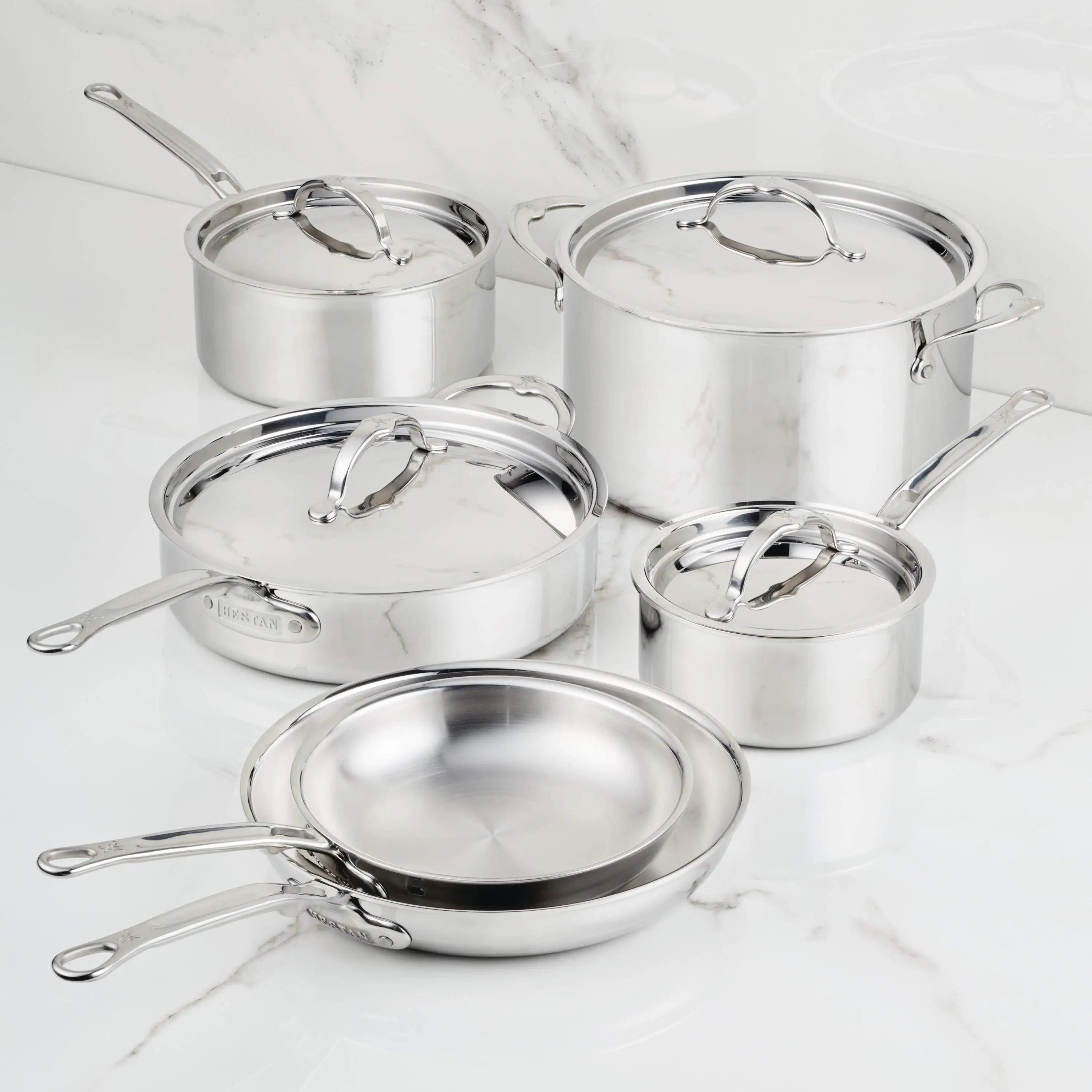
Stainless steel is another great choice for induction cooking. It is known for its non-reactive surface, making it ideal for various recipes. Many stainless steel pots and pans come with an aluminum or copper core. This combination enhances heat distribution. Check for the magnetic base to ensure compatibility with induction cooktops.
Enamel-coated Cookware
Enamel-coated cookware offers a splash of color and style. It combines the benefits of cast iron with easy maintenance. The enamel coating prevents rust and makes cleaning a breeze. These pots and pans work well on induction due to their magnetic core. They are perfect for slow cooking and braising dishes with rich flavors.
Non-compatible Cookware Types
Induction cooktops require magnetic cookware. Glass, copper, and aluminum pans do not work on induction stoves. Choose stainless steel or cast iron pots for better results.
Understanding which cookware types do not work with induction can save you from frustration in the kitchen. Induction cooking relies on electromagnetic fields to heat pots and pans directly, so not all materials are suitable. Knowing the limitations of certain cookware can help you make informed choices and avoid common pitfalls.Aluminum Cookware Limitations
Aluminum is a great conductor of heat, but it doesn’t work with induction stoves. This is because aluminum lacks the magnetic properties needed to generate heat through induction. You might have some aluminum pots that have a stainless steel base. These could work, but always check for an induction-compatible symbol to be sure.Copper Cookware Challenges
Copper cookware is prized for its excellent heat distribution, yet it faces the same fate as aluminum on induction stoves. Without a magnetic base, copper pots and pans won’t heat up. Some copper pans come with a magnetic stainless steel layer to solve this issue. Always verify before you buy if induction cooking is your goal.Glass And Ceramic Restrictions
Glass and ceramic cookware can be beautiful and versatile, but they’re not friends with induction. These materials don’t have the magnetic qualities required to trigger the electromagnetic reaction. If you’re attached to your glass or ceramic pieces, consider using them for serving rather than cooking. This way, you can enjoy their aesthetic appeal without compromising your cooking experience. Have you ever tried using non-compatible cookware on an induction stove? It’s a quick lesson in the importance of understanding your kitchen tools. Avoid the hassle by ensuring your cookware suits your induction stove, and you’ll enjoy a smoother cooking process.Testing Cookware For Compatibility
Choosing the right cookware for your induction cooktop is crucial. Not all pots and pans work with induction. Testing cookware for compatibility can save time and money. You can check this with simple methods at home. Understanding these methods ensures you make the right choice. Let’s explore the key methods to test induction compatibility.
Simple Magnet Test
The simplest way to test cookware is with a magnet. Hold a magnet to the base of the pot. If it sticks, the cookware is likely induction compatible. This test is quick and easy. It works because induction cooking needs magnetic materials. A firm hold means better performance on the cooktop.
Manufacturer Indications
Check the manufacturer’s label or packaging. Look for symbols or text stating induction compatibility. Many brands include these indications. These labels provide peace of mind. They guarantee the cookware will work on your induction cooktop. Always review this information before purchasing.

Credit: food52.com
Selecting The Best Cookware
Choosing cookware for induction requires specific materials. Magnetic metals like stainless steel or cast iron work best. Ensure the base is flat for proper contact with the induction surface.
Selecting the Best Cookware Induction cooking is fast and efficient. Choosing the right cookware enhances these benefits. Not all pots and pans are suitable for induction stoves. They need a magnetic base to generate heat. Explore key factors to help you select the best cookware for your induction cooktop.Factors To Consider
Induction-compatible cookware must have a magnetic base. Check the packaging or product description for compatibility. Stainless steel and cast iron are often suitable. The size of the cookware is crucial. It should match the burner size for even heating. Weight is another factor. Heavy pots may be cumbersome to handle. Durability matters. Opt for high-quality materials to ensure longevity.Brands And Recommendations
Several brands offer induction-compatible cookware. Tefal provides a range of options with durable construction. Their frying pans are popular among home cooks. All-Clad is known for its stainless steel cookware. It offers excellent heat distribution. Cuisinart has reliable options for various cooking needs. Its pans are versatile and sturdy. Le Creuset offers cast iron cookware with enamel coating. It’s perfect for slow cooking. Check reviews and compare features to make an informed decision.Maintenance And Care Tips
Maintaining your induction cookware ensures its longevity and performance. Proper care prevents damage and keeps it looking new. Following these tips will help you make the most of your cookware investment.
Proper Cleaning Techniques
Always clean your cookware after use to prevent residue buildup. Use a soft sponge and mild detergent. Avoid abrasive pads that can scratch the surface. For stubborn stains, soak the cookware in warm soapy water. Rinse thoroughly to remove all soap residue.
Dry your cookware completely before storing. Moisture can cause rust or water spots, especially on stainless steel. Ensure the cookware is cool before washing to avoid warping.
Storage Advice For Longevity
Store cookware in a dry, cool place. Avoid stacking heavy items on top of each other to prevent warping. Use pot protectors or paper towels between stacked items to prevent scratches.
Organize your cookware to ensure easy access. This prevents unnecessary handling that can lead to damage. Hanging your cookware can also be a space-saving option.

Credit: www.omichef.com
Credit: hestanculinary.com
Frequently Asked Questions
What Cookware Is Best For Induction Cooking?
Cookware made of ferromagnetic materials is best for induction. This includes cast iron, stainless steel, and some enameled cookware. Check for an induction-compatible symbol on the base. If it sticks to a magnet, it’s good for induction.
Can Non-stick Pans Be Used On Induction?
Yes, non-stick pans can be used if they have a magnetic base. Always check the manufacturer’s specifications. Make sure the pan has a flat bottom to ensure proper contact with the induction surface.
Do All Stainless Steel Pans Work On Induction?
Not all stainless steel pans are suitable for induction cooking. Stainless steel must have a magnetic base. Check with a magnet before purchasing. Some stainless steel cookware may require a special induction-compatible layer.
Why Does My Induction Cooktop Not Detect The Pan?
If your induction cooktop doesn’t detect the pan, it might not be magnetic. Ensure the pan’s base is flat and magnetic. The pan’s size should also match the cooking zone for proper detection.
Conclusion
Choosing the right cookware is essential for induction cooking. Induction stoves need magnetic-based pots and pans. Cast iron and stainless steel work well. Ensure the cookware has a flat bottom. This helps in even heat distribution. Test your cookware with a magnet.
If it sticks, it’s good for induction. Remember, not all stainless steel pans are suitable. Always check the manufacturer’s label. Proper cookware enhances your cooking experience. It saves energy and time. Enjoy efficient and effective cooking with the right tools.
Happy cooking with your induction stove!