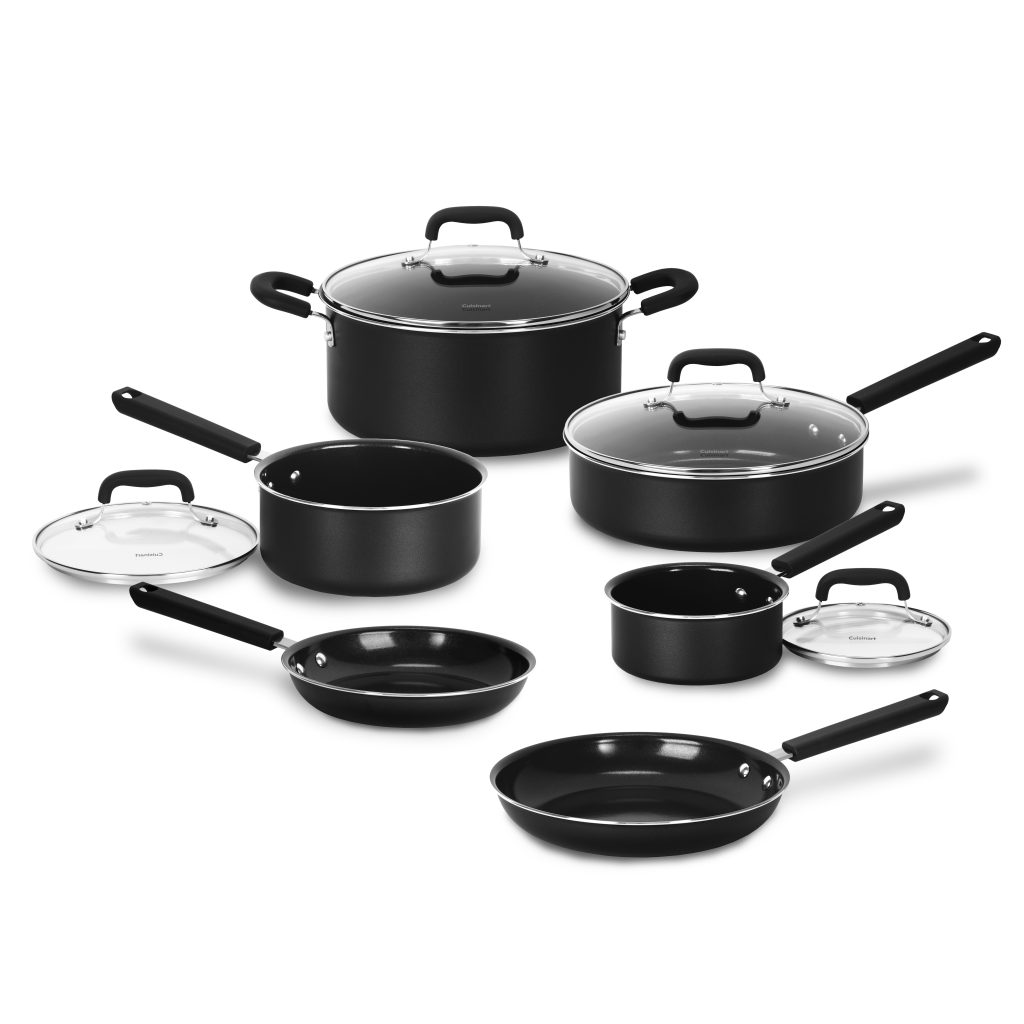
Imagine cooking your favorite dish without the hassle of food sticking to the pan or the endless scrubbing that follows. Sounds like a dream, right?
That’s exactly what nonstick cookware promises. If you’ve ever wondered what makes these pots and pans a kitchen favorite, you’re in the right place. You deserve to know the secrets behind your culinary successes and the tools that can make cooking a breeze.
Understanding nonstick cookware is crucial to elevate your cooking experience and avoid common kitchen frustrations. You’re about to discover how this modern kitchen marvel works, why it’s become essential for many home cooks, and whether it truly lives up to its reputation. Dive into the world of nonstick cookware and learn how it can transform your cooking routine, making it more efficient and enjoyable. Ready to unlock the secrets behind your smooth cooking sessions? Let’s explore together.
Nonstick Cookware Basics
Nonstick cookware has become a staple in modern kitchens, making cooking and cleaning a breeze. But what exactly makes these pans so special, and how did they come to be? Understanding the basics of nonstick cookware can help you make informed choices for your kitchen needs. Let’s dive into the essentials of nonstick cookware, from its definition to its historical development.
Definition Of Nonstick Cookware
Nonstick cookware refers to pots and pans coated with a special surface that prevents food from sticking. This coating is typically made from polytetrafluoroethylene (PTFE), commonly known as Teflon, or other similar compounds. The primary benefit is that it allows you to cook with less oil or butter, promoting healthier meals and making cleanup much easier.
Imagine cooking a delicate omelet without worrying about it tearing or sticking to the pan. That’s the magic of nonstick cookware. It’s especially favored for cooking eggs, pancakes, and other foods that tend to cling to traditional cookware surfaces.
Historical Development
The history of nonstick cookware dates back to the mid-20th century. It was in 1938 when Roy Plunkett accidentally discovered PTFE while working for DuPont, leading to the birth of Teflon. However, it wasn’t until the 1960s that Teflon was first applied to cookware.
Initially, nonstick pans were a luxury item, but as technology progressed, they became widely accessible. Over the years, advancements in coatings and manufacturing processes have improved durability and safety, making nonstick cookware a popular choice for both amateur and professional chefs.
Have you ever wondered how something as simple as a coating could transform cooking habits worldwide? The evolution of nonstick cookware demonstrates how innovation can change everyday tasks, making life easier and more enjoyable. As you explore your cookware options, consider how the history and technology behind nonstick surfaces can enhance your culinary experiences.

Credit: www.amazon.ca
Common Materials Used
Nonstick cookware is popular due to its ease of use and cleaning. Different materials are used to create the nonstick surface, each with unique properties. Understanding these materials helps in choosing the right cookware for your kitchen.
Teflon Coating
Teflon is a widely used nonstick material. It is made from polytetrafluoroethylene (PTFE). This material prevents food from sticking, making cooking and cleaning simpler. Teflon cookware is lightweight and affordable. However, it should be used carefully to avoid scratches and damage.
Ceramic Coating
Ceramic coating is a newer nonstick option. It is derived from natural minerals, offering a more eco-friendly choice. Ceramic cookware withstands high temperatures, perfect for searing and browning. It is free from harmful chemicals often found in other nonstick materials.
Hard-anodized Aluminum
Hard-anodized aluminum is known for its durability. The anodizing process makes the aluminum surface nonstick and scratch-resistant. It distributes heat evenly, providing consistent cooking results. This material is ideal for serious home chefs seeking long-lasting cookware.
Benefits Of Nonstick Cookware
Nonstick cookware has taken kitchens by storm, offering a variety of benefits that make cooking a breeze and cleanup even easier. As you explore the advantages of nonstick pots and pans, you’ll discover how these kitchen staples can transform your culinary experience. Imagine cooking your favorite dish without worrying about food sticking or spending hours scrubbing after a delicious meal. Let’s dive into the perks of using nonstick cookware.
Ease Of Cooking
Nonstick cookware simplifies the cooking process. Foods slide effortlessly across the surface, preventing them from sticking and burning. This feature is particularly beneficial for delicate foods like eggs and pancakes. You’ll find that flipping and turning your meals becomes an enjoyable task rather than a chore.
Effortless Cleaning
Cleaning up after a meal is often the least enjoyable part of cooking. With nonstick cookware, this task becomes surprisingly easy. The slick surface requires minimal scrubbing, saving you time and effort. A quick rinse or gentle wipe with a sponge is often all it takes to have your cookware looking brand new.
Reduced Need For Oil
Using less oil is not only healthier but also cost-effective. Nonstick surfaces allow you to cook with little to no added fats, making it easier to prepare heart-friendly meals. Imagine sautéing vegetables or frying eggs using just a tiny bit of oil, all while maintaining excellent taste and texture.

Credit: www.amazon.ca
Features To Consider
Choosing nonstick cookware involves considering coating durability, heat distribution, and ease of cleaning. Opt for materials like ceramic or PTFE for safety and longevity. Evaluate handle comfort and compatibility with your stove type for optimal cooking experience.
Nonstick cookware has become a staple in many kitchens. Its appeal lies in its ease of use and cleaning. When choosing nonstick cookware, several features are crucial. These can enhance your cooking experience and ensure the longevity of your cookware. Below are some key features to keep in mind.Heat Conductivity
Good heat conductivity is essential for even cooking. Nonstick cookware with excellent heat distribution prevents hot spots. This ensures your food cooks evenly. Aluminum and copper are known for their superior heat conductivity. They heat up quickly and distribute heat uniformly. This can save energy and time during cooking.Durability And Scratch Resistance
Durability is a major factor in nonstick cookware. Look for coatings that resist scratches. This ensures the cookware lasts longer. Hard-anodized aluminum is a popular choice. It offers strength and scratch resistance. Avoid using metal utensils that can damage the nonstick surface. Use silicone or wooden utensils to prolong the life of your cookware.Compatibility With Heat Sources
Not all cookware is compatible with every heat source. Some nonstick cookware works well with gas or electric stoves. Others are suitable for induction cooktops. Check the manufacturer’s instructions to ensure compatibility. This guarantees optimal performance on your stove. Induction-compatible cookware often has a magnetic base. This feature is crucial for efficient heat transfer on induction cooktops.Safety And Health Considerations
Nonstick cookware offers convenience but raises safety concerns. Ensure proper use to avoid overheating, which releases harmful fumes. Opt for well-maintained pieces to minimize health risks.
Nonstick cookware is popular for its ease of use and cleaning. Yet, it’s crucial to consider safety and health factors. Understanding how to use nonstick pans safely can minimize risks. Below are key considerations for safe usage.Potential Risks Of Overheating
Overheating nonstick pans can release harmful chemicals. Temperatures above 500°F may cause coatings to break down. This can emit fumes harmful to birds and humans. Ensure proper ventilation while cooking. Keep the heat at medium or low settings. Avoid preheating empty nonstick pans.Safe Usage Practices
Proper care extends the life of nonstick cookware. Use wooden or silicone utensils to prevent scratching. Avoid metal tools that can damage the coating. Hand wash with mild detergents and soft sponges. Store pans properly to avoid stacking that may harm surfaces. Following these practices ensures safe, long-lasting use of nonstick cookware.Environmental Impact
Nonstick cookware has become a staple in many kitchens due to its convenience and ease of cleaning. However, its environmental impact is a growing concern. Understanding the sustainability of the materials used and the options for recycling and disposal is crucial for making informed decisions about using nonstick cookware.
Sustainability Of Materials
Nonstick cookware is often made with materials like Teflon, which is a type of PTFE. The production of PTFE involves chemicals that can be harmful to the environment if not managed properly. Some manufacturers are now exploring more sustainable options, like ceramic coatings, which are made from natural materials and are less harmful.
Choosing cookware made from sustainable materials can significantly reduce environmental harm. Look for brands that prioritize eco-friendly practices and transparent sourcing. By supporting these brands, you contribute to a more sustainable future.
Recycling And Disposal
Disposing of nonstick cookware can be tricky, as not all materials are recyclable. Many recycling centers cannot process PTFE-coated items, which often leads to them ending up in landfills. Check with your local waste management facility to understand their specific recycling capabilities.
Some companies offer take-back programs, where you can return old cookware for proper disposal or recycling. This can be a more environmentally friendly option. Consider these programs when your nonstick cookware reaches the end of its life.
Have you ever thought about where your nonstick pans go after you toss them out? Understanding the lifecycle of your cookware can help you make more responsible choices. Let’s work together to minimize our environmental footprint.
Popular Brands And Products
Nonstick cookware offers convenience for effortless cooking and easy cleanup. Brands like T-fal and Calphalon provide durable options. This cookware is ideal for preparing delicate foods without sticking.
When it comes to choosing nonstick cookware, the options are vast and varied. With numerous brands vying for your attention, knowing which ones deliver quality and reliability can be a challenge. Let’s dive into some popular brands and products that have earned a reputation for excellence in the nonstick cookware market.Calphalon
Calphalon is renowned for its durable nonstick surface and even heating. Whether you’re flipping pancakes or searing chicken, their cookware ensures a smooth cooking experience. I once tried their signature frying pan, and the ease with which food slid off was remarkable.T-fal
T-fal offers budget-friendly options without compromising on quality. Their pans often come with a unique Thermo-Spot indicator that helps you know when the pan is perfectly preheated. Imagine never having to guess whether your pan is hot enough!All-clad
All-Clad is the go-to for professional chefs and serious home cooks. Their nonstick range combines robust construction with a premium nonstick finish. Cooking with All-Clad feels like an upgrade; it’s hard to go back to anything else once you’ve experienced it.Greenpan
For those conscious about sustainability, GreenPan offers cookware with a ceramic nonstick coating free from harmful chemicals. Using their pans means enjoying guilt-free cooking, knowing you’re contributing to a healthier planet.Anolon
Anolon is known for its advanced nonstick technology and stylish designs. Their pans often feature comfortable handles and sturdy construction. I remember the first time I used an Anolon skillet; it felt like holding a piece of art that cooked beautifully. When you choose nonstick cookware, what factors matter most to you? Is it the brand’s reputation, the ease of cooking, or perhaps the environmental impact? Remember, the right choice can elevate your cooking and make kitchen time more enjoyable.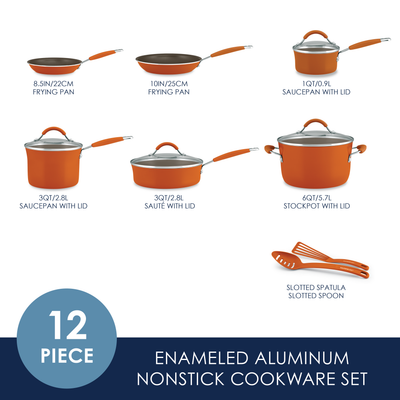
Credit: rachaelray.com
Maintenance Tips
Nonstick cookware features a special coating that prevents food from sticking. It requires gentle cleaning with soft sponges. Avoid using metal utensils to prolong its life.
Maintaining your nonstick cookware ensures its longevity and performance. It might seem straightforward, but the way you care for these pots and pans can make a significant difference. Let’s dive into some practical tips to keep your nonstick surfaces slick and your dishes delightful.Proper Cleaning Techniques
When cleaning nonstick cookware, gentle is the way to go. Use a soft sponge or cloth with mild dish soap to avoid scratching the surface. Avoid abrasive scrubbers as they can damage the nonstick coating. Warm water is your friend when it comes to loosening food particles. If stubborn spots persist, soak the pan in warm, soapy water for a few minutes before wiping them away. You’d be surprised how much easier this makes cleaning. Rinsing thoroughly is crucial to remove all soap residues. Soap left on the surface can degrade the nonstick coating over time, affecting its performance.Storage Recommendations
Storing nonstick cookware properly can prevent unnecessary wear. Stack pans with care, placing paper towels or soft cloths between them to protect the coating from scratches. This simple trick can extend the life of your cookware significantly. Consider hanging your pots and pans if space allows. Hanging not only saves space but also ensures that the cooking surface remains unscathed. Are you guilty of stacking lids haphazardly? Keep lids separate or use a lid organizer to avoid pressure marks and scratches on the nonstick surface. Taking these simple steps in maintaining your nonstick cookware can lead to a longer lifespan and better cooking experiences. What’s your favorite tip for keeping your kitchen gear in top shape?Frequently Asked Questions
What Is Nonstick Cookware Made Of?
Nonstick cookware is typically made from aluminum or stainless steel. Its surface is coated with nonstick materials like polytetrafluoroethylene (PTFE) or ceramic. These coatings prevent food from sticking and make cleaning easier. PTFE is commonly known by the brand name Teflon.
How To Clean Nonstick Cookware Safely?
To clean nonstick cookware, use a soft sponge and mild dish soap. Avoid abrasive scrubbers that can damage the coating. Hand wash for longevity, and avoid the dishwasher if possible. Dry thoroughly before storing to prevent moisture damage.
Can Nonstick Cookware Be Used On All Stovetops?
Most nonstick cookware is suitable for gas, electric, and ceramic stovetops. However, not all are induction-friendly. Check the manufacturer’s guidelines to ensure compatibility with your stovetop. Using the correct cookware ensures even heat distribution and prevents damage.
Is Nonstick Cookware Safe For Health?
Nonstick cookware is generally safe when used properly. Avoid overheating, which can release harmful fumes from some coatings. Use medium to low heat settings for safe cooking. Choose nonstick cookware free from PFOA and PFOS for added safety.
Conclusion
Nonstick cookware offers ease and convenience in the kitchen. It makes cooking and cleaning simple. Food slides off easily, reducing oil usage. This cookware is popular for busy families and health-conscious individuals. It’s important to choose high-quality nonstick pans. They last longer and are safer for cooking.
Remember to follow care instructions for best results. Avoid using metal utensils to prevent damage. Whether frying eggs or sautéing vegetables, nonstick pans can be a reliable kitchen ally. Explore options and find the right fit for your cooking needs.
Make every meal more enjoyable with nonstick cookware.