
Have you ever discovered an old, rusty cast iron skillet hidden away in your kitchen, and wondered if it could ever be useful again? You might be tempted to toss it out, thinking it’s beyond repair.
But before you do, let us share a secret: restoring rusty cast iron cookware is easier than you think. This article will guide you through simple steps to bring your cookware back to life. Imagine the satisfaction of watching that rusty relic transform into a gleaming, non-stick masterpiece that you can use for decades.
You’ll not only save money but also enjoy cooking with a piece of history. Stay with us, and by the end of this read, you’ll be eager to get started on your own restoration project.
Credit: www.tiktok.com
Identifying Rust And Damage
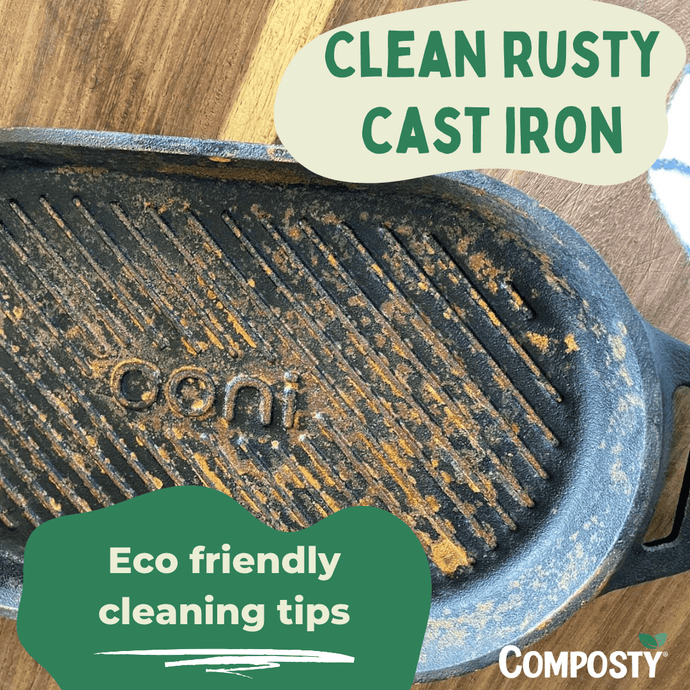
Identifying Rust and Damage Rusty spots on cast iron appear as rough, reddish-brown patches. Check for flaking or deep pitting. These indicate severe rust, needing immediate attention. Inspect surfaces carefully to assess the extent of rust and damage before starting restoration.
This helps in planning effective cleaning and seasoning strategies.
Identifying rust and damage on cast iron cookware is crucial for restoration. Rust can impact the cookware’s performance and safety. Knowing how to spot and assess damage helps in effective restoration.
Signs Of Rust On Cast Iron
Rust on cast iron appears as reddish-brown spots. These spots can be small or cover large areas. Check for discoloration on the cookware’s surface. Feel the surface for roughness, which often indicates rust. Examine the rims and handles closely. Rust often starts in these areas.
Assessing Severity Of Damage
Assess the rust’s severity to decide on restoration methods. Light rust can be removed with simple scrubbing. Heavier rust may require more intensive cleaning. Check for deep pits or holes in the cast iron. Severe pitting can compromise the cookware’s integrity. Evaluate any warping or cracks. These may indicate structural damage.
Credit: www.composty.earth
Gathering Essential Tools
Gathering essential tools is the first step in restoring rusty cast iron cookware. You will need steel wool, vinegar, and baking soda for cleaning. A sturdy brush and some elbow grease will also help in removing rust effectively.
Restoring rusty cast iron cookware can be a rewarding journey. Before you begin, gathering the right tools is crucial to ensure a smooth restoration process. Whether you’re an experienced restorer or a first-timer, having the right supplies and gear is key to giving your cast iron a new lease on life.
Cleaning Supplies Needed
Start by assembling a list of cleaning essentials. You’ll need a sturdy brush or scrubbing pad to tackle stubborn rust spots effectively. Consider a wire brush for deep cleaning, but be gentle to avoid damaging the cookware. Next, grab some coarse salt; it’s a natural abrasive that works wonders in removing rust. Combine it with a little vegetable oil to form a paste, which will help lift rust without harsh chemicals. Lastly, don’t forget a reliable dish soap to wash away any residues after scrubbing. Remember, the right cleaning supplies make the process less daunting and more effective.
Protective Gear For Restoration
Safety is paramount, so equip yourself with protective gear before diving into the restoration. Wear gloves to protect your hands from rust and cleaning agents. Consider wearing old clothes or an apron, as the process can get messy. Rust particles and cleaning paste can easily stain your attire. Lastly, ensure you have a mask or goggles on hand, especially if you’re using a wire brush, to shield your face from flying debris. Are you ready to transform your cookware while safeguarding yourself?
Cleaning The Cookware
Restoring rusty cast iron cookware might seem daunting, but it’s entirely possible with the right approach. Cleaning the cookware is the first step to bring your beloved pan back to its glory days. This process not only removes rust but also prepares the surface for seasoning, ensuring it remains non-stick and ready for culinary adventures. Let’s dive into effective methods to clean your cookware.
Removing Rust With Vinegar
Vinegar is a powerful ally in rust removal. Its acidity effectively eats away at rust while being gentle on the cast iron. Start by mixing equal parts of water and vinegar in a container large enough to submerge your cookware. Let it soak for 30 minutes to an hour. Check periodically to ensure the vinegar isn’t damaging the metal.
Once you’ve noticed the rust loosening, remove the cookware from the solution. Rinse thoroughly with water and dry it with a clean cloth. This step is crucial to prevent further rusting. You might be surprised at how much rust vinegar can dissolve!
Scrubbing With Steel Wool
After vinegar treatment, some stubborn rust may remain. This is where steel wool comes into play. Opt for a coarse grade to scrub away the remaining rust. Apply pressure, but be gentle enough not to scratch the cookware. This process can be a bit of a workout, but it’s satisfying to see the rust vanish.
As you scrub, you might notice the cast iron’s original surface reappearing. Keep a bowl of warm water nearby to rinse the wool frequently. Once you’re satisfied with the rust removal, wash the cookware with mild soap and water. Dry it immediately to avoid new rust forming.
What creative dishes will you cook in your newly restored cast iron cookware?

Credit: www.instagram.com
Restoring The Surface
Restoring rusty cast iron cookware can make it look brand new. Begin by scrubbing off rust with steel wool. Rinse thoroughly and dry completely. Then, apply a thin layer of vegetable oil. Finally, bake it upside down in the oven to season the surface.
Proper care ensures longevity.
Restoring the surface of rusty cast iron cookware might seem like a daunting task, but with the right approach, you can bring your cherished pans back to their former glory. Whether you’re dealing with a family heirloom or a garage sale find, the process is both rewarding and straightforward. Imagine the joy of cooking with a skillet that looks brand new, knowing you’ve personally revived it.
Smoothing With Sandpaper
Start by choosing the right sandpaper. A medium grit, around 80 to 120, is ideal for removing surface rust without damaging the pan. Use circular motions to gently rub the rust away, applying even pressure. Make sure to cover every inch of the rusty area. Check your progress frequently, wiping away dust to see how well you’re doing. When the rust is mostly gone, switch to a finer grit sandpaper, like 220, to smooth out the surface further. Sanding can be quite therapeutic. You’ll feel a sense of accomplishment as you see the shiny cast iron emerging. Plus, it’s a great upper body workout!
Addressing Deep Pits
If your cast iron has deep pits, don’t lose hope. You can still restore it. Focus on these problem areas with a bit more attention. Use a metal filler or welding compound to fill the pits if they’re particularly deep. Once dried, sand the area smooth so it’s level with the rest of the pan. Alternatively, you can keep sanding until the pits are less pronounced, though this may take more time. Consider how much use these pans have seen. Each pit tells a story of meals cooked and shared. By addressing these imperfections, you’re not just restoring cookware, but preserving history. Isn’t it exciting to think about the meals you’ll prepare once your pan is restored? With the surface smoothed and pits addressed, you’re one step closer to a fully restored cast iron that’s ready for seasoning.
Seasoning The Cookware
Restoring rusty cast iron cookware is an achievable task, and seasoning is the key to reviving its non-stick glory. This process not only seals the surface but also enhances the cookware’s longevity. Seasoning essentially involves applying a thin layer of oil and baking it into the cookware, creating a protective coating that prevents rust and ensures smooth cooking. But how do you get it right? Let’s dive into the details.
Choosing The Right Oil
Not all oils are created equal when it comes to seasoning cast iron. You need one with a high smoke point. Options like vegetable oil, canola oil, or flaxseed oil are popular choices. These oils withstand high temperatures and polymerize effectively, forming a durable coating. Ever tried using olive oil? Although a kitchen staple, it doesn’t make the cut due to its low smoke point.
Take a moment to consider the availability and cost of the oil you choose. This decision impacts the final quality of your seasoning process. Can you easily access your preferred oil without breaking the bank?
Creating A Non-stick Surface
Seasoning isn’t just about adding oil—it’s about creating a non-stick magic. Start with a clean, dry surface. Apply a thin, even layer of your chosen oil. Too much oil results in a sticky mess, while too little might not cover the surface adequately. The trick is in the balance.
Once coated, bake the cookware in your oven upside down at 450°F (232°C) for about an hour. This high heat enables the oil to bond with the iron, forming a smooth surface. Have you ever noticed how cooking on well-seasoned cast iron feels effortless? That’s the non-stick power at work!
Remember, patience is your best friend. You might need to repeat this process several times to achieve the perfect non-stick layer. Are you ready for the challenge? Your cookware will thank you with perfect pancakes and seared steaks.
Maintaining Restored Cookware
Restore rusty cast iron cookware by scrubbing gently with a mixture of salt and vinegar. Rinse thoroughly and dry with a clean towel. Apply a thin layer of oil to prevent future rust.
Restoring rusty cast iron cookware can be a gratifying process, breathing new life into a cherished kitchen staple. But the journey doesn’t end there. To ensure your cookware remains in optimal condition, ongoing care is essential. By maintaining your restored cookware, you guarantee its longevity and performance, making every meal a delight.
Proper Cleaning Techniques
Once your cookware is restored, proper cleaning is crucial to maintain its integrity. Always wash your cast iron by hand using warm water and a mild detergent. Avoid using the dishwasher or soaking the cookware for extended periods, as this can strip away the seasoning and promote rust. A gentle scrub with a non-abrasive sponge should suffice. For stubborn food residues, use a paste of coarse salt and water as a natural abrasive. After cleaning, dry your cookware thoroughly with a towel or over low heat to prevent moisture from causing rust.
Regular Seasoning Tips
Seasoning is the magic that keeps your cast iron non-stick and protected. After each use, apply a thin layer of vegetable oil or melted shortening to the surface. Use a paper towel to spread the oil evenly, ensuring all parts are covered, including the handle. Heat the cookware on a stovetop or in an oven at around 350°F (175°C) for about an hour. This allows the oil to polymerize, creating a protective layer. Remember, regular seasoning is more effective than applying a thick coat occasionally. Consider adopting a seasoning routine that fits into your cooking habits. Perhaps after every few uses, depending on how often you cook. This will keep your cookware in top condition, making it ready to tackle any recipe you throw its way. Are you ready to embrace the art of maintaining your cast iron? It’s a small investment for a lifetime of culinary joy.
Preventing Future Rust
Preventing Future Rust Season cast iron cookware regularly to protect it from rust. Store in a dry place after cleaning. Use a light coat of oil to maintain its non-stick surface and prevent moisture buildup.
Preventing rust in cast iron cookware is essential for longevity. By following simple practices, you can keep your cookware rust-free and ready for use. Let’s explore some effective ways to prevent future rust.
Storage Solutions
Proper storage is key to preventing rust. Ensure your cookware is completely dry before storing. Moisture is a major culprit in rust formation. Store in a dry place, away from humidity. Use a paper towel to absorb any moisture. Stack skillets with paper towels in between to avoid scratches. Consider hanging your cookware to allow air circulation. This keeps them dry and rust-free.
Avoiding Rust-causing Habits
Certain habits can lead to rust on cast iron. Avoid soaking your cookware in water. This can cause rust quickly. After washing, dry immediately with a towel. Never leave it to air dry. Avoid using harsh soaps or scrubbers. They can strip the seasoning and promote rust. Re-season your cookware regularly to maintain its protective layer. This creates a barrier against moisture and rust. Store with the lid off to prevent moisture buildup.
Frequently Asked Questions
How Do I Remove Rust From Cast Iron?
To remove rust from cast iron, first scrub it with steel wool. Next, rinse and dry it thoroughly. Apply a thin layer of vegetable oil and bake it in the oven at 350°F for an hour. Let it cool completely in the oven to restore its non-stick surface.
Can Vinegar Be Used On Rusty Cast Iron?
Yes, vinegar is effective for removing rust from cast iron. Submerge the cookware in a 50/50 vinegar-water solution for up to six hours. Check periodically to prevent damage. After soaking, scrub off the rust, rinse thoroughly, and dry before seasoning the cookware to restore its finish.
Is It Safe To Cook With Rusty Cast Iron?
Cooking with rusty cast iron is not recommended. Rust can affect food taste and quality. To ensure safety, clean the rust completely using appropriate methods. Once restored, season the cookware properly to create a protective non-stick layer. This will ensure safe and enjoyable cooking experiences.
How Often Should Cast Iron Be Seasoned?
Season your cast iron cookware regularly to maintain its non-stick surface. Ideally, season it after every use. If you notice dull spots or food sticking, it’s time for seasoning. Regular seasoning not only enhances performance but also extends the lifespan of your cast iron cookware.
Conclusion
Restoring rusty cast iron cookware is simpler than you think. With patience and care, your pans will shine again. Scrub the rust away with a steel wool pad. Rinse thoroughly and dry completely. Season the cookware with oil to protect it.
Heat it in the oven for a smooth finish. Repeat seasoning for a durable non-stick surface. Proper maintenance extends the life of your cookware. Store it in a dry place to prevent future rust. Enjoy cooking with your restored cast iron, and savor the flavors it brings.
It’s rewarding to see your cookware return to its former glory.