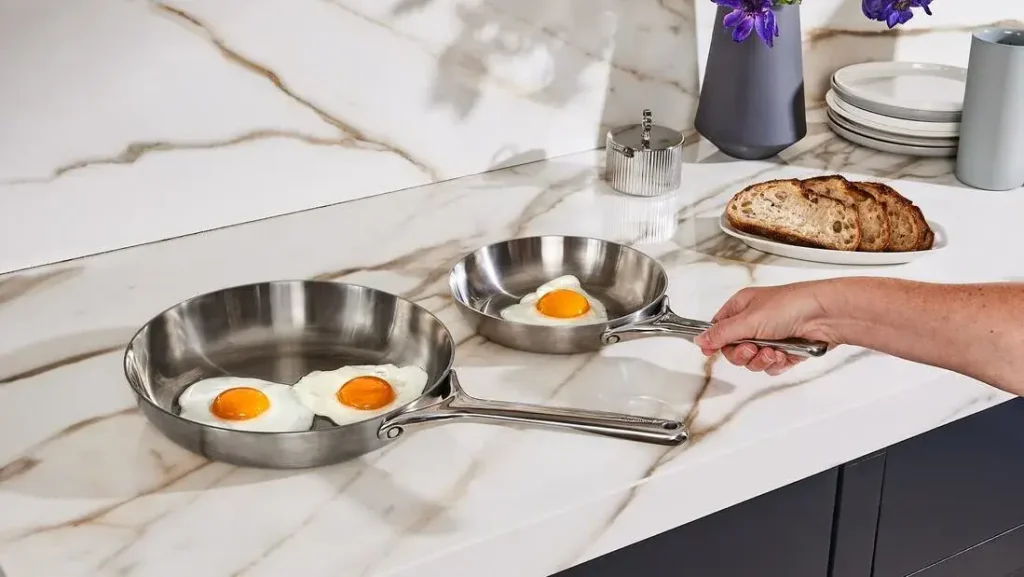
Are you tired of your stainless steel cookware losing its shine and efficiency? You’re not alone.
Many people face the same issue, wondering why their once gleaming pots and pans now look dull or have food sticking to them. But don’t worry—there’s a simple solution that can bring your cookware back to life. In this guide, you’ll discover easy steps to cure your stainless steel cookware, making it as good as new.
Imagine cooking with ease, knowing your pans are in perfect condition, helping you create delicious meals for your loved ones. Dive into this article to learn the secrets of stainless steel maintenance and transform your kitchen experience.
Choosing The Right Cookware
Ensure stainless steel cookware lasts longer by curing it properly. Begin by washing thoroughly with warm, soapy water. Dry completely to prevent water spots, then apply a thin layer of cooking oil. Heat the cookware gently to bond the oil to the surface, enhancing its durability and non-stick properties.
Choosing the right cookware is the first step toward mastering your culinary skills. Stainless steel cookware, known for its durability and sleek appearance, offers many options. But with so many varieties and features, how do you decide which one is best for you? Let’s break it down, starting with understanding the different types and key features you should consider.Types Of Stainless Steel
Not all stainless steel is created equal. The numbers you often see, like 18/10 or 18/8, refer to the composition of chromium and nickel in the steel. These elements enhance the steel’s resistance to rust and corrosion, making your cookware last longer. – 18/10 Stainless Steel: This is a popular choice for high-quality cookware. It has 18% chromium and 10% nickel, offering excellent resistance to rust and a shiny finish. It’s perfect for regular kitchen use. – 18/8 Stainless Steel: Slightly less nickel than 18/10, but still provides good durability and resistance to rust. A budget-friendly option without compromising too much on quality. – 200 Series Stainless Steel: Contains less nickel and is often more affordable. However, it may not withstand heavy use as well as the 300 series. Understanding these types helps you align your cookware choice with your cooking habits and budget.Key Features To Consider
When selecting stainless steel cookware, several features should guide your decision. – Thickness and Weight: Heavier pans often indicate better quality, as they can distribute heat more evenly. However, ensure they are not too heavy to handle comfortably. – Core Material: Look for cookware with an aluminum or copper core, which enhances heat conductivity and prevents hot spots. This feature is crucial for ensuring your meals cook evenly. – Handles and Lids: Opt for ergonomically designed handles that stay cool during cooking. Tight-fitting lids are essential for retaining moisture and flavor. – Compatibility: Check if the cookware is compatible with your stovetop, whether it’s induction, gas, or electric. Not all stainless steel works on every surface. Have you ever bought a pan that felt great but didn’t perform well on your stove? This could be due to compatibility issues. Pay attention to these details to avoid disappointment. Choosing the right stainless steel cookware can transform your cooking experience. By understanding the types and features, you can make informed decisions that suit your needs and elevate your culinary creations.
Credit: www.carawayhome.com
Preparing Cookware For Curing
Curing stainless steel cookware enhances its durability and performance. Begin by cleaning the cookware thoroughly with soap and water. Apply a thin layer of oil to the surface, then heat gently to bond the oil with the steel. This process prevents sticking and rust, ensuring long-lasting cookware.
Preparing stainless steel cookware for curing is a crucial step to ensure longevity and optimal performance in your kitchen. Curing helps prevent sticking and enhances the natural beauty of your cookware. Before you can start the curing process, proper preparation is key. This involves cleaning and drying your cookware thoroughly.Initial Cleaning Steps
Begin by removing any stickers or packaging residue from your new cookware. This is often overlooked but essential for a clean surface. Use warm water and mild dish soap to wash the cookware. Avoid harsh chemicals, as they can damage the stainless steel’s surface. Scrub gently with a soft sponge or cloth. Avoid abrasive pads that might scratch the surface. Rinse thoroughly with clean water. Ensure all soap residue is removed to prevent any reaction during the curing process.Drying Techniques
After washing, dry the cookware immediately to prevent water spots. Stainless steel can be prone to these marks if left wet. Use a soft, dry towel to pat the cookware dry. Be thorough, especially around the edges and handles where water can accumulate. Consider air drying for a few minutes in a well-ventilated area. This ensures any remaining moisture evaporates completely. Are you ready to get your cookware shining and performing at its best? Proper preparation sets the stage for successful curing, making your kitchen adventures more delightful and efficient.Curing Methods
Preheat the stainless steel cookware on low heat. Add a thin layer of oil to coat the surface. Allow the pan to heat until the oil begins to smoke slightly. Turn off the heat and let it cool completely. Wipe off excess oil with a paper towel.
This helps create a non-stick surface.
Stainless steel cookware is a kitchen favorite. It resists rust and stains. Proper curing enhances its lifespan and performance. Curing methods are simple and effective. They protect the cookware and improve its cooking quality. Let’s explore two popular curing techniques.Oil-based Curing
Oil-based curing is easy. Use vegetable or olive oil. First, wash the cookware with warm water and soap. Dry it completely with a towel. Next, apply a thin layer of oil to the surface. Cover the entire pan. Use a soft cloth or paper towel. Then, heat the cookware on a stove. Keep it on low heat for ten minutes. Let it cool before wiping off excess oil. The oil creates a protective barrier. It enhances the cookware’s non-stick properties.Heat-based Curing
Heat-based curing is straightforward. It involves heating the cookware. Start by cleaning the stainless steel thoroughly. Dry it using a towel. Preheat your oven to 350°F (175°C). Place the cookware inside for 30 minutes. Allow it to cool in the oven. This method strengthens the cookware’s surface. It makes the steel more durable. Heat curing removes leftover moisture. This reduces the risk of rusting. It’s an efficient way to ensure long-lasting cookware quality.
Credit: www.facebook.com
Maintaining Cured Cookware
Curing stainless steel cookware enhances its performance and longevity. Start by cleaning the cookware thoroughly with warm soapy water. Then, dry completely and apply a thin layer of cooking oil. Heat the cookware on low heat for about 10 minutes, allowing the oil to bond with the surface.
Maintaining cured stainless steel cookware is essential for preserving its performance and lifespan. Once you’ve cured your cookware, you want to keep it in top-notch condition, ensuring it remains a reliable kitchen companion. Proper care involves regular cleaning and smart storage practices. Let’s dive into these fundamental aspects to keep your cookware shining and functional.Regular Cleaning Practices
Clean your stainless steel cookware promptly after each use. Allowing food residues to sit can cause stubborn stains and make cleaning more difficult. Use warm water and mild dish soap to clean the surface gently. Avoid abrasive cleaning tools. Steel wool or harsh scrubbers can scratch the surface of your cookware, diminishing its shine and effectiveness. Instead, a soft sponge or cloth does the job well. Baking soda can be a great friend. If you encounter tough stains or burnt bits, make a paste with baking soda and water. Apply it to the affected areas, let it sit for a few minutes, and then scrub gently.Proper Storage Tips
Stacking your cookware can lead to scratches. Consider using soft cloths or paper towels between each piece to protect the surfaces when stacking is unavoidable. Hang your pots and pans if space allows. Hanging not only saves cabinet space but also prevents unwanted scratches and dents that can occur from stacking. Ensure lids are stored separately. Many overlook the importance of lid storage. Keep them in a separate drawer or use a lid organizer to maintain their condition and prevent them from clattering around. How you care for your stainless steel cookware impacts its longevity. What new cleaning or storage habit will you adopt today to keep your cookware gleaming?Common Mistakes To Avoid
Stainless steel cookware is a staple in many kitchens, celebrated for its durability and sleek appearance. However, to keep it in pristine condition, it’s crucial to avoid certain common mistakes that can damage your cookware. Understanding these pitfalls can save you from unnecessary hassle and prolong the life of your pots and pans.
Overheating Issues
One of the most common mistakes is overheating your stainless steel cookware. High temperatures can lead to discoloration and warping. It’s tempting to crank up the heat to speed up cooking, but patience pays off. Stainless steel is a great conductor of heat, so medium heat is often sufficient for most tasks.
Consider your cooking method. For instance, if you notice your pan smoking, it’s a sign that the temperature is too high. Lower it immediately to prevent damage. Have you ever noticed a rainbow tint on your stainless steel? That’s a sign of overheating, which not only affects the appearance but also the cooking performance.
Using Incorrect Cleaning Agents
Cleaning stainless steel requires care. Using harsh cleaning agents can scratch and dull the surface. Avoid chlorine-based cleaners, which can cause corrosion. Instead, opt for mild dish soap and warm water to keep your cookware looking shiny and new.
It’s easy to grab the nearest cleaning product, but not all are stainless steel-friendly. Have you ever scrubbed stubborn stains with a steel wool pad? That might seem like a quick fix, but it can cause tiny scratches. Use a soft cloth or sponge for cleaning to maintain the integrity of the surface.
Think about your routine. Are you guilty of using abrasive powders in an attempt to remove burnt food? Switching to a gentle baking soda paste can be just as effective without the damage. What changes can you make to ensure your cookware stays in top condition?

Credit: food52.com
Benefits Of Cured Cookware
Curing stainless steel cookware offers many benefits. This process improves performance and extends longevity. Your kitchen experience will be more efficient and enjoyable. Let’s explore the advantages of cured cookware.
Improved Cooking Performance
Cured cookware enhances heat distribution. This ensures even cooking of your meals. Foods cook faster and more evenly. This results in better taste and texture. Sticking issues decrease significantly. Cleaning becomes less of a hassle. The smooth surface aids in easy food release.
Enhanced Durability
Curing strengthens stainless steel pots and pans. It builds a protective layer. This layer guards against scratches and stains. Your cookware remains shiny and attractive for longer. Regular curing reduces the risk of rust. This prolongs the life of your kitchenware. Investing in curing saves you money over time.
Frequently Asked Questions
How To Clean Stainless Steel Cookware Effectively?
To clean stainless steel cookware, use warm water and mild detergent. Gently scrub with a soft sponge to avoid scratches. For stubborn stains, a mixture of baking soda and water can help. Rinse thoroughly and dry immediately to prevent water spots.
Regular maintenance keeps your cookware shiny and durable.
Can Stainless Steel Cookware Rust?
Stainless steel cookware is resistant to rust, but improper care can lead to corrosion. Avoid prolonged exposure to water and salt. Always dry your cookware thoroughly after washing. If rust appears, use a vinegar solution to remove it. Proper maintenance ensures the longevity of your stainless steel cookware.
What Causes Discoloration On Stainless Steel Cookware?
Discoloration on stainless steel cookware is often due to overheating. High heat causes a rainbow-like tint. To remove, use a vinegar and water solution or a stainless steel cleaner. Regularly monitor cooking temperatures and avoid high heat to maintain the cookware’s appearance.
Is Seasoning Necessary For Stainless Steel Cookware?
Seasoning stainless steel cookware is not necessary but can enhance performance. It creates a non-stick surface, reducing food sticking. To season, heat oil in the pan until it smokes, then cool and wipe clean. This step is optional but beneficial for cooking.
Conclusion
Curing stainless steel cookware is simple and effective. Regular maintenance ensures long-lasting performance. Always clean your cookware with gentle soap and water. Avoid harsh chemicals that can damage the surface. Use a soft cloth to dry and prevent water spots.
Preheat your pan before adding food to prevent sticking. Store in a dry place to avoid rust. With these tips, your cookware stays shiny and efficient. Enjoy cooking with your well-cared-for stainless steel. Happy cooking!