Imagine whipping up your favorite meal with ease, only to discover halfway through that your cookware isn’t compatible with your induction stove. Frustrating, right?
If you’ve recently made the switch to an induction cooktop, you might be wondering which pots and pans will work seamlessly with it. You’re not alone. Navigating the world of induction-compatible cookware can be confusing, but it doesn’t have to be.
By understanding the essentials, you can make informed choices that enhance your cooking experience. In this guide, you’ll discover exactly what makes cookware induction compatible, so you can cook with confidence and avoid those kitchen mishaps. Ready to transform your cooking game? Let’s dive in!
Induction Cooking Basics
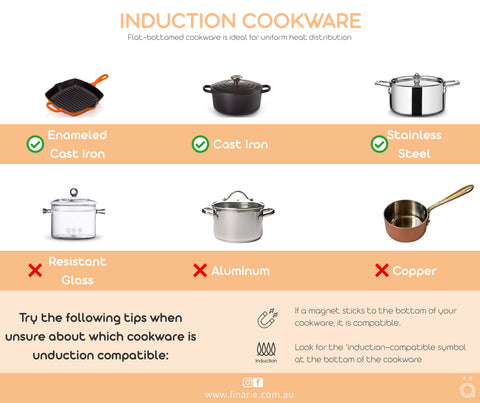
Induction-compatible cookware includes pots and pans made from magnetic materials like cast iron and stainless steel. To test, place a magnet on the bottom of the cookware. If it sticks, it’s suitable for induction cooking. Aluminum or copper pans usually need a magnetic layer for compatibility.
Induction Cooking Basics Induction cooking has transformed the way many people approach cooking, offering a unique blend of speed, efficiency, and safety. Unlike traditional gas or electric cooktops, induction cooktops use electromagnetic energy to directly heat pots and pans. This method not only heats your cookware faster but also keeps your kitchen cooler.How Induction Works
Induction cooking operates through electromagnetic fields that directly transfer heat to the cookware. When you place an induction-compatible pot on the cooktop, the magnetic field induces a current in the pot, generating heat. This means the cooktop itself remains relatively cool, reducing the risk of burns. Your cookware must contain ferrous metal, like cast iron or some stainless steels, to interact with the magnetic field. It’s easy to test compatibility; simply use a magnet. If it sticks to the bottom of the pan, you’re good to go.Advantages Of Induction Cooking
Induction cooking boasts several advantages that might make you consider switching if you haven’t already. It heats pots and pans quicker than conventional methods, reducing cooking time significantly. This can be especially handy during busy weeknights when you need dinner ready fast. Safety is another compelling benefit. Because the cooktop itself doesn’t heat up, accidental burns are less likely, and spills won’t bake onto the surface. Plus, induction cooking is energy-efficient, translating to savings on your electricity bill. Are you intrigued by the idea of a cooler kitchen and quicker meals? Induction cooktops might just be the upgrade you’ve been looking for.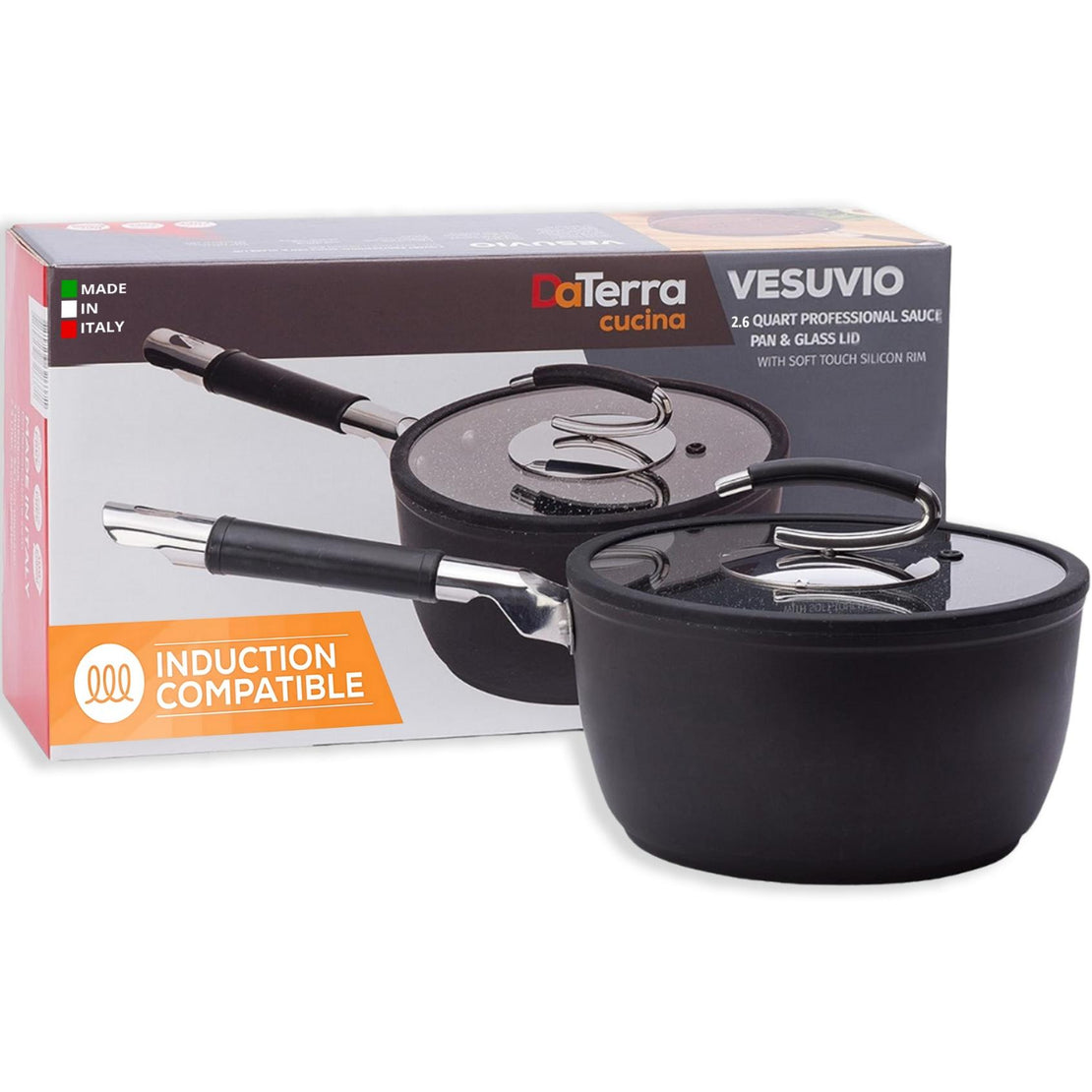
Credit: daterracucina.com
Materials Compatible With Induction
Induction cooking is gaining popularity due to its efficiency and speed. Choosing the right cookware is essential for induction stoves. Induction-compatible cookware must be made from materials with magnetic properties. This ensures the cookware heats up effectively, providing a seamless cooking experience.
Magnetic Properties Explained
Induction cooking relies on magnetic fields to heat cookware. The cooktop generates an electromagnetic field, which interacts with the cookware’s magnetic base. This interaction creates heat directly within the pot or pan. Only materials that can conduct magnetic energy work on induction stoves. This means the cookware must have ferrous materials, like iron or stainless steel.
Common Induction-suitable Materials
- Cast Iron:Heavy and durable, it retains heat well. Its magnetic properties make it perfect for induction.
- Stainless Steel:Not all stainless steel is induction-compatible. Look for those labeled magnetic or induction-ready.
- Carbon Steel:Similar to cast iron, it offers excellent magnetic properties and heats efficiently.
- Enamel-Coated Iron:Combines the benefits of cast iron with a non-stick surface. Suitable for induction cooking.
These materials ensure effective heating and energy efficiency. Always check for an induction-compatible label when purchasing cookware. This guarantees compatibility and optimal performance on your induction stove.
Identifying Induction-compatible Cookware
Induction-compatible cookware must have a magnetic base. Check with a magnet to confirm compatibility. Stainless steel and cast iron often work well, while aluminum and copper need a special magnetic layer.
Identifying Induction-Compatible Cookware Cooking with induction is efficient and safe. But not all cookware works on induction. You need to know what makes cookware induction-compatible. This ensures your pots and pans heat properly.Checking For Magnetic Base
Induction cooktops use magnetic fields to heat. So, cookware must have a magnetic base. Use a magnet to test your cookware. If it sticks strongly, your cookware is likely compatible. A weak magnet connection means it might not work well. The stronger the magnet sticks, the better it will perform.Symbols And Labels To Look For
Manufacturers often mark induction-compatible cookware. Look for symbols on the base or packaging. A coil symbol usually indicates compatibility. Some cookware might say “induction-ready” on the label. These symbols make it easy to identify suitable cookware. Checking labels saves time and avoids frustration.Popular Cookware Types For Induction
Induction cooking is gaining popularity for its efficiency and speed. Choosing the right cookware ensures optimal performance and safety. Not all pots and pans work with induction cooktops. Below, discover popular cookware types that are induction compatible.
Cast Iron Cookware
Cast iron is a favorite for induction cooking. Its natural iron content interacts well with magnetic fields. This type heats evenly and retains heat, making it ideal for slow cooking. Cast iron cookware often comes pre-seasoned, providing a non-stick surface.
Stainless Steel Options
Stainless steel is versatile and durable. Look for pots and pans with a magnetic base. This ensures induction compatibility. Stainless steel offers quick heating and is easy to clean. It’s perfect for everyday cooking tasks.
Non-stick And Aluminum Cookware
Non-stick pans are convenient for quick meals. They require less oil and clean up easily. Aluminum pots need a magnetic base to work on induction stoves. Some manufacturers add a stainless steel layer for this purpose. Check labels to confirm induction compatibility.
Choosing The Right Induction Cookware
Selecting induction-compatible cookware involves checking for a magnetic base. Cast iron and stainless steel are ideal choices. Avoid aluminum or copper unless specified as compatible.
Choosing the right induction cookware can transform your cooking experience. Induction cooking offers efficiency and speed, but it requires specific cookware. Not all pots and pans will work on an induction cooktop. Understanding what makes cookware induction compatible is crucial. This guide will help you find the perfect set for your kitchen.Factors To Consider
When selecting induction cookware, pay attention to material. Induction cooktops use magnetic fields to heat. Thus, pots and pans must be magnetic. Stainless steel and cast iron are excellent choices. Avoid aluminum and copper unless they have a magnetic base. Consider the weight of the cookware. Heavier pots tend to sit better on the cooktop. Ensure the base is flat for even heat distribution. Flat bases enhance cooking efficiency. The size of the cookware matters too. Check the size of the induction zone on your cooktop. Choose cookware that matches these dimensions for optimal performance.Top Brands And Recommendations
Several brands offer reliable induction-compatible cookware. Here are a few popular choices:- All-Clad:Known for high-quality stainless steel options. Durable and efficient for induction cooking.
- Le Creuset:Offers enameled cast iron pieces. They are stylish and functional.
- T-fal:Features budget-friendly options. Many come with a magnetic base for induction use.
- Cuisinart:Provides versatile stainless steel sets. They work well on induction cooktops.
Maintaining Induction Cookware
Induction-compatible cookware must have a magnetic base to work efficiently. Materials like stainless steel and cast iron are ideal. Always check for a “magnetic” label to ensure compatibility with induction cooktops.
Maintaining induction cookware is essential for its long-lasting performance. Proper care ensures your cookware remains efficient and safe. It also helps to preserve the cookware’s appearance and functionality. Follow these simple tips to keep your induction cookware in top condition.Care And Cleaning Tips
Regular cleaning keeps your cookware looking new. Use mild dish soap and warm water. Avoid abrasive cleaners or steel wool. They can scratch the surface. Dry the cookware thoroughly after washing. This prevents water spots and stains. For stubborn residue, soak the pan in warm soapy water. Use a soft sponge to remove the residue gently.Preventing Common Issues
Prevent warping by avoiding sudden temperature changes. Let hot pans cool before washing. Use low to medium heat settings when cooking. High heat can damage the cookware. Ensure the cookware is compatible with your induction cooktop. Check for a flat base and magnetic properties. Proper storage is also crucial. Stack carefully or hang to avoid scratching. Use pan protectors if stacking is necessary.Benefits Of Using Induction Cookware
Induction-compatible cookware, such as stainless steel and cast iron, heats quickly and efficiently. It saves energy and reduces cooking time. The flat surface ensures even heat distribution, improving food quality.
Induction cookware has transformed the way we approach cooking, offering numerous advantages that make it a worthwhile investment for any kitchen. If you’ve ever wondered why so many cooking enthusiasts are switching to induction-compatible pots and pans, the benefits are compelling. From saving energy to enhancing safety, induction cookware delivers both efficiency and ease, making your cooking experience much more enjoyable.Energy Efficiency
Induction cookware is incredibly energy efficient. The technology heats the cookware directly rather than heating the cooktop and then the pot. This means less energy is wasted, and your food cooks faster. Think about it: you’re reducing your energy bills while making dinner. Who wouldn’t want to spend less time and money cooking meals? Many users report a noticeable drop in their utility costs after making the switch.Safety And Convenience
Safety is a priority in any kitchen, and induction cookware excels in this area. The cooktop remains cool to the touch, reducing the risk of burns. This feature is particularly valuable if you have kids around who love to explore the kitchen. Additionally, if you’ve ever been interrupted mid-cooking, you’ll appreciate how induction cooktops automatically turn off when the cookware is removed. It’s peace of mind knowing that a simple distraction won’t lead to a kitchen disaster. The convenience extends to cleaning as well. With a smooth surface that doesn’t heat up, spills and splatters don’t bake on, making clean-up a breeze. Have you experienced the hassle of scrubbing a traditional stovetop? With induction, a simple wipe usually does the trick. Incorporating induction cookware into your kitchen not only benefits your cooking process but also enhances the safety and efficiency of your home. So why not make the switch and enjoy these advantages yourself?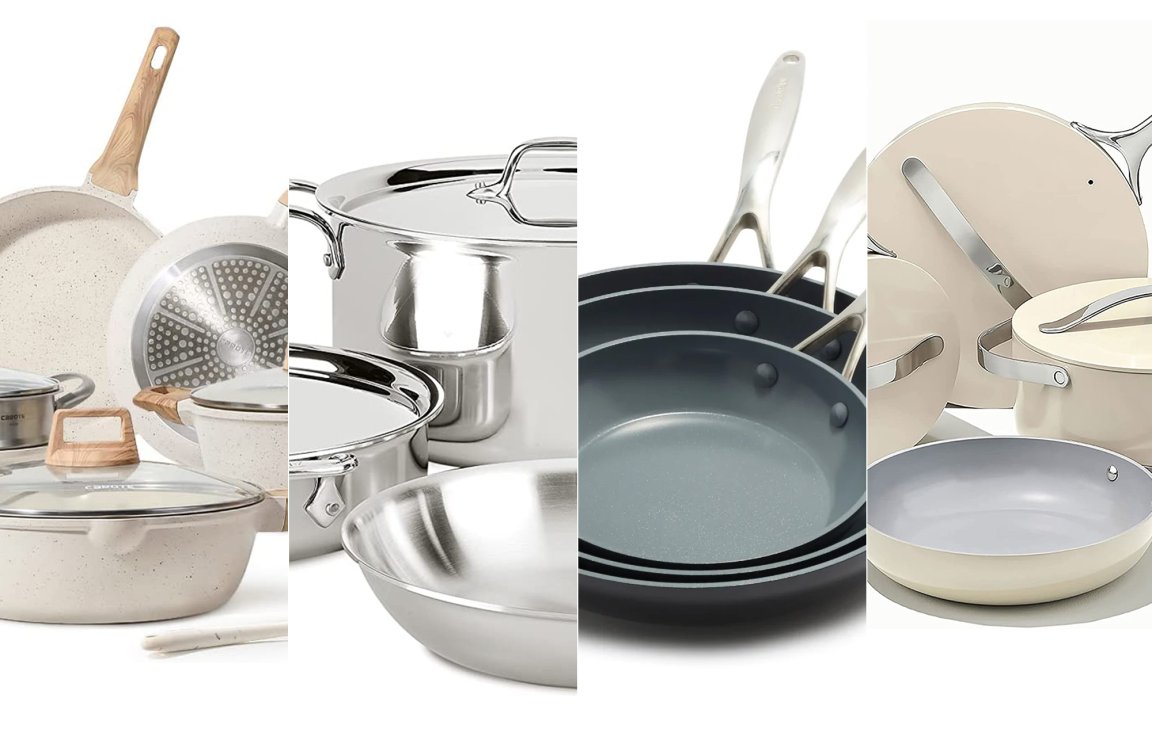
Credit: www.popsci.com

Credit: www.omichef.com
Frequently Asked Questions
What Cookware Works With Induction Cooktops?
Induction cooktops require magnetic cookware to function efficiently. Cast iron, stainless steel, and certain types of enameled cookware are ideal choices. Look for cookware labeled “induction compatible” to ensure it works well with your induction cooktop. Non-magnetic materials like aluminum and copper need a magnetic base to be induction-ready.
How Can I Test Cookware For Induction?
To test cookware for induction compatibility, use a simple magnet. If the magnet sticks to the bottom, it’s induction-compatible. This indicates the presence of ferrous metal, necessary for induction cooking. Always check the manufacturer’s specifications for the best results and performance with induction cooktops.
Is Stainless Steel Induction Compatible?
Yes, stainless steel is often induction compatible. However, not all stainless steel cookware works with induction. Look for stainless steel cookware with a magnetic base for optimal results. High-quality stainless steel pots and pans are great for induction cooking, providing even heat distribution and efficient performance.
Are Non-stick Pans Suitable For Induction Cooking?
Non-stick pans can be induction compatible if they have a magnetic base. Always check the product details to confirm induction compatibility. Many modern non-stick pans are designed for induction cooktops, offering convenience and easy cleaning. Ensure proper maintenance for longevity and optimal cooking results.
Conclusion
Choosing the right cookware for induction is simple. Stainless steel is a popular choice. Cast iron works well too. Avoid aluminum and copper unless they have a magnetic base. Always check for the induction-compatible label. This ensures your cookware will work efficiently.
Induction cooking saves energy and time. It’s a smart choice for modern kitchens. Explore different options to suit your needs. Cook delicious meals with the right tools. Enjoy the benefits of induction cooking. Make informed decisions for your kitchen. Your cooking experience can be smooth and enjoyable.
Happy cooking!