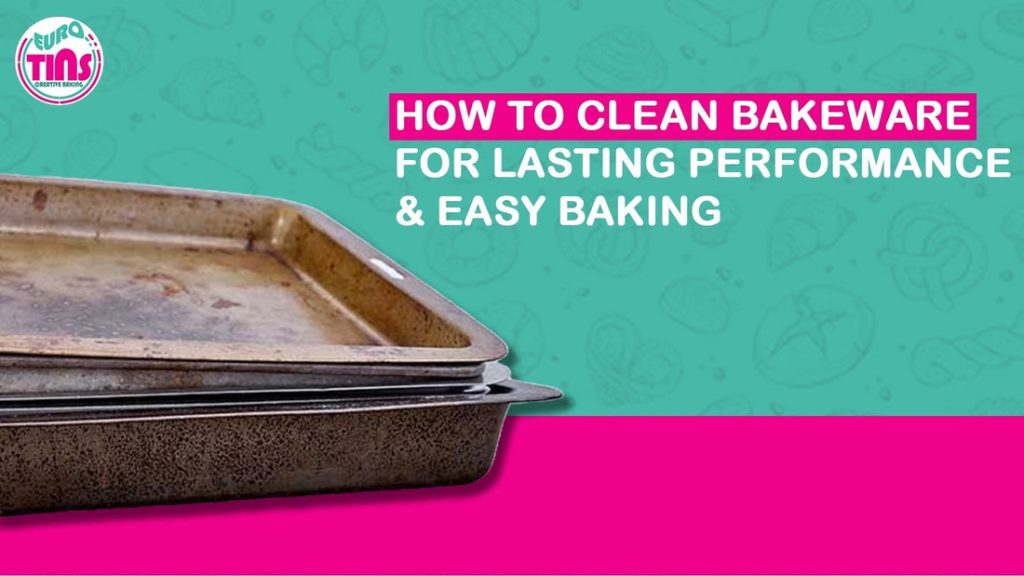
Silicone bakeware has become a kitchen favorite for many home bakers and professional chefs alike. Its non-stick surface, durability, and heat resistance make it a go-to choice for baking enthusiasts.
However, keeping your silicone bakeware clean and in top condition can sometimes be a bit puzzling. Have you ever struggled with stubborn stains or lingering odors? You’re not alone. We’ll uncover the secrets to maintaining your silicone bakeware, ensuring it stays spotless and fresh for every baking adventure.
Ready to make cleaning a breeze and keep your baking masterpieces flawless? Let’s dive in!
Understanding Silicone Bakeware
Cleaning silicone bakeware is straightforward. Use warm soapy water and a soft sponge to remove residue. Rinse thoroughly and air-dry to maintain its non-stick properties.
Understanding Silicone Bakeware Silicone bakeware has become a staple in many kitchens due to its flexibility, non-stick properties, and vibrant colors. But do you really know what makes silicone bakeware unique? Understanding its material composition and benefits can lead to better care and maintenance practices.What Is Silicone Bakeware Made Of?
Silicone bakeware is crafted from a synthetic rubber made of bonded silicon and oxygen. This combination creates a durable material that can withstand temperatures from -40°F to 500°F. It’s versatile and safe for ovens, freezers, and even microwaves.Benefits Of Using Silicone Bakeware
One of the major advantages of silicone bakeware is its non-stick surface. You can often skip greasing the pan, reducing fat intake in your baked goods. Its flexibility also makes it easy to remove cakes and muffins without damaging them.Common Misconceptions About Silicone
Some people believe silicone bakeware can impart flavors or odors to food. However, high-quality silicone is inert and won’t affect taste. If you’re noticing a smell, it may be due to residue or low-quality materials.Durability And Longevity
Silicone bakeware is surprisingly durable and can last for years if properly cared for. Unlike metal pans, silicone won’t rust or dent. However, it can tear if mishandled, so it’s essential to treat it gently.Why Proper Cleaning Matters
Cleaning silicone bakeware correctly ensures it maintains its non-stick properties and vibrant colors. Improper cleaning can lead to build-up, impacting both performance and appearance. Would you want your delicious cupcakes sticking to the pan?Environmental Impact And Safety
Silicone is more environmentally friendly than plastic. It’s reusable and reduces waste, aligning with eco-conscious baking practices. Plus, it’s free from harmful chemicals like BPA, making it a safer choice for your family.Real-life Experience: My Silicone Bakeware Journey
I remember my first silicone muffin tray—bright pink and promising easy release. The first batch was a sticky mess because I didn’t clean it properly. It taught me the importance of understanding my tools for a better baking experience. By getting to know your silicone bakeware, you empower yourself to take better care of it, ensuring great results with every bake. Are you ready to unlock the full potential of your silicone kitchen companions?Benefits Of Silicone Bakeware
How Do You Clean Silicone Bakeware Silicone bakeware is easy to clean with warm water and mild soap. Its non-stick surface prevents food residue, making cleanup quick and simple. Dry thoroughly before storing to maintain its quality.
Silicone bakeware offers many benefits for baking enthusiasts. It’s flexible, non-stick, and easy to handle. This versatile material is perfect for various recipes, making baking a breeze. Its durability and convenience have made it a favorite in kitchens worldwide.Easy Release
Silicone bakeware allows baked goods to pop out effortlessly. No more struggling with stuck cakes or muffins. Its non-stick surface ensures smooth release every time.Durability
Silicone is resistant to wear and tear. It doesn’t rust or stain like traditional bakeware. This makes it a long-lasting choice for frequent bakers.Temperature Flexibility
Silicone can withstand extreme temperatures. It goes from the freezer to the oven without damage. This versatility is ideal for various cooking and baking needs.Space-saving
Silicone bakeware is flexible and can be stored easily. It folds and bends to fit tight spaces. Great for small kitchens with limited storage.Safety Features
Silicone is a safe material for food contact. It doesn’t leach harmful chemicals into food. This makes it a healthier choice for your family.Color Variety
Silicone bakeware comes in many colors. Brighten up your kitchen with fun hues. Choose colors that match your style and mood.Why Regular Cleaning Is Important
Silicone bakeware is a kitchen marvel that brings ease to baking, but neglecting its cleanliness can lead to more harm than you might think. Regular cleaning is crucial not only for maintaining the non-stick surface but also for ensuring that your baked goods remain safe and delicious. Consider this: would you eat off a plate that’s been sitting unwashed for days? The same principle applies to your bakeware.
Every bake leaves tiny residues of oils and crumbs on your silicone bakeware. Over time, these can build up, affecting the performance and longevity of your kitchen tools. If you’ve ever noticed a sticky film on your bakeware, that’s a sign it’s due for a clean. This residue can cause your muffins to stick and cakes to burn, ruining your baking experience.
Regular cleaning also prevents the growth of bacteria and unpleasant odors. Imagine pulling out your bakeware to find it smells less than fresh. A quick wash can prevent this, ensuring your bakeware is always ready for the next culinary masterpiece.
Maintaining The Non-stick Surface
Silicone is renowned for its non-stick properties, but improper care can diminish this quality. Cleaning after each use ensures that the non-stick surface remains intact, saving you from greasing or lining your bakeware. This means less effort in preparation and easier cleanup after baking, keeping your kitchen routine smooth and efficient.
Enhancing Durability
Investing in silicone bakeware is a commitment to quality, and regular cleaning enhances its durability. Silicone is tough but not invincible; neglect can lead to warping or tearing. By keeping it clean, you ensure your bakeware remains as flexible and resilient as the day you bought it.
Ensuring Safe Baking
Safety should always be your priority in the kitchen. The residue left on unclean bakeware can harbor bacteria, posing health risks. Regular cleaning removes these hazards, allowing you to bake with peace of mind. Would you want to serve food that might be contaminated?
Preserving Flavor Integrity
Imagine baking a vanilla cake only to find it tastes vaguely of garlic from last week’s dinner. Cross-contamination of flavors can spoil even the most carefully crafted recipe. Cleaning your bakeware ensures that each dish retains its intended flavors, delighting your taste buds every time.
Incorporating these practices not only keeps your bakeware in top condition but also enhances your overall baking experience. So, grab your sponge and dish soap, and give your silicone bakeware the care it deserves!
Materials Needed For Cleaning
Gather warm soapy water, a soft sponge, and baking soda to clean silicone bakeware effectively. Avoid abrasive cleaners to maintain its non-stick surface. Rinse thoroughly with water to remove any soap residue.
Cleaning silicone bakeware requires the right materials to ensure it remains in good condition. Silicone is non-stick and flexible, making it ideal for baking. But it can attract grease and odors if not cleaned properly. Using appropriate cleaning materials helps maintain its quality and extends its life. Below, we discuss essential items you need for cleaning silicone bakeware.1. Dish Soap
Use mild dish soap for cleaning. It effectively removes grease and residue. Avoid harsh chemicals that can damage the silicone surface.2. Warm Water
Warm water helps loosen stubborn stains. It makes the cleaning process easier and more effective. Ensure water is not too hot to avoid warping the silicone.3. Soft Sponge Or Cloth
A soft sponge is gentle on silicone surfaces. It helps scrub away dirt without causing scratches. A microfiber cloth is also suitable for wiping.4. Baking Soda
Baking soda is a natural cleaner. It’s great for tackling tough stains and odors. Sprinkle some on the sponge for extra scrubbing power.5. White Vinegar
White vinegar acts as a deodorizer. It removes lingering smells from your bakeware. Mix it with water for a simple cleaning solution.6. Drying Rack Or Towel
After washing, dry your bakeware thoroughly. Use a drying rack to air dry. A clean towel works well for patting it dry.Preparing Silicone Bakeware For Cleaning
Preparing silicone bakeware for cleaning involves removing any leftover food particles. Use warm, soapy water for effective washing. Rinse thoroughly to ensure all soap residue is gone, leaving bakeware spotless and ready for future use.
Cleaning silicone bakeware is essential to ensure it remains in top condition for your delicious creations. Proper preparation can make the cleaning process a breeze. Silicone bakeware is known for its non-stick properties, but it can still accumulate residue from baking, which requires attention before you begin washing. By following some simple steps, you can effectively prepare your bakeware for a thorough cleaning and maintain its quality for years to come.Remove Loose Debris
Begin by removing any crumbs or loose pieces of food from the bakeware. Use your fingers or a soft brush to gently sweep away any bits that might be stuck. This step prevents these particles from sticking even more during the washing process.Pre-soak In Warm Water
Fill your sink with warm water and add a small amount of mild dish soap. Submerge the silicone bakeware and let it soak for 15-30 minutes. This helps loosen any stubborn grease or residue, making it easier to clean later.Scrub With A Soft Sponge
After soaking, use a soft sponge or cloth to gently scrub the surface. Focus on areas where residue tends to build up, such as corners and edges. Avoid using abrasive cleaners or scrubbers that could damage the silicone.Rinse Thoroughly
Once scrubbing is complete, rinse the bakeware thoroughly with warm water. Ensure that all soap is washed away to prevent any lingering taste or smell in your future baked goods. A clean rinse is crucial to maintaining the integrity of the silicone material.Check For Remaining Stains
Inspect the bakeware for any remaining stains or residue. If you notice persistent spots, consider repeating the soaking and scrubbing process. Persistent stains might need a bit more attention, but don’t worry—it’s all part of keeping your bakeware spotless. Have you ever wondered why some stains refuse to budge despite your best efforts? It might be time to reassess the cleaning products or techniques you’re using. By understanding your bakeware’s needs, you can adjust your approach and achieve better results.
Credit: puracy.com
Basic Cleaning Techniques
Silicone bakeware is a favorite among many bakers due to its non-stick properties and flexibility. However, keeping it clean can be a bit tricky. Understanding the basic cleaning techniques ensures your silicone bakeware lasts longer and performs optimally. Let’s dive into some effective ways to maintain your bakeware without damaging it.
Using Warm Water And Soap
Warm water combined with a mild dish soap is often all you need to clean silicone bakeware. Start by rinsing off any residual food particles. You can use your fingers or a soft sponge to gently scrub the surfaces. If stubborn spots remain, soak the bakeware in warm soapy water for a few minutes before wiping them off.
Always rinse thoroughly to remove soap residue. You might be surprised how effective this simple technique is. Have you ever wondered why warm water works so well? It helps break down oils and residues, making cleaning much easier.
Avoiding Abrasive Materials
Although it might be tempting to use a scouring pad for those baked-on stains, abrasive materials can damage your silicone bakeware. Stick to soft sponges or cloths to maintain the integrity of the surface. You don’t want to risk scratching or tearing the silicone.
Consider this: a gentle touch can be your best tool. Silicone is durable, but using the wrong cleaning tools can affect its non-stick properties. Have you tried using a soft brush to tackle those stubborn corners? It might be just what you need.
Removing Stubborn Stains
Cleaning silicone bakeware can be easy with the right approach. Use a paste of baking soda and water to scrub away stubborn stains. Rinse thoroughly to ensure no residue remains.
Cleaning silicone bakeware can be a challenge, especially when dealing with stubborn stains. Unlike traditional bakeware, silicone often holds onto grease and residues, making regular washing insufficient. But don’t worry, there are effective methods to tackle those persistent marks and keep your silicone bakeware looking brand new.Baking Soda And Vinegar Method
Baking soda and vinegar are your go-to duo for combating tough stains on silicone. Start by making a paste with baking soda and water. Apply this paste generously over the stained areas of your bakeware. Next, drizzle vinegar over the paste. This will create a fizzing reaction that helps break down the stains. Let it sit for 15-20 minutes, allowing the mixture to work its magic. Scrub the area gently with a soft brush or sponge. Rinse thoroughly with warm water, and admire the refreshed look of your bakeware. Have you noticed how simple household items can be so effective?Lemon Juice For Grease Spots
Lemon juice isn’t just for flavoring your dishes; it’s a powerful natural degreaser. If your silicone bakeware is plagued by greasy spots, lemon juice can be a savior. Squeeze fresh lemon juice directly onto the greasy areas. Let it sit for about 10 minutes. The acidity of the lemon will help break down the grease. Use a soft sponge to scrub the area, then rinse with warm water. You might be surprised by how fresh and clean your bakeware feels after this simple treatment. Do you have any other household tips for cleaning stubborn stains? Share your experiences and let’s learn from each other!Deep Cleaning Options
Cleaning silicone bakeware requires gentle techniques to maintain its quality. Use warm soapy water and a soft sponge to remove residue. For stubborn stains, a paste of baking soda and water can be effective.
Cleaning silicone bakeware can sometimes be a bit tricky, especially if you’ve got stubborn stains or a lingering smell of vanilla from your last baking adventure. Fear not, because deep cleaning options are your go-to solution for restoring your bakeware to its pristine condition. You might be surprised to learn that a little extra effort can yield significant results, making your silicone pans look brand new. Let’s dive into some effective deep cleaning techniques.Boiling Method
The boiling method is a fantastic way to remove stubborn grease stains. Fill a large pot with water and bring it to a boil. Once boiling, carefully submerge your silicone bakeware into the water. Let it simmer for about 10 minutes. You might notice grease or residue rising to the surface. This is a good sign, indicating that the unwanted build-up is breaking down. After boiling, use a non-abrasive sponge to scrub any remaining residue. Make sure to rinse thoroughly under hot water before drying. This method works wonders, especially if you’re dealing with pesky oily spots.Dishwasher Use
If you’re lucky enough to have a dishwasher, it can be a lifesaver for cleaning silicone bakeware. Place your bakeware on the top rack to avoid any warping from intense heat. Use a regular wash cycle with a good quality detergent. The dishwasher’s heat and water pressure work together to dislodge food particles and grease. However, it’s essential to check your bakeware’s manual for dishwasher safety instructions. While the dishwasher is convenient, sometimes a little hand scrubbing before placing it in can enhance results. This dual approach ensures your silicone bakeware remains spotless and ready for your next baking session.Maintaining Silicone Bakeware
Cleaning silicone bakeware is simple. Wash with warm, soapy water to remove residues. For stubborn stains, use a gentle scrub brush.
Maintaining silicone bakeware ensures its longevity and performance. Silicone bakeware is popular for its non-stick properties and flexibility. Proper care keeps it in top shape for years.Proper Storage Tips
Store silicone bakeware flat or upright. Avoid stacking heavy objects on top. This prevents warping and damage. Use a dedicated space in your kitchen. Keep it clean and dry before storing. Moisture can cause unwanted odors or mold.Regular Inspection For Damage
Check silicone bakeware for damage regularly. Look for tears, punctures, or deformities. Damaged bakeware can affect baking results. Replace any bakeware with significant damage. Small tears can grow larger over time. Inspect after each use for best results.
Credit: puracy.com
Common Mistakes To Avoid
Using abrasive cleaners can damage silicone bakeware. High heat drying may cause warping. Avoid sharp objects to prevent tears.
Cleaning silicone bakeware can be a breeze once you know the right methods. However, it’s easy to make mistakes that can lead to frustration or even damage your bakeware. By avoiding common pitfalls, you can ensure your silicone bakeware lasts longer and performs better. Let’s dive into some of these mistakes.Using Abrasive Cleaners
Avoid harsh scrubbers or abrasive cleaners when washing silicone bakeware. These can scratch the surface and degrade its non-stick properties. Instead, opt for a soft sponge or cloth with mild dish soap to keep your bakeware looking new.Ignoring Stubborn Stains
It’s tempting to let stubborn stains sit, hoping they’ll magically disappear. This can cause stains to set, making them harder to remove. Tackle stains with a paste of baking soda and water, letting it sit for a few minutes before rinsing thoroughly.Not Drying Properly
Leaving silicone bakeware wet can lead to mold or a lingering smell. Ensure you dry it completely before storing. A simple way is to let it air dry or use a clean towel to wipe away excess moisture.Skipping The Pre-wash
Even if your bakeware looks clean, skipping a pre-wash can lead to baked-on residue. Always give your silicone a quick rinse before use to ensure any leftover oils or dust are removed. This helps maintain the integrity of your baked goods.Storing Incorrectly
Piling heavy items on top of silicone bakeware can cause it to warp. Store it flat or in an upright position to maintain its shape. Consider dedicating a specific spot in your cupboard to avoid stacking issues.Using High Heat
Exposing silicone bakeware to temperatures beyond its limit can cause damage. Always check the manufacturer’s guidelines for maximum temperature settings. This ensures your bakeware remains safe and effective for future use. By being mindful of these common mistakes, you can keep your silicone bakeware in top condition. Do you have any other tips or personal experiences with silicone bakeware? Share them in the comments!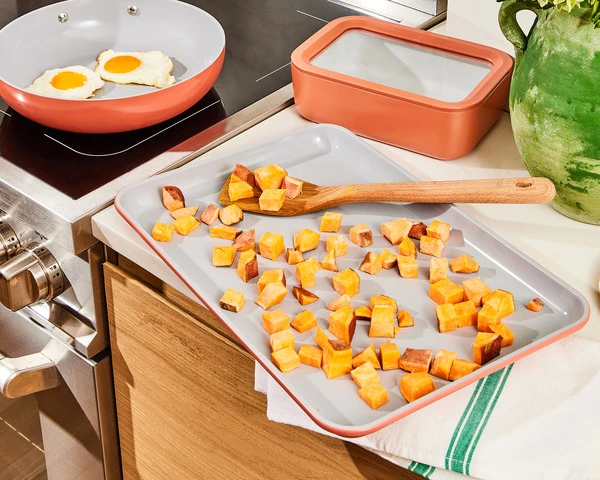
Credit: www.carawayhome.com
Frequently Asked Questions
How Do You Remove Stains From Silicone Bakeware?
To remove stains from silicone bakeware, use a paste of baking soda and water. Apply it to the stained areas and let it sit for 30 minutes. Then, scrub gently with a non-abrasive sponge and rinse thoroughly. This method helps restore the bakeware’s original appearance.
Can You Dishwasher Silicone Bakeware Safely?
Yes, silicone bakeware is dishwasher safe. Place it on the top rack to ensure thorough cleaning. However, for stubborn stains or odors, hand washing with warm, soapy water is recommended. This will maintain the bakeware’s quality and extend its lifespan.
Why Does Silicone Bakeware Get Sticky?
Silicone bakeware can become sticky due to oil residue. This happens when oils aren’t completely removed during washing. To prevent stickiness, clean thoroughly with warm, soapy water and a non-abrasive sponge. Regular cleaning helps maintain its non-stick properties and ensures better baking results.
How Do You Deodorize Silicone Bakeware?
To deodorize silicone bakeware, soak it in a mixture of vinegar and water for 30 minutes. Rinse thoroughly afterward. This solution neutralizes odors effectively. Alternatively, baking soda can also be used to eliminate persistent smells, ensuring your bakeware remains fresh and odor-free.
Conclusion
Cleaning silicone bakeware can be simple and stress-free. Use warm water and mild soap. Avoid harsh chemicals or rough scrubbing tools. Baking soda can help remove stubborn stains. Ensure the bakeware dries thoroughly before storage. Regular cleaning keeps your bakeware in top condition.
Proper care extends its life and ensures safety. Silicone bakeware offers easy cleaning with minimal effort. Enjoy baking with clean, durable tools. Keep your kitchen routine smooth and efficient. With these tips, maintain your bakeware’s quality for years. Happy baking with spotless silicone ware!