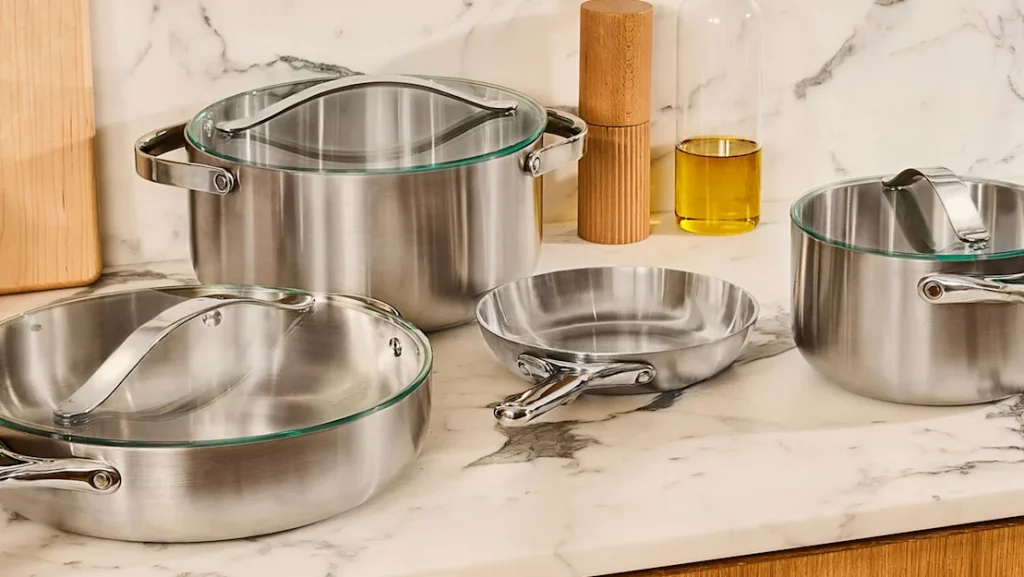
Imagine you’re in the kitchen, ready to whip up a delicious meal. You reach for your favorite pan, noticing it’s labeled as “clad.”
But what does “clad” actually mean in cookware? Understanding this term can transform your cooking experience, potentially leading to tastier dishes and more efficient kitchen practices. You’re about to discover how this simple word could impact your culinary skills, making every meal a masterpiece.
Dive into the world of clad cookware, where science meets cooking, ensuring you get the best results every time you fire up the stove. Keep reading to unlock the secrets behind this essential kitchen term and elevate your cooking game!
Clad Cookware Basics
Clad cookware features layers of different metals bonded together. This design improves heat distribution and cooking performance. Often, stainless steel surrounds a core of aluminum or copper.
Clad cookware is a popular choice among home cooks and professional chefs alike. It combines the benefits of different metals to enhance cooking performance. Knowing the basics of clad cookware helps in understanding its unique advantages.What Is Clad Cookware?
Clad cookware is made by bonding different metals. Typically, stainless steel is combined with aluminum or copper. This combination offers even heat distribution and durability. Stainless steel is strong and resistant to rust. Aluminum or copper ensures quick, even heating. There are several types of clad cookware available. Two-ply cookware features stainless steel and aluminum layers. Three-ply cookware adds another layer for improved heat control. Five-ply cookware includes additional layers for superior performance. Each type has its own benefits for different cooking needs.Why Choose Clad Cookware?
Clad cookware offers many advantages. It heats evenly, reducing hot spots in the pan. This ensures food cooks uniformly. It also retains heat well, saving energy during cooking. Furthermore, its durable construction makes it long-lasting.Care And Maintenance Tips
Proper care extends the life of clad cookware. Use mild detergent and soft sponges for cleaning. Avoid metal utensils to prevent scratches. Handwashing is recommended to maintain the finish. Regular care keeps cookware looking new and performing well.Types Of Clad Cookware
Clad cookware means layers of metal bonded together for better heat distribution. Common types include stainless steel with aluminum or copper layers. This combination ensures even cooking and durability, making it ideal for various cooking tasks.
Understanding the types of clad cookware can significantly enhance your cooking experience. Clad cookware refers to pots and pans crafted with layers of different metals to optimize cooking performance. This layering technique improves heat distribution and durability, making it a favorite among both amateur cooks and professional chefs.Fully Clad
Fully clad cookware features layers of metals that extend from the bottom of the pan to the rim. This design ensures even heat distribution throughout the entire cooking surface. Imagine cooking a delicate sauce and having it heat uniformly without any hot spots. A personal cooking mishap taught me the value of fully clad cookware. While attempting to make a creamy custard, I noticed it cooked perfectly without any burns, thanks to the consistent heat. Fully clad options, like a stainless steel pan with an aluminum core, are versatile and can handle various cooking techniques—from searing to simmering. They might cost a bit more upfront, but the investment pays off in quality and longevity.Bottom Clad
Bottom clad cookware has a layer of conductive material, usually aluminum or copper, only at the base. This design is great for tasks like boiling, where heat primarily comes from the bottom. However, if you’ve ever noticed uneven cooking while sautéing, it’s likely due to bottom clad construction. This type of cookware might not offer the same consistency as fully clad, especially when food requires uniform heat from all sides. Yet, bottom clad pieces can be more budget-friendly, making them suitable for basic cooking needs. Consider your cooking style when choosing between fully clad and bottom clad—do you prioritize even heating, or is cost a bigger factor? Ultimately, understanding these types can help you select the right tool for your culinary adventures. Which type of clad cookware do you think would suit your cooking style best?Materials Used In Clad Cookware
Clad cookware involves bonding layers of different metals like aluminum and stainless steel. This combination ensures even heat distribution. The process enhances durability and cooking efficiency.
Understanding the materials used in clad cookware enhances cooking experiences. Clad cookware consists of layers of different metals. These layers improve heat distribution and durability. Let’s explore the common materials used in clad cookware.Stainless Steel
Stainless steel is a popular choice. It is durable and resistant to rust. This material provides a sleek and modern appearance. Stainless steel is non-reactive, ensuring food flavors remain unchanged. Though it lacks heat conductivity, it is often used in combination with other metals.Aluminum
Aluminum is lightweight and an excellent heat conductor. It helps distribute heat evenly across the cookware. This prevents hot spots and ensures uniform cooking. Aluminum layers are often encapsulated between stainless steel. This combines the strengths of both materials.Copper
Copper is renowned for its superior heat conductivity. It responds quickly to changes in temperature. This allows precise control during cooking. Copper provides a unique aesthetic appeal with its warm hue. It is usually combined with stainless steel to prevent reactions with food.
Credit: www.all-clad.com
Benefits Of Clad Cookware
Clad cookware features layers of different metals bonded together. This design ensures even heat distribution and prevents hot spots. Durability and efficient cooking make it a popular choice for home chefs.
Clad cookware offers unique advantages that make it a favorite in many kitchens. Its construction combines layers of different metals. This enhances cooking performance and durability. Let’s explore the key benefits of clad cookware.Even Heat Distribution
Clad cookware ensures heat spreads evenly across the surface. This prevents hotspots that can burn food. It allows for consistent cooking results. Your dishes cook uniformly, enhancing flavor and texture. This feature is especially useful for delicate dishes.Durability
Clad cookware is built to last. Its layered design strengthens the structure. It resists warping and damage over time. This makes it a reliable choice for everyday use. Investing in clad cookware means fewer replacements. This saves money in the long run.Versatility
Clad cookware is versatile. It works on various heat sources like gas, electric, and induction. This flexibility is ideal for different cooking methods. From searing to simmering, clad cookware adapts with ease. It can also move from stovetop to oven without issue. This makes it suitable for many recipes.Choosing The Right Clad Cookware
Clad cookware features layers of different metals bonded together. This design enhances heat distribution and durability. Stainless steel with an aluminum or copper core is popular for even cooking.
Choosing the right clad cookware can make a significant difference in your cooking experience. Clad cookware, often characterized by multiple layers of metals, provides the best of both worlds—durability and heat conductivity. But how do you decide which type is best for your kitchen? Let’s explore some key considerations.Cooking Style Considerations
Your cooking style plays a crucial role in selecting the perfect clad cookware. If you frequently sear meats, a stainless steel cladded pan with an aluminum core might be ideal due to its excellent heat retention. On the other hand, if you love simmering sauces, a copper-clad pan can provide precise temperature control. Think about the dishes you cook most often. Are you a fan of quick stir-fries or long, slow braises? This insight will guide you to the right choice.Budget Factors
Budget is another important factor when choosing clad cookware. High-end options, like those with copper layers, can be pricey but offer unparalleled performance. However, there are also affordable stainless steel and aluminum options that provide excellent value for money. Consider how much you’re willing to invest. Is this a long-term addition to your kitchen arsenal, or are you looking for a temporary solution? Weighing these factors can help you make an informed decision without breaking the bank.
Credit: maisonpur.com
Care And Maintenance
Clad cookware features layers of metals bonded together for even heat distribution. Proper care keeps its surface shiny and functional. Regular cleaning with mild soap maintains its performance and prolongs its lifespan.
Caring for clad cookware ensures its longevity and performance. Proper maintenance keeps it looking new and functioning well. Knowing the best cleaning and storage practices can make a big difference.Cleaning Tips
Regular cleaning preserves the cookware’s quality. Use warm water and mild soap for everyday cleaning. Avoid harsh scrubbers that may damage the surface. For stuck-on food, soak the cookware in warm, soapy water. This helps loosen residues without scratching. Dry thoroughly with a soft cloth to prevent water spots.Storage Suggestions
Proper storage prevents scratches and dents. Stack cookware carefully, placing a soft cloth between each piece. This protects the surface from damage. Store lids separately or upside down inside the pots. This saves space and keeps them organized. Use pot racks or hooks for easy access and better ventilation.Popular Brands
Clad cookware features layers of different metals bonded together. This design enhances heat distribution and durability. Popular brands often use stainless steel and aluminum for optimal cooking performance.
When it comes to purchasing cookware, the term “clad” often pops up, leading you to wonder about its significance. Essentially, clad cookware refers to pots and pans constructed with multiple layers of metal, usually stainless steel and aluminum, to optimize heat distribution and durability. Understanding the popular brands that offer clad cookware can guide you in making an informed decision. Let’s explore some renowned names in the world of clad cookware.All-clad
All-Clad is a pioneer in clad cookware, famous for its exceptional craftsmanship and performance. Founded in the 1970s, this brand has set the standard for multi-layered cookware. Their products are engineered to provide superior heat conductivity, ensuring your culinary creations are perfectly cooked. You might find that investing in All-Clad pays off with its long-lasting durability. Many home cooks and professional chefs swear by this brand, citing the even cooking results as a game-changer.Calphalon
Calphalon offers a wide range of clad cookware, making it accessible for different budgets and needs. Known for its innovative non-stick surfaces combined with clad technology, Calphalon promises easy food release and cleanup. This brand balances quality with affordability, providing options for both beginner cooks and seasoned chefs. Whether you’re sautéing vegetables or simmering sauces, Calphalon’s even heating will elevate your cooking experience. Have you ever tried making a delicate sauce and ended up with hot spots? This is where Calphalon shines.Cuisinart
Cuisinart, a household name in kitchen appliances, also excels in clad cookware. Their products often feature a stainless steel exterior with an aluminum core, ensuring efficient heat distribution. Cuisinart is a go-to brand for those seeking reliable cookware without breaking the bank. Cuisinart’s clad cookware is perfect for everyday cooking tasks. From boiling pasta to frying eggs, you can expect consistent results. Consider how your kitchen could benefit from cookware that’s both practical and stylish.
Credit: therationalkitchen.com
Comparing Clad Cookware To Other Types
Clad cookware features layers of different metals bonded together, enhancing heat distribution and cooking performance. Unlike single-material cookware, clad designs ensure even cooking and reduce hot spots. This type of cookware often combines the benefits of stainless steel with the heat conductivity of aluminum or copper.
Comparing Clad Cookware to Other Types Choosing the right cookware can significantly impact your cooking experience. Clad cookware, known for its even heat distribution, often stands out. But how does it compare to other popular options like non-clad cookware and cast iron?Non-clad Cookware
Non-clad cookware typically features a single layer of metal. This can lead to uneven heating, which might result in hot spots. Cooking delicate dishes can become tricky due to these temperature inconsistencies. While non-clad options are generally more affordable, they often lack the durability and efficiency of their clad counterparts. If you’ve ever experienced unevenly cooked meals, non-clad cookware might be the culprit.Cast Iron
Cast iron is celebrated for its excellent heat retention. This makes it ideal for slow-cooked dishes. However, it can be heavy and requires regular maintenance to prevent rust. Unlike clad cookware, which provides immediate heat responsiveness, cast iron takes time to heat up and cool down. This could be a disadvantage if you need quick temperature adjustments. Have you ever tried lifting a cast iron skillet with one hand? It can be quite the workout! In summary, while each type of cookware has its strengths, clad cookware offers a balance of durability, even heating, and user-friendly maintenance. Consider your cooking needs and habits when deciding which type to invest in.Frequently Asked Questions
What Is Clad Cookware Made Of?
Clad cookware consists of multiple metal layers, typically stainless steel and aluminum. This combination ensures even heat distribution and durability. The aluminum core enhances heat conduction, while stainless steel provides a non-reactive cooking surface. This design improves cooking performance and prevents hotspots, making it ideal for various cooking techniques.
Is Clad Cookware Better Than Non-clad?
Clad cookware offers superior heat distribution compared to non-clad options. Its layered construction minimizes hotspots, ensuring evenly cooked food. Additionally, clad cookware is more durable and often non-reactive, making it suitable for acidic foods. While it may be pricier, its performance and longevity make it a worthwhile investment.
How Do I Clean Clad Cookware?
Clean clad cookware using warm soapy water and a soft sponge. Avoid abrasive cleaners to prevent scratching. For stubborn stains, create a paste with baking soda and water, then gently scrub. To maintain shine, polish with a stainless steel cleaner.
Proper cleaning ensures longevity and optimal cooking performance.
Can Clad Cookware Be Used On All Stovetops?
Yes, clad cookware is versatile and compatible with all stovetops, including induction. Its multi-layered construction provides even heat distribution on gas, electric, and induction cooktops. Ensure the cookware’s base is flat for optimal performance on glass and induction surfaces. Always verify compatibility with the manufacturer’s guidelines.
Conclusion
Understanding clad cookware helps you choose the best kitchen tools. It offers even heat distribution, reducing cooking time. Stainless steel layers add durability and prevent rust. Aluminum core enhances heat conduction, ensuring perfect results. Clad cookware combines benefits of different materials into one.
It is versatile and suitable for various cooking styles. Remember to consider your cooking needs before buying. Knowing the basics makes smart shopping easier. With this knowledge, you can make informed decisions. Enjoy a more efficient cooking experience with the right cookware.
Cooking becomes more enjoyable with the right tools.