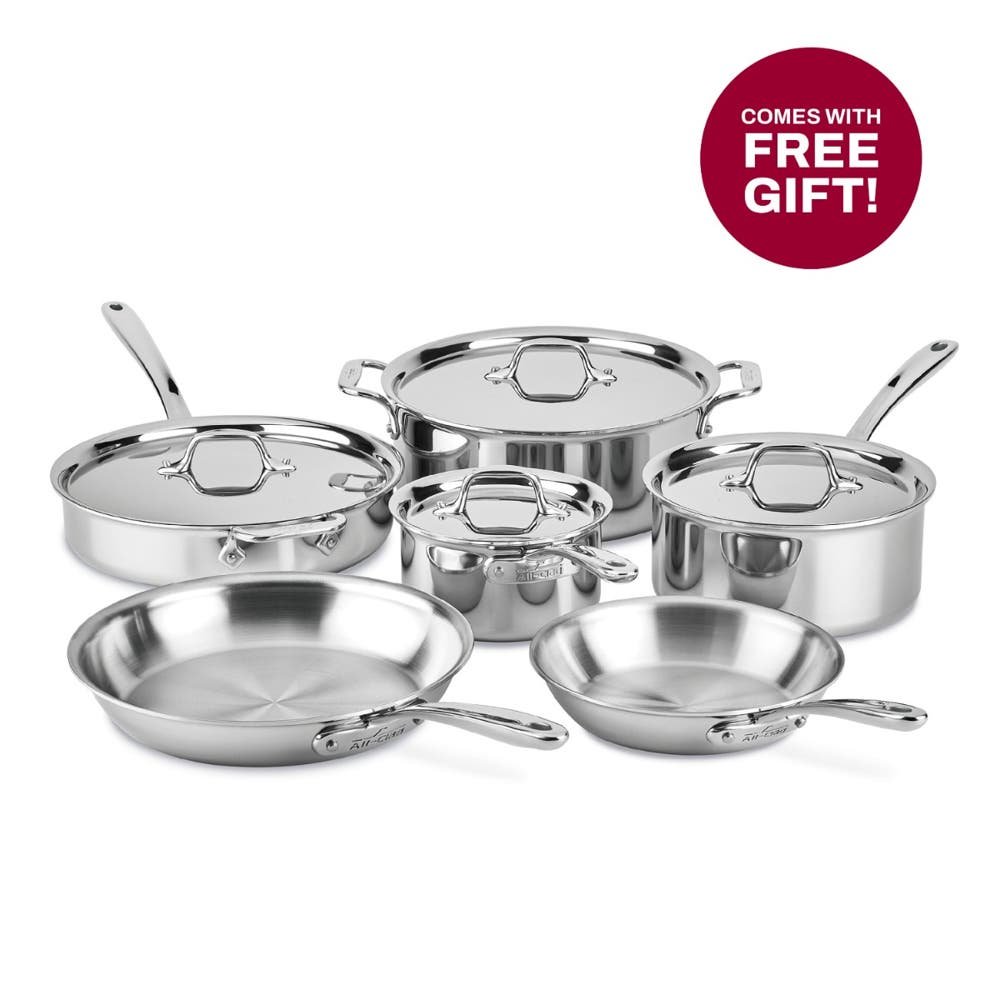
Imagine reaching for your favorite All Clad stainless steel pan, only to find it marred by stubborn stains and burnt-on residue. You’ve invested in top-quality cookware, and keeping it pristine is essential not just for appearance, but for performance too.
Whether you’re a seasoned chef or a home cook, knowing how to effectively clean your All Clad stainless steel cookware can transform your cooking experience. With just a few simple steps, you can ensure that your pots and pans remain as gleaming as the day you bought them.
Dive into this guide to discover practical tips that will make cleaning a breeze, restoring your cookware to its original shine and longevity, and ultimately enhancing your culinary creations.
Understanding All Clad Cookware
Understanding All Clad Cookware is essential to maintaining its quality and ensuring it continues to serve you well in the kitchen. Renowned for its durability and exceptional performance, All Clad stainless steel cookware is a staple in many households. However, like all kitchen tools, it requires proper care and cleaning to preserve its pristine condition and functionality. Let’s delve into its features, benefits, and common issues to enhance your cooking experience.
Features And Benefits
All Clad cookware stands out for its three-layer construction, with a core of aluminum sandwiched between stainless steel. This design ensures even heat distribution, eliminating hot spots that can ruin a dish.
Durability is another hallmark. The stainless steel exterior resists warping and retains its shine, making it perfect for both professional chefs and home cooks. Imagine never having to replace your pots and pans because they simply don’t wear out.
Additionally, All Clad is compatible with all stovetops, including induction, offering versatility in your cooking techniques. Are you ready to explore new recipes without worrying about your cookware?
Common Issues
Despite its advantages, All Clad cookware isn’t immune to common kitchen mishaps. Discoloration and stains can appear over time, especially if exposed to high heat or acidic foods.
Food residue can sometimes stick to the surface, making cleanup challenging. A simple soak can often solve this, but knowing how to properly clean without damaging the cookware is crucial.
Scratches from metal utensils are another concern, yet a gentle approach can prevent these unsightly marks. Are you using the right utensils to maintain your cookware’s sleek finish?
Essential Cleaning Tools
Keeping All Clad stainless steel cookware pristine can be simple. Having the right cleaning tools makes all the difference. This section explores essential tools for effective cleaning. These tools help maintain the shine and durability of your cookware.
Recommended Cleaning Agents
Choose cleaning agents that are safe and effective. Stainless steel cleaners are ideal for tough stains. Mild dish soap is perfect for daily cleaning. Baking soda acts as a gentle scrubber for stubborn spots. Vinegar helps remove mineral deposits and water stains. Each agent ensures a thorough clean without damaging the surface.
Tools To Avoid
Some tools can scratch or damage the cookware surface. Avoid steel wool or abrasive pads as they can leave marks. Harsh chemical cleaners may tarnish the finish. Non-stick or coated cookware cleaners are not suitable. These tools can harm the stainless steel finish, reducing its lifespan.
Daily Cleaning Routine
Maintaining your All Clad stainless steel cookware is simple with a daily routine. Regular cleaning preserves its shine and extends its lifespan. Follow these easy steps to keep your cookware looking brand new.
Basic Cleaning Steps
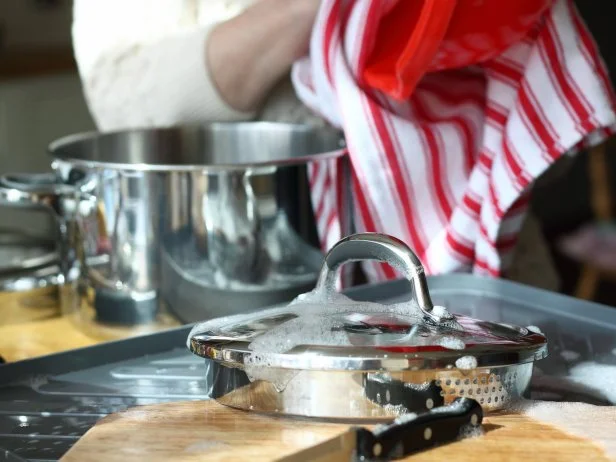
Start by rinsing the cookware with warm water. Use a soft sponge with mild detergent to scrub the surface. Avoid using harsh abrasives that can scratch the steel. Rinse thoroughly to remove all soap residue. Dry with a clean towel to prevent water spots.
Quick Maintenance Tips
- Clean after each use to avoid stubborn stains.
- Use baking soda for gentle scrubbing when needed.
- Avoid high heat to prevent food sticking.
- Store properly to maintain its finish.

Credit: www.all-clad.com
Tackling Tough Stains
Cleaning All Clad stainless steel cookware requires simple steps. Use warm, soapy water and a soft sponge for daily stains. For tougher spots, a mixture of vinegar and baking soda can be effective.
Tackling tough stains on All Clad stainless steel cookware can feel daunting. Yet, with the right techniques, restoring its shine becomes manageable. Here, we’ll explore effective methods for removing stubborn stains and ensuring your cookware looks pristine.Removing Burnt Residue
Burnt residue can be stubborn. Start by filling the pan with warm water. Add a few drops of dish soap. Let it soak for about 15 minutes. Use a non-abrasive sponge to scrub gently. For tougher spots, sprinkle baking soda. Scrub again with the sponge. Rinse thoroughly with warm water. Dry with a soft cloth to avoid water spots.Dealing With Discoloration
Discoloration on stainless steel can occur over time. Vinegar is an effective remedy. Pour a small amount of vinegar into the pan. Use a soft cloth to rub the area. This helps restore the steel’s natural color. For persistent stains, create a paste. Mix baking soda with a little water. Apply it to the discolored area. Scrub gently with a sponge. Rinse and dry to reveal a like-new shine.Special Care Techniques
All Clad stainless steel cookware is known for its durability and shine. To maintain its pristine condition, special care techniques are essential. These techniques not only preserve the cookware’s quality but also enhance its appearance. Below are some methods to ensure your cookware remains in top shape.
Polishing For Shine
Polishing keeps your stainless steel cookware looking new. Use a non-abrasive cleaner specifically designed for stainless steel. Apply a small amount on a soft cloth and gently rub the surface. Focus on areas with dull spots. Buff the cookware using circular motions. This technique enhances the natural shine. Rinse thoroughly with warm water afterward. Dry it immediately to avoid water spots.
Handling Scratches
Scratches can occur even with careful use. To minimize their appearance, a stainless steel polish can be helpful. Apply the polish to a clean, dry cloth. Rub over the scratched area gently. Use back-and-forth motions for effective results. For deeper scratches, a specialized scratch remover may be required. Follow the product instructions carefully. Regular maintenance can prevent new scratches. Keep the cookware stored properly to avoid damage.

Credit: www.industrykitchens.com.au
Preventive Measures
Preventive measures include using gentle dish soap and a soft sponge to clean All Clad stainless steel cookware. Avoid abrasive cleaners and steel wool to protect the surface. Dry thoroughly to prevent water spots.
Keeping your All Clad stainless steel cookware in pristine condition isn’t just about a good cleaning routine. It’s also about taking preventive measures to protect your investment. By using your cookware correctly and storing it properly, you can extend its lifespan and maintain its beauty. Let’s dive into some practical ways to prevent damage and ensure your stainless steel pots and pans stay as good as new.Proper Usage Tips
Using your stainless steel cookware correctly can significantly reduce the need for intensive cleaning. Always preheat your pan before adding oil or food. This can help prevent sticking and make cleaning easier. Avoid using high heat unless necessary. Stainless steel conducts heat efficiently, so medium or medium-high heat is often sufficient. Use wooden, silicone, or heat-resistant plastic utensils to avoid scratching the surface. Metal utensils can leave unsightly marks and damage the cookware over time.Storage Recommendations
Proper storage is another key element in maintaining your cookware. Stack your pots and pans with care to prevent scratches. Consider placing a soft cloth or paper towel between each item. If space is tight, try hanging your cookware on a pot rack. This not only saves space but also prevents stacking damage. Keep your cookware in a dry place to avoid moisture accumulation, which can lead to stains or discoloration. A well-ventilated kitchen cabinet works best. By following these preventive measures, you’re not just maintaining cookware; you’re preserving the joy of cooking. What steps will you take today to ensure your kitchen tools stand the test of time?Expert Advice
Cleaning All Clad stainless steel cookware requires expert advice. This ensures your cookware stays in top condition. Experts recommend using gentle methods to avoid scratches. With the right approach, your cookware will shine like new.
Common Mistakes To Avoid
Many people use abrasive cleaners. This can scratch the stainless steel surface. Avoid using steel wool or harsh sponges. These can damage the cookware’s finish. Do not use bleach, as it can cause discoloration. Rinse thoroughly to remove all soap residue. Leaving soap can lead to spots and stains.
Professional Cleaning Services
Consider professional cleaning services for tough stains. Experts use specialized techniques to clean without damage. They have the right tools for deep cleaning. This keeps your cookware in pristine condition. Professional services can also polish your cookware. This restores its original shine and luster.
Credit: www.foodnetwork.com
Frequently Asked Questions
How Do You Remove Burnt Stains?
To remove burnt stains, sprinkle baking soda on the stain. Add water to form a paste. Let it sit for 15 minutes. Scrub gently with a non-abrasive pad. Rinse thoroughly and dry. For stubborn stains, use white vinegar to enhance cleaning.
Can Vinegar Damage Stainless Steel Cookware?
Vinegar is safe for stainless steel. It effectively removes stains and discoloration. However, prolonged exposure may dull the finish. Always rinse thoroughly after using vinegar. Using vinegar occasionally is fine, but avoid soaking for long periods.
Is It Safe To Use Steel Wool?
Avoid using steel wool on stainless steel cookware. It can scratch and damage the surface. Instead, use non-abrasive sponges or pads. These clean effectively without harming the cookware. For tough stains, use a gentle cleaner designed for stainless steel.
How Often Should You Clean?
Clean your All Clad cookware after each use to maintain its shine. Immediate cleaning prevents food residue build-up. It also ensures longevity and performance. Regular cleaning with mild soap and water is sufficient for daily maintenance.
Conclusion
Caring for All Clad stainless steel cookware is simple with the right steps. Start with a gentle scrub to remove food bits. Use vinegar for stubborn stains. Rinse well and dry immediately to prevent water spots. Regular care keeps your cookware shiny and effective.
Consistency is key. Clean immediately after use for best results. Follow these tips to maintain your cookware’s beauty and performance. Enjoy cooking with clean, polished pots and pans. Your kitchen deserves the best care. Keep these steps handy for easy reference.
Happy cooking and cleaning!