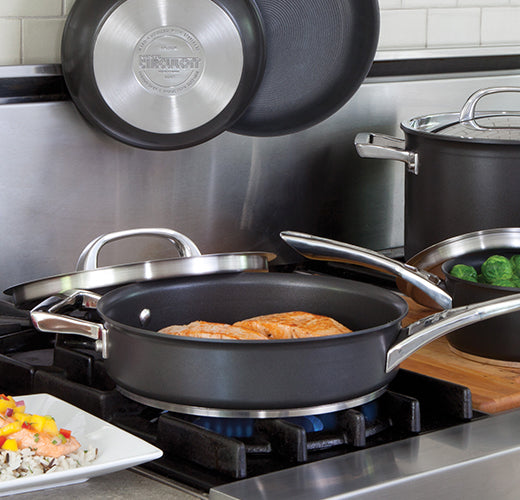
Are you standing in your kitchen, staring at your sleek induction cookware, and wondering if it can be used on a regular stove? You’re not alone.
Many home cooks are curious about this kitchen conundrum. Imagine the ease of using your favorite pots and pans interchangeably, regardless of the stove type. It could save you time, money, and the hassle of buying new cookware. But before you try this at home, it’s crucial to know the facts.
We’ll explore whether your induction cookware can make the switch to a regular stove, the potential risks, and what you need to look out for. Stick with us to uncover the secrets that could transform your cooking experience and ensure you get the most out of your kitchen tools. Ready to find out if your cookware is as versatile as you hope? Let’s dive in!
Basics Of Induction Cookware
Induction cookware typically features magnetic materials for efficient heating. It can be used on regular stoves, but performance may vary. Non-magnetic cookware might not heat evenly on a traditional stove. Always check compatibility for the best cooking experience.
Understanding the basics of induction cookware is essential before deciding whether it can be used on a regular stove. Induction cookware is designed for a specific purpose, primarily to work with induction cooktops. However, knowing its material and design can help determine its compatibility with other types of stoves.Material Composition
Induction cookware is typically made from ferrous metals like stainless steel or cast iron. These materials are magnetic, a key requirement for working with induction cooktops. Some induction pots and pans may also have aluminum or copper cores to enhance heat conductivity. Despite this, the outer layer is always made from a magnetic metal to ensure functionality on an induction stove. It’s worth checking the bottom of your cookware. If a magnet sticks to it, it can likely be used on an induction stove, and possibly on other types of stoves too.Design Characteristics
The design of induction cookware often includes a flat and smooth bottom. This ensures maximum contact with the cooktop, leading to efficient heat transfer. These pans are generally heavier due to their solid construction, which aids in even heat distribution. However, this weight can sometimes make them cumbersome to handle, especially on a regular stove where maneuverability is key. Induction cookware often has a modern and sleek design. While this is aesthetically pleasing, ensure that it’s functional for your cooking style on a conventional stove. Have you ever wondered if the aesthetics of your cookware might impact its performance on different heat sources? Consider the balance between form and function when making your choice.
Credit: food52.com
Differences Between Induction And Regular Stoves
Understanding the differences between induction and regular stoves helps in choosing the right cookware. Induction stoves use magnetic fields to heat pots and pans. Regular stoves rely on direct heat transfer, whether from gas flames or electric coils. Each type of stove has unique characteristics and requirements for cookware.
Heating Mechanisms
Induction stoves heat cookware through electromagnetic fields. This process requires pots and pans to have magnetic properties. The heat is generated directly in the cookware, leading to faster cooking times. Regular stoves use either gas or electric elements to generate heat. Gas stoves create heat with open flames, which directly heat the cookware. Electric stoves use coils that transfer heat to the pots and pans.
The efficiency of heat transfer differs significantly between the two stove types. Induction stoves offer precise temperature control due to the direct heating method. Regular stoves may take longer to adjust temperatures because heat is transferred indirectly.
Compatibility Factors
Induction cookware must contain ferrous metals to work correctly. Cookware made of stainless steel or cast iron is typically suitable. Aluminum, copper, or glass cookware is not compatible unless they have a magnetic layer. Regular stoves can use various materials without specific requirements. Stainless steel, aluminum, and copper are common choices for regular stove cookware.
The cookware base is crucial for induction stoves. It needs to be flat for efficient contact with the cooktop. Regular stoves accommodate a wider range of cookware shapes. This flexibility means users can use different types of pots and pans without concern.
Using Induction Cookware On Regular Stoves
Many people wonder if induction cookware can be used on regular stoves. The good news is that it can be. Induction cookware is versatile and compatible with different heat sources. But, understanding its performance on a regular stove is essential. Let’s explore what to expect and consider for safe usage.
Performance Expectations
Induction cookware often has a flat, smooth base. This design ensures good contact with the stove’s surface. On a regular stove, heat distribution may vary. The cookware heats well, but sometimes slower. It’s because regular stoves may not provide even heat. Yet, most users find the performance satisfactory.
Safety Considerations
Safety is vital when using induction cookware on regular stoves. Ensure the cookware’s base is stable on the burner. Wobbling can cause spills and accidents. Check if the handles stay cool. Some induction cookware handles get hot on regular stoves. Use oven mitts or pot holders to prevent burns.

Credit: uk.style.yahoo.com
Pros And Cons
Induction cookware, often magnetic, works well on regular stoves, offering versatility. But it may heat unevenly on gas or electric stoves, affecting cooking efficiency.
Induction cookware is a popular choice for its efficient cooking capabilities, but can it be used on a regular stove? Let’s explore the pros and cons to help you make an informed decision. Understanding these aspects can guide you in choosing the right cookware for your kitchen.Efficiency
Induction cookware is designed to heat up quickly, saving you time in meal preparation. If you often find yourself in a rush, this efficiency can be a game-changer. However, on a regular stove, the energy transfer isn’t as direct as with induction cooktops. This might mean slightly longer cooking times compared to using traditional cookware designed specifically for regular stoves. Consider your daily cooking habits—do you value speed over anything else? If yes, induction cookware could still be a viable option despite the slight delay.Durability
One of the benefits of induction cookware is its robust construction. Brands often use high-quality materials to withstand the intense heat from induction cooktops. Using induction cookware on a regular stove won’t compromise its durability. The sturdy build remains intact, providing long-term usability. Yet, it’s wise to check the manufacturer’s guidelines. Some materials might react differently to open flames or direct heat, affecting longevity. Have you ever had cookware warp after excessive use? Ensuring compatibility can prevent similar frustrations.Tips For Optimal Use
Cooking with induction cookware on a regular stove can be rewarding. With proper techniques and care, it enhances your culinary experience. Understanding how to use it optimally ensures better results and longevity. Here are some simple tips to help you use induction cookware effectively on traditional stoves.
Cooking Techniques
Induction cookware works well on gas or electric stoves. It heats quickly and evenly. Adjust your stove’s heat settings carefully. Start with medium heat to prevent food from sticking. Use a lid to keep heat inside the pan. Stir food often for even cooking.
- Monitor the heat level to avoid overheating.
- Use cookware with a flat bottom for stability.
- Choose pans with magnetic stainless steel for better heat transfer.
Maintenance Advice
Proper care extends the life of your cookware. Clean it after each use. Avoid abrasive cleaners that can scratch the surface. Use a soft sponge or cloth for washing. Dry it thoroughly to prevent rust.
- Check the pan for dents or warping regularly.
- Store cookware in a dry place to maintain quality.
- Ensure handles are tight and secure.
By following these simple tips, you can enjoy cooking with induction cookware on a regular stove for years. Proper techniques and maintenance keep your cookware in great shape and your meals delicious.
Common Misconceptions
In the world of cooking, the variety of cookware available can be overwhelming. Induction cookware, in particular, comes with a set of common misconceptions that often leave people confused about its use. Many wonder if these pots and pans, designed for induction cooktops, can be used on regular stoves. Let’s dive into some prevalent myths and see where the truth really lies.
Compatibility Myths
One of the biggest myths is that induction cookware is exclusively for induction cooktops. In reality, most induction-compatible cookware is versatile and works just fine on traditional gas or electric stoves. The key is the magnetic base, which not only heats efficiently on induction but also performs well on standard heat sources.
Have you ever tested your induction pan on a regular stove? You might be surprised by the consistent heat distribution and cooking results it delivers. The misconception that you need a separate set of cookware for each type of stove is simply not true.
Cost Implications
Another widespread myth is that induction cookware is prohibitively expensive. While it’s true that some high-end brands come with a hefty price tag, there are plenty of affordable options that cater to budget-conscious shoppers. Investing in induction cookware doesn’t mean emptying your pockets.
Consider the long-term savings from energy efficiency and the durability of quality cookware. It’s a smart choice, even if you occasionally use it on a regular stove. Are you considering the full picture when assessing the cost?
In summary, understanding the real capabilities of induction cookware can save you time, money, and kitchen space. Embrace the flexibility and enjoy your culinary adventures on any stove! Remember, the right cookware can enhance your cooking experience, regardless of the stove you use.
Future Of Cookware Technology
Induction cookware can often be used on regular stoves without issues. Compatibility depends on the material, like stainless steel or cast iron, which works well on both types. Ensuring the cookware’s base is flat can help improve heat distribution on a regular stove.
The world of cookware technology is evolving at a rapid pace. With the rise of induction cooking, many wonder about the compatibility of induction cookware with regular stoves. But the future holds more than just compatibility solutions; it’s about innovation and user-centric designs.Innovations In Design
Cookware designers are pushing the boundaries to create versatile products that work on both induction and traditional stoves. Hybrid cookware is emerging as a trend, offering unique materials that distribute heat evenly regardless of the heat source. Consider the sleek new pots with multi-layered bases. These are crafted to ensure optimal heat retention and efficiency on any stove. When you invest in such designs, you’re not just buying a pot; you’re buying flexibility and future-proofing your kitchen. The focus isn’t just on functionality but also on aesthetics. Cookware is becoming a statement piece, with modern, minimalist designs that complement any kitchen decor. Have you ever noticed how a beautiful pan can inspire you to cook more?Trends In Usage
As more people become conscious of energy consumption, induction cooking is gaining popularity. Yet, many households still rely on traditional stoves. This creates a unique demand for cookware that seamlessly transitions between both. Consumer awareness is driving these trends. People are educating themselves about efficient cooking methods and are willing to experiment with new tools. When was the last time you tried a new cooking technique because of a new pot or pan? There’s also a growing interest in durable materials. Consumers are shifting towards cookware that withstands the test of time, reducing the need for frequent replacements. This trend not only benefits your wallet but also contributes to a sustainable lifestyle. In this ever-changing landscape, where do you see your kitchen heading? Embracing these innovations could redefine your cooking experience and open doors to culinary creativity.
Credit: uk.style.yahoo.com
Frequently Asked Questions
Can Induction Cookware Work On A Gas Stove?
Yes, induction cookware can be used on a gas stove. It is versatile and designed to handle various heat sources. Ensure the cookware is flat-bottomed for optimal heat distribution. This feature helps to achieve even cooking results on both induction and gas stoves.
What Makes Induction Cookware Different?
Induction cookware is designed with magnetic materials. It is specifically made to work with induction cooktops. This type of cookware ensures quick and even heat distribution. Its magnetic base is key for its compatibility with induction systems.
Is Induction Cookware Safe For Electric Stoves?
Yes, induction cookware is safe for electric stoves. The materials used are compatible with electric heating elements. It heats efficiently and evenly on electric stoves. This makes it a great choice for various cooking methods.
Does Induction Cookware Affect Cooking Performance?
Induction cookware offers excellent cooking performance. It distributes heat evenly, ensuring food is cooked thoroughly. This efficiency can improve cooking times and energy use. Its design also helps maintain consistent temperatures during cooking.
Conclusion
Induction cookware can work on regular stoves, but not always perfectly. Checking compatibility is key. Some induction pans have magnetic bases, others don’t. Always test them on your stove first. This ensures safety and efficiency. Regular stoves heat differently than induction ones.
So, expect slight changes in cooking times. Quality cookware makes a difference. Look for versatile options that suit both stove types. Adapt your cooking methods if needed. Experiment with heat settings and techniques. This can maximize your cookware’s potential. Always prioritize safety and functionality in your kitchen.
Keep learning and exploring cooking possibilities.