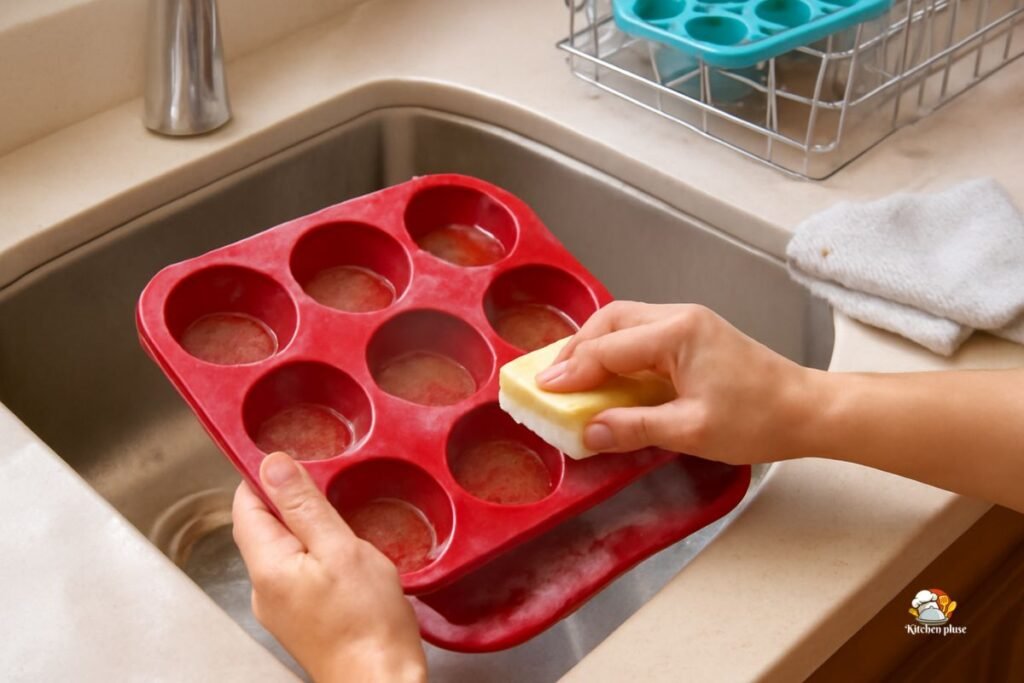
Imagine this: you’re excitedly preparing to bake your favorite cake. You’ve picked out your recipe, gathered your ingredients, and you’ve got your shiny silicone bakeware ready to go.
But then a question pops into your mind – does silicone bakeware need to be greased? If you’ve ever found yourself pondering this, you’re not alone. Many baking enthusiasts and home cooks wonder about the best way to ensure their creations don’t stick, while still achieving that perfect bake.
This question can mean the difference between a baking triumph and a frustrating kitchen disaster. We’re going to delve into the world of silicone bakeware and uncover the truth about whether greasing is necessary. You’ll learn what the experts say, discover tips to enhance your baking experience, and finally put your doubts to rest. Ready to unlock the secrets to flawless baking with silicone? Keep reading, because the insights we’re about to share could transform the way you bake forever.
Silicone Bakeware Basics
Silicone bakeware has become a staple in modern kitchens, known for its flexibility and non-stick properties. But do these colorful kitchen aids require greasing? Understanding the basics of silicone bakeware will help you make the most of your baking endeavors.
What Is Silicone Bakeware?
Silicone bakeware is crafted from a synthetic rubber that can withstand extreme temperatures. It’s flexible, which makes it easy to remove baked goods without the usual hassle. Unlike metal pans, silicone bakeware doesn’t rust or stain, keeping your kitchen tools looking fresh.
You might wonder why silicone is such a popular choice. One reason is its non-stick nature. But, does that mean you never have to grease it? We’ll explore that question in detail, but first, let’s look at how silicone bakeware is commonly used.
Common Uses In Baking
Silicone bakeware is incredibly versatile. From muffins and cakes to bread and cookies, you can bake almost anything in these molds. They’re also great for cold treats like ice cream cakes or chilled desserts.
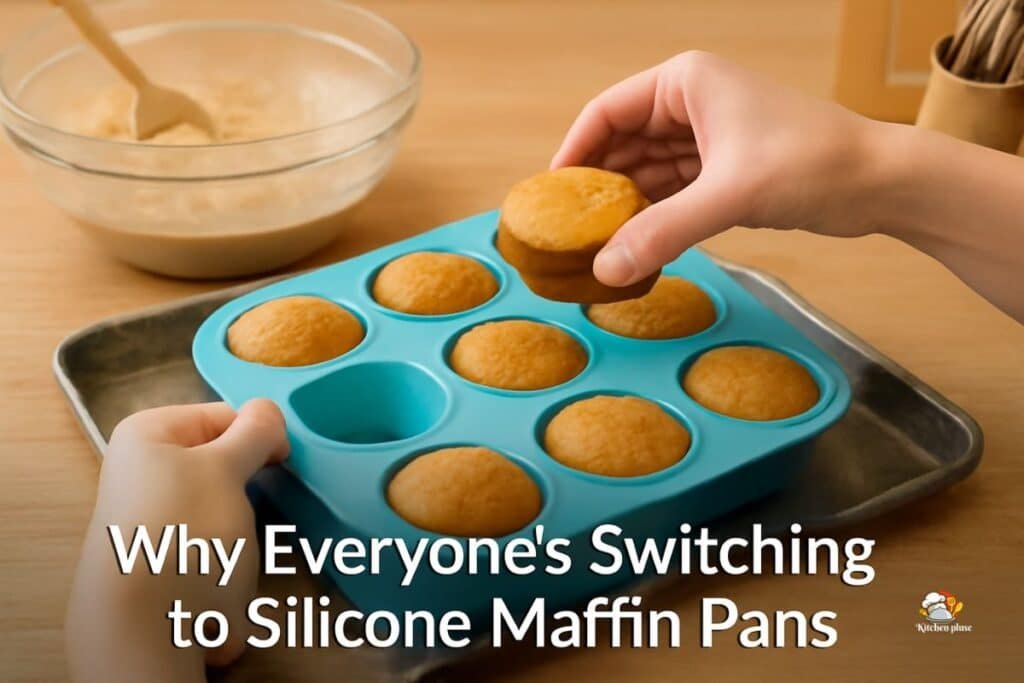
- Muffin pans: Easily pop out muffins or cupcakes without crumbling.
- Cake molds: Create intricate designs with ease.
- Loaf pans: Perfect for baking bread that slides out smoothly.
Have you ever tried using silicone molds for savory dishes? They can be just as effective for quiches or meatloaves. Consider experimenting with unconventional recipes to fully utilize your silicone bakeware. But remember, whether or not to grease might vary depending on your dish, so stay tuned for more insights!
Credit: kitchenpluse.com
Greasing Silicone Bakeware
Silicone bakeware has been gaining popularity in kitchens worldwide due to its flexibility and ease of use. However, one question that often arises is whether you need to grease silicone bakeware before using it. While it’s known for its non-stick properties, greasing can still play an essential role in baking. This section will explore the nuances of greasing silicone bakeware, helping you decide what’s best for your culinary creations.
Traditional Greasing Vs Silicone
Traditional bakeware, like metal or glass, almost always requires greasing to prevent sticking. Silicone, on the other hand, is often marketed for its non-stick feature, leading many to skip the greasing step. But should you?
While silicone does offer a non-stick surface, greasing can enhance this property, especially when baking sticky or sugary items like muffins or caramelized desserts. It’s a bit like adding an extra layer of insurance for your baking efforts.
Think about your past baking experiences. Have you ever been disappointed when your muffins didn’t release perfectly? Greasing your silicone bakeware might just be the game-changer you need.
Reasons To Grease Silicone Bakeware
Greasing silicone bakeware isn’t just about preventing sticking. It can also improve the texture and appearance of your baked goods.
- Enhanced Non-stick Properties: While silicone is non-stick, greasing can ensure even the stickiest of batters release effortlessly.
- Improved Browning: Greasing can lead to a more appealing golden-brown finish on your baked goods, which can be particularly desirable for certain recipes.
- Ease of Cleaning: Greasing can make cleaning silicone bakeware easier, as any residue will come off with less effort.
Consider this: Does your recipe include ingredients that tend to cling, like cheese or chocolate chips? Greasing might save your dish from sticking and offer a better end result.
Remember, baking is a science, but it’s also an art. Experiment with greasing your silicone bakeware and see how it transforms your baking experiences. You might be pleasantly surprised with the results!
Tips For Using Silicone Bakeware
Greasing silicone bakeware can prevent sticking, even though it’s naturally non-stick. A light coating of oil or butter helps ensure easy release of baked goods.
Silicone bakeware is popular for its flexibility and non-stick properties. It’s essential to know how to use it correctly for the best results. Here are some useful tips for using silicone bakeware.Choosing The Right Bakeware
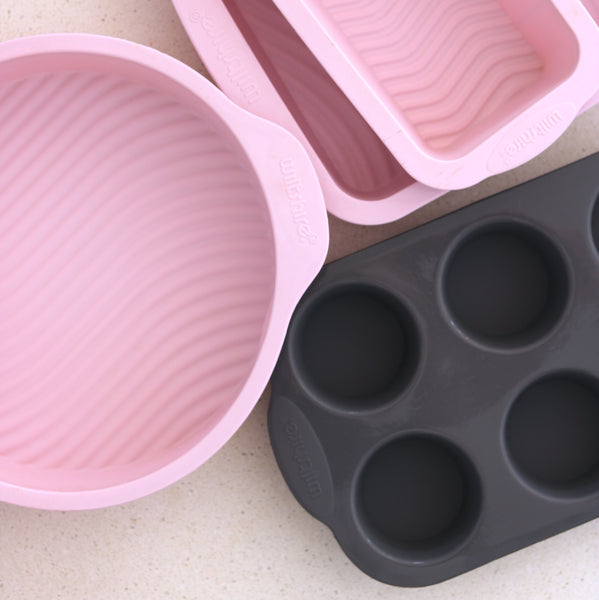
Selecting the right silicone bakeware is crucial. Consider the size and shape. Ensure it suits your baking needs. Opt for high-quality silicone. It should be food-grade and BPA-free. Check for sturdiness. Thin silicone can be flimsy. Look for reinforced edges. They provide better support. Consider your oven size. Make sure the bakeware fits well. Choose bakeware with vibrant colors. It can brighten up your kitchen.Proper Care And Maintenance
Proper care extends the life of silicone bakeware. Clean it thoroughly after each use. Use warm water and mild soap. Avoid abrasive cleaners. They can damage the surface. Dry completely before storing. Moisture can lead to mold. Store flat or hang by loops. This prevents bending. Inspect regularly for wear and tear. Replace if necessary. Avoid sharp utensils. They can puncture the silicone. Keep away from direct heat. Silicone can warp if overheated.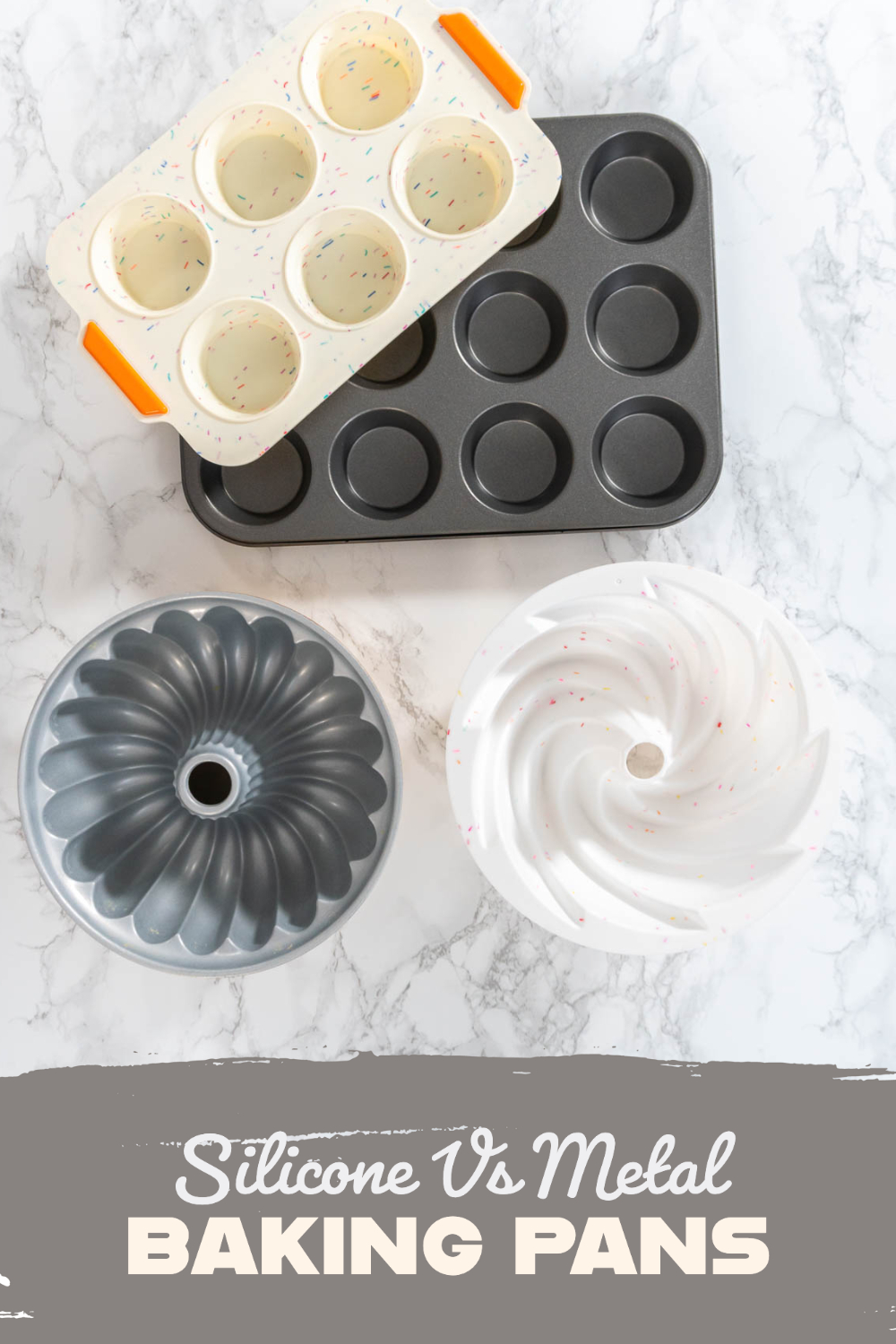
Credit: arinaphotography.com
Alternatives To Greasing
Silicone bakeware offers convenience in the kitchen. But does it need greasing? This question often arises. Thankfully, there are alternatives to traditional greasing. These methods enhance the non-stick properties of silicone. Explore these options to make baking easier.
Using Baking Spray
Baking spray is a popular choice. It provides a light, even coat. This helps prevent sticking. Spray the silicone surface lightly. Ensure full coverage for best results. Baking spray is easy and quick to use.
Non-stick Properties Of Silicone
Silicone has natural non-stick abilities. It often requires no additional grease. This reduces preparation time. Foods release easily from silicone surfaces. This helps maintain the shape of baked goods. Silicone is also easy to clean. Its non-stick nature prevents residue build-up.
Common Baking Challenges
Baking can be an art and a science. Achieving perfect results often involves overcoming common challenges. Many bakers face issues like sticking or uneven baking. Understanding these problems can help improve your baking experience.
Addressing Sticking Issues
Silicone bakeware has a non-stick surface, but some recipes can still stick. Greasing the bakeware can help avoid this problem. Using a small amount of oil or butter creates a barrier between the food and the silicone. This ensures easy release after baking.
Sometimes, flour can also be used. Dust the greased surface with a thin layer of flour. This technique is helpful for cakes and breads. It provides an extra layer of protection against sticking.
Ensuring Even Baking
Even baking is crucial for consistent results. Silicone bakeware distributes heat differently compared to metal. It can lead to uneven cooking if not used properly. Preheating the oven can help achieve even heat distribution.
Place the silicone bakeware on a metal tray. This helps stabilize the bakeware. It promotes uniform heating throughout the baking process.
Another tip is to adjust the baking time. Silicone may require slightly longer baking periods. Check the food a few minutes before it’s expected to finish. This helps prevent overbaking.
Credit: bakeclub.com.au
Expert Advice And Recommendations
Silicone bakeware usually doesn’t need greasing, thanks to its non-stick surface. Yet, greasing can help with easier release of sticky or delicate items. Consider lightly greasing for peace of mind and seamless results.
When it comes to silicone bakeware, one common question that arises is whether it needs to be greased. While silicone is known for its non-stick properties, expert advice can help clarify best practices for ensuring your baked goods come out perfectly every time. Consulting professional bakers and understanding common mistakes can enhance your baking experience and results.Tips From Professional Bakers
Professional bakers suggest that while silicone bakeware is inherently non-stick, a light greasing can sometimes be beneficial. This is especially true for intricate designs or when baking sticky items like caramel or dense cakes. A simple spray of cooking oil or a light brush of melted butter can help ensure easy release and maintain the integrity of the bakeware over time. Another tip is to test your silicone bakeware with various recipes to determine what works best for you. Some bakers swear by greasing for all recipes, while others only do so for specific types. Your experience might vary, so consider experimenting and keeping notes on what yields the best results.Common Mistakes To Avoid
One common mistake is assuming that all silicone bakeware is created equal. Quality can vary significantly, affecting how non-stick the product truly is. Investing in high-quality silicone bakeware from reputable brands can save you from unnecessary greasing and frustration. Avoid over-greasing, as it can cause your baked goods to become soggy or greasy. Remember, less is more. A light touch goes a long way in maintaining the texture and taste of your creations. Finally, skipping the greasing step altogether in certain scenarios might lead to your baked goods sticking to the silicone surface. This can be especially disappointing when you’re excited to unveil a beautifully shaped cake or muffin. Consider the type of recipe and bakeware design before deciding whether to grease or not. What has been your experience with silicone bakeware? Have you tried greasing, and if so, did it make a difference in your baking results? Share your thoughts and tips in the comments!Frequently Asked Questions
Do You Grease Silicone Bakeware Before Use?
Silicone bakeware typically doesn’t need greasing due to its non-stick properties. However, greasing can enhance its non-stick nature, especially for intricate designs. For first-time use, a light greasing may prevent sticking. Over time, as the surface becomes seasoned, greasing becomes less necessary for smooth release.
Can Silicone Bakeware Replace Traditional Pans?
Yes, silicone bakeware is a versatile alternative to traditional pans. It’s lightweight, flexible, and offers even heat distribution. Unlike metal pans, silicone molds are dishwasher safe and don’t rust. While it’s great for many recipes, some bakers prefer traditional pans for better browning and crisping.
Is Silicone Bakeware Safe At High Temperatures?
Silicone bakeware is generally safe for high temperatures, up to 428°F (220°C). It’s important to check the manufacturer’s guidelines for specific temperature limits. Unlike metal pans, silicone won’t warp or melt easily. However, avoid exposing silicone to direct flames or broilers to ensure safety.
How Do You Clean Silicone Bakeware?
Cleaning silicone bakeware is simple and straightforward. It’s dishwasher safe, but hand washing with warm soapy water is effective. Use a soft sponge to avoid scratching the surface. For stubborn residues, a baking soda paste can help. Regular cleaning maintains its non-stick properties and extends its lifespan.
Conclusion
Silicone bakeware offers great convenience in the kitchen. Greasing is often unnecessary. Its non-stick nature makes baking hassle-free. Yet, some recipes might benefit from a light grease. This ensures easy removal and perfect texture. Always check specific recipe instructions. Remember, each bakeware piece may behave differently.
Experimentation helps find what works best for you. Silicone bakeware remains a popular choice for good reason. It’s versatile and easy to clean. Enjoy your baking adventures with confidence. Happy baking!