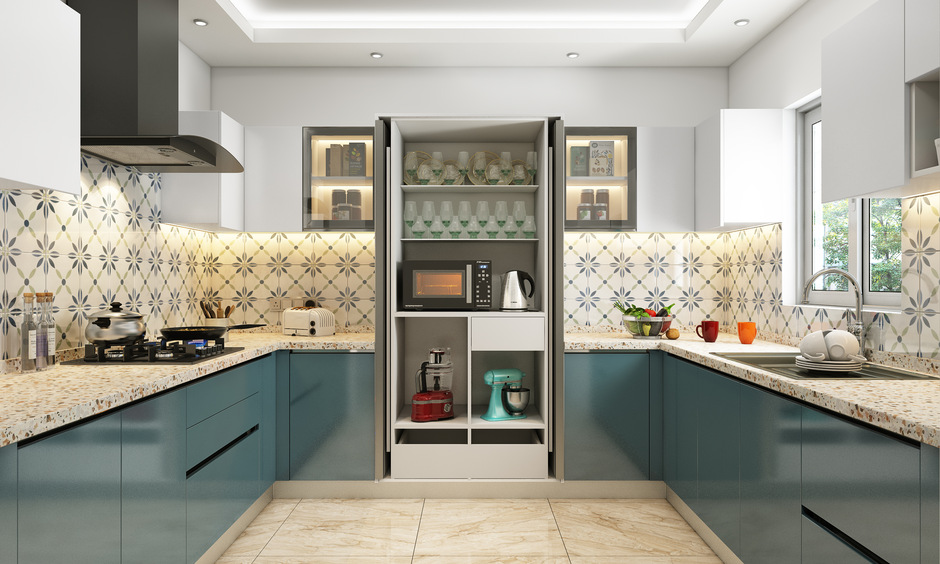
Are you dreaming of a kitchen that’s not only functional but also a true reflection of your style? Designing kitchen furniture can seem like a daunting task, but it doesn’t have to be.
Imagine walking into your kitchen and feeling a sense of pride and satisfaction. The right furniture design can transform your space into the heart of your home, making it inviting and efficient. You’ll discover simple yet effective strategies to create kitchen furniture that aligns perfectly with your needs and taste.
Whether you’re starting from scratch or updating existing pieces, this guide will empower you with the knowledge to make informed choices. So, if you’re ready to unlock the secrets to a stunning kitchen, keep reading to find out how easy it can be!

Credit: www.goodhousekeeping.com
Choosing Materials
Selecting the right materials is key in designing kitchen furniture. Choose durable, water-resistant options like solid wood or stainless steel. Ensure they complement the kitchen’s style and meet daily usage needs.
Choosing the right materials for kitchen furniture is crucial. The materials you select define the style and functionality. They also impact durability and maintenance. This section explores some popular materials. Make informed choices to enhance your kitchen’s appeal.Wood Options
Wood is a classic choice for kitchen furniture. It offers warmth and elegance. Popular wood types include oak, maple, and cherry. Each type has its unique grain and color. Oak is strong and has a rich texture. Maple is light-colored with a smooth finish. Cherry darkens over time, adding depth. Consider your kitchen’s theme when selecting wood.Metal Choices
Metal adds a modern touch to kitchens. Stainless steel is durable and easy to clean. It resists stains and heat. Aluminum is lightweight and corrosion-resistant. It’s perfect for contemporary designs. Iron provides a rustic look. It’s strong but requires regular maintenance. Choose metal based on the style and practicality.Glass Elements
Glass adds a sleek and airy feel. It makes kitchens look spacious. Glass cabinet doors showcase your dishware. Tempered glass is safe and sturdy. Frosted glass offers privacy while allowing light. It blends well with wood and metal. Keep glass clean to maintain its shine. Consider glass for a modern kitchen update.:max_bytes(150000):strip_icc()/2026-kitchen-cabinet-trends-Courtesy-of-MasterBrand-6-adf21973cd65456a8dccc3d8e7a09d98.jpg)
Credit: www.realsimple.com
Color Schemes
Selecting the right color schemes for kitchen furniture can enhance the overall ambiance. Soft neutrals create a calming effect, while bold colors add vibrancy. Consider contrasting shades to highlight features and maintain visual interest.
Choosing the right color scheme for your kitchen furniture can transform the space. The colors you pick play a big role in setting the mood. They can make your kitchen feel warm, inviting, or modern. Let’s explore some options that can help you create the perfect kitchen.Neutral Tones
Neutral tones like beige, white, and gray are timeless. They provide a clean, sophisticated look. These colors work well in any kitchen style. They make the space feel open and airy. You can easily add accessories and decorations. Neutral tones also help highlight other features in your kitchen. They create a calming effect that many people love.Bold Colors
Bold colors bring energy and excitement to your kitchen. Think bright reds, deep blues, or vibrant greens. These colors can make a strong statement. Bold colors can be used on cabinets or walls. They can become the focal point of your kitchen. Use them carefully to avoid overwhelming the space. Balance is key. Pair them with neutral tones for a harmonious look.Accent Pieces
Accent pieces are a great way to introduce color. They can be small, like colorful chairs or bar stools. Or larger, like a painted kitchen island. These pieces add personality without committing to one color. Changing accent pieces is easy and affordable. It’s a simple way to update your kitchen’s look. They allow you to experiment with trends without a full renovation.Functional Design
Designing kitchen furniture is an exciting journey that marries creativity with practicality. The heart of your home deserves furniture that not only looks good but works hard. Functional design is about creating kitchen furniture that enhances your cooking experience, making every task feel effortless. It’s about harnessing the power of design to turn mundane chores into delightful moments. Let’s dive into how you can achieve a functional kitchen that’s tailored to your needs.
Ergonomics
Ergonomics in kitchen furniture design is all about comfort and efficiency. Imagine reaching for that spice jar without stretching or bending awkwardly. Adjust countertop heights to suit your stature, ensuring your cooking station is both accessible and comfortable. Consider installing pull-out shelves to keep everything within easy reach. Make your kitchen a space where movement flows naturally and nothing feels out of place.
Space Utilization
Maximizing space in your kitchen is crucial, especially in smaller homes. Use vertical storage solutions like overhead racks or tall cabinets to keep your counters clutter-free. Consider multi-functional furniture pieces that serve more than one purpose, like an island that doubles as a dining table. Embrace creativity by using corner cabinets and under-sink storage to make the most out of every inch. How can you turn your kitchen into a spacious oasis?
Storage Solutions
Smart storage solutions are the backbone of a functional kitchen. Opt for deep drawers for pots and pans, and use lazy Susans to make the most out of corner cabinets. Install hooks and rails for utensils, keeping them visible and easy to grab. Think about what you use most frequently and ensure those items are stored in the most accessible spots. How can you reorganize your kitchen to make it work for you?
Aesthetic Appeal
Designing kitchen furniture with aesthetic appeal involves blending style and function. Choose sleek lines and complementary colors. Opt for durable materials that enhance the overall look.
Designing kitchen furniture is an exciting journey that blends functionality with beauty. A kitchen’s aesthetic appeal is crucial as it sets the mood and reflects your personal style. Whether you prefer sleek modern lines, timeless classics, or an eclectic mix, your kitchen should be a space where design meets everyday living.Modern Styles
Modern kitchen designs focus on simplicity and clean lines. Think minimalist with a touch of elegance. Imagine glossy cabinets and stainless steel appliances that catch the light beautifully. Consider using neutral color palettes like whites, greys, and blacks. These can make your kitchen feel spacious and inviting. Adding a pop of color through accessories or a single accent wall can create an exciting contrast. Smart storage solutions also play a vital role in modern kitchens. Use pull-out drawers and hidden compartments to keep your countertops clutter-free.Classic Looks
Classic kitchen designs are all about warmth and tradition. Picture wooden cabinets, marble countertops, and ornate details that add character. Opt for rich, warm colors like deep browns, creams, and soft greens. These can make your kitchen feel cozy and welcoming. Incorporate traditional elements like farmhouse sinks or vintage-style faucets. These touches can give your kitchen a timeless appeal that never goes out of style.Eclectic Combinations
Eclectic kitchen designs are perfect for those who love to mix and match. It’s about creating a unique space by blending different styles and textures. Try combining modern appliances with vintage decor. This can add a layer of depth and interest to your kitchen. Use bold patterns and vibrant colors to express your personality. A colorful backsplash or a quirky light fixture can be the focal point that ties everything together. Think about how each piece in your kitchen contributes to the overall feel. Is it a space that reflects who you are?Incorporating Technology
Integrating smart appliances and devices can modernize kitchen furniture design. Use technology to maximize space and functionality. Tailor kitchen features to individual needs for a personalized cooking experience.
Incorporating technology into kitchen furniture design transforms the cooking space. It enhances functionality and adds modern convenience. With the right tech, kitchens become more efficient and enjoyable.Smart Features
Smart features offer convenience and control. Consider touchless faucets that activate with motion sensors. Install smart lighting systems to adjust brightness with voice commands. Smart refrigerators can help manage grocery lists and monitor expiration dates. These innovations save time and simplify kitchen tasks.Energy Efficiency
Energy-efficient appliances reduce power consumption. Opt for LED lighting to cut energy costs and improve brightness. Choose induction cooktops for faster heating and lower energy use. Energy Star-rated appliances ensure optimal performance with minimal electricity. Efficient technology contributes to a sustainable lifestyle.Integrated Appliances
Integrated appliances create a seamless look. Built-in ovens fit neatly into cabinetry, saving space. Concealed dishwashers blend with kitchen decor for a tidy appearance. Integrated coffee machines provide easy access without cluttering countertops. These appliances enhance design without compromising functionality.Customization Options
Designing kitchen furniture with customization options allows a personal touch. You can create a space that reflects your style and needs. Customization provides flexibility and uniqueness, making your kitchen truly yours. Explore various ways to add personalized touches, tailored layouts, and unique finishes to your kitchen furniture.
Personalized Touches
Add a personal touch to your kitchen furniture. Choose elements that reflect your personality and taste. Consider custom handles, knobs, or even unique cabinet door designs. These small details make a big difference in the overall look. You can also incorporate family heirlooms or handcrafted pieces. They create a sense of warmth and nostalgia in your kitchen.
Tailored Layouts
A tailored layout maximizes your kitchen’s functionality. It ensures that every inch of space serves a purpose. Customize the arrangement of cabinets, shelves, and appliances. This approach creates a seamless workflow for cooking and cleaning. Think about your daily routine and design the layout accordingly. Consider adding a kitchen island or breakfast bar for extra space.
Unique Finishes
Unique finishes set your kitchen apart from others. Choose from a variety of materials and colors. Wood, metal, and glass offer different textures and appearances. Opt for a high-gloss finish for a modern look. Or, choose a matte finish for a more understated elegance. Experiment with bold colors or stick to classic neutrals. The finish you choose can transform the vibe of your kitchen.
Budget Considerations
Designing kitchen furniture requires careful budgeting to balance quality and cost. Consider material choices and customization options to control expenses. Prioritizing essential features can help maintain a reasonable budget without compromising style.
Designing kitchen furniture on a budget requires careful planning and smart decisions. Balancing costs without sacrificing style or quality is key. By understanding budget considerations, you can create a functional and beautiful kitchen.Cost-effective Choices
Choose materials that look great but cost less. Laminate and MDF are affordable and stylish. They mimic expensive materials at a fraction of the cost. Opt for ready-to-assemble furniture to save money. It often costs less than custom-made pieces. Buying second-hand can also be a budget-friendly option. Many used items are high-quality and just need a little love.Investment Pieces
Spend more on items that define your kitchen. A sturdy dining table or durable countertops can be worth the investment. These pieces endure daily use and set the tone for your space. Quality appliances are also smart buys. They last longer and perform better, saving money over time.Long-term Value
Consider the longevity of your choices. Durable materials and well-made furniture stand the test of time. Investing in energy-efficient appliances can reduce utility bills. Look for furniture that can adapt to future needs. Modular designs offer flexibility and can be updated easily. Prioritize sustainability by choosing eco-friendly materials. This can add value and appeal if you sell your home.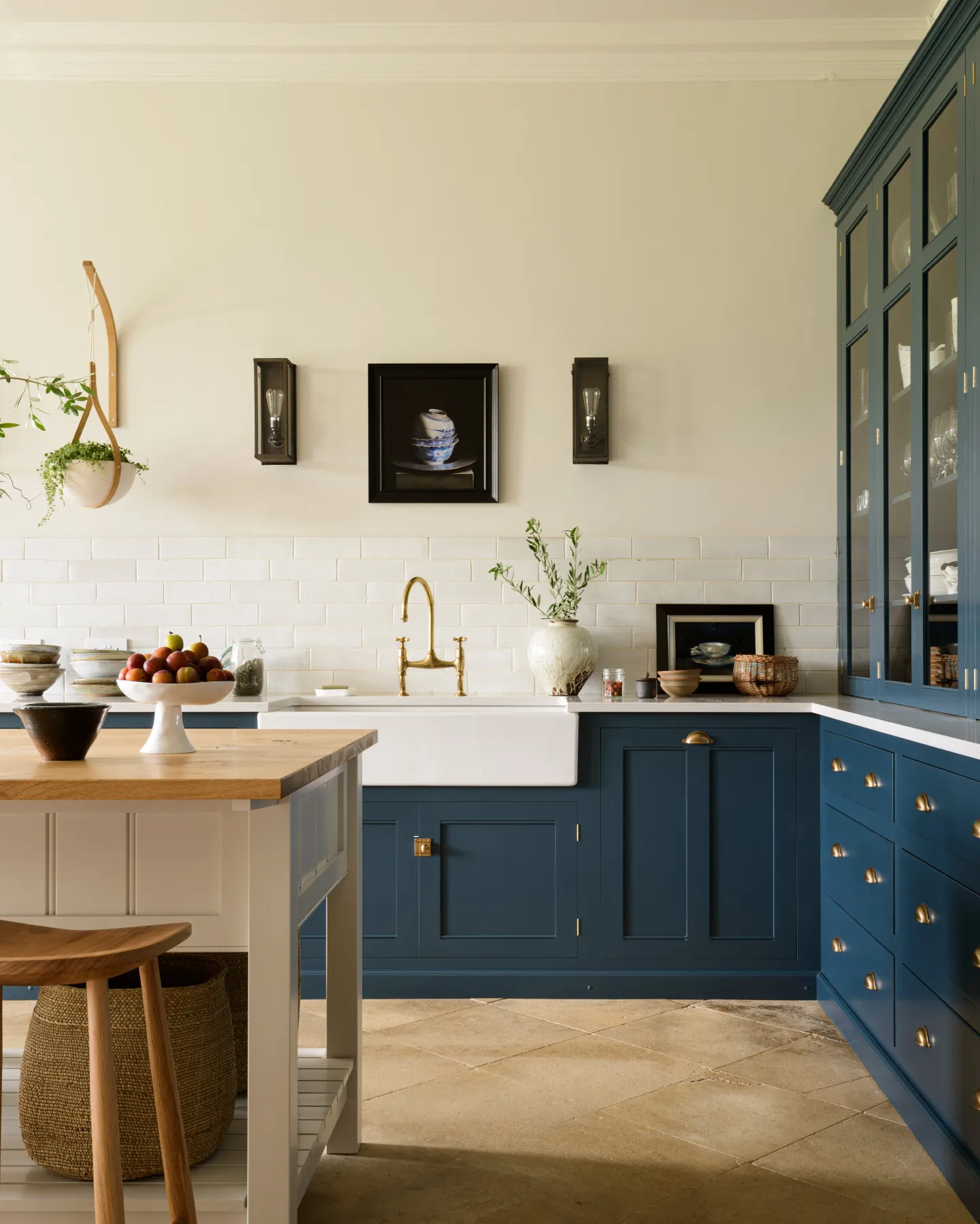
Credit: www.devolkitchens.co.uk
Expert Advice
Designing kitchen furniture requires a balance of style, functionality, and personal preference. It’s more than choosing the right colors or materials; it’s about creating a space that works for you and your family. In this section, we’ll share insights from experts to help you avoid common pitfalls and embrace current trends.
Common Mistakes
A frequent mistake is prioritizing aesthetics over functionality. A stunning kitchen is worthless if it doesn’t accommodate your cooking habits. Reflect on how you use your kitchen daily before deciding on the layout.
Another error is neglecting storage needs. It’s easy to be swept away by sleek designs, but remember to include enough cabinets and drawers to store your essentials. Consider vertical storage options to maximize space.
Lastly, poor lighting can ruin the vibe. Ensure your kitchen has layers of lighting for various tasks. Overhead lights, under-cabinet lighting, and pendant lights can enhance both function and ambiance.
Pro Tips
Start with a mood board. Gathering images, colors, and textures can clarify your vision and guide your choices. It’s a simple yet effective way to keep your design cohesive.
Think ergonomically. Arrange your kitchen so that essential items are within easy reach. Place your sink, stove, and refrigerator in a triangular layout for efficient workflow.
Personalize your space with unique touches. Whether it’s custom cabinetry or handcrafted tiles, these details can reflect your personality and make your kitchen feel truly yours.
Design Trends
Minimalist designs are gaining popularity. Clean lines, neutral tones, and clutter-free counters create a serene environment. This trend emphasizes the beauty in simplicity.
Eco-friendly materials are on the rise. Consider sustainable options like bamboo or recycled glass for a kitchen that’s kind to the planet. It’s a responsible choice that doesn’t compromise on style.
Smart technology is becoming a staple. From touchless faucets to smart ovens, integrating technology can make your kitchen more efficient and future-ready. What tech innovation would transform your kitchen experience?
Frequently Asked Questions
What Are The Essential Elements Of Kitchen Furniture Design?
Essential elements include functionality, space optimization, and aesthetic appeal. Consider storage solutions, durable materials, and ergonomic layout. Choose colors and finishes that complement your kitchen style.
How To Choose Materials For Kitchen Furniture?
Select materials that are durable and easy to maintain. Popular choices include solid wood, stainless steel, and laminate. Consider moisture resistance and heat tolerance when making your decision.
How Can I Maximize Storage In My Kitchen Furniture Design?
Use vertical space and incorporate pull-out shelves and drawers. Consider corner units and built-in organizers. Opt for multi-functional furniture to keep clutter minimal.
How Do Colors Impact Kitchen Furniture Design?
Colors influence mood and perception. Light colors make spaces feel larger, while dark shades add warmth. Choose a palette that complements your kitchen’s overall theme.
Conclusion
Designing kitchen furniture involves creativity and practicality. Start with a clear plan. Choose materials that suit your style and needs. Consider the space available. Focus on functionality and comfort. Colors and finishes make a big impact. Simple designs often work best.
Think about storage solutions. Good lighting is crucial for a cozy feel. Remember, your kitchen should reflect your personality. Enjoy the process and make your kitchen a happy place. With these tips, creating the perfect kitchen becomes easy and fun.
Your dream kitchen is just steps away!