
Are you passionate about creating beautiful and functional kitchen spaces? Do you often find yourself sketching designs or rearranging your own kitchen to make it more efficient?
If so, becoming a kitchen designer in Ontario might be the perfect career path for you. With a blend of creativity and practicality, kitchen design is an exciting field that offers numerous opportunities to transform ordinary spaces into extraordinary experiences.
Imagine stepping into a room and envisioning how the placement of cabinets, countertops, and lighting can completely change the feel and function of the space. As a kitchen designer, you have the power to make that vision a reality. But how do you start your journey in Ontario’s kitchen design industry? What skills and qualifications do you need to stand out? In this guide, you’ll discover the steps to kickstart your career, from education and certification to gaining hands-on experience. You’ll learn how to hone your design skills, navigate the local market, and understand what makes Ontario’s kitchen design industry unique. Get ready to unlock the secrets to becoming a successful kitchen designer in Ontario and turn your passion into a thriving profession. Keep reading to find out how you can make a splash in this dynamic industry!
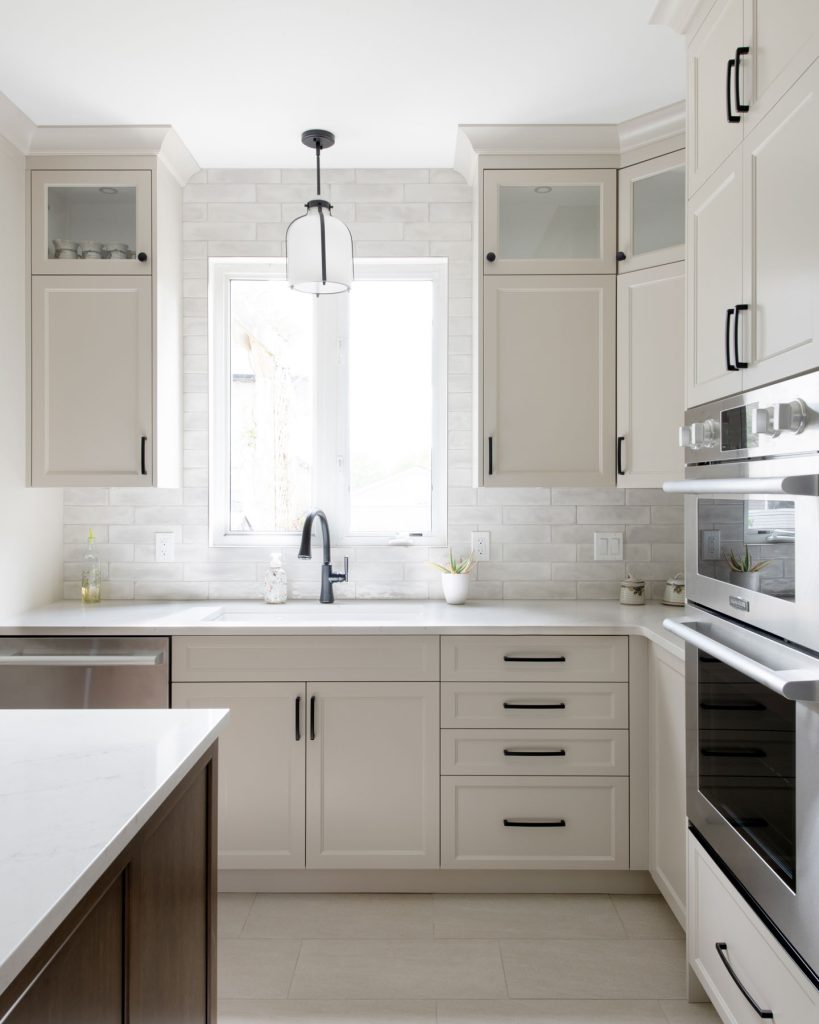
Credit: amsted.ca
Role Of A Kitchen Designer
The role of a kitchen designer in Ontario is dynamic and creative. They transform spaces into functional, stylish kitchens that meet clients’ needs and visions. Their work involves understanding design principles and keeping up with trends. They collaborate with clients to create personalized designs that enhance the home.
Key Responsibilities
- Create detailed kitchen plans and layouts.
- Select materials and finishes that match the client’s style.
- Work with architects and contractors for smooth project execution.
- Ensure designs meet safety and building regulations.
- Manage project timelines and budgets effectively.
- Present design concepts and revisions to clients.
Skills Required
- Strong understanding of design software like AutoCAD.
- Excellent communication skills for client interactions.
- Creativity to develop unique design solutions.
- Knowledge of the latest kitchen design trends.
- Problem-solving skills to address design challenges.
- Attention to detail for precise measurements and specifications.

Credit: www.instagram.com
Educational Requirements
Aspiring kitchen designers in Ontario should pursue a diploma in interior design or a related field. Practical experience through internships or apprenticeships can further enhance skills and knowledge.
Embarking on a journey to become a kitchen designer in Ontario requires a solid educational foundation. Understanding the educational requirements is crucial for anyone aiming to succeed in this creative and technical field. Whether you’re just starting or considering further education, knowing the right degrees, certificates, and courses can set you on the path to success.Relevant Degrees And Certificates
A degree in interior design is highly beneficial, as it provides comprehensive training in spatial planning and aesthetics. Many universities in Ontario offer specialized programs that cater to aspiring kitchen designers. Certificates in kitchen design specifically can be pursued to enhance your portfolio. These certificates often focus on practical skills, including layout planning and material selection.Recommended Courses
Courses that cover software tools like AutoCAD or SketchUp are essential. These programs help you create detailed designs and visual presentations for clients. Consider enrolling in courses that focus on sustainable design principles. Understanding eco-friendly materials and energy-efficient appliances can give you an edge in today’s market. Additionally, courses in color theory and lighting design are invaluable. They provide insights into how different elements can transform a kitchen space into a welcoming environment.Gaining Practical Experience
Becoming a kitchen designer in Ontario requires hands-on experience. Practical experience helps you understand real-world challenges and client needs. It also allows you to apply design theories effectively. Let’s explore how internships and apprenticeships, along with building a portfolio, can pave your path to success.
Internships And Apprenticeships
Internships offer valuable exposure to the industry. They let you work alongside experienced designers. You gain insight into daily tasks and client interactions. Many design firms offer internships to aspiring designers. These positions provide a chance to learn the ropes. Apprenticeships are another way to gain practical skills. They offer mentorship under seasoned professionals. You learn through observation and practice. Both internships and apprenticeships are crucial for skill development.
Building A Portfolio
A strong portfolio showcases your talent and creativity. It is essential for attracting potential clients or employers. Include diverse design projects to highlight your versatility. Show case studies with before-and-after visuals. This demonstrates your problem-solving abilities. Use digital tools to create impressive presentations. A well-curated portfolio is your ticket to opportunities. Keep updating it with new projects and achievements.

Credit: www.instagram.com
Certification And Licensing
Becoming a kitchen designer in Ontario requires certification and licensing through recognized programs. Complete a design course and gain practical experience to qualify.
Becoming a kitchen designer in Ontario is both rewarding and challenging. Certification and licensing are crucial steps in this career path. They ensure you meet industry standards and can legally work in the field. Understanding the regulations and steps to certification is essential. This knowledge helps you navigate the professional landscape effectively.Ontario Regulations
Ontario has specific rules for kitchen designers. These rules ensure safety and quality in design projects. As a designer, you must be familiar with the Ontario Building Code. This code outlines essential safety standards for residential and commercial spaces. Understanding these regulations is vital. It helps you design kitchens that are both functional and compliant.Steps To Certification
Certifying as a kitchen designer involves several key steps. First, complete a recognized design program. This education equips you with foundational knowledge. Next, gain practical experience through internships or entry-level jobs. Real-world experience is invaluable. It helps you apply theoretical concepts in practical scenarios. Then, consider joining professional organizations. Groups like the National Kitchen and Bath Association offer resources and networking opportunities. Membership can enhance your credibility and career prospects. Finally, prepare for any certification exams required. These exams test your knowledge of design principles and regulations. Passing them is a significant milestone in your career journey.Essential Design Tools
Becoming a kitchen designer in Ontario requires mastering essential design tools. These tools help create stunning and functional kitchen spaces. From digital software to classic drawing tools, each plays a vital role in the design process.
Software And Technology
Modern kitchen design relies heavily on software and technology. CAD software is crucial for drafting precise layouts. It allows designers to visualize spaces in 2D and 3D. Programs like AutoCAD and SketchUp are popular choices. They help designers experiment with different styles and configurations.
Design apps streamline collaboration with clients. These apps make sharing ideas and receiving feedback easier. Virtual reality tools offer immersive experiences. Clients can explore designs in real-time and make informed decisions. High-resolution rendering software enhances presentations. It showcases textures and finishes accurately.
Traditional Tools
Traditional tools remain important in kitchen design. Sketchpads allow for quick idea generation. Hand-drawn sketches convey initial concepts effectively. Pencils and rulers are still used for drafting floor plans. They provide a tangible connection to the design process.
Designers often use mood boards. These boards help visualize color schemes and materials. Physical samples of tiles, fabrics, and countertops offer a tactile experience. Measuring tapes ensure accurate dimensions in real-world spaces. These tools complement digital methods, adding depth to the design approach.
Networking And Professional Development
Networking and professional development are crucial for anyone aspiring to become a successful kitchen designer in Ontario. Building connections and continuously enhancing your skills can open doors to opportunities and help you stay ahead in a competitive industry. How can you leverage these aspects to boost your career as a kitchen designer?
Joining Professional Associations
Becoming a member of professional associations is a great way to network with other kitchen designers. Associations such as the Interior Designers of Canada (IDC) or the National Kitchen & Bath Association (NKBA) offer a wealth of resources. These platforms allow you to engage with industry leaders and participate in exclusive events.
Membership can provide access to certifications, industry publications, and even job boards. Imagine being able to discuss design trends with experienced professionals or finding job opportunities through a network of peers. It’s an invaluable step to getting recognized in the community.
Attending Workshops And Seminars
Workshops and seminars are excellent for both networking and professional development. They offer hands-on experience and insights into the latest design trends and technologies. Consider attending events hosted by design schools or professional organizations.
These events often feature speakers who are leaders in the field, providing you with the chance to ask questions and gain unique insights. Attending them not only enhances your skills but also helps you connect with people who share your passion for kitchen design.
Have you ever attended a seminar that changed your perspective on design? The power of learning from those who have walked the path can be transformative. Make these events a regular part of your professional journey.
Job Market And Opportunities
Aspiring kitchen designers in Ontario can tap into a thriving market by acquiring relevant certifications. Explore design courses, learn industry software, and gain practical experience to enhance career prospects. Networking with professionals can open up diverse job opportunities in residential or commercial projects.
The job market for kitchen designers in Ontario is thriving with a variety of opportunities. As home renovations and new constructions continue to rise, so does the demand for skilled kitchen designers. Whether you aim to work for a firm or start your own business, there’s a path for every aspiring designer.Employment Options
Working as a kitchen designer in Ontario offers several employment options. Many designers find positions in established design firms, where they can collaborate with a team of professionals. Retail showrooms also hire designers to assist customers in creating their dream kitchens. Another route is to join construction companies, providing design expertise for new builds and renovations. These environments offer the chance to work on a variety of projects, enhancing your skills and experience. Consider which setting aligns best with your career goals and personal preferences.Freelancing And Entrepreneurship
Have you thought about freelancing or starting your own business? Many kitchen designers in Ontario choose this path for its flexibility and creative freedom. As a freelancer, you can work with clients directly, tailoring your services to meet their unique needs. Starting your own design business allows you to build a brand and portfolio that reflects your style. However, it requires a strong marketing strategy and networking to attract clients. Are you ready to take on the challenge and reap the rewards of entrepreneurship?Trends In Kitchen Design
Exploring modern kitchen designs can inspire a future in kitchen design. Education in interior design and practical experience in Ontario are key steps.
Trends in kitchen design are constantly evolving, reflecting changes in technology, lifestyle, and environmental awareness. As a kitchen designer in Ontario, staying ahead of these trends is crucial to delivering spaces that are not only beautiful but also functional and future-proof.Sustainable Design
In recent years, sustainable design has become a major focus in the kitchen industry. Homeowners are increasingly conscious of their environmental footprint and are looking for ways to make their kitchens eco-friendly. This trend includes using materials such as bamboo, recycled glass, and reclaimed wood. Energy-efficient appliances, like induction cooktops and LED lighting, are also gaining popularity. These choices not only reduce energy consumption but can also cut down on utility bills. As a designer, you can propose solutions that marry style with sustainability, like recommending water-saving faucets or countertops made from recycled materials.Smart Kitchens
The integration of technology into kitchen spaces is another trend that’s shaping the industry. Smart kitchens offer convenience and efficiency, with features like voice-activated lighting and Wi-Fi-enabled appliances. Imagine being able to preheat your oven from your smartphone or adjust the refrigerator settings while you’re at the grocery store. These innovations not only save time but make everyday tasks easier. Consider the potential impact on your designs. How can you incorporate smart solutions that enhance the kitchen experience for your clients? Embracing this trend can set your designs apart and appeal to tech-savvy homeowners looking for modern conveniences. Incorporating these trends into your design philosophy can help you create kitchens that are both stylish and ahead of the curve. What innovative ideas will you bring to your next project?Frequently Asked Questions
What Skills Are Needed For Kitchen Design?
To become a kitchen designer in Ontario, essential skills include creativity, spatial awareness, and proficiency in design software. Good communication and problem-solving abilities are also crucial. Understanding the latest trends and materials will help you create functional and stylish kitchen spaces that meet client needs.
How Long Does It Take To Become A Kitchen Designer?
Becoming a kitchen designer typically requires a few years of education and experience. Many start with a design degree, which takes around two to four years. Gaining practical experience through internships or entry-level positions helps build the necessary skills and industry knowledge quickly.
Is Certification Required For Kitchen Designers In Ontario?
Certification is not mandatory but can enhance career prospects. Pursuing certification from recognized organizations, such as the National Kitchen and Bath Association (NKBA), demonstrates expertise and commitment to the profession. It may also lead to better job opportunities and higher salary potential.
What Is The Salary Range For Kitchen Designers?
The salary for kitchen designers in Ontario varies based on experience and location. Entry-level designers may earn around $40,000 annually. Experienced designers can earn upwards of $70,000. Factors such as specialization, company size, and individual skill level also influence salary potential.
Conclusion
Becoming a kitchen designer in Ontario is an exciting journey. Start with the right education. Gain practical experience through internships. Build your portfolio with creative designs. Understand local regulations and client needs. Networking is crucial. Connect with professionals and join industry groups.
Stay updated with design trends and technology. Your passion and dedication will drive your success. Remember, each project is a learning opportunity. Craft spaces that blend functionality and beauty. Your skills will grow with every design. Ready to embark on this rewarding career?
Ontario awaits your unique touch in kitchen design.