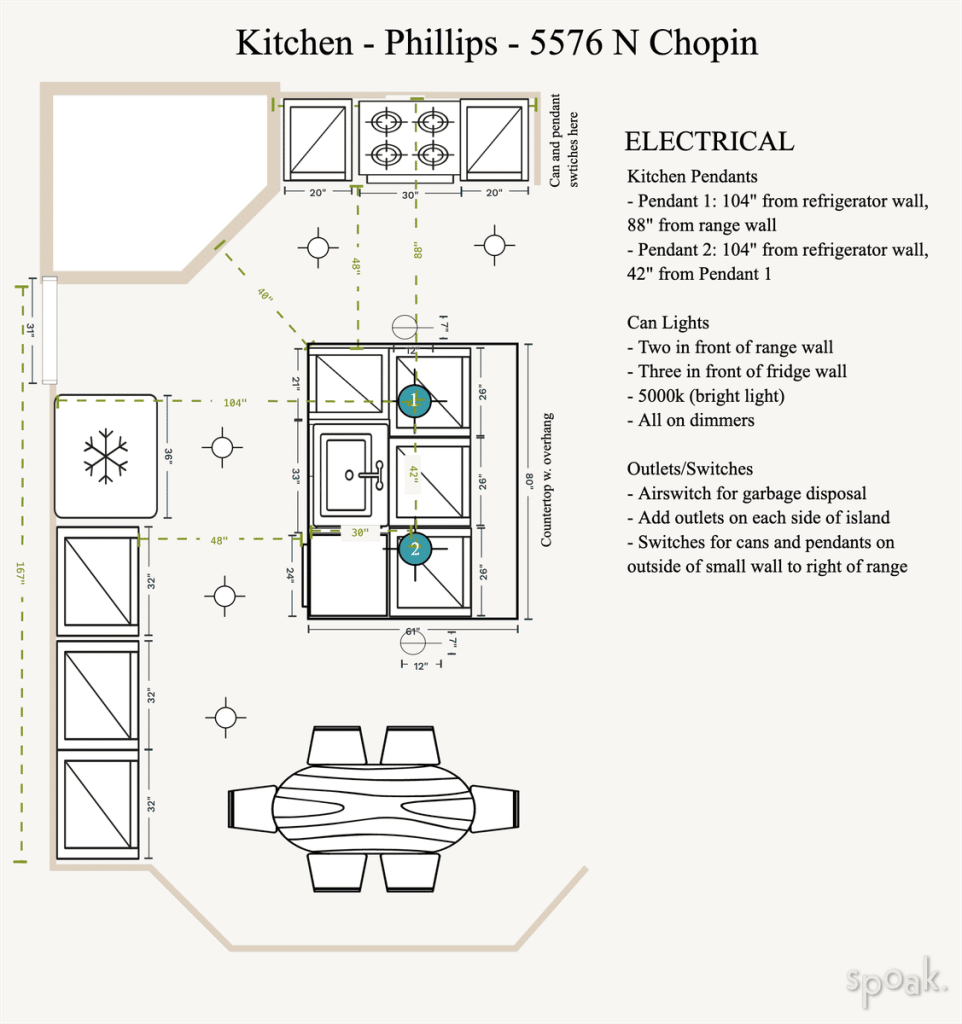
Are you thinking about redesigning your kitchen but feel overwhelmed by the choices? You’re not alone.
Designing a kitchen floor plan can be both exciting and daunting. It’s the heart of your home, where family dinners and friendly gatherings happen. Imagine a space that not only looks stunning but works perfectly for your daily needs. How do you achieve that?
How do you ensure every inch is utilized effectively? You’ll discover straightforward steps and tips to create a kitchen floor plan that’s tailor-made for you. Whether you’re dealing with a small space or dreaming of a sprawling kitchen, understanding the basics can transform your vision into reality. Let’s dive into the essential elements that will help you design a kitchen floor plan that balances aesthetics with functionality, ensuring you maximize your space while reflecting your personal style.

Credit: www.facebook.com
Assessing Your Kitchen Needs
Designing your kitchen floor plan is more than just picking the perfect shade of tiles or deciding where to put your refrigerator. It’s about understanding your unique needs and crafting a space that resonates with your lifestyle. Start by assessing what you truly want from your kitchen. Consider how it can make your daily routine smoother and more enjoyable.
Identifying Lifestyle And Cooking Habits
Your kitchen should reflect how you live and cook. Do you love hosting dinner parties with elaborate meals, or is quick and easy more your style? If you enjoy experimenting with recipes, you might need more counter space and storage for ingredients.
Think about the appliances you use most often. If you’re a coffee aficionado, a dedicated space for your espresso machine might be essential. Remember, your kitchen is a reflection of you, so make sure it caters to your culinary passions.
Considering Family Size And Future Plans
The size of your family plays a crucial role in your kitchen design. A large family may require more storage and seating areas, while a couple might prioritize sleek, minimalistic designs. Consider how often you cook together or need extra space for kids to do homework or art projects.
Also, think long-term. Are you planning to expand your family or downsize? Your future plans should influence your design decisions today. Ask yourself: will your kitchen still serve you well in five years?
- Plan for enough seating for guests
- Ensure storage is accessible for everyone
- Allow space for future appliances
By understanding your current needs and future aspirations, you can design a kitchen that not only meets your practical requirements but also becomes a cherished hub for your home.
Understanding Kitchen Layouts
Creating a kitchen floor plan involves choosing the right layout for your space. Consider storage, appliances, and work areas. Optimize the flow by arranging elements for efficient cooking and movement.
Understanding the layout of your kitchen is essential for a functional design. The layout determines how you move and work in the space. It affects efficiency and comfort. Selecting the right layout ensures smooth cooking and entertaining. Let’s explore popular kitchen layouts to find one that fits your needs.Exploring Popular Layouts
The kitchen layout is the foundation of any design. Here are some popular options:- One-Wall Kitchen:All appliances and cabinets align along one wall. Ideal for small spaces.
- Galley Kitchen:Features two parallel walls. Offers efficient use of space.
- L-Shaped Kitchen:Uses two adjacent walls. Perfect for open-plan homes.
- U-Shaped Kitchen:Provides plenty of counter space. Best for larger kitchens.
- Island Kitchen:Includes a freestanding island. Great for additional workspace and seating.
Choosing The Right Layout For Your Space
Selecting the right kitchen layout depends on your room size. Also, consider your lifestyle and cooking habits.- Small Spaces:A one-wall or galley kitchen saves space. These layouts maximize efficiency.
- Open-Plan Homes:An L-shaped or island kitchen suits open spaces. These layouts encourage social interaction.
- Large Kitchens:A U-shaped kitchen offers ample storage. It’s ideal for those who cook frequently.
Optimizing Workflow With The Kitchen Triangle
Designing an efficient kitchen floor plan can enhance your cooking experience. One crucial aspect is optimizing workflow with the kitchen triangle. This concept focuses on the placement of three primary kitchen components: the sink, stove, and refrigerator. Properly arranging these elements can streamline your kitchen tasks, making daily chores easier and more enjoyable.
Importance Of The Kitchen Triangle
The kitchen triangle aims to improve efficiency. It reduces unnecessary movements between the sink, stove, and refrigerator. This setup creates a smooth flow for cooking, cleaning, and food storage. A well-planned triangle ensures that these key areas are within easy reach. This saves time and energy, making your kitchen activities more efficient.
Positioning Sink, Stove, And Refrigerator
Positioning these three elements involves strategic planning. The sink usually sits in the middle of the triangle. It acts as a hub for washing and cleaning tasks. The stove should be placed nearby for quick access during cooking. The refrigerator needs to be easily reachable. This allows for quick retrieval of ingredients.
Consider spacing between each component. The distance should not be too long or too short. Aim for a total perimeter between 13 and 26 feet. This range offers a comfortable working zone. Ensure there are no obstacles within this space to maintain an open path.
Maximizing Storage Solutions
Designing a kitchen floor plan involves clever use of space for storage. Think about efficient layouts that integrate cabinets and drawers. Maximize every corner to keep your kitchen organized and functional.
Maximizing storage solutions in your kitchen can transform the space. Effective organization makes cooking and meal prep more enjoyable. It also reduces clutter and maximizes efficiency. Here’s how to achieve a well-organized kitchen.Utilizing Cabinets And Pantries
Cabinets are a kitchen’s backbone. Install them up to the ceiling for extra space. This reduces dust accumulation on top. Use pull-out shelves for easy access. Corner cabinets can have lazy Susans or corner drawers. Pantries are essential for bulk storage. Optimize them with adjustable shelves. This allows for different sized items. Use clear containers to see contents quickly. Label shelves for better organization.Incorporating Smart Storage Options
Smart storage options can save space. Consider installing pull-out trash bins. They keep waste out of sight. Drawer dividers help organize utensils neatly. Magnetic strips can hold knives on walls. Use hooks to hang pots and pans. They free up cabinet space. Install a pot rack above the island. This adds a decorative and functional element. Toe-kick drawers utilize space under cabinets.Incorporating Functional Zones
Designing a kitchen floor plan involves organizing functional zones for cooking, cleaning, and storage. Allocate specific areas for each task to enhance efficiency and ease of movement. Ensure accessible pathways between zones to create a cohesive and practical kitchen layout.
Designing your kitchen floor plan involves more than just aesthetics. Creating a space where function meets style is crucial. By dividing your kitchen into functional zones, you can streamline your workflow and enhance your cooking experience. Let’s dive into how you can design these zones effectively.Creating Preparation And Cooking Zones
Start by considering where you typically prepare and cook meals. This area should be close to the stove and oven for easy access. Imagine chopping vegetables and having to walk across the kitchen to toss them into a pot—it’s inefficient. Think about your routine. Do you often bake? If so, ensure your baking essentials are nearby. Position countertops at a comfortable height to make chopping and mixing more enjoyable. This is your opportunity to create a space that works for you.Designing Cleaning And Storage Areas
The cleaning zone is all about efficiency. Place your sink near the dishwasher to minimize dripping water across the floor. Keep cleaning supplies within arm’s reach to make post-meal clean-up a breeze. Storage is just as important. Cabinets and pantries should be strategically placed for easy access. Group similar items together, like pots and pans near the stove. This reduces the need to shuffle around when you’re in the midst of cooking a meal. Remember, your kitchen should be a space that simplifies your life, not complicates it. Have you ever found yourself frustrated because you couldn’t find a specific utensil or ingredient? Thoughtfully designed zones can eliminate these common kitchen woes. Incorporate these practical tips to transform your kitchen into a well-organized, functional space that caters to your needs.Choosing Materials And Finishes
Selecting the right materials and finishes is crucial for a functional kitchen floor plan. Consider durable options like ceramic tiles or hardwood that match your style. Choose finishes that are easy to clean and maintain for daily use.
Choosing the right materials and finishes for your kitchen floor plan can dramatically impact both the aesthetics and functionality of your space. It’s not just about picking what’s trendy—it’s about finding what suits your lifestyle and kitchen needs. Let’s dive into selecting options that are both practical and pleasing to the eye.Selecting Durable Flooring Options
When picking flooring, durability should be at the top of your list. Kitchens are high-traffic areas, and your floor needs to withstand spills, heavy foot traffic, and the occasional dropped pot. Consider materials like ceramic tile, which is not only durable but also comes in a variety of styles and colors. Engineered wood can offer the warmth of wood while being more resistant to moisture, perfect for those who love the look of hardwood. Another popular choice is luxury vinyl, which mimics the appearance of natural materials while being easy to maintain. Ask yourself: will this floor handle the hustle and bustle of daily life?Picking Countertops And Backsplashes
Countertops and backsplashes are where you can really let your personality shine. They’re the perfect place to add color, texture, and style to your kitchen. Granite and quartz countertops are favored for their durability and wide range of colors. If you spend a lot of time cooking, a non-porous surface like quartz could save you hassle with cleaning. For backsplashes, consider materials that are easy to clean and resistant to stains, such as glass or ceramic tiles. A well-chosen backsplash can be a statement piece that ties your entire kitchen together. What kind of vibe do you want your kitchen to radiate?Integrating Lighting And Appliances
Designing a kitchen floor plan involves integrating lighting and appliances for efficiency and style. Proper lighting enhances visibility while strategically placed appliances optimize workflow. Balancing these elements ensures a functional and inviting kitchen space.
Integrating lighting and appliances in your kitchen floor plan enhances functionality. Thoughtful placement creates a more efficient and inviting space. It influences the atmosphere, energy usage, and overall design. Carefully select lighting and appliances to suit your needs. This ensures practicality and harmony within your kitchen environment.Choosing Efficient Lighting Solutions
Lighting impacts mood and task efficiency. Use a mix of ambient, task, and accent lighting. Consider LED lights for energy savings. Under-cabinet lights improve visibility on countertops. Pendant lights can add style above islands. Dimmers provide control over brightness levels. Plan light placement to ensure no shadows in key areas.Selecting Energy-efficient Appliances
Appliances are central to kitchen design. Choose energy-efficient models to reduce bills. Look for ENERGY STAR-rated products. These use less electricity and water. Modern appliances offer smart features. They enhance convenience and are environmentally friendly. Placement affects workflow; ensure easy access and movement.
Credit: www.reddit.com
Balancing Aesthetics And Practicality
Designing a kitchen floor plan requires balancing aesthetics and practicality. Choose materials that enhance the look and meet daily needs. Consider layout options that optimize space and ensure easy movement.
Balancing aesthetics and practicality in your kitchen floor plan can seem like a juggling act. While you want your kitchen to be visually appealing, it also needs to function efficiently. Finding the sweet spot between style and utility is key to creating a space you’ll love and enjoy using every day. This is where thoughtful planning comes into play. Let’s explore how you can achieve this balance.Harmonizing Colors And Textures
When it comes to colors and textures, think about how they can enhance your kitchen’s overall look and feel. Mix and match materials like wood, tiles, and stone to create a pleasing palette. Consider how the flooring complements your cabinets and countertops. The goal is to create a cohesive aesthetic that ties the room together. Don’t be afraid to experiment. Perhaps you love the idea of a rustic kitchen with a modern twist. Can your floor reflect this?Prioritizing Functionality And Comfort
Functionality should be at the forefront of your kitchen design. Your floor plan needs to support the flow of movement—think about how you move from the sink to the stove, or from the fridge to the prep area. Consider comfort. Are you standing for long periods? Choose flooring that is easy on your feet, like cork or vinyl. Think about maintenance. Does your flooring choice require frequent cleaning? Busy kitchens benefit from surfaces that are easy to clean and maintain.Budgeting And Planning
Designing a kitchen floor plan involves careful budgeting and planning. Consider the layout to maximize space and functionality. Choose durable materials that fit your style and budget.
Designing your kitchen floor plan is an exciting venture, but it requires careful budgeting and planning. This process ensures you create a space that is both functional and financially feasible. By setting a clear budget and anticipating unforeseen costs, you can navigate the journey with confidence and avoid unwanted surprises.Estimating Costs And Setting A Budget
Start by identifying your priorities for the kitchen remodel. Do you need high-end appliances, or is a new countertop more pressing? This clarity will guide your budget allocation. Research average costs for materials and labor in your area. Websites and forums can provide insights into current pricing trends. Create a detailed list of expenses, including demolition, materials, and installation. Use a spreadsheet to track these costs and adjust as needed. It’s helpful to allocate funds for each aspect of your kitchen plan, such as cabinetry, flooring, and lighting. This keeps spending under control and helps in making informed decisions.Planning For Unexpected Expenses
No matter how meticulous your budget, unexpected expenses can arise. Factor in a contingency fund, typically around 10-20% of your total budget. Consider potential issues like plumbing upgrades or electrical rewiring. These are common surprises during kitchen renovations. Reflecting on my own kitchen redesign, unexpected mold remediation added a significant expense. Being financially prepared prevented stress and ensured the project continued smoothly. Revisit your budget regularly. Track every expense, no matter how small, to maintain financial clarity and control. Have you considered the possibility of delays? Time is money, and knowing how to adapt your budget in response is key. By budgeting thoughtfully and preparing for the unexpected, you lay a strong foundation for your kitchen design. This approach not only saves money but also enhances your peace of mind throughout the renovation process.
Credit: www.instagram.com
Frequently Asked Questions
What Are The Key Elements In Kitchen Floor Design?
The key elements in kitchen floor design include layout, material, and functionality. Consider traffic flow and workspace efficiency. Choose durable materials that match your style and budget. Ensure the layout complements other kitchen components for a cohesive design.
How Do I Choose The Right Kitchen Layout?
Choose the right kitchen layout by assessing space and functionality. Consider work triangle efficiency and traffic patterns. Select a layout that maximizes storage and accessibility. Tailor the design to your cooking habits and lifestyle preferences.
What Materials Are Best For Kitchen Flooring?
The best materials for kitchen flooring are tile, hardwood, and vinyl. Tile is durable and water-resistant. Hardwood offers warmth and elegance. Vinyl is budget-friendly and easy to maintain. Choose based on durability, style, and budget.
How Can I Maximize Kitchen Space Efficiently?
Maximize kitchen space by optimizing storage and layout. Use vertical storage solutions and multifunctional furniture. Choose compact appliances to save space. Prioritize efficient work areas and traffic flow for a functional kitchen design.
Conclusion
Designing your kitchen floor plan can be simple and fun. Start by considering your daily needs and routines. Think about space for cooking, storage, and dining. Keep pathways clear for easy movement. Choose materials that are durable and easy to clean.
Focus on color and style to create a welcoming vibe. Pay attention to lighting for a bright and cheerful space. Each detail matters in making your kitchen functional and stylish. Take your time to plan. Your kitchen is the heart of your home.
Make it a place where you enjoy spending time.