Are you planning to set up a small commercial kitchen but unsure where to start? Designing a compact kitchen space can be challenging, especially when you want to maximize efficiency without compromising on quality.
You need to consider the layout, equipment, and workflow to ensure your kitchen runs smoothly. But don’t worry—you’re about to discover how you can create a perfectly optimized kitchen that suits your business needs. Imagine the satisfaction of seeing your kitchen operate seamlessly, saving you time and money.
This guide will walk you through every step, helping you make smart choices that lead to success. Keep reading to unlock the secrets to designing a small commercial kitchen that truly works for you.

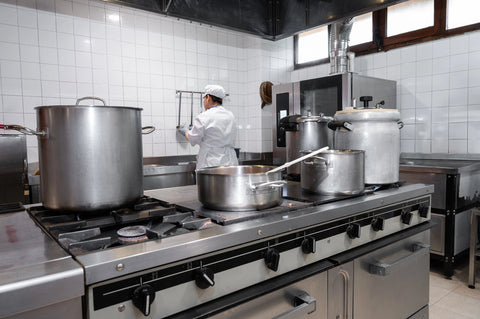
Credit: www.elledecor.com
Space Optimization
Designing a small commercial kitchen requires smart space usage. Arrange appliances efficiently to maximize workflow. Use wall-mounted shelves and compact equipment to save space.
Designing a small commercial kitchen requires smart space optimization. Making the most of limited space ensures efficiency and functionality. This involves strategic planning and creative solutions.Efficient Layout Strategies
A good layout is crucial for small kitchens. Arrange appliances in a logical sequence. The flow should be smooth from preparation to cooking to serving. Consider the “kitchen triangle” concept. Position the sink, stove, and refrigerator at optimal distances. This minimizes unnecessary movement. Use compact, multi-functional equipment to save space. Every inch counts.Maximizing Vertical Space
Vertical space offers hidden potential in small kitchens. Install shelves and racks on walls. Store frequently used items within easy reach. Use ceiling-mounted racks for pots and pans. Stackable containers can organize ingredients and supplies. This keeps counters clear and enhances workspace.Smart Storage Solutions
Effective storage minimizes clutter. Use pull-out drawers and cabinets to access items easily. Incorporate bins and dividers for better organization. Label containers to quickly identify contents. Consider under-counter storage for infrequently used items. This approach optimizes available space and maintains order.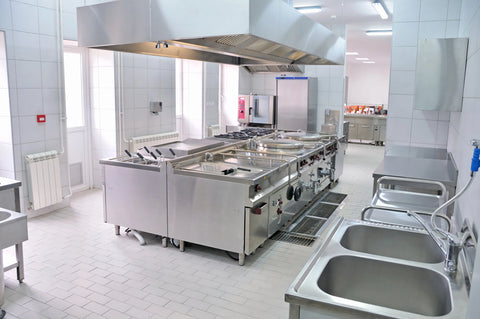
Credit: restaurantequipment.com
Essential Equipment Selection
Choosing the right equipment is crucial for designing a small commercial kitchen. Opt for compact, multi-functional tools to maximize space efficiency. Prioritize durable appliances that cater to your menu and streamline operations.
Selecting the right equipment for a small commercial kitchen can make or break your operation. The choices you make will impact not only the efficiency but also the profitability of your business. It’s crucial to strike a balance between utility, space, and cost. Here’s how you can navigate the essential equipment selection process effectively.Choosing Multi-functional Appliances
In a small kitchen, every inch counts, so opting for multi-functional appliances can be a game-changer. Appliances that offer multiple functions save both space and money. Consider a combi-oven that can steam, bake, and roast, replacing several single-purpose machines. A personal experience taught me the value of a food processor that slices, dices, and grinds. It not only reduced prep time but also freed up counter space. What multi-functional appliance could significantly boost efficiency in your kitchen?Energy Efficiency Considerations
Energy efficiency is not just a trend; it’s a necessity. Selecting energy-efficient equipment can lead to substantial savings on utility bills. Look for appliances with Energy Star ratings for maximum efficiency. Think about the long-term benefits. An energy-efficient refrigerator might have a higher upfront cost but will save money over time. Have you considered how energy-efficient choices align with your budgetary goals?Quality Vs. Cost
Balancing quality and cost can be challenging but crucial in the long run. While the cheapest option may be tempting, it’s often more economical to invest in durable, high-quality equipment. Poor-quality items can lead to frequent replacements and repairs. Consider creating a list of must-have equipment and prioritize based on quality and necessity. It’s better to start with fewer, better-quality items that won’t disrupt your workflow. What criteria do you use to judge if an appliance is worth the investment?Workflow And Ergonomics
Designing a small commercial kitchen involves optimizing workflow and ergonomics. Arrange equipment logically for smooth operations. Ensure accessible workstations to minimize movement, enhancing efficiency.
Designing a small commercial kitchen requires careful planning. Workflow and ergonomics play a vital role in creating an efficient kitchen space. These elements ensure smooth operations and help maintain the well-being of the staff. Let’s dive into how to optimize these aspects.Streamlining Kitchen Flow
Organize stations to maximize efficiency. Place cooking, cleaning, and prep areas strategically. This reduces unnecessary movement. Think of the kitchen like a production line. Each station should lead seamlessly to the next. Clear paths ensure quick access to essential tools and ingredients. This setup speeds up service and minimizes chaos.Ergonomic Design Principles
Design with comfort in mind. Choose adjustable countertops and shelving. This reduces strain on staff during long shifts. Install non-slip mats for safety. Opt for equipment that is easy to reach and operate. Ergonomics prevent injuries and enhance productivity. A well-designed space supports the staff’s health.Reducing Staff Fatigue
Fatigue impacts performance. Ensure adequate lighting and ventilation. These elements keep energy levels up. Allow space for breaks. Provide seating where possible. Staff should have room to stretch and relax. Design a kitchen that cares for its team. A comfortable environment boosts morale and efficiency.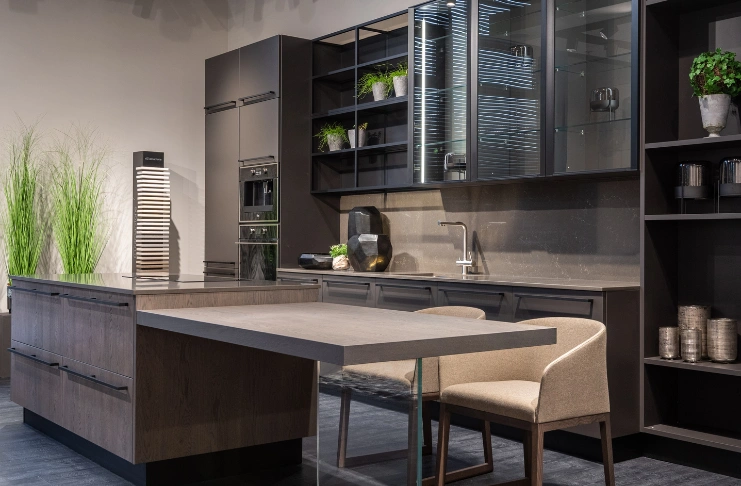
Credit: www.restauranttimes.com
Safety And Compliance
Designing a small commercial kitchen prioritizes safety and compliance. Ensure proper ventilation to reduce fire hazards. Choose non-slip flooring and easy-to-clean surfaces to maintain hygiene.
Designing a small commercial kitchen requires careful attention to safety and compliance. Ensuring the space is safe and meets regulations is crucial. This includes fire safety, health standards, and accessibility. Each element plays a vital role in creating a secure kitchen environment.Fire Safety Measures
Fire safety is essential in a kitchen setting. Install fire extinguishers in accessible locations. Use fire-resistant materials for walls and surfaces. Ensure proper ventilation to prevent smoke buildup. Regularly inspect gas lines and electrical systems for safety. Train staff on emergency procedures and fire drills.Health And Hygiene Standards
Maintaining high health standards is critical. Use stainless steel surfaces for easy cleaning. Ensure sinks and hand-washing stations are readily available. Store food at correct temperatures to prevent spoilage. Implement strict cleaning schedules and pest control measures. Train staff on hygiene protocols and food safety.Accessibility Requirements
Accessibility is a key aspect of kitchen design. Ensure wide aisles for easy movement. Use non-slip flooring to prevent accidents. Install accessible sinks and counters for disabled staff. Clearly label storage areas for quick access. Provide adequate lighting to enhance visibility.Ventilation And Air Quality
Effective ventilation ensures a safe environment in small commercial kitchens. Proper airflow removes smoke and odors, enhancing air quality.
Ventilation and air quality are critical in designing a small commercial kitchen. Proper ventilation ensures a safe and comfortable environment. It also prevents the build-up of smoke and odors. Good air quality keeps the kitchen staff healthy and productive.Effective Ventilation Systems
Effective ventilation systems remove heat, smoke, and odors from the kitchen. Choose a system that fits the kitchen size and layout. A range hood is a common choice. It captures smoke and steam directly from the cooking area. Exhaust fans help expel air outside, keeping the kitchen cool. Ensure the system meets local health and safety standards.Managing Odor And Smoke
Managing odor and smoke is essential for a pleasant kitchen environment. Regularly clean the range hood filters. This helps in removing grease build-up. Use air purifiers to reduce odors. They improve air circulation and freshness. Consider installing carbon filters. They absorb kitchen smells efficiently.Improving Air Quality
Improving air quality requires attention to detail. Use natural ventilation where possible. Open windows and doors to increase airflow. Maintain HVAC systems for optimal performance. Schedule regular inspections and cleanings. Introduce plants in non-cooking areas. They help filter air naturally.Lighting And Ambiance
Strategic lighting creates a welcoming ambiance in small commercial kitchens. Optimize space with bright, energy-efficient fixtures. Choose adjustable lighting for different tasks, enhancing both functionality and atmosphere.
Designing a small commercial kitchen requires careful attention to lighting and ambiance. Effective lighting enhances functionality and creates a welcoming atmosphere. Good lighting can make a big difference in how your kitchen operates. It improves visibility, safety, and the overall dining experience.Task Lighting Solutions
Task lighting is crucial in a commercial kitchen. It focuses light where it’s needed most. This includes preparation areas, cooking stations, and dishwashing zones. LED strip lights are a great option. They provide bright, direct light without consuming much space. Under-cabinet lights also work well for countertops. Choose adjustable fixtures. They allow you to direct light exactly where it’s needed.Creating A Pleasant Atmosphere
A pleasant atmosphere enhances the dining experience. Use warm lighting to create a cozy vibe. Pendant lights above dining areas add charm. Soft, diffused lights work well for customer areas. Avoid harsh, glaring lights. They can make the space feel uncomfortable. Consider dimmable options. They let you adjust the ambiance as needed.Energy-saving Lighting Options
Energy efficiency is important in small kitchens. Use LED lights to save on energy costs. They last longer and consume less power than traditional bulbs. Install motion sensors in less-used areas. They ensure lights are only on when needed. Choose fixtures with high energy ratings. This reduces your kitchen’s carbon footprint. Opt for natural light where possible. Skylights or large windows save energy and brighten spaces naturally.Sustainability Practices
Designing a small commercial kitchen with sustainability in mind boosts efficiency. Opt for energy-efficient appliances and maximize natural light. Use durable, eco-friendly materials to minimize waste and reduce environmental impact.
Designing a small commercial kitchen with sustainability in mind is not just about being environmentally conscious, it’s about creating an efficient, cost-effective space that stands the test of time. Sustainability practices can significantly enhance your kitchen’s functionality while minimizing its environmental footprint. Let’s dive into how eco-friendly materials, waste reduction strategies, and sustainable sourcing can transform your kitchen into a green powerhouse.Eco-friendly Materials
Choosing eco-friendly materials for your kitchen is a smart step toward sustainability. Opt for materials like recycled steel for appliances and reclaimed wood for surfaces. These materials not only reduce environmental impact but also add a unique aesthetic to your space. Consider energy-efficient appliances that consume less power but perform optimally. Energy Star-rated equipment, for instance, can significantly lower your utility bills while reducing your carbon footprint.Waste Reduction Strategies
How can you minimize waste in your kitchen? Start by implementing a rigorous recycling program. Separate glass, plastics, and metals to ensure they are properly recycled. Think about composting organic waste. You can turn food scraps into valuable compost for local gardens, promoting a circular economy. Another effective strategy is to use digital inventory management systems. These systems help track ingredients and reduce over-ordering, thereby minimizing food waste.Sustainable Sourcing
Sourcing sustainably can have a profound impact on both the environment and your business. Choose suppliers who prioritize ethical and sustainable farming practices. This not only supports local communities but also ensures you’re providing quality ingredients. Opt for seasonal and locally-sourced produce. This reduces transportation emissions and often results in fresher, tastier dishes for your customers. Have you considered partnerships with local farmers? Building these relationships can ensure a steady supply of fresh ingredients while supporting the local economy. By integrating these sustainability practices, you can create a small commercial kitchen that is not only environmentally friendly but also efficient and cost-effective. How will you make your kitchen a model of sustainability?Budget Management
Effective budget management is crucial for designing a small commercial kitchen. Prioritize essential equipment and optimize space to minimize costs. Plan strategically to balance functionality with affordability.
Budget management is crucial when designing a small commercial kitchen. Efficient use of funds ensures you create a space that meets your needs without overspending. Understanding the balance between costs and quality can help you make informed decisions. Let’s explore how to manage your budget effectively for a successful kitchen design.Cost-effective Design Tips
Choosing affordable materials can reduce costs significantly. Opt for durable yet inexpensive options like stainless steel for countertops. Use open shelving to save on cabinetry expenses. Consider energy-efficient appliances which lower long-term utility bills. Layout optimization also enhances efficiency without extra spending. A well-planned design minimizes wasted space and maximizes functionality.Prioritizing Investments
Focus on essential equipment first. Invest in high-quality cooktops and refrigerators. These are vital for daily operations. Allocate funds for proper ventilation systems. Air quality is crucial for safety and comfort. Prioritize items that directly impact food quality and service speed. Cut costs on non-essential features like decorative elements.Long-term Savings
Investing in energy-efficient appliances saves money over time. Regular maintenance of equipment prevents costly repairs. Proper insulation reduces heating and cooling expenses. Consider durable flooring to minimize replacement costs. Encourage staff to follow energy-saving practices. Long-term savings contribute to a sustainable business model.Frequently Asked Questions
What Are The Key Elements In A Small Commercial Kitchen?
Efficient layout, quality equipment, and proper ventilation are crucial. Maximize space with vertical storage and compact appliances. Prioritize safety and workflow efficiency. Use durable, easy-to-clean materials. Consider energy-efficient options to reduce costs. Adequate lighting and ergonomic design enhance functionality and comfort.
How Can I Maximize Space In A Small Kitchen?
Use vertical storage solutions and compact, multi-functional equipment. Install shelves and wall-mounted racks to save space. Optimize the layout for a smooth workflow. Choose appliances with smaller footprints. Organize efficiently to ensure easy access to essential items. Prioritize essential equipment and supplies.
Which Layout Is Best For Small Commercial Kitchens?
The galley layout is ideal for small spaces. It features parallel counters and maximizes efficiency. It offers a streamlined workflow, minimizing movement. This layout utilizes space effectively, allowing multiple cooks to work simultaneously. It is perfect for narrow spaces, providing easy access to all areas.
How Important Is Ventilation In A Small Kitchen?
Ventilation is crucial to maintain air quality and safety. It removes heat, smoke, and odors, ensuring a comfortable environment. Proper ventilation reduces the risk of fire hazards and improves equipment longevity. Invest in a high-quality ventilation system for optimal performance and compliance with health regulations.
Conclusion
Designing a small commercial kitchen requires careful planning. Prioritize space efficiency. Choose equipment wisely to fit your needs. Ensure a logical workflow to enhance productivity. Safety is crucial; keep it in mind while planning. Regular maintenance keeps equipment in top shape.
Optimize storage to prevent clutter and improve access. Lighting affects visibility and ambiance. Ventilation ensures a comfortable environment. A well-designed kitchen boosts staff morale and efficiency. Remember, simplicity in design often leads to better functionality. Small spaces can deliver big results with thoughtful design.
Keep these tips in mind to create a functional kitchen space.