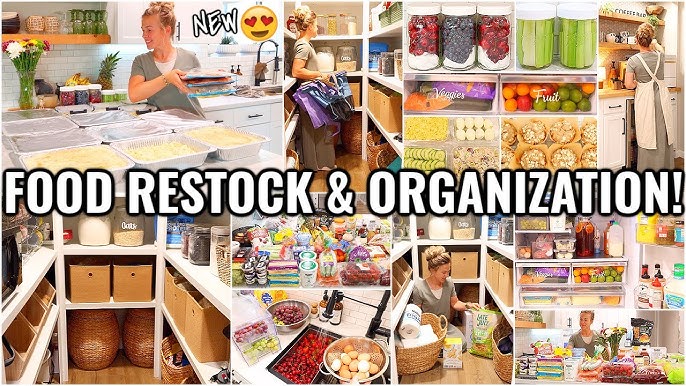
Your kitchen is the heart of your home, a place where flavors come alive and traditions are kept. But when it comes to organizing an Indian kitchen in the USA, things can get a bit challenging.
You might be dealing with limited space or unfamiliar storage solutions. Fear not, because there’s a way to create a harmonious blend of your rich culinary heritage and modern American convenience. Imagine opening your cabinets and finding everything perfectly in place, making cooking a joy rather than a chore.
You’ll discover practical tips and smart strategies to transform your kitchen into a well-organized space that celebrates the vibrant essence of Indian cooking. Keep reading to unlock the secrets of creating an efficient, clutter-free kitchen that truly feels like home.

Credit: www.youtube.com
Understanding Indian Kitchen Needs
Organizing an Indian kitchen in the USA requires thoughtful planning. Prioritize accessible storage for spices and utensils. Consider space for essential appliances like a pressure cooker and mixer.
Understanding the needs of an Indian kitchen in the USA can be quite unique. Indian cooking involves diverse spices, utensils, and techniques. It requires a well-organized space to accommodate various ingredients and tools. This section explores how to effectively set up an Indian kitchen that meets these specific needs.Understanding Essential Spices And Ingredients
Indian cuisine is rich with spices and flavors. A well-stocked pantry is key. Common spices include turmeric, cumin, coriander, and garam masala. Fresh ingredients like ginger, garlic, and green chilies are staples. Organize these in clear jars for easy access. Use labels to identify them quickly.Utilizing The Right Cooking Utensils
Indian cooking requires specific utensils. A pressure cooker is crucial for lentils and rice. A tawa is essential for making flatbreads. Keep a kadai for frying and sautéing. Arrange utensils by frequency of use. Store less-used items in the back. This saves time and keeps the kitchen tidy.Setting Up Efficient Storage Solutions
Space can be limited in a U.S. kitchen. Use vertical storage to maximize room. Install shelves for jars and containers. Use drawer organizers for small items. Opt for stackable containers to save space. Ensure spices and grains are airtight. This preserves freshness and flavor.Incorporating Traditional Cooking Methods
Traditional methods enhance the authenticity of Indian dishes. Techniques like tempering add depth to flavors. Use a spice box for quick access during cooking. Maintain a dedicated space for grinding spices. Consider a mortar and pestle for fresh masalas. This keeps the cooking process smooth. Understanding these needs helps create an efficient and authentic Indian kitchen. A well-organized space simplifies cooking and enriches the culinary experience.Essential Indian Spices
Indian cuisine is known for its rich flavors and aromatic spices. Organizing these spices in your kitchen can enhance your cooking experience. Essential Indian spices include turmeric, cumin, coriander, and garam masala. These spices add depth and character to dishes. Proper organization ensures easy access and preserves their freshness.
Storage Solutions
Keeping spices fresh is crucial for flavor. Glass jars with airtight lids are ideal. They protect spices from moisture and air. Mason jars are popular for their durability. Spice racks help in organizing jars neatly. Wall-mounted racks save counter space. Cabinets with pull-out drawers can also be useful.
Consider using transparent containers. You can quickly identify each spice. Store them away from heat. Avoid placing them near the stove. Spices last longer when stored in a cool, dry place.
Labeling Techniques
Labeling spices prevents confusion during cooking. Use clear, readable labels. Include the name and purchase date. This helps track freshness. Labeling ensures you grab the right spice quickly.
Use waterproof labels. They withstand kitchen conditions. Handwritten labels add a personal touch. You can also print labels for a uniform look. Color-coding can be helpful. Assign each spice a color for quick identification.
Utensils And Cookware
Organize an Indian kitchen in the USA by categorizing cookware and utensils. Group pots, pans, and serving dishes for easy access. Arrange spices and ingredients on shelves for quick cooking.
Organizing an Indian kitchen in the USA can be both a delightful and challenging experience. The unique blend of spices, flavors, and cooking techniques requires specific utensils and cookware. While American kitchens may offer various gadgets, finding the right tools for Indian cooking can make all the difference in creating authentic dishes with ease. Let’s dive into how you can efficiently organize your utensils and cookware to enhance your culinary journey.Must-have Utensils
When it comes to Indian cooking, certain utensils are indispensable. – Pressure Cooker: A staple for cooking lentils and rice quickly. It saves time and energy, making it a must-have in any Indian kitchen. – Tawa: Perfect for making rotis and dosas, a good tawa is essential for those crispy edges and soft centers. – Spice Box (Masala Dabba): Keeping your spices organized and easily accessible is crucial. A well-arranged spice box ensures that you can quickly add the right flavors to your dishes. – Mortar and Pestle: Freshly ground spices can elevate any dish. A sturdy mortar and pestle allows you to grind spices just the way you like them. – Ladle and Spatula: Essential for stirring curries, flipping chapatis, and serving dishes. Opt for heat-resistant materials to avoid damage. Have you ever struggled to find the right utensil while cooking? It might be time to reassess your kitchen organization.Cookware Organization
Efficient organization can transform your cooking experience. – Categorize Cookware: Group items by type or frequency of use. Place frequently used pots and pans within easy reach, while storing less-used items in higher cabinets. – Vertical Storage: Utilize wall-mounted racks for storing pans and lids vertically. This not only saves space but also provides easy access. – Drawer Dividers: Use dividers to separate and organize smaller utensils like spoons, knives, and measuring cups. This prevents clutter and keeps everything in place. – Labeling: Consider labeling shelves or containers to quickly identify where each item belongs. This makes it easier to maintain organization in the long run. – Clear Containers: Transparent storage bins can help you see what’s inside without rummaging through. This is particularly useful for storing specialty items like idli makers or paniyaram pans. Does your cookware organization reflect your cooking style? Tailor your setup to complement your culinary habits and maximize efficiency.
Credit: m.youtube.com
Pantry Organization
Organizing your pantry can transform your Indian kitchen in the USA. A well-organized pantry saves time and reduces stress during meal preparation. It helps you easily find ingredients when needed. Let’s explore effective ways to organize your pantry.
Grouping Ingredients
Sort ingredients into categories. Group all spices together for easy access during cooking. Store lentils, rice, and flour in separate sections. Use clear containers to see contents at a glance. Label each container to avoid confusion. Keep similar items together for quick retrieval.
Efficient Use Of Space
Utilize vertical space in your pantry. Install shelves to stack containers neatly. Consider using door racks for smaller items like spice jars. Opt for stackable containers to maximize space. Use bins to group similar products together. A tidy pantry makes cooking more enjoyable.
Refrigerator Management
Organizing an Indian kitchen in the USA involves strategic refrigerator management. Store spices in airtight containers to preserve freshness. Arrange fruits and vegetables in separate sections for easy access.
Refrigerator management is vital in keeping your kitchen organized. An organized fridge helps preserve food longer and reduces waste. This is especially important for maintaining the freshness of ingredients in Indian cooking.Storing Fresh Produce
Keeping fresh produce crisp is key. Use the crisper drawer for fruits and vegetables. This drawer has a higher humidity level, which keeps produce fresh. Separate fruits and vegetables to avoid premature ripening. Wrap leafy greens in paper towels before placing them in the fridge. This absorbs excess moisture and prolongs freshness. Store herbs like cilantro and mint in a jar with water. Cover them loosely with a plastic bag to maintain freshness.Preserving Indian Ingredients
Indian cooking often requires specific ingredients. It’s important to store them properly. Keep spices in airtight containers to maintain their potency. Store fresh ginger and garlic in the crisper drawer. This keeps them from drying out. Paneer can be stored in water in the fridge. Change the water every two days to keep it fresh. For longer storage, freeze paneer in an airtight bag. Use stackable containers for leftover curry or dal. This saves space and keeps your fridge organized.
Credit: www.youtube.com
Maximizing Small Spaces
Organize an Indian kitchen in the USA efficiently by using vertical storage solutions and multi-functional appliances. Opt for stackable containers and wall-mounted racks to save space while keeping essentials within reach.
Maximizing Small Spaces in your Indian kitchen can transform how you cook. Many US kitchens offer limited space, but strategic organization makes a big difference. You can enjoy efficient cooking even in compact areas.Utilizing Vertical Storage
Vertical storage is a brilliant solution for small kitchens. Use tall shelves to store spices and grains. Hang hooks on walls for pots and pans. Install racks inside cabinet doors for lids and cutting boards. This way, every inch is functional.Compact Solutions For Limited Space
Compact solutions keep your kitchen tidy and accessible. Opt for stackable containers for lentils and rice. Use magnetic strips to hold knives, saving counter space. Choose foldable tables for extra prep room. These ideas make cooking easier and more enjoyable.Incorporating Modern Appliances
Maximize space in an Indian kitchen in the USA by integrating modern appliances. Streamline cooking with efficient tools while maintaining traditional charm. Enhance functionality with smart storage solutions and compact gadgets.
Incorporating modern appliances into your Indian kitchen in the USA can transform your cooking experience, making it more efficient and enjoyable. Modern appliances not only save time but also help you prepare dishes with precision and ease. However, integrating these gadgets without losing the traditional essence of Indian cooking is essential.Choosing The Right Appliances
Selecting the right appliances for your Indian kitchen involves considering your cooking habits and space. A high-quality pressure cooker is a must-have for preparing staples like dals and rice quickly. Additionally, a powerful blender or mixer-grinder is essential for making smooth chutneys and grinding spices. Consider investing in a multi-functional air fryer. It’s perfect for making healthier versions of fried snacks like samosas and pakoras. Opt for appliances that are compact yet versatile to maximize utility without overcrowding your kitchen.Blending Traditional And Modern
Balancing modern technology with traditional cooking techniques can enhance your culinary experience. Use a traditional tawa on an electric stove to make rotis, blending the old with the new for perfect results. Similarly, a modern rice cooker can simplify making biryani, while retaining its authentic taste. Think about how each appliance can complement your traditional cookware. Does your electric grinder pair well with your stone mortar and pestle? This combination can give you the flexibility to choose between convenience and authenticity, depending on the dish you’re preparing. How do you maintain the balance between modern conveniences and traditional authenticity in your kitchen? Share your insights and tips in the comments below!Safety And Hygiene Tips
Organizing an Indian kitchen in the USA requires attention to safety and hygiene. Store spices in airtight containers to maintain freshness. Keep raw and cooked foods separate to avoid contamination. Regularly clean countertops and utensils with mild disinfectants.
Organizing an Indian kitchen in the USA requires special attention to safety and hygiene. The diverse spices, oils, and cooking techniques can make your kitchen a vibrant hub of activity. However, it’s crucial to maintain a clean and safe environment to ensure your culinary adventures remain enjoyable and healthy. Let’s dive into some practical safety and hygiene tips that can make your kitchen both functional and secure.Maintaining Cleanliness
Keep your kitchen surfaces clean to prevent the growth of bacteria and other pathogens. Wipe down countertops with a mixture of vinegar and water after every meal preparation. This simple solution is effective and free from harsh chemicals. Consider using a separate cutting board for vegetables and meats. This reduces cross-contamination and keeps your meals safe. Regularly sanitize these boards to maintain their cleanliness. Designate a specific area for washing dishes and utensils immediately after use. This prevents clutter and makes the cleaning process more manageable. A tidy kitchen is not only more pleasant to cook in but also reduces the risk of accidents.Safe Storage Practices
Store your spices in airtight containers to maintain their freshness and potency. This not only preserves their flavor but also keeps unwanted pests at bay. Arrange them on a dedicated spice rack to keep them organized and within easy reach. Keep perishable items like dairy products and cooked food in the refrigerator. Label them with dates to ensure you use them before they spoil. This practice minimizes waste and ensures you always have fresh ingredients at hand. Use transparent containers for storing grains and pulses. This allows you to quickly assess their quantity and condition. It also makes it easier to spot any potential infestations early. By focusing on cleanliness and safe storage, you create a kitchen environment that is both safe and efficient. What changes can you make today to enhance safety and hygiene in your kitchen?Cultural Aesthetics And Decor
Creating an Indian kitchen in the USA is a delightful journey. It blends cultural aesthetics with modern functionality. This fusion creates a warm, inviting space that feels like home. The decor reflects the vibrant colors and rich traditions of Indian culture. It also adapts to the practical needs of a modern American kitchen. Let’s explore ways to infuse Indian style while balancing function and beauty.
Infusing Indian Style
Bright colors are a hallmark of Indian decor. Use warm tones like red, orange, and yellow. These colors evoke the feeling of a traditional Indian kitchen. Decorative tiles can add an authentic touch. Look for tiles with intricate patterns and bold colors. Display traditional Indian cookware like brass pots and clay pans. They serve both as decor and functional cooking tools.
Hang art that reflects Indian culture. Consider paintings of Indian landscapes or folk art. Use textiles like handwoven tablecloths or vibrant curtains. These elements bring warmth and personality to the kitchen. Small details make a big impact. Try using traditional Indian motifs on kitchen accessories. This could be on items like dish towels or utensil holders.
Balancing Functionality And Aesthetics
While style is important, functionality can’t be ignored. Organize your kitchen for efficient cooking. Place frequently used items within easy reach. Use storage solutions that complement the decor. Think about open shelves with decorative baskets. They add beauty and provide practical storage.
Lighting plays a key role in functionality and ambiance. Choose lighting fixtures that enhance the decor. Pendant lights with an Indian design add character. Ensure the kitchen is well-lit for cooking tasks. Mix different types of lighting for the best effect.
Keep the countertop clutter-free. Use decorative jars for storing spices. This keeps them handy and adds an aesthetic element. Invest in quality appliances that match the kitchen’s theme. Stainless steel appliances work well with Indian decor. They offer a modern contrast to traditional elements.
Frequently Asked Questions
How To Maximize Space In Indian Kitchen?
To maximize space, use vertical storage solutions and stackable containers. Opt for modular shelves and pull-out drawers. Utilize wall-mounted racks for pots and pans. Keep countertops clutter-free by storing appliances in cabinets. Employ organizers for spices and utensils to maintain efficiency and accessibility.
What Are Essential Indian Kitchen Tools?
Essential tools include a pressure cooker, tawa, kadai, and spice grinder. Also, use a rolling pin for chapati and a sieve for flour. Invest in quality knives and a cutting board. Keep measuring spoons and cups handy for accurate ingredient proportions.
These tools simplify cooking Indian dishes.
How To Store Indian Spices Effectively?
Store spices in airtight containers to maintain freshness. Use labeled jars for easy identification. Keep them in a cool, dark place like a cabinet. Group spices by type for efficient access. Regularly check expiry dates to ensure optimal flavor. This approach preserves aroma and taste.
Tips For Organizing Indian Pantry Staples?
Use clear containers for rice, lentils, and flours. Label them for easy identification. Stack containers to save space. Maintain separate shelves for snacks and dry goods. Rotate older items to the front to prevent waste. Keep frequently used items within arm’s reach for convenience.
Conclusion
Organizing an Indian kitchen in the USA is simple with the right approach. Start with sorting essential spices and utensils. Prioritize items used daily for easy access. Use transparent containers for visibility. Label everything to save time. Create zones for different cooking activities.
Maintain cleanliness to ensure hygiene. Regularly declutter to keep the kitchen efficient. These steps make cooking enjoyable and stress-free. Remember, a well-organized kitchen boosts creativity. It enhances the joy of preparing delicious meals. Embrace the process. Enjoy the transformation. Your kitchen is more than a cooking space.
It’s a reflection of your culture.