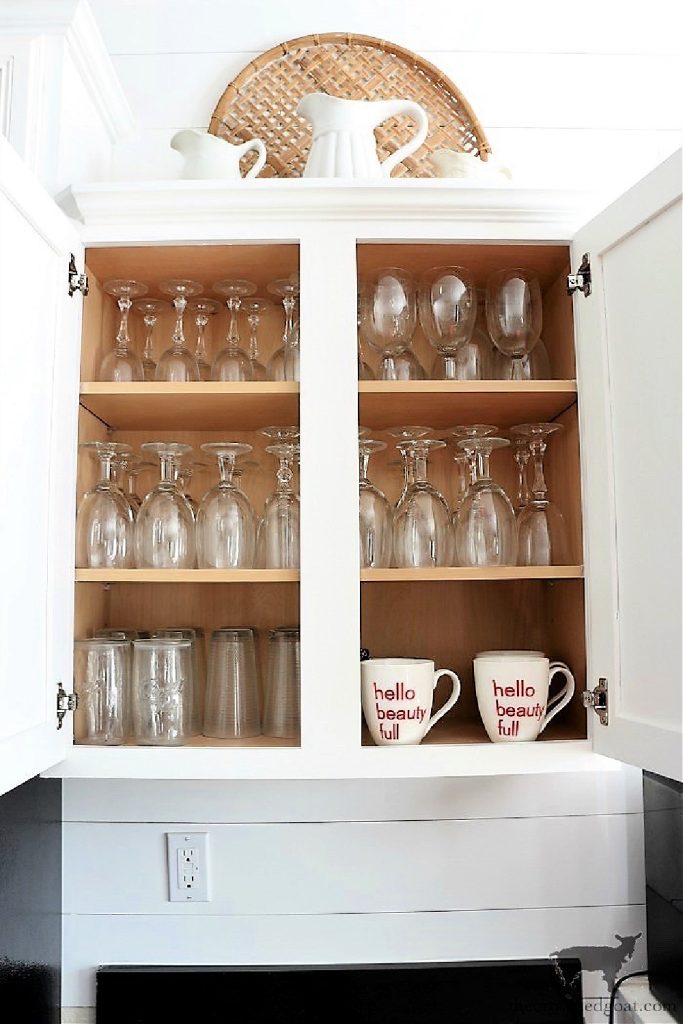
Do you ever feel like your kitchen is in chaos? You’re not alone.
The kitchen is often the heart of the home, but it’s also where clutter and mess tend to gather. Imagine walking into a space that feels fresh, organized, and welcoming. It might seem like a dream, but with a few simple steps, it can be your reality.
A clean and organized kitchen not only looks great but can also improve your mood and boost your productivity. Picture yourself cooking your favorite meal in a space where everything you need is at your fingertips. No more digging through cluttered drawers or hunting for ingredients in a crowded pantry. This guide will show you how to transform your kitchen into an efficient and tidy sanctuary. You’ll discover easy-to-follow tips that will make cleaning and organizing a breeze. Say goodbye to stress and hello to a kitchen that works for you. Are you ready to unlock the secrets to a perfectly organized kitchen? Dive in and let’s get started!
Credit: www.hallstromhome.com
Decluttering The Kitchen
Tidy up your kitchen by sorting items into categories. Clear countertops for a fresh look. Organize cabinets and drawers to make space. Keep frequently used items within reach. Store similar items together for easy access. A clutter-free kitchen enhances cooking efficiency.
Decluttering the kitchen is essential for a functional cooking space. A cluttered kitchen can make meal preparation stressful and time-consuming. With a few steps, you can transform your kitchen into a clean, organized haven. Start by sorting through your items and deciding what stays and what goes. Then, look into smart storage solutions to maximize space. Let’s delve into the process of decluttering your kitchen effectively.Sorting Essentials And Non-essentials
Begin by taking everything out of your cabinets and drawers. Lay items on a clean surface for a clear view. Identify items you use daily, like pots, pans, and utensils. Set these essentials aside for easy access. Next, examine gadgets or tools you rarely use. Consider if they are truly necessary. If they are collecting dust, they might belong to the non-essential category. This step helps you see what needs to stay and what can go.Donating Or Disposing Items
Now that you have sorted your essentials, it’s time to deal with non-essentials. For items in good condition, consider donating them to local charities. Many organizations welcome kitchenware donations. For broken or worn-out items, dispose of them responsibly. Check local guidelines for proper disposal methods. This clears up space and benefits the community.Maximizing Space With Smart Storage
With fewer items, focus on organizing your essentials. Use vertical space by installing shelves or racks. Hanging pots and pans frees up cabinet space. Use drawer dividers for utensils. Consider clear containers for easy identification of pantry items. Labeling helps keep track of ingredients. Look into pull-out trays for deep cabinets. This enhances accessibility and utilizes every inch efficiently.Deep Cleaning Techniques
Deep cleaning the kitchen involves scrubbing surfaces, organizing cabinets, and decluttering countertops. Use baking soda and vinegar to clean stubborn stains and grease. Regularly check pantry items and discard expired goods to maintain order.
Deep cleaning your kitchen can seem overwhelming, but it’s a rewarding task that transforms your cooking space into a haven of cleanliness and efficiency. When you focus on specific areas like cabinets, countertops, and appliances, the task becomes more manageable. Let’s dive into some practical techniques for a spotless kitchen.Cleaning Cabinets And Drawers
Organizing your cabinets and drawers starts with removing everything inside. This is a great opportunity to discard expired items and rethink your storage strategy. Wipe the interiors with a damp cloth, using a mild soap solution. Pay attention to corners and crevices where crumbs and dust tend to accumulate. Consider lining your drawers with protective mats to keep them clean longer. This also adds a layer of organization, making it easy to spot what you need.Sanitizing Countertops And Surfaces
Clear all items from your countertops. This is your chance to evaluate which items really need to be out and which can be stored. Use a disinfectant spray that is safe for the material of your countertops. Let it sit for a couple of minutes before wiping it off to ensure effective sanitization. Don’t forget to clean the backsplash and walls around your countertops. These areas often collect splatters and stains from cooking.Degreasing Appliances And Fixtures
Grease can build up on appliances over time, making them look dull and dirty. Focus on frequently used appliances like your stove and microwave. Mix baking soda and water to create a paste for stubborn grease spots. Apply it to the surface and let it sit for a few minutes before scrubbing off with a sponge. Check your fixtures, such as taps and handles, for any grease build-up. A vinegar solution can work wonders here, breaking down grease without damaging the finish. How often do you deep clean your kitchen? Regular maintenance can make these tasks easier and quicker. Share your experience in the comments!Organizing Pantry And Cabinets
Cleaning and organizing the kitchen can make meal prep easier. Start by emptying cabinets and the pantry. Group similar items and label containers for easy access.
Organizing your pantry and cabinets is a game-changer in the quest for a clean and efficient kitchen. Imagine opening your cabinet and instantly finding what you need without a scavenger hunt. This dream can become reality with a few smart strategies. By focusing on labeling, utilizing shelf organizers, and storing bulk goods effectively, you can transform your kitchen into a space that’s not only tidy but also functional.Labeling And Categorizing Items
Labeling is more than just sticking a tag on a jar. It’s about creating a system that makes sense to you. Consider using clear labels that can be easily read at a glance. This way, everyone in your household can find what they’re looking for without confusion. Categorize items logically. Group similar ingredients together like baking supplies, canned goods, or spices. This not only saves time but also helps you keep track of what you have and what you need.Utilizing Shelf Organizers
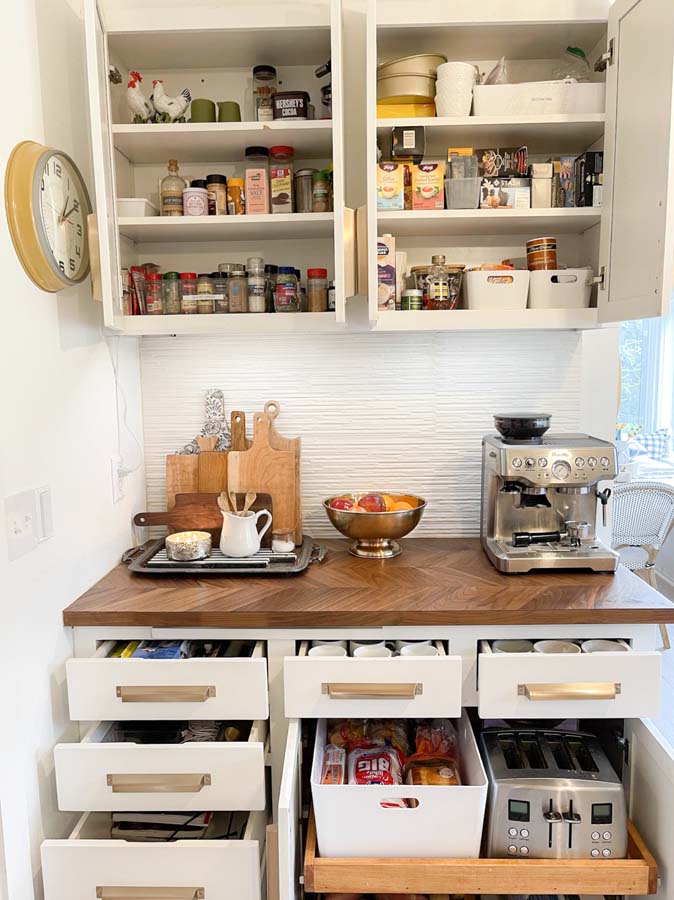
Shelf organizers can be your best friends when it comes to maximizing space. Use stackable bins or tiered racks to take advantage of vertical space. This is especially useful in cabinets where things tend to get lost in the back. Think about adjustable shelving units that allow you to customize the space according to your needs. This flexibility can accommodate various sizes of items without wasting precious space.Storing Bulk Goods Efficiently
Storing bulk goods can be tricky, but with the right approach, it’s simple. Use airtight containers to keep items fresh and easily accessible. This is perfect for things like rice, pasta, or cereal. Consider using larger bins for bulk items that don’t fit into standard containers. This prevents clutter and keeps your pantry looking neat. Is there a particular technique that you find most effective for organizing your kitchen? Share your experiences and tips in the comments below!
Credit: thecrownedgoat.com
Efficient Refrigerator Management
Efficient refrigerator management involves regular cleaning and strategic organization. Remove expired items and clean shelves thoroughly. Arrange food by categories for easy access and maintain optimal freshness.
Efficient refrigerator management keeps your kitchen organized and reduces food waste. A well-managed fridge makes meal planning easier. It ensures food stays fresh longer. Here are some practical tips to manage your refrigerator efficiently.Rotating Food For Freshness
Always place newer items behind older ones. This encourages using older items first. Check expiration dates regularly. Remove expired or spoiled items. This practice prevents food spoilage and saves money.Organizing By Food Type
Group similar items together. Place dairy products on one shelf. Store meats in a designated section. Keep fruits and vegetables in separate drawers. This makes finding items quick and easy. Labels can help in keeping track.Cleaning Shelves And Drawers
Empty the fridge before cleaning. Use mild soap and water for shelves. Wipe drawers with a damp cloth. Dry everything thoroughly before placing items back. Clean spills immediately to prevent odors. Regular cleaning keeps your fridge hygienic.Streamlining Cooking Spaces
Cleaning and organizing kitchens transforms clutter into efficiency. Arrange utensils and appliances to maximize space. Regularly wipe surfaces to maintain cleanliness and order.
Streamlining Cooking Spaces Imagine walking into your kitchen and feeling a sense of calm and efficiency. Streamlining cooking spaces can transform your daily routine from chaotic to seamless. It’s about creating an environment that makes cooking enjoyable rather than a chore. With a few strategic changes, you can turn your kitchen into a functional haven that inspires culinary creativity. Here’s how you can get started.Creating Functional Work Zones
Organizing your kitchen into dedicated work zones can dramatically enhance your cooking experience. Consider the flow of meal preparation and designate areas for specific tasks. Set up a baking station with all necessary tools and ingredients within arm’s reach. Position your chopping board near the sink to quickly rinse and chop vegetables. Arrange a cooking zone close to the stove, stocked with pots, pans, and spices. These zones help maintain focus and minimize clutter, making the cooking process smoother and more efficient.Storing Cookware And Utensils
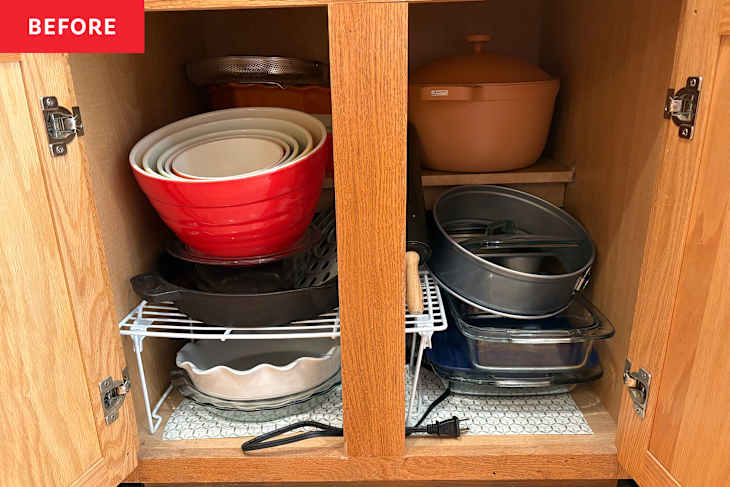
Proper storage of cookware and utensils is essential for maintaining an organized kitchen. Start by evaluating what you use most often and ensure easy access to those items. Use drawer dividers to separate utensils, preventing a tangled mess. Hang pots and pans on a wall-mounted rack to free up cabinet space. Store seldom-used items in higher cabinets or pantry shelves. Effective storage solutions not only save space but also reduce the time spent searching for tools, keeping your kitchen tidy and functional.Optimizing Counter Space
Counter space is precious real estate in the kitchen. Keeping it clutter-free can significantly improve efficiency and enjoyment. Only display appliances you use daily, like a coffee maker or toaster. Utilize vertical space with shelves for frequently used spices or small kitchen gadgets. Install a magnetic knife strip to keep your cutlery organized and accessible. By maximizing your counter space, you create a more inviting area for meal preparation and ensure your kitchen remains orderly and welcoming. What changes will you make to streamline your cooking space today? Your kitchen awaits transformation, turning chaos into calm with just a few thoughtful adjustments.Maintaining Cleanliness And Order
Maintaining cleanliness and order in the kitchen creates a welcoming space. A clean kitchen makes cooking more enjoyable and efficient. Regular maintenance prevents clutter and keeps the kitchen hygienic. This section will guide you in keeping your kitchen neat and tidy.
Establishing A Cleaning Routine
Create a simple daily cleaning routine. Start by wiping down surfaces after cooking. Sweep the floor to remove crumbs and spills. Set aside time each week for deeper cleaning tasks. Clean appliances and organize cabinets regularly. Keep a checklist to stay on track.
Using Eco-friendly Cleaning Products
Choose eco-friendly cleaning products for a safer kitchen. Natural cleaners reduce exposure to harsh chemicals. Vinegar and baking soda work well for many tasks. They are effective and gentle on surfaces. Look for products labeled biodegradable or non-toxic.
Involving Family In Kitchen Maintenance
Get the whole family involved in kitchen maintenance. Assign simple tasks to each family member. Make it a fun activity with rewards or games. Teach kids to tidy up after meals. This builds good habits and lightens the load for everyone.
Credit: www.apartmenttherapy.com
Frequently Asked Questions
How Often Should I Clean My Kitchen?
Cleaning your kitchen weekly is ideal for maintaining hygiene. Daily tasks include wiping countertops and washing dishes. Weekly, focus on deep cleaning tasks like mopping floors and cleaning appliances. Regular maintenance prevents buildup of grime and bacteria, ensuring a healthy kitchen environment.
What Is The Best Way To Organize Kitchen Cabinets?
Start by decluttering and removing unused items. Group similar items together, like spices or baking supplies. Use organizers or bins to maximize space. Store frequently used items in easily accessible spots. Label containers for easy identification. Regularly reassess and adjust your organization to suit your cooking habits.
How Can I Make My Kitchen Smell Fresh?
Keep your kitchen smelling fresh by ventilating it regularly. Use natural deodorizers like lemon or baking soda. Simmer a pot of water with citrus peels and herbs for a pleasant aroma. Clean trash bins frequently and take out the trash daily to avoid odors.
What Products Are Best For Cleaning Kitchen Surfaces?
Use mild dish soap and warm water for daily cleaning. For tough stains, a mix of baking soda and vinegar works well. Disinfect surfaces with a solution of one part bleach to ten parts water. Choose non-toxic, eco-friendly products for a safe kitchen environment.
Conclusion
A clean kitchen brings peace. Organizing it boosts efficiency. Start with small steps. Clear clutter first. Use labels for easy access. Regular cleaning keeps germs away. A clean space inspires cooking. Enjoy time spent in a tidy kitchen. Keep counters clear.
Store items wisely. Use baskets and bins for organization. A neat kitchen saves time. It reduces stress. Make cleaning a routine. Feel proud of your organized space. Share tips with friends. Help them find joy in their kitchens. Organize and clean regularly.
Your kitchen will thank you.