Imagine walking into your kitchen and finding everything in its place, every surface gleaming, and all your tools ready for action. Your kitchen is not just a place for cooking; it’s where creativity meets functionality.
But let’s be honest, keeping it clean and organized can sometimes feel like an uphill battle. You might have tried different methods, spent hours decluttering, yet chaos creeps back in. What if there were simple strategies that could transform your kitchen into a sanctuary of order and cleanliness?
This guide is your answer to achieving that dream kitchen space. We’ll explore practical tips and clever hacks tailored to your needs, making it easier than ever to maintain a spotless and organized work area. You’ll discover how small changes can lead to big improvements, allowing you to focus on what truly matters—cooking delicious meals and enjoying quality time with loved ones. Let’s dive in and turn your kitchen into a place where you can unleash your culinary creativity without the clutter and mess.
Credit: www.apartmenttherapy.com
Benefits Of A Clean Kitchen
Maintaining a clean kitchen isn’t just about aesthetics; it has tangible benefits that can enhance your daily life. A tidy workspace can save time, reduce stress, and even promote healthier eating habits. Imagine walking into a kitchen where everything is in its place, ready for you to whip up a delicious meal. Sounds inviting, right? Let’s delve into the benefits of keeping your kitchen work area clean and organized.
Reduced Stress Levels
A cluttered kitchen can be overwhelming. You might spend precious time searching for ingredients or utensils, leading to frustration. When your kitchen is organized, you can focus on the joy of cooking rather than the chaos surrounding you. A clean environment promotes peace of mind, allowing you to enjoy the process and creativity of preparing meals.
Enhanced Efficiency
In a well-organized kitchen, everything has a designated spot. This means less time spent rummaging through drawers and more time cooking. Efficiency in the kitchen can lead to quicker meal preparation, giving you more time to enjoy your culinary creations. Isn’t it wonderful to have more leisure time in your day?
Improved Hygiene
A clean kitchen is a healthy kitchen. Regular cleaning minimizes the risk of food contamination and pest infestations. When surfaces are wiped down regularly, and leftovers are properly stored, you create a safer environment for food preparation. Wouldn’t you feel more confident knowing your meals are prepared in a hygienic space?
Encourages Healthy Eating
When your kitchen is clutter-free, you’re more likely to cook at home rather than opting for takeout. An organized pantry makes it easier to see the healthy options available, prompting you to make better dietary choices. Have you ever found a hidden gem in your pantry that inspired a nutritious meal?
Cost Savings
With an organized kitchen, you’re less likely to buy duplicates of items you already own. You can keep track of what you have, reducing waste and saving money. This simple practice can significantly cut down on grocery bills. How many times have you bought an item only to realize you had it hidden away?
Keeping your kitchen clean and organized is more than a chore; it’s a gateway to a stress-free, efficient, and healthier lifestyle. By investing a little time in tidying up, you set the stage for countless culinary adventures. Isn’t it time you gave your kitchen the attention it deserves?

Credit: food52.com
Daily Cleaning Routine
Keeping your kitchen work area clean and organized enhances productivity and hygiene. A daily cleaning routine ensures a clutter-free and sparkling kitchen. Establishing habits that focus on key tasks can make a huge difference.
Wiping Surfaces
Start by wiping down all surfaces with a damp cloth. This removes crumbs, spills, and any dirt. Use a gentle cleaner suitable for countertops and appliances. Pay special attention to high-use areas like countertops and stove tops. This keeps surfaces free from grime and bacteria.
Dish Management
Handle dirty dishes promptly to prevent pile-ups. Wash dishes after every meal or load them into the dishwasher. A clean sink and empty dish rack make the kitchen look tidy. Dry and store dishes immediately to save space and time.
Floor Care
Sweep or vacuum the kitchen floor daily. This eliminates dust, food particles, and debris. Mop the floor every few days to remove sticky residue and stains. A clean floor prevents slips and keeps the kitchen looking fresh.
Weekly Cleaning Tasks
Weekly Cleaning Tasks: Keeping a kitchen work area clean and organized involves wiping surfaces, organizing utensils, and disposing of waste. Regularly clean countertops, appliances, and floors to maintain hygiene. Store items in designated places to ensure easy access and prevent clutter.
Keeping your kitchen work area clean and organized requires more than just daily tidying. Weekly cleaning tasks ensure that your kitchen remains a pleasant and hygienic space. These tasks help you tackle the deeper layers of dirt and clutter that can accumulate over time. Here’s how you can efficiently manage your weekly cleaning routine.Deep Clean Appliances
Your kitchen appliances work hard every day, and they deserve some TLC. Take time each week to deep clean them. Wipe down the exterior surfaces of your refrigerator, oven, and microwave with a gentle cleaner. For the interior, remove all items and clean shelves and trays. Don’t forget to check the seals and edges for any hidden grime. This practice not only keeps them looking good but also ensures they function optimally.Organize Cabinets
Cabinets can quickly become cluttered, making it difficult to find what you need. Spend some time each week organizing them. Start by removing items and grouping similar ones together. Use baskets or bins to contain small items and label them for easy identification. Rotate your stock, placing older items at the front to be used first. This not only maximizes space but also makes meal prep more efficient.Check Expiration Dates
Expired items can easily go unnoticed, leading to unnecessary waste and potential health risks. Dedicate part of your weekly routine to checking expiration dates on food items. Start with your pantry and then move to the fridge and freezer. Dispose of anything that is past its prime. This habit helps you keep track of what you have, preventing overbuying and encouraging the use of ingredients you already possess. Have you noticed how a clean and organized kitchen enhances your cooking experience? When everything is in its place, it’s easier to focus on creating delicious meals rather than searching for that elusive spice jar. Implement these weekly tasks and transform your kitchen into a haven of order and efficiency.Efficient Organization Strategies
A clean and organized kitchen boosts efficiency and enhances cooking enjoyment. Efficient organization strategies are essential for maintaining a tidy kitchen. They save time, reduce stress, and make cooking more enjoyable. These strategies transform cluttered spaces into functional areas.
Declutter Countertops
Clear countertops create a visually pleasing space. Start by removing unnecessary items. Keep only essentials like a coffee maker or toaster on display. This opens up the area and gives you more room to work. Use trays or baskets to group items together. It keeps things neat and accessible. Regularly assess what is on your counters. Donate or store items you rarely use.
Use Storage Solutions
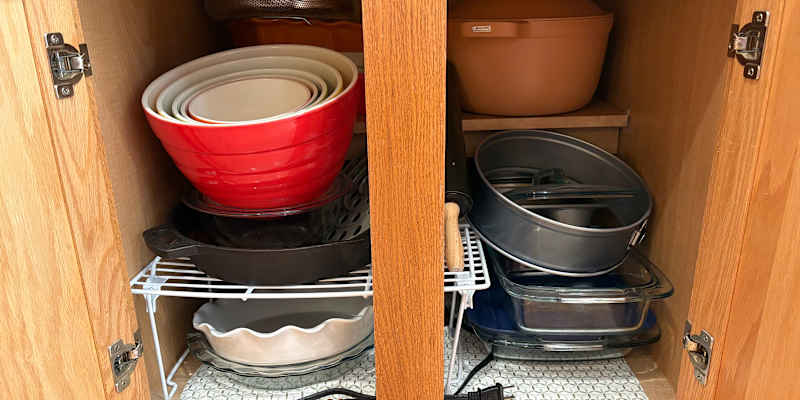
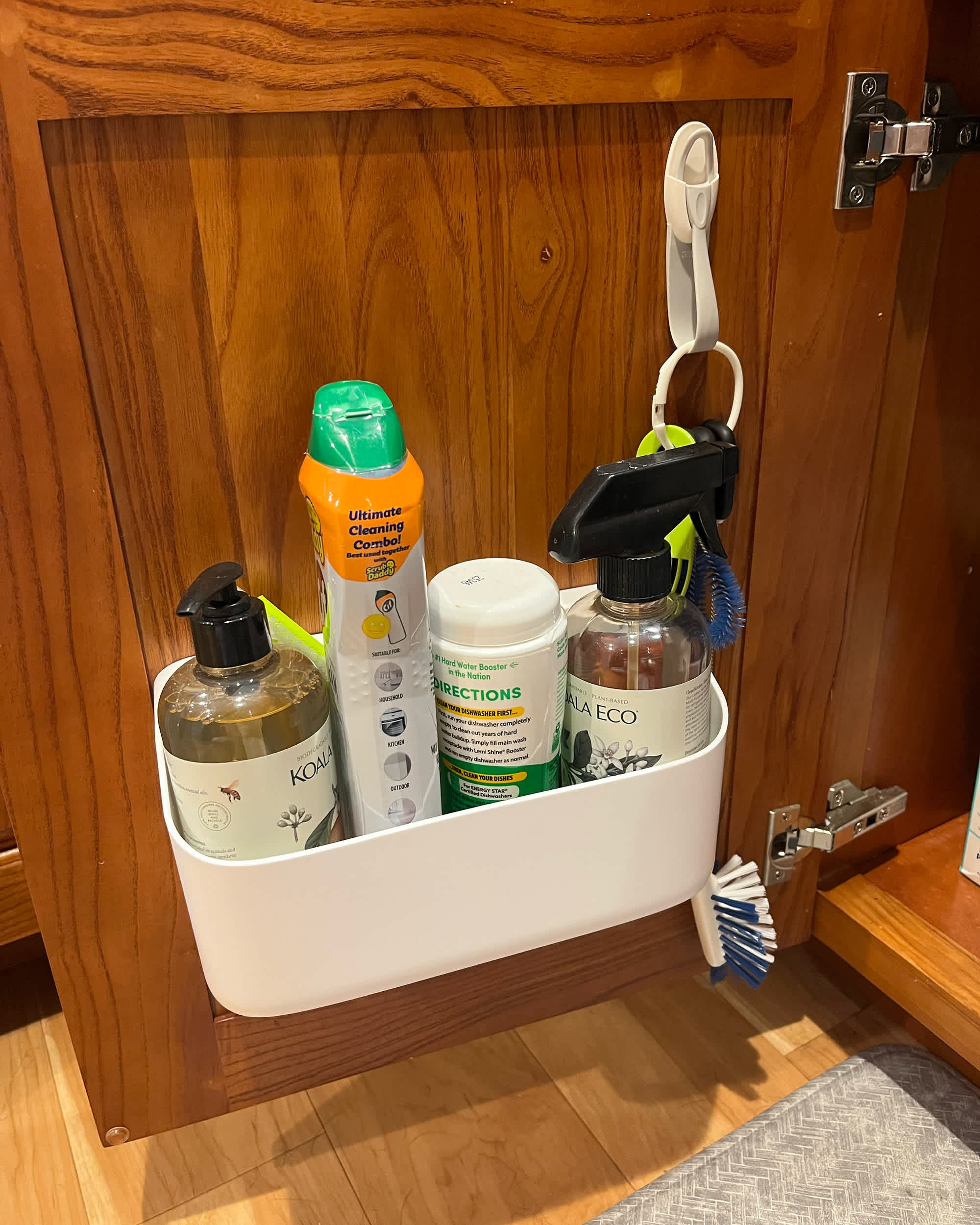
Smart storage solutions maximize your kitchen space. Consider installing shelves or racks. They provide extra storage without taking up counter space. Use drawer organizers to keep utensils in place. This prevents rummaging through a cluttered drawer. Stackable containers are great for storing food items. They save space and keep your pantry tidy. Hooks can be used to hang pots and pans. It frees up cabinet space and keeps them within reach.
Label Containers
Labels help quickly identify contents. Use a label maker or sticky notes for labeling. Labeling prevents confusion and saves time. It is especially helpful for spices and grains. Clear containers make it easy to see what’s inside. Labels add an extra layer of organization. Regularly update labels to reflect new items. This keeps your kitchen organized and efficient.
Smart Storage Solutions
Keeping a kitchen work area clean and organized can be a challenge. Smart storage solutions can make this task easier. They help maximize space and enhance functionality. Below are some effective strategies to achieve a clutter-free kitchen.
Vertical Space Utilization
Utilize vertical space to maximize storage. Install shelves above counters to store less-used items. Hang pots and pans on wall-mounted racks. Use hooks for utensils and cups. This clears up counter space and makes everything accessible.
Drawer Dividers
Drawer dividers can transform cluttered drawers into organized spaces. Use them to separate utensils, cutlery, and kitchen tools. Keep smaller items like measuring spoons in place. This makes finding what you need quick and easy. Dividers also prevent items from getting tangled.
Pantry Organization
Organize your pantry by grouping similar items. Use clear containers to store grains, pasta, and snacks. Label each container for easy identification. Keep frequently used items at eye level. Store heavy items on lower shelves. This ensures everything is in its place and easy to find.
Preventive Measures
Regularly wiping surfaces prevents bacteria buildup. Store utensils in designated areas to reduce clutter. Clean spills immediately for safety and tidiness.
Preventive measures are vital for maintaining a clean and organized kitchen. They help in reducing clutter and ensuring hygiene. Implementing these measures will save time and effort. Let’s explore some effective strategies to keep your kitchen tidy.Immediate Clean-ups
Address spills and crumbs right away. Wipe surfaces after preparing meals. Use a damp cloth or disinfectant wipes. This prevents stains and bacterial growth. Keep trash bins close to your work area. Dispose of waste promptly. This simple habit keeps the kitchen fresh and clean.Regular Inventory Checks
Regularly check pantry and fridge items. Discard expired goods. Organize shelves to see items clearly. Group similar items together. Use labels for easy identification. This prevents food waste and saves money. It also makes cooking more efficient.Scheduled Maintenance
Schedule cleaning tasks weekly or monthly. Deep clean appliances and cabinets. Include tasks like scrubbing ovens and sanitizing fridge. Use a checklist to track tasks. Allocate specific days for maintenance. This routine keeps the kitchen in top shape and reduces long-term cleaning workload.Incorporating Eco-friendly Practices
Integrating eco-friendly practices into kitchen organization can simplify cleaning routines. Use natural cleaners for surfaces to reduce chemical use. Opt for reusable storage containers, keeping the area clutter-free and sustainable.
Incorporating eco-friendly practices in your kitchen keeps it clean and protects the environment. It’s about making smart choices. Choices that reduce waste and use natural resources wisely. By adopting these practices, you contribute to a healthier planet. Plus, you create a safer space for yourself and your family.Natural Cleaning Products
Switching to natural cleaning products is a simple step. They are free from harsh chemicals. You can make your own with common ingredients. Vinegar, baking soda, and lemon are effective cleaners. They help in tackling grease, grime, and bacteria. They are safe for your hands and the environment. Store-bought eco-friendly products are also available. Look for labels that say biodegradable or non-toxic. These products clean well without harming the earth.Waste Reduction Techniques
Reducing waste in the kitchen is crucial. Start with separating waste into recycling, compost, and trash. Use reusable containers instead of single-use plastics. Invest in cloth towels instead of paper towels. Composting food scraps minimizes landfill waste. It enriches soil for gardening too. Plan meals to prevent food wastage. Buy only what you need. This not only reduces waste but also saves money.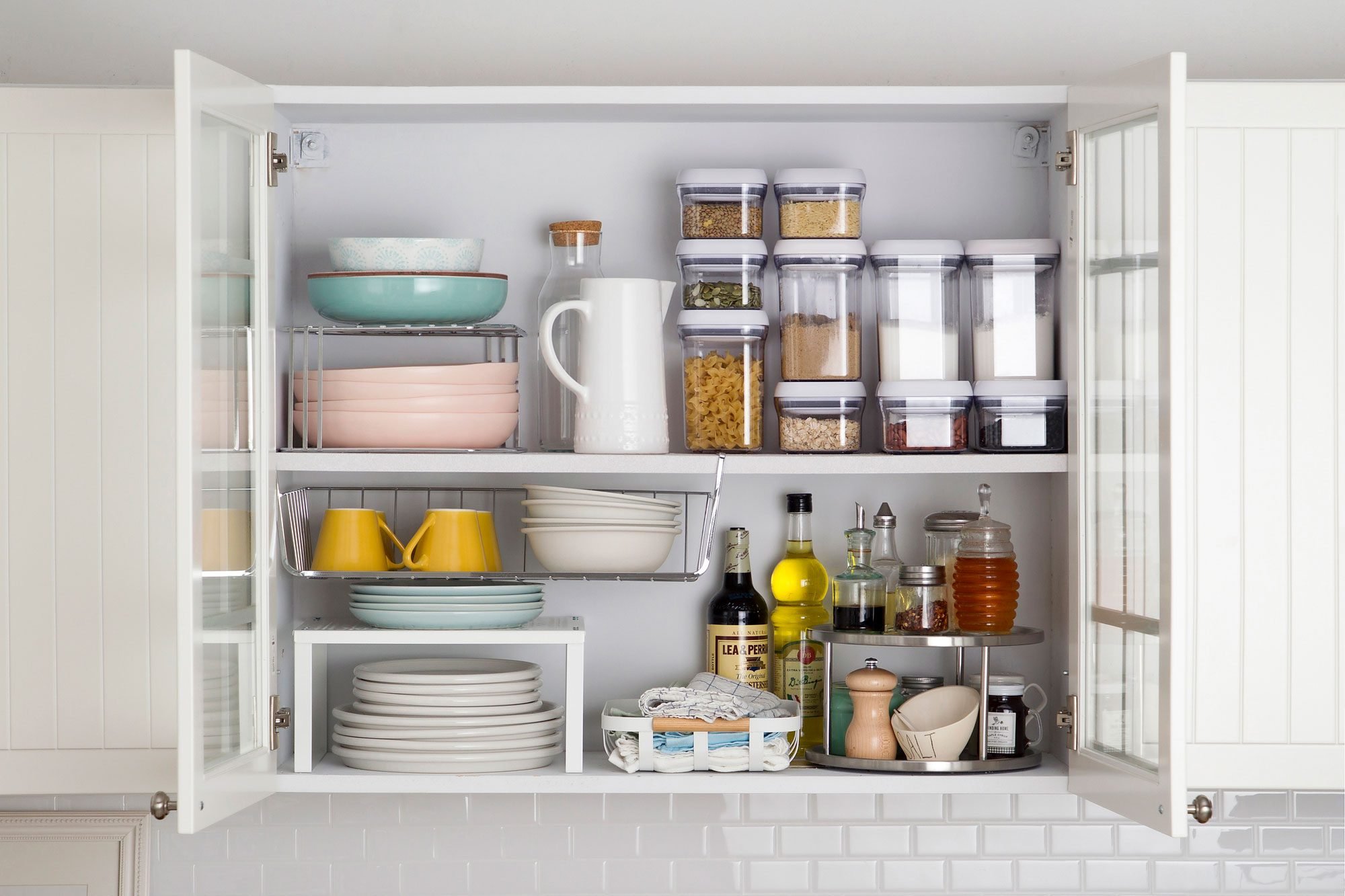
Credit: www.rd.com
Expert Tips For Long-term Maintenance
Keeping a kitchen work area clean and organized is not a one-time task. It requires consistent effort and smart strategies. For long-term maintenance, expert tips can make all the difference. These tips help maintain a tidy and efficient space without feeling overwhelmed. Simple changes in routine can lead to lasting results. Let’s explore some professional advice and common mistakes to avoid.
Professional Advice
Experts recommend starting with a clear plan. Allocate specific places for every item. Use labels to keep everything in its place. This method saves time and reduces clutter. Regularly checking for expired items is crucial. It keeps your pantry fresh and organized. Invest in quality storage solutions. They maximize space and improve accessibility. Routine cleaning is essential. A quick wipe-down after each use prevents grime buildup.
Common Mistakes To Avoid
One common mistake is ignoring spills. Address spills immediately to prevent stains. Overloading storage spaces leads to chaos. Keep items to a minimum to avoid clutter. Neglecting deep cleaning sessions creates hygiene issues. Schedule regular deep cleans to ensure a sanitary environment. Avoid mixing non-kitchen items in the kitchen area. It confuses organization efforts. Skipping maintenance checks on appliances can result in bigger problems. Regular maintenance keeps them working efficiently.
Frequently Asked Questions
How Often Should I Clean My Kitchen Work Area?
It’s best to clean your kitchen work area daily. Wipe down surfaces after cooking to prevent build-up. Regular cleaning keeps bacteria at bay and ensures a hygienic environment. A quick daily tidy-up can make a big difference.
What Tools Help In Organizing A Kitchen?
Use drawer dividers, shelf organizers, and storage bins. These tools maximize space and keep items accessible. Labels can further enhance organization by making items easy to find. A well-organized kitchen boosts efficiency and cleanliness.
How Can I Maintain A Clutter-free Kitchen?
Regularly declutter by assessing items you actually use. Store seldom-used gadgets elsewhere. Keep countertops clear by storing appliances in cabinets. Implement a “one-in, one-out” rule to prevent accumulation. A clutter-free kitchen enhances functionality and cleanliness.
Why Is Kitchen Organization Important?
A well-organized kitchen improves efficiency and reduces stress. It ensures cooking tools are easily accessible, saving time. Organization also promotes cleanliness by reducing clutter where dirt can hide. An organized kitchen creates a pleasant cooking environment.
Conclusion
A clean kitchen boosts happiness and efficiency. Regular tidying prevents clutter. Use labeled containers for easy access. Wipe surfaces daily to stop dirt build-up. Store items in their designated spots. Clean as you cook to save time. A tidy kitchen is a joy to work in.
Encourage family to help maintain order. This creates a shared responsibility. Remember, small efforts lead to big changes. Keep it simple. Enjoy your cooking space.