Imagine walking into your favorite restaurant. The aroma of delicious food fills the air, and you’re eager to enjoy a meal that you know is expertly crafted.
But have you ever wondered about the tools behind those culinary masterpieces? Where do restaurants buy their cookware? This seemingly simple question opens the door to a fascinating world of choices, quality, and secrets that can elevate the art of cooking.
If you’re curious about how chefs select their pots, pans, and other essentials, you’re in the right place. Discover the places where top eateries source their cookware and uncover the reasons behind their choices. Whether you’re an aspiring chef, a restaurant owner, or simply a food lover, understanding these purchasing decisions can change the way you view your own kitchen. Stay with us as we delve into the world of restaurant cookware, revealing insights that could inspire your culinary adventures.
Restaurant Cookware Essentials
Restaurants source their cookware from specialized suppliers, offering high-quality and durable options. These suppliers provide a wide range of products, including pots, pans, and utensils, catering to various culinary needs. Online marketplaces also serve as a popular platform for purchasing cookware, providing convenience and competitive pricing.
Restaurant cookware essentials define the backbone of any culinary operation. Every chef depends on reliable cookware to create culinary masterpieces. Restaurants require durable, high-quality tools to withstand constant use. Cookware choices affect efficiency and food quality, making them crucial. Understanding what constitutes essential cookware is vital for restaurant success.Understanding Restaurant Cookware Needs
Selecting cookware involves considering durability and material quality. Stainless steel is popular for its resistance to rust. Cast iron provides excellent heat retention, ideal for cooking meat. Non-stick pans simplify cleaning, saving time in busy kitchens. Each material serves different cooking needs.Types Of Cookware Used In Restaurants
Restaurants utilize various cookware types for diverse dishes. Saucepans are essential for simmering sauces and boiling water. Skillets and frying pans are used for sautéing and frying. Stockpots handle soups and large batches efficiently. Griddles are perfect for breakfast items like pancakes and eggs. Specialized tools cater to specific culinary tasks.Factors Influencing Cookware Choice
Budget constraints often dictate cookware selection. High-quality cookware may cost more upfront but lasts longer. The type of cuisine influences needed cookware. Italian restaurants may prioritize pasta pots and pizza pans. Asian eateries might focus on woks and bamboo steamers. Space availability in the kitchen also affects choices.Where Restaurants Purchase Cookware
Restaurants buy cookware from various suppliers. Local kitchen supply stores offer convenience and immediate access. Online retailers provide extensive options and competitive pricing. Specialty stores cater to specific needs, offering unique items. Wholesale suppliers offer bulk purchasing benefits. Each option has its advantages.Importance Of Quality Cookware
Quality cookware ensures consistent cooking results. Poor-quality tools can lead to uneven cooking and food waste. Investing in good cookware enhances efficiency and productivity. Proper maintenance extends the life of the cookware. Reliable tools support chefs in delivering delicious dishes.
Credit: www.tasteofhome.com
Popular Cookware Materials
When selecting cookware, restaurants often consider durability, heat conductivity, and ease of maintenance. The material of the cookware plays a crucial role in these factors. Let’s delve into some of the popular cookware materials that are widely chosen by restaurants.
Stainless Steel
Stainless steel is a favorite among professional kitchens due to its durability and resistance to rust. It’s ideal for busy environments where cookware faces heavy use daily. While stainless steel doesn’t conduct heat as well as other materials, many chefs prefer it for its non-reactive nature, especially when cooking acidic foods.
Cast Iron
Cast iron cookware is known for its exceptional heat retention, making it perfect for slow cooking and frying. Restaurants often use cast iron for dishes that require consistent heat over long periods. Although heavy, its versatility is unmatched, and many chefs swear by its ability to enhance flavors over time with seasoning.
Copper
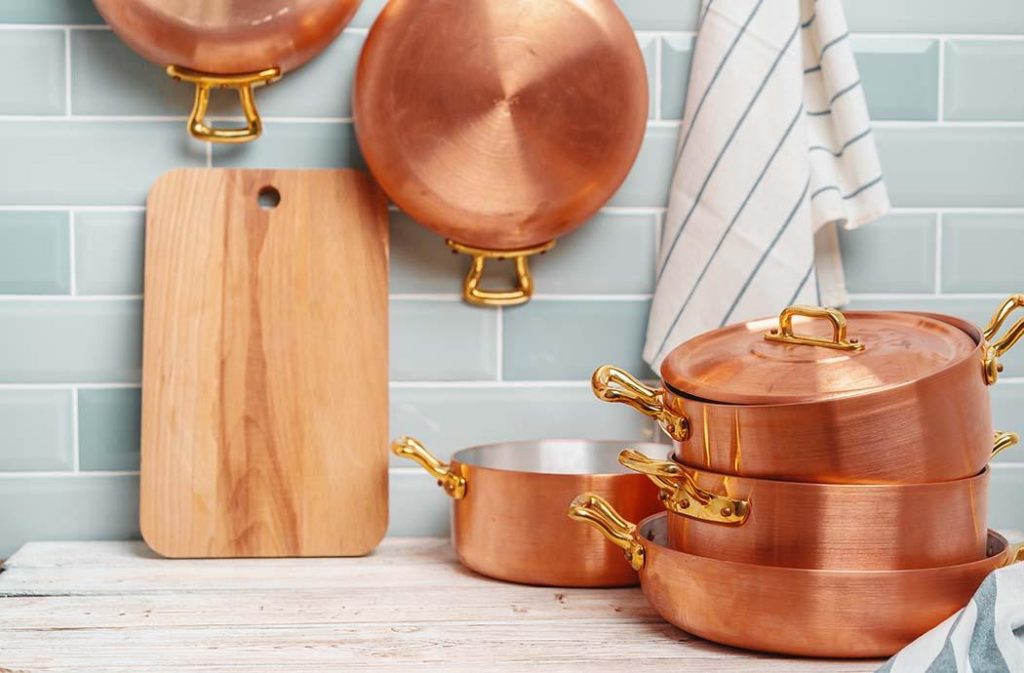
Copper cookware offers superior heat conductivity, allowing precise temperature control—a critical factor in professional kitchens. Chefs often use copper pots for delicate sauces and dishes requiring exact heat management. However, copper requires regular polishing to maintain its shine and prevent tarnishing.
Non-stick Options
Non-stick cookware is a staple for restaurants serving dishes prone to sticking, like eggs or pancakes. While easy to clean, it’s essential to use utensils that won’t scratch the coating, extending the lifespan of the pans. Many establishments use non-stick options for their breakfast menus, ensuring a quick turnaround without compromising presentation.
Each material has its unique advantages and challenges. Consider your menu and cooking style to determine which material will enhance your culinary creations. What cookware do you think would revolutionize your kitchen’s efficiency?
Sourcing Cookware From Suppliers
Restaurants often buy cookware from specialized suppliers and local distributors. These sources offer durable options to meet professional kitchen demands. Chefs choose items based on quality and price.
Sourcing cookware for a restaurant is a crucial decision that can impact the quality and efficiency of the kitchen operations. With a wide array of suppliers, finding the perfect fit requires careful consideration of factors like cost, quality, and availability. Whether you’re a seasoned restaurateur or just starting out, understanding where to source your cookware can make all the difference.Local Distributors
Local distributors offer the advantage of proximity and personalized service. They’re often able to provide quick deliveries and have a better understanding of regional needs. You might find that they stock products tailored to local cuisines and preferences, which can be a huge plus. Building a relationship with a local distributor can lead to discounts and special offers. Plus, supporting local businesses helps strengthen the community. Have you ever considered the impact of buying locally on your restaurant’s reputation?National Wholesale Chains
National wholesale chains are known for their vast inventory and competitive prices. They cater to a broad audience, which means you can find almost any type of cookware you need. Their buying power often translates into lower costs for you. These chains typically offer online shopping, making the process convenient and efficient. You can compare prices and read reviews right from your office. Wouldn’t it be nice to have a one-stop shop for all your restaurant needs?Specialty Culinary Stores
If you’re looking for unique, high-quality cookware, specialty culinary stores might be the way to go. These stores focus on premium products and often carry items that you won’t find in larger chains. They can be a great resource for chefs seeking specific tools or brands that align with their culinary style. Imagine finding that perfect piece of equipment that elevates your dishes to the next level. Is it worth investing in cookware that truly sets you apart? Choosing where to buy your cookware involves weighing the benefits of each option against your specific needs. By knowing the advantages of local distributors, national chains, and specialty stores, you can make informed decisions that support your restaurant’s success.
Credit: www.eater.com
Purchasing From Online Platforms
Restaurants often buy cookware from online platforms for convenience and variety. These sites offer diverse options, competitive prices, and direct delivery.
Purchasing cookware for your restaurant can be a daunting task. With countless options available, finding the right fit for your kitchen can feel overwhelming. However, online platforms have revolutionized the way restaurants acquire their cookware, offering a convenient and expansive selection at your fingertips. Whether you’re looking for high-quality pots and pans or specialized kitchen gadgets, online shopping provides a myriad of options that cater to every culinary need.Benefits Of Online Shopping
Online shopping brings the convenience of browsing cookware without leaving your office. You can compare prices, read reviews, and even watch demonstration videos, all while sipping coffee at your desk. With online platforms, there’s no need to physically travel from store to store. Instead, you can access a wide array of products from multiple vendors in one place. Moreover, online shopping often provides exclusive discounts and deals that you might not find in physical stores. This can be a game-changer for restaurants operating on tight budgets.Top E-commerce Sites For Cookware
Amazon is a popular choice, offering a vast selection ranging from affordable to high-end cookware. Their user reviews and ratings help you make informed decisions. Another great option is Wayfair, known for its stylish and varied kitchenware. They often have sales that can help you save significantly on bulk purchases. Don’t overlook specialized sites like Williams Sonoma. They provide premium cookware and exclusive collections that might not be available elsewhere. Which platform do you find most reliable for your restaurant’s needs?Direct From Manufacturers
Restaurants often buy cookware directly from manufacturers. This approach offers unique benefits. Businesses get access to a wider range of options. They can choose from various materials and designs. Buying direct ensures high quality and durability. It also allows for better pricing. Restaurants can negotiate deals suited to their needs.
Custom Cookware Solutions
Manufacturers offer custom cookware solutions. Restaurants can order cookware tailored to their needs. This means choosing specific sizes, shapes, and materials. Custom solutions enhance kitchen efficiency. Chefs appreciate tools that fit their cooking style. Custom cookware helps maintain a consistent food quality.
Bulk Purchase Advantages
Buying in bulk from manufacturers offers cost savings. Restaurants often need large quantities of cookware. Bulk purchases reduce per-unit costs. This helps manage budgets effectively. Manufacturers often provide discounts for bulk orders. These savings can be significant for large restaurants.
Bulk buying also ensures stock availability. Restaurants avoid delays in their operations. Consistent supply helps maintain service standards. Bulk purchases reduce the frequency of reordering. This allows for better planning and inventory management.

Credit: nypost.com
Influence Of Chef Preferences
Restaurants often base their cookware choices on chef preferences. Chefs have unique needs and tastes. Their choices impact the kitchen’s efficiency and output. Cookware is more than just a tool. It’s an extension of the chef’s skills and creativity. The right cookware can elevate a dish from good to great. Chefs look for specific features. They seek durability, heat distribution, and ease of use. Their influence on purchasing decisions is significant.
Chef-endorsed Brands
Many chefs swear by certain brands. These brands have earned their trust over time. They offer reliable performance and quality. Chef-endorsed brands often become industry standards. This endorsement boosts the brand’s reputation. Restaurants choose these brands for their proven track record. They provide peace of mind and consistency. Some popular chef-endorsed brands include All-Clad, Le Creuset, and Mauviel. These brands offer cookware that withstands rigorous use.
Customizable Options
Some chefs prefer customizable cookware. Custom options allow chefs to tailor cookware to their needs. This flexibility enhances kitchen productivity. It also boosts the chef’s confidence. Customizable cookware can include specific materials or sizes. Some manufacturers offer personalized designs or features. This can include non-stick coatings or heat resistance levels. Customizable options provide a unique edge. They meet the precise demands of a professional kitchen.
Cost Considerations
Cost considerations play a crucial role in how restaurants choose their cookware. Investing in the right tools can make a significant difference in the quality of food and the overall efficiency of a kitchen. However, finding the balance between cost and quality is often a challenge for many restaurant owners.
Budgeting For Quality
It’s tempting to cut corners when purchasing cookware, but opting for cheap options might cost more in the long run. High-quality cookware ensures better heat distribution, which can enhance the taste and texture of food. Consider investing in durable materials like stainless steel or cast iron, which can withstand the rigors of a busy kitchen.
Think about this: have you ever regretted buying a cheap pan that warped after a few uses? Investing wisely in quality cookware can save you money and headaches down the road. Make sure to allocate a portion of your budget for these essentials.
Balancing Cost And Durability
Durability is another key factor. While high-quality cookware might have a higher upfront cost, its longevity makes it a cost-effective choice. Durable items reduce the need for frequent replacements, saving you money over time.
Imagine you’re constantly replacing frying pans every few months. The costs add up quickly. Instead, investing in durable cookware can provide a stable kitchen environment. Ask yourself: is it worth spending a little more now to avoid future expenses?
Take the time to compare different brands and materials. Sometimes, a mid-range option can offer both quality and durability without breaking the bank. Remember, your cookware is an investment in your restaurant’s success.
Trends In Cookware
Restaurants often source their cookware from specialized suppliers. These suppliers offer durable and high-quality options. They ensure the cookware meets professional kitchen standards.
In the rapidly evolving world of culinary arts, cookware trends are not just about functionality but also about innovation and sustainability. Restaurants are increasingly mindful of where they source their cookware, reflecting broader trends that focus on environmental responsibility and cutting-edge designs. As a restaurant owner or chef, staying up-to-date with these trends can set your establishment apart from the competition and cater to the growing number of eco-conscious diners.Sustainable Materials
Today’s restaurants are more aware of their environmental footprint. This awareness extends to the materials they use in the kitchen. Cookware made from sustainable materials like recycled metals, bamboo, and responsibly sourced wood are gaining popularity. Some suppliers are even offering cookware made from upcycled materials, which reduces waste and promotes a circular economy. By choosing sustainable cookware, you not only contribute to environmental conservation but also appeal to eco-friendly customers. Isn’t it worth considering how your choices in the kitchen reflect your brand’s values?Innovative Designs
Innovation in cookware design is transforming how chefs operate in the kitchen. Modern cookware now features ergonomic handles, non-stick surfaces that are free from harmful chemicals, and even smart technology that syncs with your smartphone. Imagine a saucepan that alerts you when your sauce reaches the perfect temperature. These advancements not only make cooking more efficient but also enhance safety and precision. Restaurants that invest in such innovative designs often find their kitchen operations running smoother and more efficiently. Moreover, aesthetically pleasing cookware can double as serving ware, adding a touch of elegance directly from the stove to the table. Does your current cookware inspire creativity and innovation among your chefs? If not, it might be time to explore these cutting-edge options.Expert Tips For Choosing Cookware
Restaurants source cookware from specialized suppliers offering durable, high-quality products. These suppliers provide items designed for professional kitchens, ensuring reliability and efficiency. Focus on brands known for longevity and performance.
Choosing the right cookware for your restaurant is crucial. The selection process can make or break the efficiency and quality of your kitchen operations. A well-chosen set of pots, pans, and utensils can elevate the cooking experience, leading to better tasting dishes and happier customers. But what should you consider when picking out these kitchen essentials? Let’s dive into some expert tips that can guide you in making the best choice for your restaurant.Evaluating Quality
When selecting cookware, quality is paramount. High-quality cookware often lasts longer and performs better under the rigors of a busy kitchen. Look for materials that are durable and heat-efficient. Stainless steel and cast iron are popular choices due to their longevity and ability to withstand high temperatures. Check for solid construction. Are the handles securely attached? Is the base thick enough to ensure even heating? These details can significantly impact your cooking results. Consider the manufacturer’s reputation. Brands known for their quality often offer warranties, giving you peace of mind in your purchase. Have you ever had a pan handle break during a busy dinner service? Avoid these mishaps by investing in trusted brands.Matching Cookware To Menu Needs
Your menu should dictate your cookware choices. If your restaurant specializes in sautéed dishes, invest in high-quality sauté pans. For establishments focusing on soups and stews, sturdy stock pots are essential. Tailor your selection to ensure efficiency and ease in cooking specific dishes. Think about the portion sizes you serve. Larger pots and pans might be necessary for high-volume cooking, while smaller options could suffice for intimate, fine-dining settings. Consider how your cooking techniques influence your choice. Do you need non-stick surfaces for delicate dishes? Or perhaps heavier, more robust cookware for braising? Matching cookware to your menu needs is a strategic decision that can enhance your kitchen’s performance. Making informed cookware choices based on these tips can streamline your kitchen operations. Have you ever found yourself struggling with the wrong tools in the middle of service? Avoid these pitfalls by choosing wisely and ensuring your kitchen is equipped for success.Frequently Asked Questions
Where Do Chefs Buy Professional Cookware?
Chefs often purchase professional cookware from specialized kitchen supply stores. These stores provide high-quality products tailored for culinary professionals. Online retailers like Amazon and Chef’s Toys also offer a wide range of options. Additionally, some chefs prefer buying directly from manufacturers for custom orders and bulk discounts.
What Brands Do Restaurants Prefer For Cookware?
Restaurants often prefer brands like All-Clad, Le Creuset, and Calphalon for cookware. These brands are known for durability and performance. They offer a variety of pots, pans, and specialty items. Choosing trusted brands ensures quality and reliability in high-demand kitchen environments.
How Do Restaurants Choose Cookware Suppliers?
Restaurants choose cookware suppliers based on quality, pricing, and reliability. They often seek suppliers that offer bulk discounts and warranties. Reputation and customer service are crucial factors. Online reviews and recommendations from other chefs also influence their decisions.
Can Restaurants Buy Cookware Online?
Yes, restaurants can buy cookware online from various retailers. Websites like Amazon, WebstaurantStore, and RestaurantSupply. com offer extensive selections. Online shopping allows for easy price comparisons and reviews. Many online retailers provide bulk purchasing options and fast delivery services.
Conclusion
Restaurants source their cookware from several trusted places. They often choose wholesale suppliers for bulk purchases. This helps them get better prices. Online stores also offer a wide range of options. Local markets provide unique and high-quality items. Chefs and managers carefully select cookware based on needs.
Quality, durability, and cost matter most. Proper cookware enhances cooking efficiency. Each restaurant has its own preferences and budgets. Finding the right supplier is key. Good cookware supports creating delicious dishes. Thus, the right choice impacts the restaurant’s success.