Are you tired of your meals sticking to the pan or spending too much time scrubbing off burnt food? Choosing the right cookware can transform your cooking experience and make your time in the kitchen more enjoyable.
But with so many options available, deciding on the best material for your cookware can be overwhelming. Whether you’re a seasoned chef or just starting to explore the culinary world, the right cookware material can make all the difference in your cooking results.
We’ll explore the pros and cons of various materials, helping you make an informed choice that suits your cooking style and needs. Dive in to discover which cookware material could be the secret ingredient to perfect dishes every time!
Types Of Cookware Materials
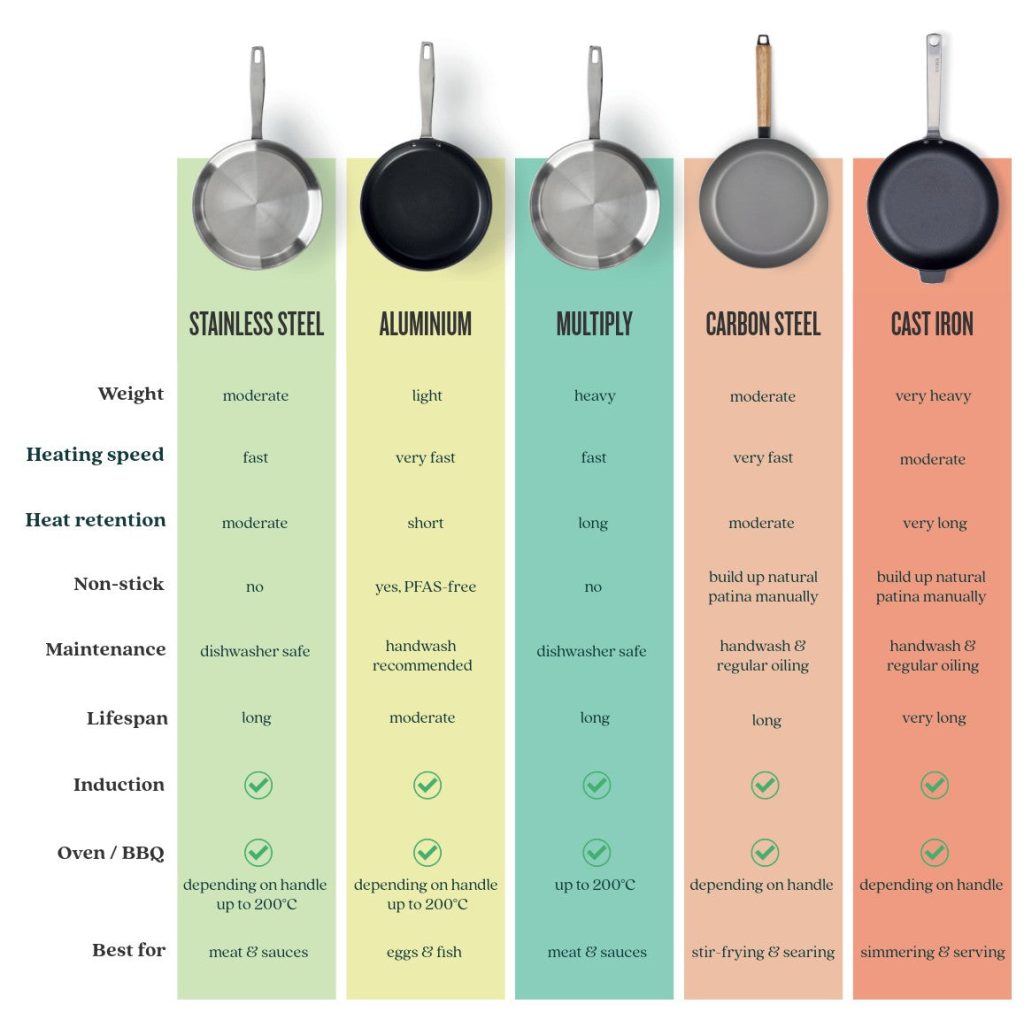
Choosing the right cookware material depends on your cooking needs. Stainless steel is durable and easy to clean. Cast iron offers excellent heat retention, perfect for slow cooking. Non-stick pans are great for low-fat cooking, while copper provides precise temperature control for delicate dishes.
Choosing the right cookware material can be a game-changer for your culinary adventures. Different materials offer unique benefits and challenges, influencing everything from cooking efficiency to the flavors of your dishes. Let’s dive into the types of cookware materials to find what suits your kitchen best.Stainless Steel
Stainless steel is a popular choice for its durability and resistance to rust and corrosion. It’s non-reactive, making it perfect for cooking acidic foods. However, it doesn’t conduct heat well, so look for pots and pans with aluminum or copper cores.Cast Iron
Cast iron is beloved for its exceptional heat retention and even cooking. It’s perfect for slow-cooked meals and can go from stovetop to oven with ease. It requires regular seasoning to maintain its nonstick surface, which can be a rewarding ritual for some.Nonstick
Nonstick cookware is ideal for low-fat cooking as it requires little to no oil. It’s easy to clean, but be cautious with high heat and metal utensils which can damage the surface. If you enjoy cooking delicate foods like eggs or pancakes, nonstick might be your best friend.Copper
Copper cookware offers superior heat conduction, providing precise control over cooking temperatures. It’s often lined with stainless steel to prevent reactions with food. If you’re serious about sauces and sautéing, copper’s responsiveness is unmatched, although it requires regular polishing.Aluminum
Aluminum is lightweight and an excellent conductor of heat, making it a budget-friendly option. It’s often anodized to prevent reactivity with acidic foods. Consider aluminum cookware if you want something affordable yet efficient, but be mindful of its tendency to scratch.Ceramic
Ceramic cookware is celebrated for its nonstick properties and aesthetic appeal. It’s made from clay and offers a chemical-free cooking surface. Ceramic can be a great choice if you’re looking for an eco-friendly option, but be aware of its fragility compared to other materials. Reflect on your cooking habits and kitchen needs. Do you prioritize durability or ease of cleaning? Perhaps you value heat control above all else. By understanding the characteristics of each material, you can make an informed choice that enhances your cooking experience.Heat Conductivity
Choosing the right cookware material is essential for achieving the perfect culinary results. One critical aspect to consider is heat conductivity. The material’s ability to conduct heat efficiently can significantly influence your cooking experience, affecting everything from the speed of cooking to the evenness of heat distribution. Are you wondering which materials stand out in the realm of heat conductivity?
High Conductivity Materials
Materials like copper and aluminum are renowned for their excellent heat conductivity. Copper, for instance, heats quickly and evenly, making it ideal for dishes requiring precise temperature control. Imagine preparing a delicate sauce; copper allows you to maintain consistent heat, preventing scorching.
Aluminum also boasts high heat conductivity. It’s often used in combination with other materials to enhance performance. You might have noticed that many pots and pans have an aluminum core, ensuring rapid heat transfer. These high-conductivity materials enable you to cook efficiently, saving you time and energy.
Low Conductivity Materials
On the other hand, materials like stainless steel have lower heat conductivity. While stainless steel is durable and resistant to rust, it doesn’t conduct heat as efficiently. This can lead to uneven cooking if the cookware lacks a conductive core.
Cast iron is another low-conductivity material. Although it retains heat well, it takes longer to heat up. This characteristic can be beneficial for slow cooking methods but might not be ideal for quick meals. Have you ever tried searing a steak on cast iron? The initial wait is worth the even heat retention it offers.
Balancing these factors can be tricky. Do you prioritize quick heating or durability? Understanding the nuances of heat conductivity can guide you towards the best cookware suited to your cooking style.
Durability And Longevity
When selecting cookware, durability and longevity are key considerations. The material you choose impacts how long your cookware will last. Some materials withstand wear and tear better than others. It’s important to know which ones offer the best durability.
Scratch Resistance
Scratch resistance is crucial for maintaining the appearance of your cookware. Stainless steel is highly resistant to scratches. It maintains its look after many uses. Cast iron is also durable, though it can scratch if not properly maintained. Non-stick coatings can scratch easily. Always use silicone or wooden utensils with them.
Corrosion Resistance
Corrosion resistance ensures your cookware doesn’t deteriorate over time. Stainless steel resists rust and corrosion well. It contains chromium, which protects against oxidation. Aluminum cookware is also resistant to corrosion. However, it needs an anodized layer to enhance this property. Cast iron can corrode if not seasoned regularly. Keep it dry and oiled to prevent rust.

Credit: www.beka-cookware.com
Ease Of Maintenance
Choosing the right cookware material involves considering ease of maintenance. Busy kitchens need materials that clean easily and maintain their quality. Let’s explore how different materials perform in terms of care and upkeep.
Cleaning Techniques
Stainless steel is known for easy cleaning. A simple soak and scrub with a sponge work well. For stubborn stains, a paste of baking soda and water is effective. Non-stick pans require gentle cleaning. Use soft sponges to avoid scratching the surface. Cast iron demands care. Avoid using soap; instead, wipe with a damp cloth. Copper cookware requires special cleaners to maintain its shine. Always dry immediately to prevent tarnish.
Seasoning Requirements
Cast iron and carbon steel require seasoning. This process creates a non-stick layer. First, clean the pan with warm water. Then, apply a thin coat of vegetable oil. Heat the pan in the oven for one hour. Repeat this process to maintain the layer. Stainless steel and non-stick do not need seasoning. Copper and aluminum also skip this step.
Safety Considerations
Choosing safe cookware involves considering materials that don’t leach harmful chemicals. Stainless steel and cast iron are popular for safety. Always check for non-toxic coatings to ensure healthy cooking.
When choosing cookware, safety considerations are paramount. The materials used in your pots and pans can impact not just the flavor of your food, but also your health. Understanding the safety aspects of different cookware materials helps you make informed decisions for your kitchen.Toxicity Concerns
Certain cookware materials can leach harmful chemicals into food. Non-stick coatings, for instance, are known for releasing toxic fumes at high temperatures. Opt for brands that are PFOA and PTFE-free to minimize risks. Cast iron is a popular choice due to its durability, but it can transfer iron into your food. This is usually beneficial, but for those with conditions like hemochromatosis, it might pose a risk. Consider alternatives like stainless steel if iron intake is a concern.Temperature Limits
Every cookware material has a threshold for handling heat. Exceeding these limits can compromise the material and your food’s safety. Non-stick pans should never be used on high heat, as this can cause the coating to break down. Stainless steel and cast iron handle high temperatures well, making them ideal for searing and browning. However, they may react differently when used on induction cooktops. Always check the manufacturer’s guidelines to prevent accidents and maintain cookware longevity. Do you find yourself pushing the limits of your cookware? Being mindful of temperature can help extend its life and ensure your meals are safe to enjoy.Price Range And Affordability
Different cookware materials offer varying price ranges and affordability. Stainless steel is durable but often costs more. Aluminum is budget-friendly but less robust.
Choosing the right cookware involves considering its price range and affordability. Different materials offer varying costs, impacting your budget. Understanding these options can help you make a smart purchase. Let’s explore some budget-friendly and premium choices.Budget-friendly Options
Aluminum cookware is a popular choice for those on a budget. It’s lightweight and heats up quickly. You can find aluminum pots and pans at affordable prices. Non-stick options are often made from aluminum, providing easy cooking and cleaning. Stainless steel is another cost-effective option. It offers durability and resistance to rust. While it may be slightly more expensive than aluminum, it provides good value. Many kitchen sets come with stainless steel pots and pans. Cast iron is a traditional choice. It’s often inexpensive and lasts a lifetime. Though heavy, it retains heat well. You can find cast iron skillets at reasonable prices. Perfect for slow cooking and frying.Premium Choices
Copper cookware is a premium choice known for excellent heat conduction. It’s ideal for precise cooking. Copper pots often have a stainless steel lining for safety. They are more expensive but offer professional quality. Titanium cookware is lightweight and strong. It resists scratches and is often non-stick. Ideal for health-conscious cooks. Titanium sets come at a higher price but offer longevity. Ceramic cookware provides a modern non-stick option. It’s free from harmful chemicals. Ceramic pots and pans are stylish and efficient. They cost more but promise safe cooking. Choosing the right material affects your cooking experience and budget. Consider your needs and preferences. Each material has its unique benefits and price point.Best Material For Specific Cooking Methods
Choosing the right cookware material can enhance your cooking experience. Different materials offer unique benefits depending on the cooking method. Let’s explore the best material for specific cooking techniques.
Searing And Browning
For searing and browning, cast iron and stainless steel are top choices. Cast iron retains heat well, creating a perfect crust on meats. Stainless steel is durable and heats evenly, ideal for browning vegetables and proteins. Both materials can withstand high temperatures, making them great for searing.
Slow Cooking
Slow cooking benefits from materials that distribute heat gently. Ceramic and enameled cast iron are perfect for this method. Ceramic is excellent for retaining moisture and ensuring even heat distribution. Enameled cast iron adds flavor depth and maintains consistent low temperatures. Both are great for stews, soups, and braised dishes.
Boiling And Simmering
For boiling and simmering, stainless steel and aluminum are ideal. Stainless steel pots are durable and non-reactive, perfect for cooking acidic foods. Aluminum heats quickly and evenly, reducing cooking times. These materials are efficient for making stocks, pasta, and sauces.

Credit: nypost.com
Environmental Impact
Choosing cookware isn’t just about what’s best for your kitchen; it also involves considering the environmental impact. With increasing awareness around sustainability, it’s essential to factor in how the materials you select affect the planet. Every time you cook, you have an opportunity to make a choice that supports a healthier environment. But what are the most eco-friendly options available?
Eco-friendly Materials
Eco-friendly cookware materials are gaining popularity among environmentally conscious consumers. Bamboo, for instance, is a rapidly renewable resource, making it a great choice for utensils and cutting boards. Stainless steel is durable and doesn’t leach harmful chemicals into your food, plus it can last a lifetime with proper care.
Cast iron is another sustainable option as it retains heat well, reducing energy consumption during cooking. While it requires seasoning to maintain its non-stick surface, this effort pays off in the long term for both your health and the environment. By choosing these materials, you contribute to reducing the ecological footprint of your kitchen.
Recyclability
Recyclability is a crucial aspect when considering the environmental impact of cookware materials. Stainless steel, aluminum, and glass are highly recyclable, making them excellent choices if you want to ensure your cookware doesn’t end up in a landfill. Many recycling centers accept these materials, facilitating their reuse in new products.
Consider the lifecycle of your cookware. If it can be recycled, you’re contributing to a circular economy. This means less waste and a reduced demand for raw materials. Think about how your choices today can influence the world tomorrow. Isn’t it worth investing in cookware that supports both your cooking needs and the planet’s health?

Credit: therationalkitchen.com
Frequently Asked Questions
What Material Is Safest For Cookware?
Stainless steel is considered one of the safest materials for cookware. It’s durable, non-reactive, and doesn’t leach harmful chemicals into food. Unlike non-stick coatings, stainless steel can be used at high temperatures without degrading. It’s ideal for everyday cooking and provides even heat distribution.
Is Cast Iron Good For Cooking?
Yes, cast iron is excellent for cooking due to its heat retention and durability. It can be used on various heat sources, including ovens and stovetops. Cast iron naturally adds iron to food, which is beneficial for health. Proper seasoning and maintenance ensure a non-stick surface.
Which Cookware Material Is Non-toxic?
Ceramic cookware is often touted as non-toxic and environmentally friendly. It doesn’t leach harmful chemicals and is free of PTFE and PFOA. Ceramic provides even heat distribution and is easy to clean. It’s suitable for baking, roasting, and frying, making it versatile for various cooking methods.
Does Aluminum Cookware Affect Health?
Aluminum cookware can affect health if used improperly. It’s lightweight and conducts heat well, but it can leach into food. Anodized aluminum reduces this risk by creating a barrier that prevents leaching. Choose anodized or clad with stainless steel for safer cooking options.
Conclusion
Choosing the right cookware material matters. Each type has its strengths. Stainless steel offers durability and easy maintenance. Cast iron delivers excellent heat retention. Non-stick makes cooking and cleaning simple. Copper provides precise temperature control. Consider your cooking style. Think about your budget.
Evaluate what you value most in cookware. The best choice depends on your needs. Enjoy experimenting with different materials. Discover what works best for you. Remember to prioritize safety and comfort. Find cookware that enhances your cooking experience. Happy cooking with your perfect kitchen companion!