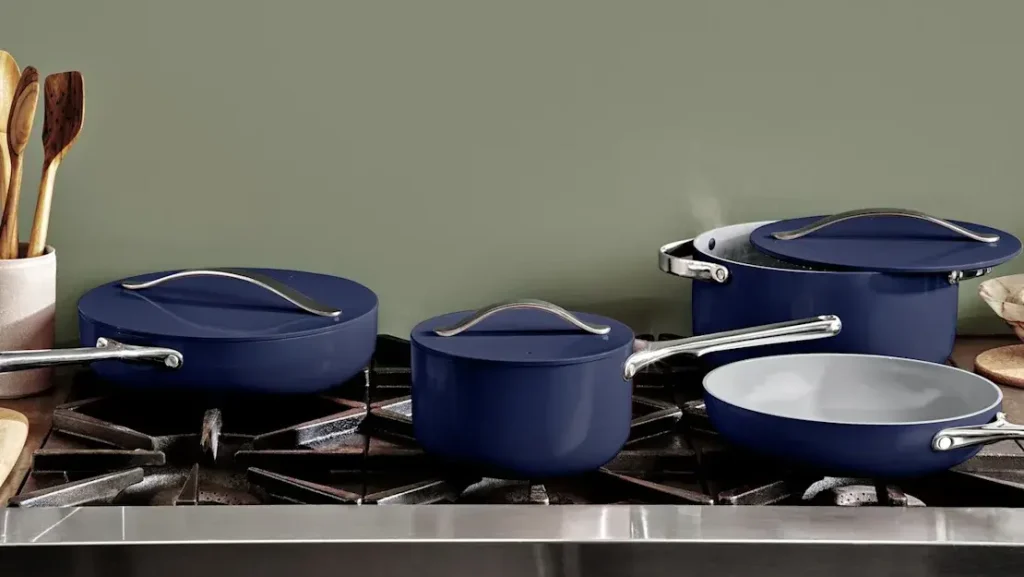
Have you ever found yourself wondering which utensils are best for your ceramic cookware? Ceramic pots and pans have become a favorite in many kitchens due to their non-stick surface and elegant appearance.
But to keep them in top shape, choosing the right utensils is crucial. You don’t want to risk scratching or damaging the smooth finish that makes ceramic so appealing. Imagine effortlessly cooking your favorite meals without worrying about the wear and tear caused by the wrong tools.
With the right choices, you can ensure your ceramic cookware stays beautiful and functional for years. Dive into this article to discover how you can make your cooking experience smoother and more enjoyable, while keeping your kitchen investment safe.

Credit: www.thespruceeats.com
Benefits Of Ceramic Cookware
Use wooden or silicone utensils with ceramic cookware. These materials prevent scratches and extend the lifespan of your pots and pans. Ceramic surfaces stay smooth and efficient, ensuring even cooking and easy cleaning.
Ceramic cookware is gaining popularity in kitchens worldwide, and for good reason. Its sleek design and versatile functionality make it a favorite among home cooks and professional chefs alike. But beyond aesthetics, ceramic cookware offers a multitude of benefits that enhance your cooking experience. It’s not just about what you cook, but how you cook it. Let’s dive into the benefits of using ceramic cookware, and see how it can transform your culinary adventures.Non-toxic And Safe
One of the standout benefits of ceramic cookware is its non-toxic nature. Unlike some metal cookware that may leach harmful chemicals into your food, ceramic is naturally free from toxins. You can rest assured that your meals are safe from unwanted contaminants. This means healthier cooking and peace of mind every time you prepare a dish. Have you ever worried about the safety of your cookware? Ceramic offers a solution that lets you focus on flavor, not potential hazards. It’s an ideal choice for families aiming to serve the healthiest dishes possible.Heat Distribution
Even heat distribution is another compelling advantage of ceramic cookware. Unlike other materials, ceramic heats up evenly, ensuring that your food cooks uniformly. This feature helps prevent hot spots that can burn or undercook portions of your meal. Imagine making a perfectly golden omelet without the fear of burning one side. Ceramic cookware provides consistent results, making it easier to achieve professional-level cooking at home. You’ll enjoy more control over your cooking, leading to better tasting meals. Why settle for uneven results when you can have perfection? Ceramic cookware brings precision to your kitchen, helping you master any recipe with ease.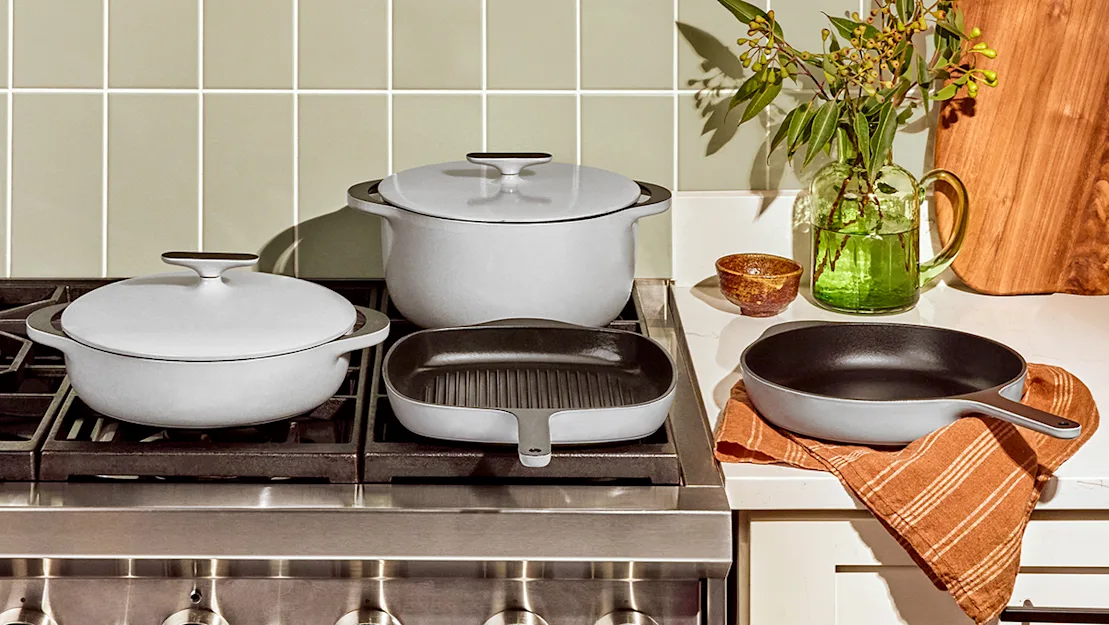
Credit: www.carawayhome.com
Types Of Ceramic Cookware
Silicone or wooden utensils are best for ceramic cookware to prevent scratches. Metal utensils can damage the non-stick surface, reducing its lifespan. Opt for gentle materials to keep your ceramic pots and pans in excellent condition.
Ceramic cookware is popular for its non-stick surface and elegant look. It comes in two main types, each with unique features and benefits. Understanding these can help you choose the best utensils for your kitchen.Pure Ceramic Cookware
Pure ceramic cookware is made entirely from natural clay. It is baked at high temperatures, making it durable and safe. This cookware is free from chemicals and toxins, ideal for health-conscious cooks. It distributes heat evenly, reducing the risk of hot spots. You can use it for baking, simmering, and slow cooking. The smooth surface makes it easy to clean and maintain. Wood, silicone, or nylon utensils are best to prevent scratches.Ceramic Coated Cookware
Ceramic coated cookware has a metal base with a ceramic layer. The coating offers a non-stick surface, perfect for low-fat cooking. It heats up quickly, saving energy and time. Metal, wood, and silicone utensils are all suitable. However, avoid sharp metal tools to protect the coating. This type is budget-friendly and available in various colors. Cleaning is simple, often requiring just a soft sponge and mild detergent. It’s a great choice for everyday use in any kitchen.Choosing The Right Utensils
Choosing the Right Utensils Select utensils made of wood, silicone, or plastic for ceramic cookware. They prevent scratches and preserve the cookware’s surface. Avoid metal utensils to maintain the ceramic coating.
Choosing the Right Utensils for ceramic cookware is crucial for longevity. The right utensils can protect the ceramic surface and ensure optimal performance. Using inappropriate utensils can lead to scratches or damage. Selecting utensils wisely can enhance your cooking experience and extend the cookware’s life.Material Considerations
Opt for utensils made from soft materials. Silicone, wood, and plastic are excellent choices. These materials are gentle on ceramic surfaces. Metal utensils can be too harsh and may cause damage. Silicone is heat-resistant and flexible, making it an ideal option. Wooden utensils are classic and versatile. Plastic utensils are budget-friendly and easy to clean.Avoiding Scratches
Preventing scratches on ceramic cookware is essential. Always use utensils with smooth edges. Avoid using sharp or serrated tools. Stirring or flipping with metal can lead to scratches. Even tiny scratches can affect the cookware’s performance. Regularly inspect your utensils for wear and tear. Replace any damaged or rough-edged utensils promptly. Proper care ensures your ceramic cookware stays in top shape.Best Utensil Materials
Ceramic cookware offers a sleek, non-stick cooking experience. Choosing the right utensils ensures its longevity. Certain materials stand out for their compatibility with ceramic surfaces. These materials prevent scratches and preserve the smooth finish. Let’s explore the best utensil materials for ceramic cookware.
Silicone Utensils
Silicone utensils are flexible and gentle on ceramic surfaces. They resist heat and don’t melt easily. Cleaning them is a breeze due to their non-stick nature. Silicone spatulas, spoons, and tongs are popular choices. They come in various colors, adding vibrancy to your kitchen.
Wooden Utensils
Wooden utensils are classic and durable. They are gentle and won’t scratch ceramic. Wood does not conduct heat, keeping handles cool. These utensils are biodegradable, making them eco-friendly. Regular oiling maintains their longevity and appearance.
Nylon Utensils
Nylon utensils are affordable and versatile. They are heat-resistant up to certain temperatures. Nylon is less flexible than silicone but still protects ceramic surfaces. They come in many styles, including ladles and turners. Regular inspection ensures they remain in good condition.
Utensils To Avoid
Ceramic cookware is a fantastic addition to any kitchen. Its sleek appearance and non-stick capabilities make cooking a delight. But did you know that using the wrong utensils can damage your ceramic cookware? Let’s explore which utensils to avoid to keep your cookware looking new and performing perfectly.
Metal Utensils
Metal utensils can scratch the surface of ceramic cookware, leading to wear and tear over time. Even light pressure can cause unsightly scratches that reduce its non-stick properties.
Imagine cooking your favorite dish only to find tiny scratches forming on your cookware. These scratches can make your meals stick, causing frustration. Avoid using metal spatulas, forks, or spoons to preserve the longevity of your ceramic cookware.
Instead, opt for silicone, wood, or nylon utensils that glide smoothly without damaging the surface. Have you checked your utensil drawer lately? You might be surprised how many metal options are hiding there!
Sharp Edges
Sharp edges are another enemy of ceramic cookware. They can chip or crack the surface, which not only ruins the aesthetics but also compromises cooking efficiency.
Consider this: while a knife might seem harmless, its sharp edge can cause irreversible damage if used directly on ceramic surfaces. It’s tempting to cut directly on the cookware, but it’s a risk you don’t want to take.
To protect your ceramic cookware, use cutting boards for chopping or slicing. Your cookware will thank you, and you’ll enjoy a seamless cooking experience. What changes can you make today to safeguard your kitchen investments?
Care And Maintenance Tips
Caring for ceramic cookware ensures it lasts and performs well. Proper care and maintenance can keep your cookware looking new. Below are some key tips to help maintain your ceramic cookware.
Cleaning Methods
Gentle cleaning is crucial for ceramic cookware. Use mild dish soap and a soft sponge. Avoid abrasive pads that can scratch the surface. For stubborn stains, soak the cookware in warm soapy water. Then, gently scrub with a non-abrasive sponge. Never use metal utensils that can damage the ceramic coating.
Storage Suggestions
Proper storage helps protect your ceramic cookware. Stack pans with a soft cloth or paper towel between them. This prevents scratches and chips. Consider using pot racks to hang your cookware. This not only saves space but also keeps them safe. Avoid storing them in damp places to prevent damage.
Expert Recommendations
Use silicone or wooden utensils to protect ceramic cookware from scratches. Metal utensils can damage the surface. Non-abrasive tools help maintain the non-stick coating’s durability.
When cooking with ceramic cookware, the choice of utensils can significantly affect both the longevity of your pots and pans and the quality of your culinary creations. Experts recommend using utensils that are gentle on the ceramic surface to prevent scratches and preserve the non-stick coating. But with countless options on the market, how do you choose the right ones?Brand Suggestions
Some brands have made a name for themselves by producing high-quality utensils specifically designed for ceramic cookware. OXO is renowned for its durable, silicone-tipped utensils that are both gentle and heat-resistant. Joseph Joseph also offers innovative designs with soft edges, ensuring that your ceramic surfaces remain unscathed. Have you ever noticed how a well-designed utensil can change your entire cooking experience? It’s worth investing in a trusted brand.Product Reviews
When selecting utensils, reading product reviews can provide valuable insights. Users rave about the Tovolo Silicone Turner, which is praised for its ergonomic handle and flexible edge—perfect for flipping delicate foods without scratching your cookware. The Rachael Ray Nylon Turner Set is another favorite, loved for its vibrant colors and sturdy build. Have you tried these utensils? They might just revolutionize the way you handle your ceramic cookware. Incorporating these expert recommendations into your kitchen can enhance your cooking experience. By choosing the right utensils, you’ll not only maintain your ceramic cookware’s pristine condition but also make your time in the kitchen more enjoyable and efficient. What will you try next?
Credit: www.amazon.com
Frequently Asked Questions
Can Metal Utensils Be Used With Ceramic Cookware?
Metal utensils can scratch and damage ceramic cookware surfaces. To maintain longevity, use silicone, wooden, or nylon utensils. These materials are gentle on ceramic coatings and help prevent scratches. Avoid using sharp or pointed tools to ensure your ceramic cookware remains in pristine condition.
Are Wooden Utensils Suitable For Ceramic Pans?
Yes, wooden utensils are ideal for ceramic pans. They are gentle and prevent scratches on the surface. Wooden utensils also resist heat, making them safe for cooking. Moreover, they don’t conduct heat, providing a comfortable cooking experience without burning your hands.
Do Silicone Utensils Work With Ceramic Cookware?
Silicone utensils are excellent for ceramic cookware. They are flexible and non-abrasive, preventing scratches. Silicone withstands high temperatures and doesn’t melt easily. This makes them perfect for cooking and stirring. Additionally, they are dishwasher safe, ensuring easy cleaning after use.
Why Avoid Sharp Utensils With Ceramic Pans?
Sharp utensils can damage ceramic pans by scratching the surface. Scratches expose the underlying material, reducing non-stick effectiveness. Use gentle utensils to preserve your cookware’s quality and performance. This helps maintain your cookware’s appearance and functionality over time.
Conclusion
Choosing the right utensils for ceramic cookware is crucial. It keeps your cookware safe from scratches. Use wooden, silicone, or nylon utensils. They are gentle on ceramic surfaces. Metal utensils can damage the coating. Proper care extends the life of your cookware.
Always check utensil compatibility before use. This ensures your meals stay delicious and your cookware lasts long. Ceramic cookware offers many benefits. With the right utensils, you can enjoy these benefits fully. Keep your kitchen tools simple and effective. Happy cooking!