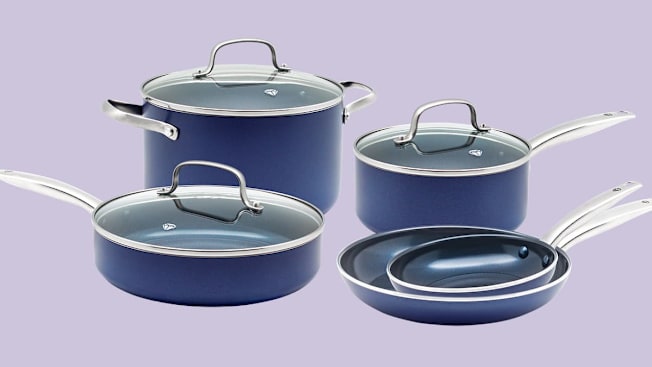
Are you tired of spending too much time scrubbing your pans after every meal? Imagine cooking your favorite dishes without the dreaded cleanup.
Non-stick cookware could be the solution you’ve been searching for. But with so many options on the market, how do you decide which type is best for you? Whether you’re a passionate home cook or just looking to make meal prep a breeze, choosing the right non-stick cookware can transform your cooking experience.
Dive into this article to discover the different types of non-stick cookware and find out which one suits your cooking style and needs. Your future self will thank you for making the right choice!

Credit: www.tasteofhome.com
Material Options
Choosing the best non-stick cookware involves considering materials like ceramic, Teflon, and anodized aluminum. Ceramic offers a natural non-stick surface, while Teflon provides easy cleaning. Anodized aluminum ensures durability and even heat distribution.
When choosing non-stick cookware, understanding the various materials available can guide you to a perfect match for your cooking style and needs. Each material offers unique benefits and drawbacks, affecting everything from heat distribution to durability. Let’s explore the different options to help you make an informed decision.Teflon Coated
Teflon-coated cookware is a popular choice for its unbeatable non-stick surface. It allows you to cook with minimal oil, making it ideal for healthier meals. However, it’s crucial to handle it carefully, as metal utensils can scratch the coating, potentially releasing harmful particles. Consider using silicone or wooden utensils to extend the lifespan of your Teflon-coated pans. This type of cookware is perfect for cooking delicate foods like eggs or pancakes, where sticking is a common issue. Always remember to cook on low to medium heat to preserve the Teflon layer.Ceramic Coated
Ceramic-coated cookware offers a non-stick surface without the use of chemicals like PTFE or PFOA. It’s often seen as a more eco-friendly option, providing peace of mind for health-conscious cooks. Ceramic coatings can withstand higher temperatures than Teflon, making them suitable for oven use. Despite these advantages, ceramic coatings may wear off over time, especially with frequent use. They are excellent for dishes that require even heat distribution, such as stir-fries or seared meats. Think about how often you’ll use them to ensure they match your cooking habits.Anodized Aluminum
Anodized aluminum is known for its durability and excellent heat conductivity. The anodization process makes the surface harder and resistant to corrosion, providing a robust cooking tool. This type of cookware is ideal for everyday cooking, from simmering sauces to frying chicken. One downside is that it can be heavier than other non-stick options. However, the weight often translates to sturdiness, reducing the risk of warping over time. Consider whether the balance between weight and durability suits your kitchen needs.Stainless Steel
Stainless steel cookware often comes with a non-stick coating, combining the benefits of both materials. It’s highly durable and resistant to scratches, making it a long-lasting addition to your kitchen. Stainless steel is perfect for high-heat cooking and browning meats. However, it may require more oil to achieve a non-stick effect compared to other options. If you value longevity and don’t mind a little extra oil, stainless steel could be your best choice. Think about how frequently you cook with high heat to decide if this fits your lifestyle. When selecting the right non-stick cookware, consider how each material aligns with your cooking preferences and maintenance willingness. What type of dishes do you cook most often, and how do you handle cookware in your kitchen? Your answers can lead you to the perfect cookware companion.Durability Factors
Durability factors play a key role in choosing the best non-stick cookware. Consider options like ceramic or hard-anodized aluminum for long-lasting performance. These materials resist scratches and wear better than traditional non-stick coatings.
Durability factors play a crucial role in choosing non-stick cookware. A durable pan withstands daily wear and tear while maintaining its non-stick qualities. Key considerations include scratch resistance, heat tolerance, and longevity. Each factor determines how well the cookware performs over time. Investing in durable cookware saves money and enhances cooking experiences.Scratch Resistance
Scratches can ruin a pan’s surface. Opt for pans with reinforced coatings. These coatings withstand metal utensils and rough cleaning. Look for ceramic or diamond-infused options. They resist scratches better than traditional coatings. A scratch-resistant pan lasts longer and maintains its smooth surface. This means better cooking results each time.Heat Tolerance
Heat tolerance impacts how a pan performs under high temperatures. Non-stick pans should handle high heat without warping. Check the pan’s maximum temperature limit. Some pans can withstand up to 500°F safely. This ensures even cooking and prevents damage. Choose cookware with strong heat tolerance for versatile cooking.Longevity
Longevity refers to how long a pan lasts before losing its non-stick qualities. Consider the material and coating type. PTFE coatings have a shorter lifespan compared to ceramic. Stainless steel bases offer better durability. Proper care extends a pan’s life. Avoid overheating and use soft cleaning materials. Regularly inspect for signs of wear. This ensures your cookware lasts for years.Health And Safety
Opt for ceramic non-stick cookware for a safer cooking experience. It uses natural materials, reducing harmful chemical exposure. Ideal for health-conscious kitchens.
Understanding the health and safety aspects of non-stick cookware is crucial for making informed choices in the kitchen. You want to ensure that the tools you use for preparing meals are not only efficient but also safe for you and your family. Let’s explore key concerns and options to help you select the best non-stick cookware for your needs.Ptfe And Pfoa Concerns
Non-stick cookware often uses coatings like PTFE, better known as Teflon. While PTFE is generally safe at low temperatures, high heat can cause it to break down, releasing fumes that may be harmful. Consider your cooking habits. If you often cook at high temperatures, you may want to explore alternatives. PFOA was previously used in the production of Teflon but has been phased out due to health concerns. When shopping, look for cookware labeled “PFOA-free” to ensure safety.Eco-friendly Choices
Eco-friendly non-stick options are increasingly popular. Brands are now offering cookware with ceramic coatings free from harmful chemicals. These options not only address health concerns but also reduce environmental impact. Ceramic coatings provide excellent non-stick properties while being safe for you and the planet. They are a great choice for eco-conscious cooks looking to make a difference. When choosing cookware, consider your values and cooking style. What matters more: a traditional non-stick feel or peace of mind knowing your cookware is safe and sustainable? By considering these aspects, you can confidently choose non-stick cookware that suits your health and safety needs.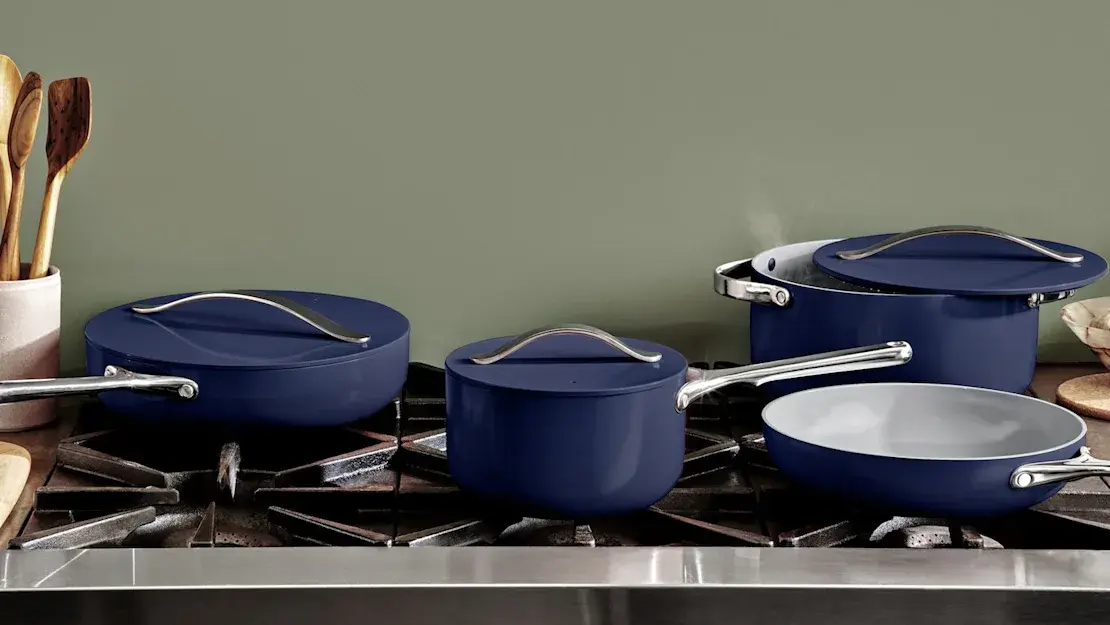
Credit: www.carawayhome.com
Performance Criteria
Choosing the best non-stick cookware involves evaluating material durability, heat distribution, and ease of cleaning. High-quality options like ceramic and anodized aluminum often excel in these performance areas, providing efficient cooking and lasting use.
Understanding the performance criteria of non-stick cookware can make a significant difference in your cooking experience. Whether you’re a culinary novice or a seasoned chef, these criteria ensure you get the best results with minimal effort. Let’s dive into the essential factors that can elevate your non-stick cookware choice.Heat Distribution
Even heat distribution is crucial for achieving perfectly cooked meals. Non-stick cookware with a solid, heavy base often provides better heat distribution. This means fewer hotspots and more consistent cooking results. Consider aluminum or copper-infused options for superior heat conductivity. Have you ever noticed how some pans heat up unevenly, leaving your pancakes half-burnt? Choosing the right material can eliminate this common frustration.Ease Of Use
The design and weight of your cookware can greatly affect usability. Lightweight pans are easier to handle, especially when flipping or tossing food. However, they should be sturdy enough to ensure longevity. Look for ergonomic handles that stay cool to the touch. Imagine the convenience of easily maneuvering your pan without the fear of burns. This simple feature can make cooking a more enjoyable experience.Cleaning Convenience
Nobody enjoys scrubbing pans after a delicious meal. Non-stick surfaces should allow food to slide off effortlessly, reducing cleaning time. Opt for cookware that is dishwasher safe for added convenience. Consider the durability of the non-stick coating. Ever experienced the frustration of residue sticking stubbornly to your pan? A high-quality coating will prevent this, making cleanup a breeze. Choosing the right non-stick cookware involves careful consideration of these performance criteria. As you reflect on your cooking habits, which feature do you find most important? Your answer can guide you to the perfect kitchen companion.Budget Considerations
Choosing non-stick cookware involves considering your budget. Affordable options often include ceramic or PTFE-coated pans. They provide good performance without breaking the bank.
When choosing non-stick cookware, budget is a key factor. Different price points offer various features and quality. It’s essential to find a balance between cost and performance. Let’s explore options that fit different budgets.Affordable Options
Affordable non-stick cookware often uses materials like aluminum. These pans provide good heat distribution. They are lightweight and easy to handle. Many budget-friendly options have a Teflon coating. This makes cleaning a breeze. Look for brands that offer warranties. It ensures longer-lasting use.Premium Choices
Premium non-stick cookware often features advanced coatings. Materials like anodized aluminum or stainless steel are common. These options offer superior heat conduction and durability. Some high-end brands offer ceramic coatings. This provides a healthier cooking surface. Premium choices often come with ergonomic designs. They enhance comfort and control. Investing in these options might save money in the long run.
Credit: www.bbcgoodfood.com
Expert Recommendations
Choosing the best non-stick cookware often depends on your cooking needs. Ceramic and anodized aluminum are popular choices for their durability and heat distribution. Consider your budget and cooking style when deciding.
Choosing the right non-stick cookware can enhance your cooking experience. Experts have shared their recommendations to help you make an informed decision. Understanding what professionals use can guide you toward the best choices. Let’s delve into their insights.Top Brands
Several brands have earned expert approval for their quality and durability. T-fal is praised for its affordability and performance. Calphalon offers a range of cookware praised for its even heating. All-Clad provides premium options known for their durability and excellent heat distribution. Experts recommend these brands for reliable non-stick cookware.Consumer Reviews
Consumer feedback plays a crucial role in evaluating cookware. Many users appreciate the ease of cleaning non-stick surfaces. T-fal often receives positive reviews for its cost-effectiveness and functionality. Calphalon users highlight the cookware’s longevity and heat distribution. All-Clad is favored for its robust construction and professional quality. These reviews can help you choose the right product based on real experiences.Frequently Asked Questions
What Materials Are Best For Non Stick Cookware?
The best materials for non-stick cookware include Teflon, ceramic, and anodized aluminum. Teflon offers easy food release and cleaning. Ceramic is environmentally friendly and free from harmful chemicals. Anodized aluminum provides durability and even heat distribution, enhancing cooking performance.
How Does Ceramic Non Stick Cookware Perform?
Ceramic non-stick cookware performs well with its natural non-stick surface. It is free from harmful chemicals like PTFE and PFOA. Ceramic offers even heat distribution, making it ideal for healthy cooking. However, it requires careful handling to avoid chipping and maintain its effectiveness.
Is Teflon Safe For Everyday Cooking?
Teflon is generally safe for everyday cooking when used at normal temperatures. It provides excellent non-stick properties, making cooking and cleaning easier. Avoid using high heat to prevent releasing harmful fumes. Always ensure the Teflon coating is intact for safe and effective use.
What Are The Benefits Of Anodized Aluminum?
Anodized aluminum offers durability, scratch resistance, and even heat distribution. Its non-stick surface is great for healthy cooking, requiring less oil. The anodizing process makes it stronger and prevents reactions with acidic foods, enhancing both longevity and cooking performance.
Conclusion
Choosing the right non-stick cookware depends on your needs. Consider durability, heat resistance, and ease of cleaning. Ceramic cookware offers eco-friendly benefits. Teflon provides smooth cooking experiences. Hard-anodized pans offer strength and durability. Each type has pros and cons. Think about your cooking habits.
Budget matters too. Some options are more expensive than others. Non-stick cookware simplifies cooking. It saves time and effort. Your meals become more enjoyable. Find what suits your kitchen best. Explore different types. Happy cooking!