Are you planning to give your kitchen a fresh look by installing new cabinets? It’s a rewarding project that can transform the heart of your home.
But before you dive in, you might be wondering about the tools you need to get the job done right. Whether you’re a DIY enthusiast or just looking to save a little money by doing it yourself, having the right tools is crucial for a smooth and successful installation.
In this guide, we’ll walk you through the essential tools you’ll need to tackle this project with confidence. By the end, you’ll be ready to roll up your sleeves and make your kitchen makeover a reality. Stay with us to discover how you can turn your vision into a beautifully crafted space.

Credit: www.create-enjoy.com
Basic Hand Tools
Installing kitchen cabinets requires basic hand tools like a tape measure, level, drill, and screwdriver. A hammer and chisel help adjust cabinet fittings. These tools ensure precise installation and sturdy cabinets.
Installing kitchen cabinets requires precision and a keen eye for detail. While power tools can make the job faster, basic hand tools are essential for accuracy and finesse. These tools not only allow you to make fine adjustments but also ensure that every cabinet is perfectly aligned and securely fastened. Let’s dive into some of these indispensable hand tools that should be in your toolkit.Measuring Tape
A measuring tape is your best friend in any installation project. It’s vital for ensuring that your cabinets fit perfectly into the designated space. A slight mistake in measurement can lead to misaligned cabinets or gaps that are hard to fix later. Always double-check your measurements before making any cuts or drillings. Imagine the frustration of realizing that your cabinets are slightly off because of a small oversight. So, take your time with this tool. Consistent and accurate measurements are the foundation of a successful installation.Level
The level is crucial for aligning cabinets horizontally and vertically. A cabinet that isn’t level can result in doors that swing open or don’t close properly. Using a level ensures your cabinets are not only functional but also visually appealing. A tip from personal experience: Always check the level from multiple angles. Even a small tilt can become a noticeable flaw in the overall kitchen design. Ensuring everything is level might take a few extra minutes but saves you from future headaches.Screwdrivers
Screwdrivers are indispensable for securing cabinets to walls and assembling their components. Whether you need a Phillips or flathead, having a variety of sizes ensures you’re prepared for any screw type. Manual screwdrivers provide better control, especially when working in tight spaces or delicate areas. Have you ever stripped a screw because of using the wrong size or type? It’s a common mishap that can be easily avoided with the right tools. Investing in a good set of screwdrivers can make the installation process smoother and more efficient. In the grand scheme of cabinet installation, these basic hand tools play a pivotal role. They ensure precision, save time, and prevent costly mistakes. Do you have these tools ready for your next project?Power Tools
Installing kitchen cabinets requires a few essential power tools. A drill, circular saw, and level are crucial for accuracy. Don’t forget a stud finder and screwdriver for secure mounting.
Power tools make installing kitchen cabinets faster and easier. They provide precision and efficiency in cutting, drilling, and assembling. Investing in the right power tools can save time and improve the quality of your work. Here’s a look at some essential power tools for this task.Drill
A drill is crucial for cabinet installation. It creates precise holes for screws and hardware. Choose a cordless drill for convenience and flexibility. Look for one with adjustable speed settings. This ensures control over the drilling process. Use the right drill bits for different materials. Wood, metal, and plastic need specific bits. Keep extra batteries handy. This prevents interruptions during your work.Circular Saw
A circular saw is ideal for cutting large pieces of wood. It offers straight, accurate cuts for cabinet panels. Consider a model with adjustable depth settings. This feature allows you to cut different thicknesses easily. A circular saw with a guide rail can improve accuracy. Make sure to wear safety gear. Goggles and gloves protect you during operation. Check the blade regularly for sharpness. A dull blade can lead to rough cuts.Jigsaw
A jigsaw is perfect for detailed and curved cuts. Use it to create intricate designs on cabinet fronts. It provides versatility in cutting patterns and shapes. Opt for a jigsaw with variable speed control. This lets you adjust speed for different materials. Blade selection is important for clean cuts. Choose blades based on the material you are cutting. Practice using the jigsaw on scrap pieces first. This helps in handling and precision before working on actual cabinets.Safety Equipment
Safety gear is essential when installing kitchen cabinets. Use gloves, safety goggles, and sturdy footwear to protect yourself.
Installing kitchen cabinets requires precise tools and the right safety equipment. Protecting yourself is crucial for a smooth and secure installation process. Proper safety gear minimizes risks and ensures you can focus on the task at hand. This section explores essential safety equipment to keep you safe.Safety Glasses
Your eyes are invaluable. Safety glasses shield them from dust and debris. They prevent accidents caused by flying particles. Even a small splinter can cause harm. Choose glasses that fit well and offer clear vision. Look for ones with anti-fog features for better visibility. They should be comfortable for extended wear.Gloves
Gloves protect your hands from sharp edges and heavy lifting. They provide a firm grip on tools and materials. Good gloves reduce the risk of cuts and bruises. Opt for gloves that are durable yet flexible. They should allow easy movement of fingers. Make sure they fit snugly to prevent slipping.Dust Mask
A dust mask is vital when cutting or sanding. It filters out harmful particles and allergens. Breathing in dust can affect your health. Choose a mask that fits well and covers your nose and mouth. Ensure it is designed for construction purposes. The mask should be comfortable for long periods.Specialized Tools
Installing kitchen cabinets requires more than basic tools. Specialized tools make the job easier and more precise. They ensure your cabinets are securely mounted and perfectly aligned. Let’s explore some essential specialized tools for this task.
Stud Finder
A stud finder helps locate the wall studs. Cabinets need to be anchored into studs for stability. A reliable stud finder detects wood and metal studs accurately. This tool prevents drilling into empty spaces. It also reduces the risk of damaging wires or pipes behind the wall.
Clamps
Clamps hold cabinets in place while you secure them. They keep cabinets level and aligned with each other. Using clamps ensures that cabinets don’t shift during installation. Choose adjustable clamps for flexibility. They can accommodate various cabinet sizes and shapes.
Cabinet Jack
A cabinet jack is a useful tool for lifting heavy cabinets. It holds cabinets at the desired height during installation. This tool reduces the need for extra hands, making the job easier. It also helps achieve precise alignment with minimal effort.
Fastening Hardware
Installing kitchen cabinets requires specific tools for precision and efficiency. Essential items include a drill, screwdriver, level, and measuring tape. These tools ensure accurate alignment and secure fastening of cabinets, providing a sturdy setup.
When installing kitchen cabinets, securing them effectively to the wall is crucial for both safety and durability. This process hinges on using the right fastening hardware. Without the proper tools and hardware, even the most beautiful cabinets can become a hazard. Let’s dive into the essentials you need to make sure your kitchen cabinets stay put.Screws
Screws are the backbone of fastening kitchen cabinets. Opt for cabinet screws designed specifically for this purpose; they are often longer and have a wider shank for better grip. Using a cordless drill can make the job easier and more precise. Make sure to choose screws that are long enough to penetrate the cabinet and anchor into the wall stud. This simple choice can ensure your cabinets hold up even with heavy loads.Anchors
Sometimes, wall studs might not align perfectly with where you need to mount your cabinets. This is where anchors come into play. Wall anchors allow you to secure cabinets where studs aren’t available. Consider using toggle bolts or self-drilling anchors for added stability. They expand behind the drywall to provide a robust hold, ensuring your cabinets don’t sag or fall over time.Brackets
Brackets offer additional support and can be a lifesaver in certain installations. They’re particularly useful for securing base cabinets to the floor or for added support under wall cabinets. L-brackets, for instance, are easy to install and provide a discreet yet strong reinforcement. They ensure your cabinets remain square and aligned, which is crucial for maintaining a polished kitchen look. Which tool will you trust to keep your kitchen safe and stylish? The right choice of fastening hardware can make all the difference. Equip yourself wisely and create a kitchen that stands the test of time.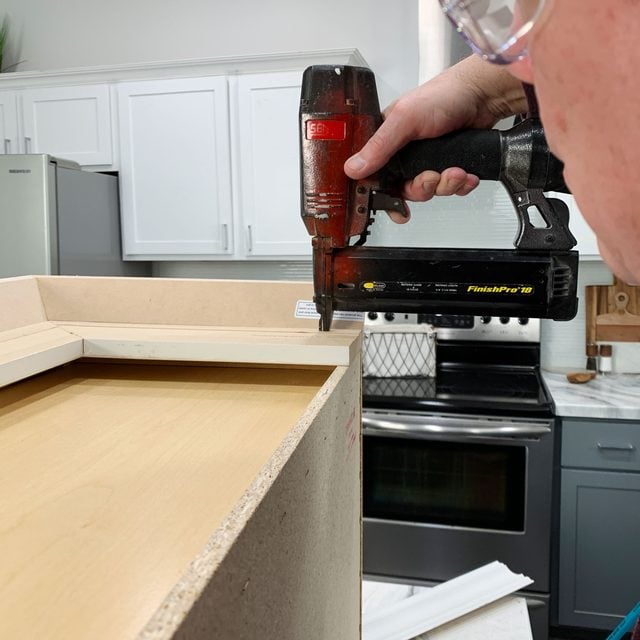
Credit: www.familyhandyman.com
Finishing Supplies
Installing kitchen cabinets requires specific tools like a power drill, level, and measuring tape. Accurate alignment is key, so use a stud finder and clamps for support. A screwdriver set and safety gear ensure a smooth and safe installation process.
When installing kitchen cabinets, finishing supplies ensure a polished look. These materials help cover gaps, smooth surfaces, and refine the overall appearance. They enhance durability and make your cabinets look professionally installed. Let’s explore some essential finishing supplies.Caulk
Caulk seals gaps between cabinets and walls. It prevents moisture and dirt from entering. Choose a color that matches your cabinets. This ensures a seamless look. Apply with a caulking gun for precision. Smooth it with a damp finger or tool. Allow it to dry completely before painting.Wood Filler
Wood filler is vital for hiding imperfections. Use it to fill nail holes or dents. Pick a filler that matches your cabinet color. Apply with a putty knife for a smooth finish. Let it dry and sand the surface evenly. This creates a flawless base for painting or staining.Sandpaper
Sandpaper is crucial for a smooth finish. Start with coarse grit to remove rough spots. Gradually move to finer grit for a polished surface. Sand in the direction of the wood grain. This prevents scratches and ensures a professional look. Always clean dust after sanding for a clean surface.Organizational Tools
Installing kitchen cabinets requires essential tools like a tape measure, level, and power drill. A stud finder helps secure cabinets to the wall, ensuring stability. Clamps and a screwdriver set complete the toolkit for a smooth installation process.
Organizing your tools is a game-changer when installing kitchen cabinets. A well-organized workspace reduces stress and improves efficiency. It ensures that you have everything you need at your fingertips, saving you valuable time and effort.Tool Belt
A tool belt is your best friend during installation. It keeps essential tools like screwdrivers, measuring tape, and a utility knife within easy reach. Imagine not having to stop and search for a screwdriver every few minutes—it’s a simple change that enhances productivity.Work Bench
A sturdy work bench provides a stable surface for cutting and assembling parts. It can also be a spot to keep your plans and checklists visible. A good work bench keeps your project organized and helps you maintain a clutter-free workspace, which is crucial for staying focused.Storage Bin
A storage bin helps you categorize and store smaller items like screws, nails, and brackets. By labeling the bins, you can easily find what you need without rummaging through a pile of materials. This organization method prevents frustration and ensures a smoother workflow. Have you ever paused a project to search for a lost screw? With these organizational tools, you can bid farewell to such interruptions. Keep your workspace tidy and your mind focused on the task at hand.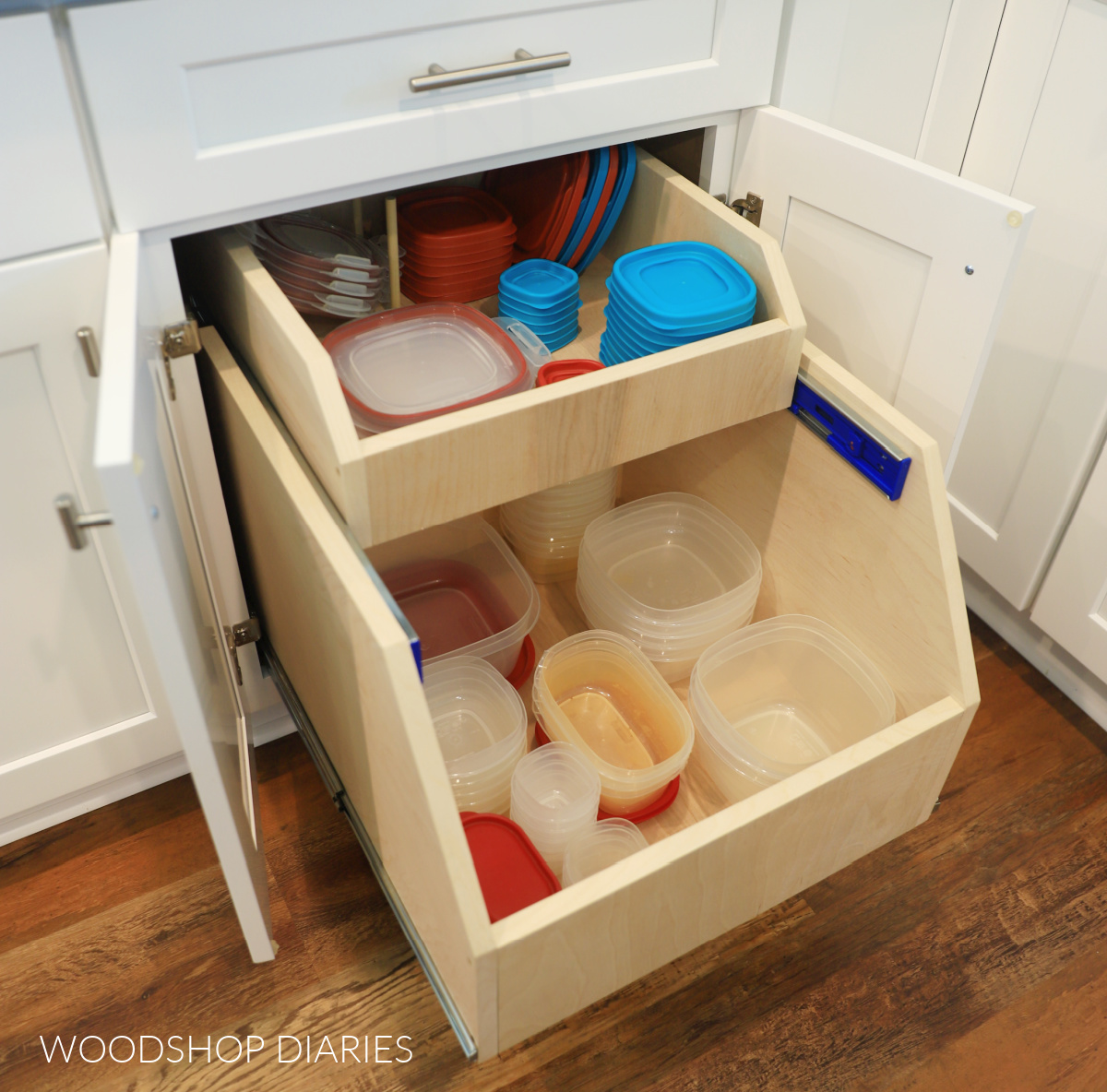
Credit: www.woodshopdiaries.com
Frequently Asked Questions
What Are Essential Tools For Cabinet Installation?
To install kitchen cabinets, you’ll need a few essential tools. Key tools include a power drill, level, tape measure, and a stud finder. A screwdriver set and clamps are also crucial. These tools ensure accurate alignment, secure mounting, and a professional finish for your kitchen cabinets.
Do I Need A Level For Cabinet Installation?
Yes, a level is crucial for cabinet installation. It ensures your cabinets are perfectly aligned and straight. This tool helps prevent crooked installations, which can lead to functional issues and aesthetic problems. Using a level guarantees a professional and polished look in your kitchen.
Is A Power Drill Necessary For This Task?
Absolutely, a power drill is vital for cabinet installation. It helps in creating precise holes for screws. This tool speeds up the process and provides the power needed for secure mounting. Using a power drill ensures stability and durability in your kitchen cabinets.
Why Is A Stud Finder Important?
A stud finder is essential for identifying the best spots to mount cabinets. It locates studs in the walls, ensuring secure and stable installation. Mounting cabinets on studs prevents them from falling or becoming loose. This tool is crucial for a safe and long-lasting cabinet installation.
Conclusion
Installing kitchen cabinets requires the right tools. They make the job easier. A tape measure ensures precise measurements. A level keeps cabinets straight. Drill and screws hold everything securely. Don’t forget clamps for stability. A stud finder helps find strong wall points.
Having these tools on hand saves time. Safety gear like gloves and goggles is important too. With preparation and these tools, your cabinet installation will be smooth. You’ll enjoy a functional kitchen in no time.