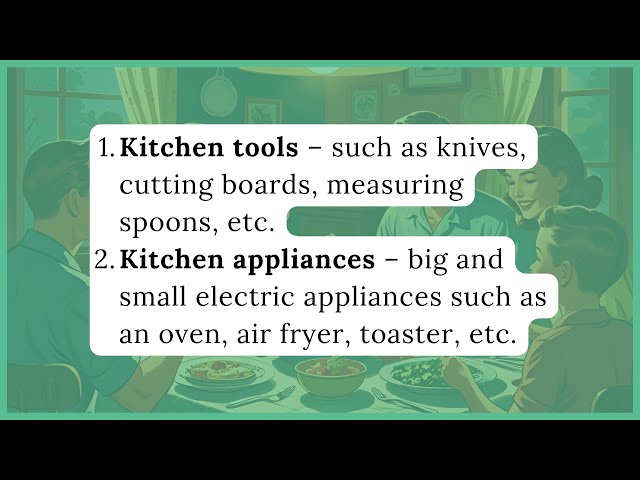
Imagine stepping into your kitchen, ready to whip up a delicious meal, only to feel overwhelmed by the array of tools and equipment scattered around. It’s like trying to solve a puzzle without knowing where to start.
But what if you could easily identify and understand the role of each item? This clarity can transform your cooking experience, making it more efficient and enjoyable. By grasping the different classifications of kitchen tools and equipment, you can organize your culinary space and unleash your creativity.
Curious to discover how mastering these categories can simplify your kitchen adventures? Let’s dive in and unlock the secrets to a more streamlined and effective cooking process.
Types Of Kitchen Tools
Understanding the types of kitchen tools can significantly enhance your cooking experience. Whether you’re a beginner or a seasoned chef, the right tools make tasks easier and more enjoyable. These tools can be broadly categorized into cutting, measuring, and mixing tools, each serving a unique purpose in the culinary process.
Cutting Tools
Cutting tools are essential in any kitchen, from slicing vegetables to carving meats. A sharp, reliable knife can make all the difference in your food prep. Think about the last time you struggled with a dull blade—frustrating, right? Investing in quality knives, such as chef’s knives, paring knives, and serrated knives, can save time and effort.
- Chef’s Knife: Great for chopping and slicing.
- Paring Knife: Ideal for peeling and intricate work.
- Serrated Knife: Perfect for cutting bread or soft fruits.
Measuring Tools
Precision is key when cooking or baking, making measuring tools indispensable. Imagine baking a cake without proper measurements—disaster awaits. Measuring cups and spoons ensure consistency in your dishes, allowing you to recreate or tweak recipes confidently.
- Measuring Cups: Useful for both dry and liquid ingredients.
- Measuring Spoons: Essential for small quantities.
- Digital Scale: Offers accuracy for weight-based recipes.
Mixing Tools
Mixing tools help combine ingredients efficiently, ensuring uniformity in texture and flavor. Remember that time you whipped up a batter by hand? It might have been a workout, but using the right tools makes it easier. From wooden spoons to electric mixers, these tools cater to different mixing needs.
- Wooden Spoon: Versatile for stirring and mixing.
- Whisk: Perfect for beating eggs or mixing sauces.
- Electric Mixer: Great for heavy-duty mixing tasks.
So, which kitchen tool do you find indispensable? The right tools not only streamline your cooking but also inspire creativity. Embrace these essentials to elevate your culinary game.
Credit: classnotes.ng
Cooking Equipment
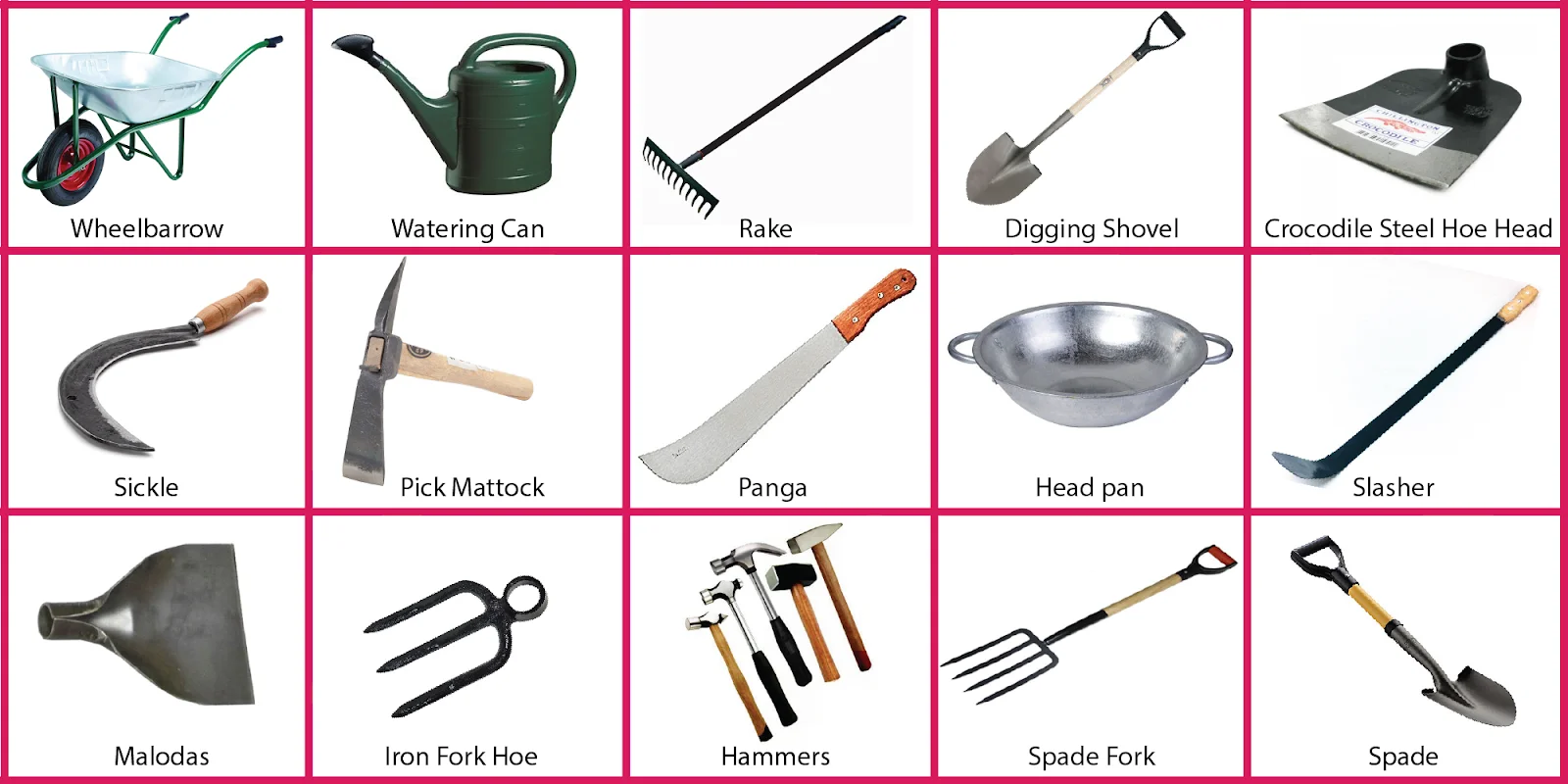
Kitchen tools and equipment are classified into utensils, appliances, and cookware. Utensils include knives and spatulas. Appliances are items like ovens and mixers. Cookware covers pots and pans.
Cooking equipment plays a vital role in the kitchen. It’s essential for transforming raw ingredients into delicious meals. Various types of cooking equipment cater to different culinary needs and methods. Understanding these classifications can enhance your cooking experience. Let’s dive into the main categories under cooking equipment.Stovetop Equipment
Stovetop equipment includes tools used on the stove. Frying pans, saucepans, and griddles are common examples. These tools are perfect for searing, boiling, and simmering. Cast iron pans offer even heat distribution. Stainless steel pans are durable and versatile. Non-stick pans provide easy cleanup. Different materials serve different cooking styles. Choose what suits your cooking needs best.Oven Equipment
Oven equipment involves tools used in baking and roasting. Baking sheets, roasting pans, and casserole dishes fall under this category. They help cook food evenly and maintain moisture. Baking sheets are great for cookies and pastries. Roasting pans suit meats and vegetables. Casserole dishes are perfect for layered meals. Each tool serves a unique purpose. Select your oven equipment wisely to enhance flavors.Microwave Equipment
Microwave equipment is designed for quick cooking and reheating. Microwave-safe bowls, plates, and containers are commonly used. They ensure safe and efficient heating. Glass and ceramic are popular choices. They withstand microwave heat without breaking. Plastic containers must be labeled microwave-safe. These tools offer convenience and speed. Microwave equipment is ideal for busy kitchens.Food Preparation Tools
Kitchen tools and equipment are classified into various categories. Cutting tools like knives and scissors are essential. Mixing tools such as spoons and whisks facilitate blending ingredients. Cooking tools, including pots and pans, are vital for heating and preparing food.
Food preparation tools are the unsung heroes of any kitchen, helping transform raw ingredients into culinary masterpieces. Whether you’re crafting a simple salad or an elaborate feast, having the right tools at your disposal can make all the difference. Let’s dive into the essential food preparation tools that every kitchen should have.Peeling And Slicing Tools
Peeling and slicing tools are essential for prepping fruits and vegetables efficiently. A good quality peeler can glide over the contours of a potato or apple, saving time and reducing waste. Similarly, a sharp chef’s knife is crucial for slicing onions or dicing tomatoes with precision. Have you ever tried using a mandoline slicer? It’s a game-changer for achieving uniform slices of cucumbers or carrots, making your salads look like they’re from a gourmet restaurant. Consider adding these tools to your kitchen arsenal to enhance your cooking experience.Grating And Grinding Tools
Grating and grinding tools add texture and flavor to your dishes. A sturdy box grater can handle everything from cheese to carrots, adding that perfect touch to your recipes. But have you tried a microplane? It’s fantastic for zesting citrus or grating nutmeg, bringing a burst of freshness to your dishes. Mortar and pestle sets are another must-have. Grinding spices manually can release their essential oils, enhancing the aroma and taste of your meals. What spices do you love to grind fresh? Share your thoughts and see how it changes your cooking game.Blending Tools
Blending tools are indispensable for creating smooth soups, sauces, and smoothies. A high-quality blender can pulverize fruits and vegetables into silky drinks or creamy soups. If you haven’t already, try using an immersion blender. It’s perfect for blending soups directly in the pot, saving you the hassle of transferring hot liquids. Food processors are also worth considering. They can chop, slice, and puree ingredients, making them versatile additions to any kitchen. How do you plan to use your blending tools? Let your culinary creativity flow and experiment with new recipes. By understanding and utilizing these food preparation tools, you can elevate your cooking skills and make meal prep a breeze. Which tool will you upgrade first?Specialty Tools
Specialty tools in the kitchen can elevate your cooking experience to new heights. These are the gadgets and equipment that cater to specific culinary tasks, making your efforts more efficient and enjoyable. Whether you’re a baking enthusiast or a barbecue aficionado, having the right tools can make all the difference. Let’s explore some of the essential specialty tools that can transform your kitchen adventures.
Baking Tools
Baking is an art, and like any artist, you need the right tools. Imagine trying to whisk together a perfect batter without a mixer or measuring ingredients without precise cups and spoons. Essential baking tools include:
- Stand Mixer:Perfect for mixing dough and batter effortlessly.
- Baking Sheets:These help to bake cookies and pastries evenly.
- Rolling Pin:Crucial for working with dough, whether you’re making pie crusts or cookies.
Have you ever tried baking without parchment paper? It can be a sticky situation! Specialty baking tools not only simplify the process but also enhance the final product, ensuring your baked goods turn out just right.
Barbecue Tools
If you love the smoky aroma of grilled food, barbecue tools are a must-have. These tools are designed to handle high heat and make outdoor cooking a breeze. Key barbecue tools include:
- Grill Tongs:Essential for flipping meat and veggies without piercing them.
- Meat Thermometer:Ensures your food is cooked to perfection, avoiding undercooked or overcooked meals.
- Grill Brush:Keeps your grill clean, enhancing flavor and preventing flare-ups.
Remember a time when you struggled to flip a burger with a regular fork? The right tools can eliminate these frustrations and make grilling a joy. They help you focus on creating mouth-watering dishes rather than battling with the grill.
Pasta Making Tools
Homemade pasta has an unmatched taste and texture. To achieve this culinary delight, pasta-making tools are indispensable. These tools allow you to craft pasta with ease and precision. Must-have pasta tools include:
- Pasta Roller:Rolls out dough to the perfect thickness for various pasta types.
- Pasta Cutter:Creates uniform noodles, whether you’re making fettuccine or ravioli.
- Drying Rack:Helps in drying pasta evenly without clumping.
Think back to a time when your spaghetti turned out too thick or uneven. Pasta-making tools ensure consistency and quality, transforming your kitchen into a mini Italian trattoria. Wouldn’t you agree that the right tools can make your culinary journey more enjoyable?
Storage And Organization
Storage and organization are crucial in any kitchen. They ensure efficiency and cleanliness. Proper storage keeps food fresh and tools accessible. This section explores various ways to organize your kitchen.
Containers And Canisters
Containers and canisters help store food safely. They keep ingredients fresh and accessible. Use clear containers for easy identification. Choose airtight options to prolong food shelf life. Label each container for quick access.
Racks And Holders
Racks and holders maximize kitchen space. They keep frequently used items within reach. Install wall-mounted racks for utensils. Use magnetic holders for knives. Store pots and pans on hanging racks. This reduces cabinet clutter.
Shelving Solutions
Shelving solutions offer additional storage. Install adjustable shelves for flexibility. Use corner shelves for awkward spaces. Consider open shelving for easy access. They add style and functionality to your kitchen.
Credit: www.alibaba.com
Cleaning And Maintenance
Kitchen tools and equipment can be classified into several categories. These include utensils, appliances, and cookware. Proper classification aids in efficient kitchen management and maintenance.
Cleaning and maintenance are vital aspects of managing kitchen tools and equipment effectively. Keeping your kitchen tools clean ensures not only their longevity but also the hygiene of the food you prepare. Maintenance, on the other hand, helps keep everything in optimal condition, saving you from costly repairs and replacements. Let’s dive into some practical insights that will make cleaning and maintenance an easy and rewarding task.Cleaning Tools
Having the right cleaning tools can make a world of difference. Consider keeping a selection of brushes, scouring pads, and microfiber cloths handy. These items are effective in scrubbing off stubborn stains and providing a gentle clean for more delicate surfaces. Dish soaps with grease-cutting capabilities can help remove oil residues effectively. Additionally, baking soda and vinegar can act as natural cleaners for tough grime. Are you using these tools effectively?Maintenance Tips
Regular maintenance checks can prevent kitchen nightmares. Make it a habit to inspect your equipment for any signs of wear and tear. Tighten loose screws on handles or knobs and ensure blades are sharpened regularly. Lubricating moving parts, like the hinges of your oven, can prevent rust. Dust off any electronic equipment and check for frayed cords to avoid potential hazards. Have you scheduled your next maintenance check?Safety Considerations
Safety should be your top priority. When cleaning, ensure tools are unplugged and adequately cooled down to prevent burns or electric shocks. Use gloves when handling harsh chemicals to protect your skin. Keep sharp objects, like knives, in designated storage spaces to avoid accidents. Proper ventilation while cleaning can prevent inhalation of fumes. What measures are you taking to ensure safety in your kitchen? By integrating these cleaning and maintenance strategies into your routine, you can ensure that your kitchen tools and equipment serve you well for years to come.
Credit: classnotes.ng
Frequently Asked Questions
What Are The Types Of Kitchen Tools?
Kitchen tools are classified into cutting, measuring, mixing, and cooking tools. Cutting tools include knives and peelers. Measuring tools consist of cups and spoons. Mixing tools are spatulas and whisks. Cooking tools include pots and pans. Each type serves a specific purpose in food preparation.
How Are Kitchen Equipment Categorized?
Kitchen equipment is categorized into cooking, refrigeration, and cleaning. Cooking equipment includes stoves and ovens. Refrigeration equipment involves refrigerators and freezers. Cleaning equipment comprises dishwashers and sinks. Each category plays a crucial role in maintaining an efficient kitchen setup.
Why Is It Important To Classify Kitchen Tools?
Classifying kitchen tools ensures efficient cooking and organization. It helps in quick access and prevents clutter. Proper classification also improves safety by reducing accidents. Knowing tool categories aids in maintaining them correctly. It enhances overall cooking experience and productivity in the kitchen.
What Are Examples Of Cooking Utensils?
Cooking utensils include spatulas, tongs, ladles, and turners. Spatulas help in flipping and stirring. Tongs are used for gripping food. Ladles are perfect for serving soups. Turners assist in flipping pancakes or burgers. These utensils are essential for various cooking tasks.
Conclusion
Kitchen tools and equipment serve many roles. From cutting to cooking, each tool has a unique purpose. Understanding these classifications helps in better kitchen management. Organizing tools by function makes cooking efficient. It saves time and reduces stress. A well-equipped kitchen enhances the cooking experience.
It encourages creativity and improves dish quality. Knowing your tools means smarter choices. Choose wisely for a happy kitchen environment. Remember, the right tool makes all the difference. Happy cooking with your well-organized kitchen tools!