Imagine opening your kitchen cabinets and finding chaos instead of order. Containers without labels, ingredients spilling out, and the struggle of finding what you need.
Sounds familiar? You’re not alone. Kitchen storage containers can be a game-changer, transforming your cooking space into a haven of efficiency and calm. But what exactly should you be storing in these containers? If you’ve ever felt overwhelmed by the clutter or wasted precious time hunting for that elusive spice, this guide is your solution.
Discover how the right storage strategy can save you time, reduce stress, and even enhance your cooking experience. Uncover the secrets of kitchen organization that can simplify your life and make your kitchen a place you love to be. Dive into practical tips that turn storage containers from a mere necessity into a powerful tool for kitchen mastery. Ready to revolutionize your kitchen space? Let’s explore the essentials you need to store in those containers!

Credit: food52.com
Choosing The Right Containers
Choosing the right containers for your kitchen storage is more than just a matter of aesthetics. It’s about functionality, durability, and ensuring your food stays fresh and safe. Whether you’re storing dry goods, leftovers, or pantry staples, picking the right type of container can make all the difference in maintaining your kitchen’s efficiency. Let’s dive into the key factors that will guide you in selecting the perfect kitchen storage containers.
Materials And Durability
When selecting containers, consider the material they’re made from. Plastic is lightweight and affordable, but not all plastics are created equal. Look for BPA-free options for safety. Glass containers, on the other hand, are perfect for both storing and reheating food due to their heat-resistant properties. They might be heavier, but their durability is worth it for long-term use.
Metal containers, like stainless steel, offer excellent durability and are great for storing dry goods. However, they may not be suitable for microwaving. Think about your storage needs and how often you’ll be using these containers to ensure you’re making a wise choice.
Size And Shape Considerations
Size and shape matter significantly in kitchen storage. You don’t want containers that take up excessive space or are too small for your needs. Consider the types of food you typically store and how much of it. Square or rectangular containers often stack better, maximizing shelf space.
Have you ever tried storing spaghetti in a short container? It doesn’t work well. Tall, cylindrical containers are perfect for pasta, while wider containers are better for items like flour or sugar. Visualize your pantry and think about the most efficient ways to utilize space.
Airtight And Leak-proof Options
Airtight containers are crucial for preserving freshness and preventing contamination. They help keep out pests and moisture, ensuring your food stays safe and tasty. Look for containers with silicone seals, as they tend to provide a better airtight seal compared to simple snap-on lids.
Leak-proof containers are particularly important for liquids and leftovers. Imagine storing soup in a non-leak-proof container, only to find it spilled all over your fridge. Not a pleasant experience. Check the reviews and product specifications to ensure your chosen containers truly deliver on their promise to be leak-proof.

Credit: www.goodhousekeeping.com
Staple Pantry Items
Organizing your kitchen with storage containers can transform your pantry into a well-oiled machine. By wisely stocking these containers with staple pantry items, you’ll find cooking and meal prep a breeze. Let’s dive into the essentials that should have a dedicated spot in your kitchen storage containers.
Grains And Cereals
Do you often find cereal boxes taking up too much space? Storing grains and cereals in clear, airtight containers can save you space and keep them fresh longer. Consider storing oats, quinoa, and your favorite breakfast cereals in containers. This way, you can easily monitor your supply and never run out unexpectedly.
Pasta And Rice
Have you ever struggled to find the right pasta in a cluttered pantry? Using containers for pasta and rice simplifies meal planning. Keep different types of pasta—spaghetti, penne, or fusilli—in separate containers. The same goes for rice varieties like basmati, jasmine, or wild rice. This organization lets you quickly grab what you need for any recipe.
Flours And Baking Essentials
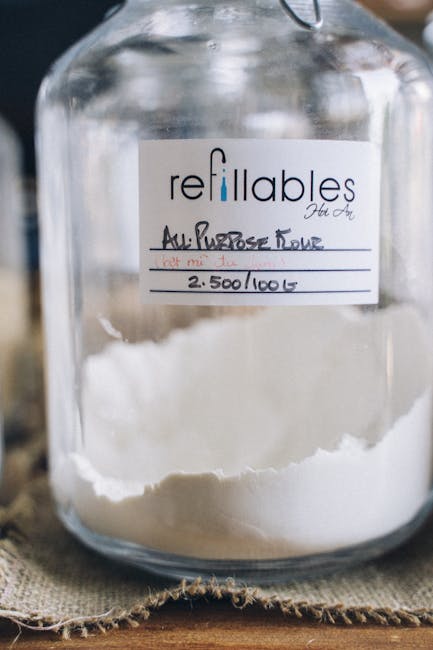
Do you love baking but hate the mess flour bags create? Storing flours and baking essentials in containers is a game changer. From all-purpose flour to almond flour and baking soda to sugar, having them in airtight containers keeps them fresh and easy to access. Plus, it prevents spills and makes your baking adventures more enjoyable.
Perishable Foods
Perishable foods like fruits, vegetables, and dairy products benefit from kitchen storage containers. These containers keep food fresh and organized. Airtight seals prevent spoilage, extending the lifespan of these foods.
Perishable foods are an essential part of your kitchen, providing freshness and nutrition to your daily meals. Properly storing these items in kitchen storage containers can significantly extend their life and keep them safe to eat. Whether you’re dealing with fresh produce or meats and seafood, knowing how to store them effectively can make a world of difference.Fresh Produce And Vegetables
Fresh produce and vegetables are best stored in containers that offer good ventilation. You might be surprised at how easily fruits like apples and bananas can spoil without proper air circulation. Leafy greens, on the other hand, thrive in slightly humid conditions. Using containers with adjustable vents can help regulate moisture levels. Have you ever bought a bunch of fresh herbs only to find them wilted in a few days? Try wrapping them in a damp paper towel before storing them to maintain their crispness.Dairy Products And Alternatives
Dairy products need airtight containers to preserve their freshness. Milk, cheese, and yogurt can quickly absorb odors from other foods, so keeping them sealed is crucial. Did you know that storing cheese in its original packaging can sometimes be detrimental? Instead, wrap it in wax paper before placing it in a container. For dairy alternatives like almond milk or soy yogurt, the same principles apply. An airtight seal prevents spoilage and preserves taste.Meats And Seafood
Meats and seafood demand extra attention due to their sensitivity to temperature changes. These perishables should be stored in containers that are both airtight and leak-proof. Have you ever thought about using vacuum-sealed bags for your meats? They help remove air and extend shelf life significantly. Seafood can also benefit from being stored in containers with ice packs to maintain optimal cold temperatures. Always ensure your storage solutions prevent cross-contamination with other foods. Incorporating these storage practices can transform your kitchen into a haven of freshness and safety. What are your favorite tips for keeping perishables fresh?Dry Goods And Spices
Kitchen storage containers are perfect for organizing dry goods and spices. Store flour, sugar, and rice to keep them fresh. Spices like cumin, turmeric, and paprika stay aromatic in airtight containers.
Dry goods and spices are essential for every kitchen. They add flavor and variety to meals. Proper storage ensures freshness and extends shelf life. Using kitchen containers helps organize these items. They keep everything accessible and visible. Let’s explore the best ways to store different dry goods and spices.Herbs And Seasonings
Herbs and seasonings need dry, airtight containers. This keeps them fresh. Use clear jars to see contents quickly. Label each container with the herb’s name. Store them in a cool place away from sunlight. This maintains aroma and flavor. Common herbs include oregano, thyme, and basil. Popular seasonings are garlic powder and paprika.Nuts And Seeds
Nuts and seeds are nutritious and versatile. Store them in sealed containers. This prevents them from becoming stale or absorbing odors. Glass jars work well for this purpose. Keep them in a dark cupboard to protect from light. Common choices are almonds, chia seeds, and sunflower seeds. They add texture to dishes and snacks.Snacks And Sweets
Snacks and sweets need special care. Use tight-seal containers to preserve freshness. Group similar items together for easy access. Clear containers help identify contents quickly. Store away from heat and humidity. Popular options include cookies, candies, and dried fruits. This keeps your treats delicious and ready to enjoy.Liquid And Semi-liquid Items
Store liquid and semi-liquid items like oils, sauces, and soups in airtight kitchen storage containers. This prevents spills and maintains freshness. Keep these containers easily accessible for efficient cooking and organization.
Storing liquid and semi-liquid items in your kitchen can be a bit tricky if not organized properly. Imagine reaching for that bottle of olive oil, only to find it’s gone rancid because it wasn’t stored correctly. With the right kitchen storage containers, you can keep these items fresh and easily accessible. Let’s dive into some key categories to consider.Oils And Vinegars
Oils and vinegars are kitchen staples, but they need the right containers to preserve their flavors. Use dark glass bottles for oils like olive or avocado to shield them from light, which can cause them to spoil faster. Vinegars, on the other hand, are less sensitive to light but benefit from airtight containers to maintain their acidity and aroma. Storing oils and vinegars in smaller bottles can also help. This limits exposure to air each time you open them. Have you ever noticed how those large bottles go off before you finish them? Smaller containers are a simple yet effective solution.Sauces And Condiments
Sauces and condiments like ketchup, mustard, and soy sauce are best stored in squeeze bottles. These containers make it easy to control the amount you use without making a mess. They also help keep sauces fresh by minimizing air exposure. Consider labeling your containers if you transfer sauces from their original packaging. It’s a good habit, especially when you have multiple similar-looking bottles. Have you ever mixed up soy sauce with balsamic glaze? A simple label can save you from those kitchen mishaps.Broths And Stocks
Broths and stocks often come in larger quantities than you need for one dish. Storing them in glass jars or plastic containers is a practical way to keep them fresh. Opt for containers with measurement markings to easily portion out what you need. Freezing broths and stocks in ice cube trays is another efficient method. Once frozen, transfer them to a labeled freezer bag. This way, you can grab exactly what you need without defrosting an entire batch. Have you tried this method? It’s a game-changer for saving both time and space in your freezer.
Credit: food52.com
Organizing Tips
Store dry goods like rice and pasta in airtight containers. Use clear jars for spices and herbs. Keep snacks and cereals fresh by sealing them in plastic bins.
Organizing your kitchen storage containers can save time and stress. Proper organization helps keep your kitchen tidy and efficient. Here are some practical tips to enhance your kitchen storage.Labeling And Categorizing
Label each container with its contents. Use clear labels for easy identification. Group similar items together, like grains or snacks. This makes finding ingredients quick and easy. Color-coded labels can help differentiate food types.Space-saving Techniques
Stack containers to maximize space. Use nesting containers for efficient storage. Choose square or rectangular containers for better fit and less wasted space. Consider using shelf organizers to utilize vertical space. Keep frequently used items at the front for easy access.Rotation And Inventory Management
Place newer items behind older ones. This ensures you use older items first. Keep an inventory list of your stored items. Update the list as you use or add items. This prevents overbuying and helps plan meals efficiently.Safety And Hygiene
Kitchen storage containers keep food fresh and organized, ensuring safety and hygiene. Store dry foods, grains, and snacks to prevent contamination. Proper storage extends shelf life and maintains quality.
Ensuring safety and hygiene in your kitchen is more than just a good habit—it’s a necessity. Proper storage practices can prevent contamination and keep your food fresh longer. Let’s explore how you can maintain a clean and safe kitchen environment using storage containers effectively.Proper Cleaning Practices
Keeping your kitchen storage containers clean is essential. Always wash them with hot, soapy water after each use. Don’t forget the lids, as they can harbor bacteria too. Rinse thoroughly to remove any soap residue. Air dry them completely to prevent moisture build-up, which can lead to mold. A quick wipe with a dry cloth can ensure they are ready for the next use. Have you considered using a natural cleaning solution? A mixture of vinegar and water can be a chemical-free alternative to ensure your containers are spotless.Avoiding Cross-contamination
Cross-contamination can be a silent threat in your kitchen. Store raw meats and seafood in separate containers. Make sure they are sealed tightly to prevent any leaks. Use different colored containers or labels for various food types. This simple visual cue can help you avoid mix-ups. Always wash your hands before and after handling different foods to keep germs at bay. Do you remember that time when you accidentally mixed up the raw chicken container with the cooked vegetables? It’s a mistake we can all learn from.Temperature Control And Preservation
Temperature plays a vital role in food preservation. Keep perishable items like dairy and meat in the refrigerator. Use airtight containers to maintain their freshness and prevent odors from spreading. For dry goods, store them in a cool, dry place. Containers with vacuum seals can extend shelf life by reducing exposure to air. Have you noticed how your coffee stays fresher when stored this way? Consider investing in stackable containers. They not only save space but also ensure your food is stored at the optimal temperature. Are your current storage habits protecting your food as they should?Frequently Asked Questions
What Foods Are Best Stored In Kitchen Containers?
Dry goods like pasta, rice, and beans are ideal for kitchen containers. They keep these foods fresh and pest-free. Spices, flour, and sugar also benefit from airtight storage. These containers help maintain flavor and prevent clumping. Fresh produce, when stored properly, can last longer in designated containers.
How Do Containers Keep Food Fresh Longer?
Airtight containers prevent exposure to air and moisture, which can spoil food. By sealing in freshness, they help maintain flavor and texture. This extends the shelf life of perishables and dry goods alike. Proper storage also protects food from pests and contaminants, ensuring optimal quality.
Can Kitchen Containers Be Used For Liquids?
Yes, some kitchen containers are perfect for liquids. Look for those with secure, leak-proof seals. They’re ideal for storing soups, sauces, or homemade broths. Ensure the material is suitable for liquids to prevent spills. Glass and BPA-free plastic containers are popular choices for liquid storage.
Are Glass Containers Better Than Plastic Ones?
Glass containers are durable and free from harmful chemicals like BPA. They don’t retain odors or stains. They’re ideal for both dry and liquid storage. However, plastic containers are lighter and less prone to breaking. Choosing between them depends on your storage needs and preferences.
Conclusion
Kitchen storage containers offer practical benefits for organizing your space. They keep ingredients fresh and easily accessible. Use them for storing grains, pasta, and cereals. Spices and herbs also fit well in smaller containers. Baking supplies like flour and sugar stay fresh in airtight containers.
Leftovers can be neatly stored in clear containers. This helps reduce food waste. Stackable containers save space in crowded cabinets. Choosing the right size and type is important. Enjoy a clutter-free kitchen. Organize smartly and cook with ease. Your kitchen will thank you!