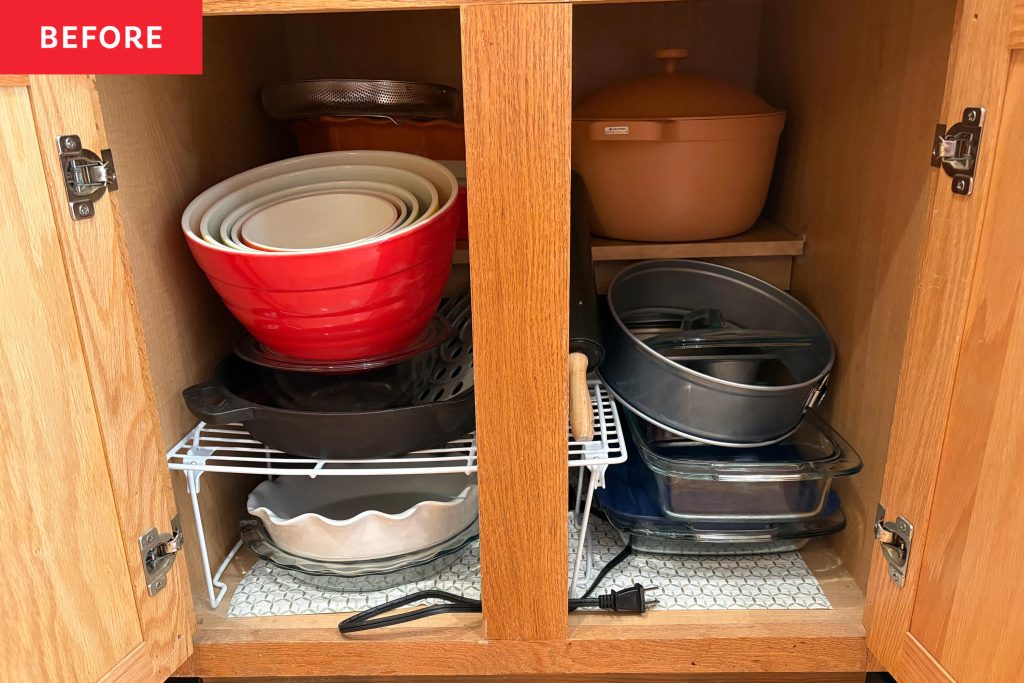
Are your kitchen cabinets a chaotic mess of clanging pots and pans? You’re not alone.
Many of us struggle with keeping these essential cooking tools organized and easily accessible. But what if there was a way to transform that jumbled pile into a streamlined, efficient setup? Imagine opening your cabinet doors to find everything in its place, ready to use at a moment’s notice.
This isn’t just about tidiness—it’s about reclaiming your kitchen and enhancing your cooking experience. In this guide, you’ll discover simple, practical strategies to organize your pots and pans like a pro. Ready to revolutionize your kitchen space? Let’s get started!
Assess Your Storage Space
Assess your storage space to organize pots and pans efficiently. Consider vertical stacking or use dividers for better access. Adjust shelves to fit larger items and utilize cabinet doors for lids.
When organizing pots and pans, assessing your storage space is crucial. A well-organized kitchen makes cooking easier and more enjoyable. Begin by examining the available space in your kitchen cabinets. Understanding your space helps in planning effectively.Identify Cabinet Dimensions
Measure the height, width, and depth of each cabinet. Knowing the dimensions helps in selecting suitable organizing tools. It ensures that you use every inch effectively.Evaluate Cabinet Layout
Look at the layout of your cabinets. Some have built-in shelves, while others are open spaces. This evaluation determines how you can arrange your pots and pans efficiently.Consider Accessibility
Accessibility is key in kitchen organization. Place frequently used items in easily reachable spots. This reduces time spent searching for the right pot or pan.Check For Unused Spaces
Identify any unused spaces in your cabinets. These spots can be optimized with clever storage solutions. Consider using hooks or racks for extra storage.Account For Cabinet Strength
Understand the weight your cabinets can handle. Heavy pots require sturdy shelves to prevent damage. This ensures safety and longevity of your storage solutions. Effective storage assessment leads to a more organized kitchen. It enhances your cooking experience and keeps your kitchen tidy.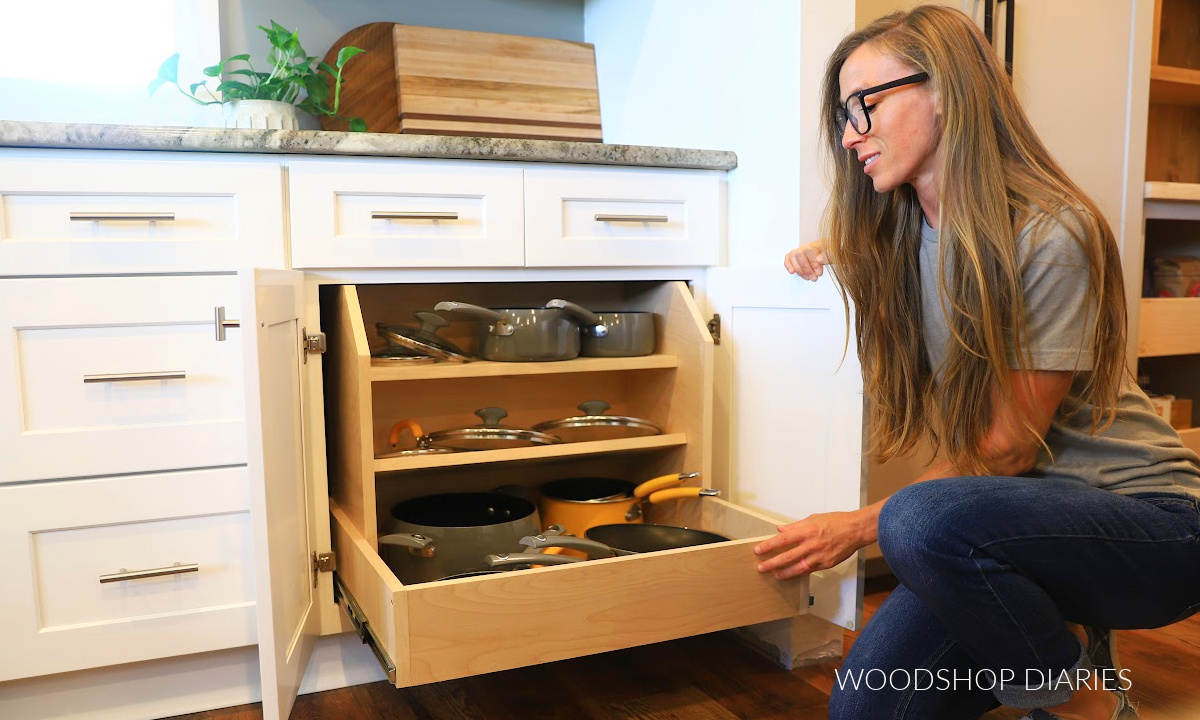
Credit: www.woodshopdiaries.com
Choose The Right Cabinet
Organize pots and pans efficiently by using deep pull-out drawers. Utilize vertical dividers to keep lids separate. Ensure easy access by placing frequently used items in the front.
Choosing the right cabinet for your pots and pans is crucial. The perfect cabinet maximizes space, keeps cookware accessible, and maintains a tidy kitchen. Begin by assessing your kitchen’s layout and available space. Consider cabinets that offer deep shelves or pull-out drawers. These features help store pots and pans efficiently. Think about the size and quantity of your cookware. Large pots need more room, while pans can stack easily. Matching the cabinet to your cooking style and needs ensures a smooth kitchen experience. Let’s explore key aspects to consider when selecting the ideal cabinet.Assess Your Kitchen Layout
Understanding your kitchen’s design helps in cabinet selection. Look for spaces where cabinets can fit snugly. A corner cabinet might be ideal for maximizing unused areas. Observe traffic flow and accessibility. Cabinets close to the cooking area save time and effort. Choose a spot that aligns with your cooking habits.Consider Cabinet Features
Cabinets with adjustable shelves provide flexibility. You can customize the space as your cookware collection grows. Pull-out drawers offer easy access without bending or reaching. Look for durable materials that withstand weight and frequent use. Soft-close hinges prevent damage and reduce noise. These features enhance functionality and longevity.Evaluate Storage Capacity
Analyze the storage space inside the cabinet. Deep cabinets hold larger pots, while shallow ones suit pans and lids. Ensure there’s room for organizing racks or dividers. This helps maintain order and prevents clutter. Measure your cookware to find a cabinet that fits perfectly.Prioritize Accessibility
Easy access to pots and pans simplifies cooking. Choose cabinets with wide openings or sliding mechanisms. These allow you to reach items quickly without fuss. Organize cookware based on frequency of use. Keep daily items within easy reach for convenience.Match Style With Function
Cabinet style should complement your kitchen decor. Choose colors and finishes that blend seamlessly. Modern kitchens might prefer sleek, minimalist designs. Traditional settings may benefit from classic wood finishes. Ensure the cabinet’s style doesn’t compromise functionality. Selecting the right cabinet involves thoughtful planning. Consider layout, features, capacity, accessibility, and style. This holistic approach ensures your kitchen remains organized and efficient.Utilize Vertical Space
Maximize cabinet space by stacking pots and pans vertically. Use adjustable racks or dividers for easy access and organization.
Organizing pots and pans in your kitchen cabinets can often feel like a game of Tetris. One of the most effective strategies to save space and keep things tidy is to utilize vertical space. By thinking upwards instead of outwards, you can make the most of every inch of your cabinet space and keep your kitchen essentials easily accessible.Install Adjustable Shelves
Adjustable shelves can be your best friend in maximizing vertical space. These shelves allow you to customize the height for different sized pots and pans. You can find them in various materials and styles to match your kitchen’s aesthetic.Use Pot Racks Or Hooks
Pot racks or hooks are not just for professional kitchens. They can be installed inside your cabinets to hang pots and pans vertically. This method keeps your cookware easy to grab and helps prevent stacking, which can lead to scratches or damage.Incorporate Tension Rods
Tension rods can be a quick and budget-friendly solution for organizing pans. Place them vertically within your cabinet to create slots. Slide pans in, keeping them upright and easy to access without disrupting the rest of your collection.Stack With Purpose
If stacking is necessary, do it with purpose. Use pan protectors to prevent scratches and damage. Consider the frequency of use and keep the most-used items on top for easy access.Utilize Cabinet Doors
Don’t overlook the inside of your cabinet doors. Attach hooks or small shelves to store lids or smaller pans. This often-neglected space can significantly increase your storage capacity. Thinking vertically in your kitchen cabinet organization not only helps in creating more room but also simplifies the cooking process. How could rethinking your cabinet space make your kitchen more efficient? Start experimenting with these solutions today and enjoy a clutter-free kitchen.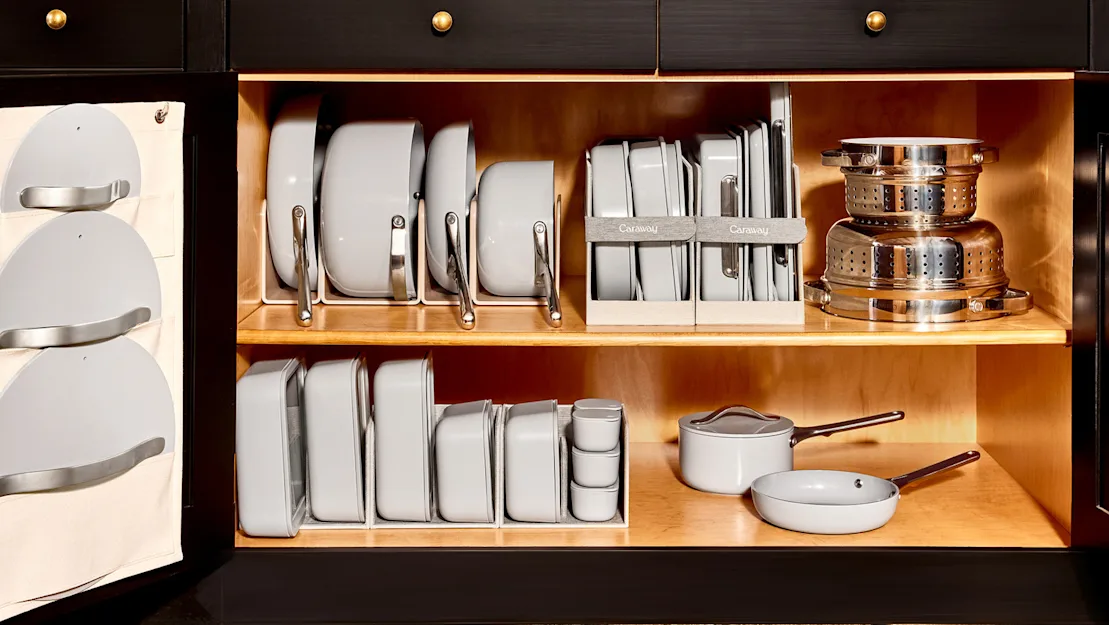
Credit: www.carawayhome.com
Group By Function
Group by function to keep pots and pans organized in kitchen cabinets. Place similar items together for easy access. This method saves time and space, making your kitchen more efficient.
Organizing your kitchen cabinets can transform your cooking experience. A smart approach is to group pots and pans by function. This method not only saves time but also enhances your kitchen efficiency. Imagine finding the right pan or pot in seconds, just because everything is logically arranged! Think about it—how often do you reach for a frying pan but end up rummaging through a pile of pots? Grouping by function eliminates this hassle. Let’s dive into some practical ways to implement this system.Separate By Cooking Method
Think about how you cook. Do you often sauté, fry, or steam? Arrange your pans accordingly. Place frying pans in one section, saucepans in another, and steamers in their own spot. This makes it easy to grab exactly what you need when you’re in the midst of preparing a meal.Categorize By Frequency Of Use
Identify which pots and pans you use most frequently. Give these items the most accessible spots in your cabinets. Less frequently used items can be stored towards the back or on higher shelves. This simple adjustment can save you a lot of bending and stretching.Organize By Size And Nesting
Stacking pots and pans by size can save a surprising amount of space. Nest smaller pans inside larger ones. This not only makes your cabinets look tidier but also allows for quick access. Just be sure to place a protective layer between them to avoid scratches.Allocate Space For Lids
Lids can be tricky to store. Consider a designated space just for lids, like a lid rack or a separate shelf. This prevents them from getting mixed up with pots and pans, maintaining the neatness of your cabinet. You’ll never have to waste time searching for a matching lid again.Utilize Vertical Dividers
If space allows, use vertical dividers for storing pans. This method keeps them upright and easy to reach. It’s a great way to maximize cabinet space and maintain order. Vertical storage is particularly useful for larger pans and baking sheets.Personalize Your Setup
Every kitchen is unique, and so is every cook. Tailor your organization system to fit your cooking style. Maybe you prefer your pans within arm’s reach next to the stove, or perhaps you like them all lined up in a drawer. What matters is that your setup works for you and simplifies your cooking process. By thoughtfully organizing your pots and pans, you create a kitchen that not only looks great but also functions seamlessly. What changes will you make to your kitchen cabinets today?Invest In Organizers
Investing in organizers can transform your kitchen storage. Stack pots and pans vertically to save space. Use adjustable racks to fit different sizes neatly.
Investing in organizers can transform your kitchen space. Proper storage solutions keep pots and pans easily accessible. They also prevent clutter, enhancing the kitchen’s functionality. With the right organizers, you can maximize cabinet space. This ensures a tidy and efficient cooking environment.Sliding Shelves
Sliding shelves offer convenient access to pots and pans. They glide smoothly, reducing the need to bend or stretch. These shelves fit neatly in cabinets, making use of every inch. Adjust them to suit different pot sizes. This flexible design caters to various cookware needs. Easy installation makes them a popular choice. No more digging for hidden pots at the back.Tiered Racks
Tiered racks create vertical storage, saving space. They stack pots and pans in layers, keeping them visible. These racks are ideal for small or crowded kitchens. They keep cookware organized and accessible. Simple designs fit most cabinet sizes. Metal racks offer durability and support. Choose racks with adjustable tiers for more versatility.Hanging Hooks
Hanging hooks utilize cabinet doors for storage. They provide quick access to frequently used pans. Hooks can hold pots, lids, and utensils. This frees up shelf space for larger items. Installing hooks is easy, requiring minimal tools. They suit kitchens with limited space. Durable hooks ensure cookware remains secure.Consider Frequency Of Use
Consider Frequency of Use Store frequently used pots and pans within easy reach. Place them at the front of kitchen cabinets. Less-used items can be stored further back or on higher shelves.
Organizing your kitchen pots and pans can be a game-changer in how efficiently you cook and clean. One often overlooked strategy is considering the frequency of use. This means arranging your cookware based on how often you reach for them. Doing this can save you time and frustration.Prioritize Daily Essentials
Think about the pots and pans you use every day. These should be the easiest to access. Keep them at eye level or in the front of your cabinet. Whether it’s the trusty frying pan for morning eggs or the saucepan for boiling pasta, make sure your go-to items are within arm’s reach.Seasonal And Specialty Cookware
Items used less frequently, like a roasting pan or a large stockpot, can be stored in the back or on higher shelves. Consider how often you host holiday dinners or make large batches of soup. These items don’t need to take up prime real estate when they’re used occasionally.Evaluate Your Cooking Habits
Reflect on your cooking habits and adjust your organization accordingly. Do you love making stir-fries or are you more of a baking enthusiast? Arrange your cabinets to support your culinary preferences. This could mean keeping your wok handy or making space for baking sheets and mixing bowls.Reorganize As Needed
Your cooking style may evolve, and so should your cabinet organization. Regularly reassess what you use the most and adjust accordingly. Maybe you’ve started experimenting with new recipes or you’ve shifted to healthier eating. Keep your kitchen adaptable to your changing needs.Maximize Accessibility
Consider adding pull-out shelves or organizers to make accessing your cookware easier. These additions can transform a cluttered cabinet into a functional space. Think about how much smoother your cooking process can be when you can see and reach everything effortlessly. Organizing pots and pans based on how often you use them can streamline your kitchen workflow. What changes can you make today to simplify your cooking routine?Label For Easy Access
Label shelves and cabinet sections for easy access to pots and pans. Clear labels reduce clutter and improve kitchen efficiency. This simple step saves time and keeps your kitchen organized.
Organizing your kitchen can feel like a battle against chaos, especially when it comes to pots and pans. One simple yet effective strategy is labeling. Labels can make finding the right pot a breeze, turning a potentially frustrating search into a swift and satisfying task. Imagine opening your cabinet and immediately spotting the label for the skillet you need. It sounds like a small change, but it can transform your cooking experience.Choose The Right Labeling System
Choosing a labeling system that suits your kitchen style and needs is crucial. You might consider using simple sticky labels or investing in a label maker for a cleaner look. Whichever method you choose, consistency is key. Ensure all labels are legible and placed in a visible spot on each shelf or drawer.Decide What To Label
Deciding what to label is another important step. Consider labeling shelf edges or cabinet doors with categories such as “Frying Pans,” “Saucepans,” and “Stockpots.” This not only helps you but also others who might cook in your kitchen. You could also label specific pots and pans if you often confuse their sizes or uses.Keep Labels Updated
Your kitchen inventory will change over time, so keeping your labels updated is essential. Whenever you add or remove items, take a moment to adjust your labels. This ensures that your system remains effective and saves you from unnecessary frustration later.Get Creative With Labeling
Labeling doesn’t have to be boring. Get creative by using colorful labels or even pictograms for a fun and visually appealing system. If you have kids, they might enjoy helping with this part, making it a family-friendly activity. A little creativity can make your kitchen feel more personal and enjoyable.Test And Adjust
After implementing your labeling system, test it out to see how it works in practice. Are you finding your pots and pans more easily, or is there still room for improvement? Gathering feedback from family members can provide valuable insights. Be ready to make adjustments to ensure the system truly meets your needs. By taking these steps, you can create a kitchen environment where cooking is more efficient and enjoyable. What are your thoughts on using labels in the kitchen?Maintain Accessibility
Arranging pots and pans neatly in kitchen cabinets boosts accessibility. Utilize stackable racks and hangers for organized storage. Keep frequently used items within easy reach for efficient cooking.
Maintaining accessibility in your kitchen is essential. Efficiently organized pots and pans save time and reduce frustration. A clutter-free cabinet lets you cook effortlessly. Prioritize placement and smart solutions for optimal access.Use Vertical Dividers
Vertical dividers offer an excellent way to store pans. They allow easy stacking without overlaps. You can install adjustable dividers in your cabinet. This method keeps pans upright, making them easy to grab.Install Pull-out Shelves
Pull-out shelves provide quick access to your cookware. They slide out smoothly, revealing all stored items. Install these shelves in lower cabinets. They help avoid bending or reaching into deep spaces.Hang Pots On Hooks
Hooks inside cabinets free up shelf space. They are ideal for hanging pots and pans. Attach hooks to the interior cabinet walls. This keeps cookware visible and within reach.Use A Lazy Susan
A lazy Susan is perfect for corner cabinets. It rotates, bringing items to the front. Place lighter pots and lids on it. This tool maximizes space and enhances accessibility.Label Storage Areas
Labels make it easy to find what you need. Use clear, simple labels for each section. This helps everyone in the household know where items belong. It keeps your kitchen organized and efficient.Regularly Declutter
Regularly declutter your kitchen cabinets to efficiently organize pots and pans. This practice frees up space and makes cooking easier. Sort out unused items and arrange your cookware for a tidy, accessible setup.
Keeping your kitchen cabinets tidy can feel like an endless task, especially with pots and pans. The secret to maintaining order is to regularly declutter. By doing so, you create a more functional space and eliminate the frustration of rummaging through cluttered cabinets. Regular decluttering not only helps you find what you need faster but also extends the life of your cookware by preventing unnecessary damage.Assess Your Inventory
Start by taking a good look at your current collection. Do you have multiple pans that serve the same purpose? Ask yourself if you really need three frying pans or if one good quality pan will suffice. This assessment helps you identify items that are truly necessary and those that are just taking up space.Set A Decluttering Schedule
Set a regular schedule for decluttering your kitchen. It could be monthly or every few months, depending on how often you cook. Regular intervals prevent clutter from becoming overwhelming and make the task less daunting each time.Implement The One-in-one-out Rule
Adopt the one-in-one-out rule to keep your cabinets from overflowing. Whenever you buy a new pot or pan, make it a habit to donate or dispose of an old one. This simple rule ensures that your collection remains manageable and efficient.Evaluate Condition And Usage
Evaluate each item based on its condition and frequency of use. Is that scratched-up non-stick pan still safe to use? Are you holding onto a pot you haven’t used in years? Letting go of items that no longer serve you can free up valuable space for items you actually use.Store Seasonally Used Items Elsewhere
Consider storing items that are only used seasonally in a different location. This could be a higher shelf or even a storage area outside the kitchen. By doing this, you make more room for everyday essentials and keep your cabinets organized.Get The Family Involved
Engage your family in the decluttering process. Everyone can contribute by voicing which items they use frequently and which ones can be let go. This collective effort not only speeds up the process but also ensures everyone’s needs are considered in the organization. Regularly decluttering your kitchen cabinets doesn’t have to be a chore. By following these actionable steps, you can transform your kitchen into a space that’s both functional and enjoyable to cook in. So, when’s your next decluttering session?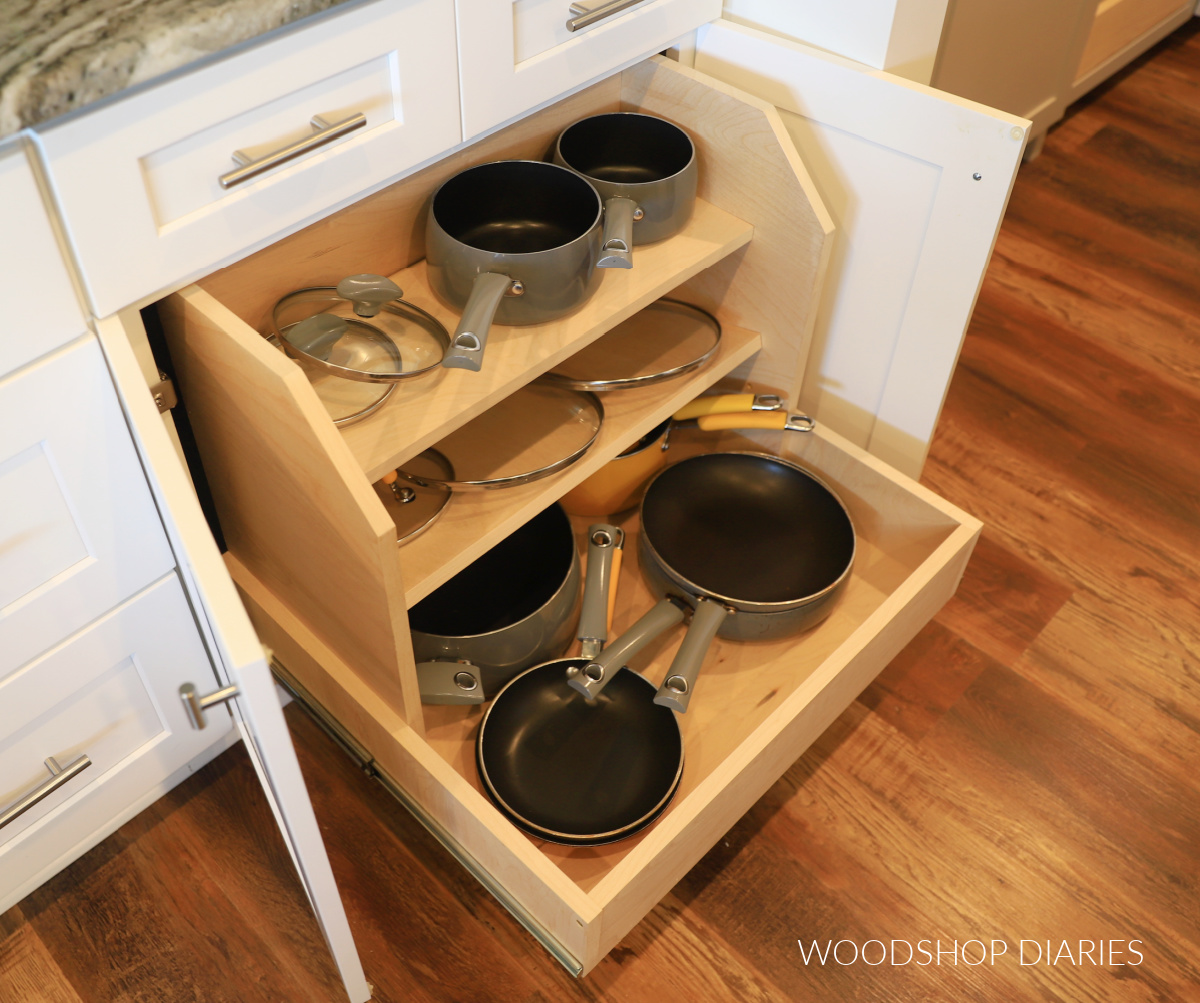
Credit: www.woodshopdiaries.com
Frequently Asked Questions
How To Maximize Cabinet Space For Pots And Pans?
Maximize cabinet space by using stackable organizers and adjustable shelves. Consider hanging pots on hooks inside cabinet doors. Use tension rods to create dividers for lids. Opt for a pull-out drawer system for easy access. These solutions ensure efficient use of space and keep your kitchen organized.
What Is The Best Way To Store Pot Lids?
Store pot lids using a lid organizer that fits in your cabinet. Consider mounting a lid rack inside the cabinet door. This keeps lids accessible and prevents clutter. Alternatively, use a tension rod to create a divider for lids. These methods save space and maintain order in your kitchen.
How Can I Prevent Pots From Scratching Each Other?
Prevent scratches by using pot protectors or felt pads between stacked pots. Alternatively, store pots separately using pan racks or dividers. Hanging pots from hooks can also avoid scratches. These methods ensure your pots remain in good condition and extend their lifespan.
Can I Use Vertical Space In Cabinets Effectively?
Yes, utilize vertical space by installing tiered shelves or using stackable organizers. Hanging hooks on cabinet doors can also store lids or smaller pots. These solutions maximize your cabinet’s capacity, keeping your kitchen tidy and efficient. Vertical storage is key for small kitchens.
Conclusion
Organizing pots and pans makes cooking easier. A tidy kitchen feels welcoming. Start by sorting your cookware by size and type. Use racks or dividers for neat stacking. Label shelves for quick access. Consider using hooks for hanging. This saves space and adds convenience.
Regularly check and rearrange for optimal use. With these tips, your kitchen will be more efficient. Enjoy a clutter-free cooking space and find joy in meal preparation. Remember, a little organization goes a long way in creating a functional kitchen environment.