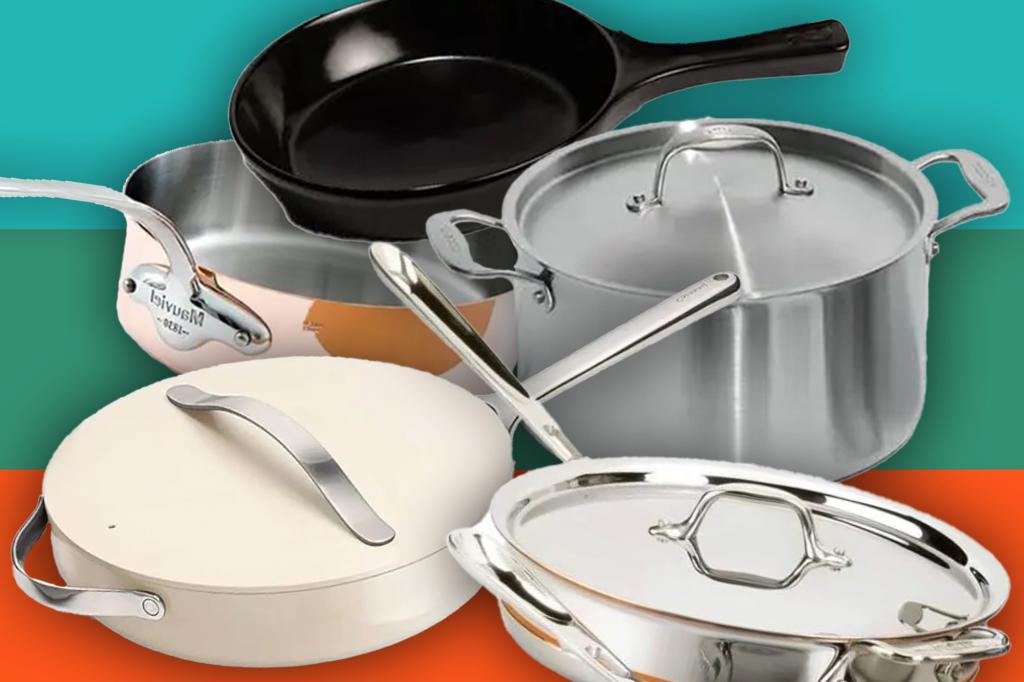
Are you concerned about what goes into your food? If so, you might want to start with the cookware you use every day.
It’s easy to overlook, but the pots and pans in your kitchen can make a big difference in your meal’s safety and healthiness. You deserve to know that what you’re using is the best option for your family. Imagine cooking without worry, knowing that your cookware is not leaching harmful substances into your food.
We’ll explore the safest types of cookware, so you can make informed choices and ensure that your meals are as healthy as possible. Keep reading to discover what’s best for your kitchen and your peace of mind.

Credit: www.facebook.com
Types Of Cookware Materials
Selecting the safest cookware involves considering materials like stainless steel, cast iron, and ceramic. These options offer minimal chemical leaching and are durable for everyday cooking. Prioritize quality over non-stick coatings to avoid harmful substances.
Cooking safely starts with choosing the right cookware material. Each type offers unique benefits and potential drawbacks. Understanding these can help make informed choices for your kitchen.Stainless Steel
Stainless steel is popular for its durability and resistance to rust. It’s non-reactive, so it won’t alter the taste of food. Many cooks enjoy its even heat distribution. This makes it ideal for cooking many dishes. Maintenance is simple, requiring just soap and water.Cast Iron
Cast iron is known for its excellent heat retention. It lasts a lifetime with proper care. Seasoning creates a natural non-stick surface. This improves the flavor of food. It’s perfect for searing meats and baking. Some find it heavy, but many appreciate its sturdiness.Ceramic
Ceramic cookware is praised for its non-stick properties. It’s free from harmful chemicals like PTFE and PFOA. This makes it a safe choice for health-conscious cooks. Ceramic is easy to clean and offers even heat distribution. It’s lightweight and often colorful.Non-stick
Non-stick pans are convenient for cooking delicate foods. They require less oil, promoting healthier meals. The coating prevents food from sticking, simplifying cleanup. Choose high-quality options to avoid chemical exposure. Regular replacement ensures safety and performance.Copper
Copper heats up quickly and evenly, providing precise temperature control. Many chefs love its responsiveness to heat changes. It’s often lined with stainless steel to prevent reactions with food. Regular polishing maintains its shine. Copper cookware is a beautiful addition to any kitchen.Health Risks Of Cookware
Choosing the right cookware can minimize health risks. Stainless steel and cast iron are often considered the safest options. They provide durability and do not leach harmful chemicals into food.
Cooking is an essential part of daily life, yet many people overlook the potential health risks associated with their cookware. It’s crucial to understand how materials used in pots, pans, and other cooking utensils can affect your health. This awareness can lead to better choices that safeguard your well-being while preparing meals.Chemical Leaching
Chemical leaching happens when substances from cookware seep into food during cooking. Some materials, like certain plastics or non-food grade metals, may release harmful chemicals. Consider opting for cookware made from stainless steel or glass, which are less likely to leach chemicals.Heavy Metals
Heavy metals such as lead and cadmium can be present in some cookware, particularly if they are cheaply produced or improperly coated. These metals can pose serious health risks if they enter your food. Prioritize cookware from reputable brands that disclose their manufacturing processes and safety standards to minimize your exposure.Non-stick Coating Hazards
Non-stick coatings are popular for their convenience, but they come with potential hazards. At high temperatures, these coatings can release toxic fumes. If you’ve ever noticed a strange smell from your non-stick pan, it could be a sign of these fumes. Consider alternatives like ceramic or cast iron, which offer non-stick properties without the risk. Choosing the right cookware is not just about ease of cleaning or cooking efficiency; it’s about making informed choices for your health. Have you ever thought about what your cookware might be contributing to your meals?Benefits Of Safe Cookware
Choosing the right cookware is more than just a matter of preference; it’s about ensuring the health and safety of your family. Safe cookware not only protects you from harmful chemicals but also enhances the overall cooking experience. Let’s delve into the benefits that safe cookware offers, making your culinary adventures both enjoyable and secure.
Durability
Investing in safe cookware means you’re getting pieces that stand the test of time. These pots and pans are typically made from materials like stainless steel or cast iron that resist wear and tear. You’ll find that they don’t chip or break easily, unlike cheaper alternatives. Imagine cooking your favorite meals for years without the hassle of replacing worn-out cookware. Isn’t that a worthwhile investment?
Heat Distribution
Ever noticed how your food cooks unevenly, with some parts overdone and others undercooked? Safe cookware, known for its superior heat distribution, can solve this problem. Materials like copper and stainless steel ensure your food is cooked evenly, enhancing its flavor and texture. You get perfectly cooked dishes every time, making your culinary skills shine. How much time and frustration could you save with cookware that distributes heat evenly?
Ease Of Cleaning
No one enjoys scrubbing pots and pans for hours. Safe cookware often comes with non-stick surfaces that make cleaning a breeze. Whether it’s a quick rinse or a gentle wipe, maintaining your cookware becomes effortless. This ease of cleaning saves time and energy, allowing you to focus on what truly matters—enjoying the meal. Have you ever wished for cookware that practically cleans itself?
Expert Recommendations
Expert opinions highlight stainless steel, cast iron, and ceramic as the safest choices for cooking. These materials offer durability and reduce chemical exposure. They provide a healthier cooking environment.
When choosing the safest cookware for your kitchen, expert recommendations can be incredibly helpful. Cooking is not just about the flavors you create, but also about the materials you use. The right choice can enhance your culinary experience while ensuring your family’s health and safety. Let’s dive into what the experts suggest to make an informed decision.Preferred Materials
Experts often emphasize materials like stainless steel, cast iron, and glass. Stainless steel is known for its durability and non-reactive nature, making it ideal for cooking acidic dishes. Cast iron, although heavy, offers excellent heat retention and can last a lifetime with proper care. Glass cookware is another safe option, as it doesn’t leach chemicals into your food, and is perfect for baking and microwave use.Usage Tips
Using your cookware correctly can prolong its life and ensure safety. Always preheat stainless steel pans before adding oil to prevent sticking. For cast iron, maintain its seasoning by applying a thin layer of oil after each use. Glass cookware should be handled with care to avoid thermal shock; never place hot glass directly on cold surfaces.Long-term Safety
Long-term safety is crucial when it comes to cookware. Regularly inspect your pots and pans for signs of wear and tear. Scratches or chips in non-stick coatings can lead to harmful chemical exposure. Investing in high-quality cookware from the start can save you money and health concerns in the long run. Remember, the safest cookware should make your cooking experience both enjoyable and worry-free.Environmental Impact
Choosing cookware that minimizes environmental impact is essential. Stainless steel, cast iron, and ceramic are among the safest options. These materials are durable, non-toxic, and promote healthier cooking practices.
Cooking with safe and environmentally friendly cookware not only benefits your health but also significantly reduces the ecological footprint of your kitchen. As consumers become more conscious of their choices, the demand for eco-friendly cookware has soared. But what does it truly mean for cookware to have a minimal environmental impact?Eco-friendly Options
When selecting cookware, consider materials that are kind to the environment. Cast iron and stainless steel are excellent choices due to their durability and recyclability. These materials often last a lifetime, minimizing waste and reducing the demand for new resources. Another option is glass cookware, which is non-toxic and fully recyclable. It doesn’t release harmful chemicals during manufacturing or use. Ceramic cookware, made from natural clay, is also a great eco-friendly option, offering a non-stick surface without harmful coatings.Sustainable Manufacturing
The manufacturing process of cookware can have a significant environmental impact. Opt for brands that prioritize sustainable practices. Look for certifications that indicate the use of renewable energy sources and minimal water consumption during production. Some companies invest in recycling programs, turning old cookware into new products. This reduces landfill waste and conserves raw materials. Supporting such brands can make a big difference in promoting sustainability in the industry. Choosing the right cookware involves more than just checking the label. It’s about making decisions that align with your values and contribute to a healthier planet. What changes can you make in your kitchen to support a greener future?
Credit: www.youtube.com
Choosing The Right Cookware
Choosing the right cookware is crucial for safe and healthy cooking. Different materials offer varying benefits and safety levels. Understanding these factors helps make informed decisions. Let’s explore key aspects to consider.
Budget Considerations
Investing in cookware can range from affordable to high-end. Consider your budget carefully. Stainless steel is durable and cost-effective. Cast iron offers long-term value but may be pricier. Compare options and find balance between cost and quality.
Cooking Needs
Assess your cooking habits. Non-stick pans suit light cooking. They are easy to clean but require careful use. For high-heat cooking, stainless steel or cast iron is ideal. Each material suits different cooking styles and techniques.
Maintenance
Maintenance impacts longevity and safety. Stainless steel requires regular cleaning but resists rust. Cast iron needs seasoning but lasts for decades. Non-stick requires gentle handling to prevent damage. Choose cookware that fits your lifestyle and maintenance abilities.

Credit: mimisorganiceats.com
Frequently Asked Questions
What Materials Are Safest For Cooking?
Stainless steel, cast iron, and ceramic are safe cookware materials. They don’t leach harmful chemicals into food. Stainless steel is durable and resistant to corrosion. Cast iron provides excellent heat retention. Ceramic is non-stick and easy to clean. These materials ensure healthier cooking experiences.
Is Non-stick Cookware Safe To Use?
Non-stick cookware is generally safe when used correctly. Avoid overheating to prevent releasing harmful fumes. Use utensils that won’t scratch the surface. Ensure proper care and maintenance to extend its lifespan. Opt for high-quality non-stick pans with robust coatings. Follow manufacturer instructions for safest usage.
How Does Cast Iron Benefit Cooking?
Cast iron offers superior heat retention and even cooking. It’s excellent for searing meats and slow-cooked dishes. It adds iron nutrients to food, beneficial for health. Seasoned cast iron creates a natural non-stick surface. Regular maintenance ensures durability and enhances cooking performance.
Are Aluminum Pans Safe For Cooking?
Aluminum pans are safe when anodized or clad. Anodizing prevents leaching and improves durability. It provides excellent heat conductivity, cooking food evenly. Avoid using scratched or damaged pans. Choose high-quality aluminum cookware for safe, efficient cooking. Regularly inspect and replace pans as needed.
Conclusion
Choosing safe cookware matters for your health and meals. Options like stainless steel and cast iron offer durability. Ceramic and glass are also good for non-toxic cooking. Always consider the materials and coatings. Avoid cookware with harmful chemicals. Prioritize your safety and the quality of your food.
Regularly inspect your cookware for wear and tear. Proper care extends the life of your pots and pans. Making informed choices leads to better cooking experiences. Remember, the right cookware keeps your kitchen safe and healthy. So, choose wisely and cook with peace of mind.