Are you tired of scrubbing stubborn food residue off your pans after every meal? If so, you’re not alone.
Choosing the right non-stick cookware can make cooking a breeze and cleaning up a snap. But with so many options out there, how do you know which material is best for your kitchen? We’ll uncover the secrets behind the most popular non-stick cookware materials, helping you make an informed decision that suits your cooking style and needs.
Whether you’re a seasoned chef or a home-cooking enthusiast, discovering the perfect cookware can elevate your culinary experience, making it more enjoyable and efficient. So, are you ready to find out which non-stick cookware material is truly the best for you? Read on to get the inside scoop!
Non-stick Cookware Materials
The world of non-stick cookware is vast and varied, offering something for everyone who loves to cook. Whether you’re flipping pancakes or sautéing vegetables, choosing the right material can make all the difference in your cooking experience. With so many options available, it’s essential to understand the benefits and drawbacks of each type of non-stick material. Let’s dive into the most popular materials that are keeping kitchens around the globe sizzling with excitement.
Traditional Non-stick Coatings
These coatings, often made from Teflon, have been a kitchen staple for decades. Their slick surface makes cooking and cleaning a breeze. However, high temperatures can degrade the coating over time, releasing fumes. If you’ve ever been frustrated by food sticking to your pan, this might be your go-to option.
Ceramic Options
Ceramic cookware offers a natural alternative to traditional coatings. It’s free from synthetic chemicals and known for its heat resistance. While ceramic is durable, it can be prone to chipping. If you’re mindful of using non-toxic materials, ceramic might be appealing to you.
Hard-anodized Aluminum
This material is celebrated for its durability and even heat distribution. Hard-anodized aluminum is non-reactive, making it ideal for acidic foods. It can withstand the rigors of daily cooking, but consider the weight if you prefer lighter cookware. Could this be the robust partner your kitchen needs?
Stainless Steel With Non-stick Coating
Combining the strength of stainless steel with a non-stick layer, these pans offer durability and ease of use. They’re perfect for browning and deglazing. Stainless steel is a classic choice for many chefs, but ensure the coating is high-quality to prevent peeling. Is this combination the best of both worlds for you?
Cast Iron With Enamel Coating
Enamel-coated cast iron brings the heat retention of cast iron without the seasoning hassle. It’s perfect for slow cooking and even heating. The weight can be a consideration, but the longevity and flavor enhancement might outweigh this. Could this be the secret to those perfectly cooked meals?

Credit: www.tasteofhome.com
Factors To Consider
Durability and heat distribution are key when choosing non-stick cookware material. Consider ease of cleaning and compatibility with kitchen tools. Safety and price also influence the best choice for your needs.
Choosing the right non-stick cookware can transform your cooking experience from frustrating to enjoyable. But with countless options available, how do you decide which material is best for you? Several factors come into play when making this decision, each influencing the efficiency, safety, and cost of your cookware. Let’s dive into these crucial factors.Durability
Durability should be at the top of your list. You want cookware that withstands the test of time without warping or losing its non-stick properties. Materials like hard-anodized aluminum and ceramic are known for their robust nature. Think about the years of use you expect—wouldn’t it be nice to invest once and enjoy for a long time?Heat Conductivity
Efficient heat conductivity ensures your food cooks evenly. Copper and aluminum are excellent conductors of heat, making them ideal for achieving that perfect sear or even baking. Consider what types of dishes you often prepare. Does your cookware distribute heat evenly, or do you find yourself constantly adjusting burner levels?Ease Of Cleaning
Cleaning up after a meal shouldn’t feel like a chore. The best non-stick materials are those that require minimal effort to clean, saving you time and hassle. Look for cookware with smooth surfaces that resist food sticking. Have you ever spent too long scrubbing a pan? The right choice can make all the difference.Safety Concerns
Safety is paramount in any kitchen. Ensure your cookware is free from harmful chemicals like PFOA and PTFE. Opting for safer materials, such as ceramic or stainless steel, can give you peace of mind. Is your current cookware safe for you and your family?Cost Effectiveness
Balancing quality and cost is crucial. While high-end materials might offer superior features, budget-friendly options can still provide satisfactory performance. Evaluate your budget and cooking needs—does spending more guarantee better results, or can you achieve similar outcomes with less expensive options? When selecting non-stick cookware, consider your unique cooking habits and preferences. With these factors in mind, you can make a choice that enhances your culinary adventures without compromising on quality or safety.Top Picks For Non-stick Cookware
Choosing the best non-stick cookware material is essential for easy cooking and cleaning. Options like Teflon, ceramic, and anodized aluminum offer great non-stick surfaces. Each material has unique benefits, ensuring a smooth cooking experience.
When selecting the best non-stick cookware, you might feel overwhelmed by the options available. Whether you’re a beginner in the kitchen or a seasoned chef, choosing the right material can make all the difference in your cooking experience. From affordability to eco-friendly choices, there’s something for everyone. Let’s dive into the top picks for non-stick cookware that cater to various needs and preferences.Best For Everyday Cooking
For everyday cooking, Teflon-coated pans are a classic choice. They’re easy to clean and perfect for frying eggs or flipping pancakes. If you cook frequently, investing in a durable brand like Calphalon can be worthwhile. It’s known for its long-lasting non-stick surface that withstands daily use without losing its effectiveness.Best Budget Option
Looking for quality without breaking the bank? Consider ceramic non-stick pans. Brands like GreenLife offer affordable options that deliver excellent performance. They provide a good non-stick surface, and often come with ergonomic handles for comfortable cooking. Plus, they’re generally dishwasher safe, saving you time on cleanup.Best For Professional Use
Professional chefs often opt for hard-anodized cookware. These pans distribute heat evenly and are highly resistant to scratches and wear. Brands like All-Clad are favored for their robust construction and superior cooking performance. If you aim to refine your cooking techniques, investing in professional-grade cookware can elevate your culinary skills.Most Eco-friendly Choice
If sustainability is your priority, look into cookware with a ceramic coating. Brands such as Bialetti utilize eco-friendly materials free of harmful chemicals like PFOA and PFAS. These pans offer a non-toxic cooking surface and are typically crafted from recyclable materials. Choosing eco-friendly cookware contributes to a healthier planet while enhancing your kitchen experience.Best Multi-purpose Cookware
Versatility is key for many home cooks. Cast iron with a natural non-stick surface is an excellent choice. It’s perfect for searing, baking, and even grilling. Although it requires proper maintenance, the ability to transition from stovetop to oven makes it a favorite for one-pot meals. If you enjoy experimenting with different recipes, multi-purpose cookware like cast iron can be a valuable addition to your kitchen. What do you prioritize when selecting your cookware? Whether it’s durability, price, or sustainability, these top picks offer a variety of benefits to suit your needs.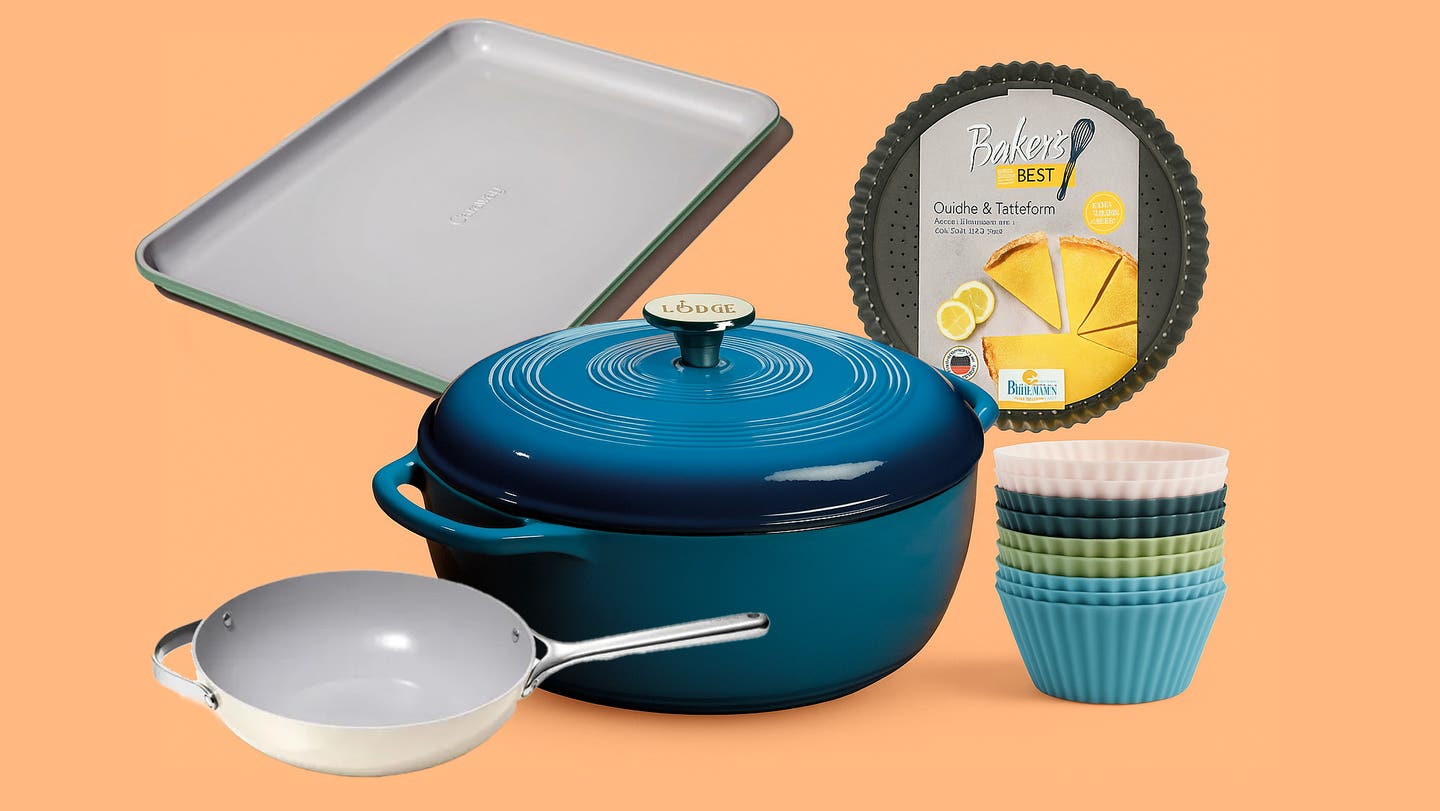
Credit: www.forksoverknives.com
Maintenance Tips
Choosing ceramic as the best non-stick cookware material ensures easy cleaning and heat distribution. Maintain by avoiding metal utensils and washing with mild soap to prolong its life. Regular care keeps the non-stick surface smooth and effective.
Maintaining your non-stick cookware ensures its longevity and keeps it performing at its best. A little bit of care can go a long way in preserving the non-stick surface, enhancing your cooking experience, and ensuring safety. Let’s dive into some practical maintenance tips to keep your non-stick pans in top shape.Proper Cleaning Methods
When cleaning your non-stick cookware, gentle is the way to go. Use a soft sponge or cloth with mild dish soap to avoid scratching the surface. Avoid abrasive cleaners or scouring pads, as these can damage the non-stick coating. If food is stuck, soak the pan in warm, soapy water for a while. This will loosen any residue without the need for forceful scrubbing. Remember, your non-stick cookware deserves a little TLC for a long-lasting partnership in the kitchen.Storage Recommendations
How you store your non-stick cookware can impact its lifespan. Stack them carefully with a soft cloth or paper towel between each piece to prevent scratches. Alternatively, hang your pans to avoid contact with other utensils. Consider a storage solution that allows airflow, preventing moisture buildup which can lead to rust. A well-organized kitchen not only looks great but also helps preserve your cookware.Avoiding Common Mistakes
It’s easy to make a few missteps with non-stick cookware. Never use metal utensils as they can scratch the surface—opt for silicone or wooden tools instead. Also, avoid cooking on high heat; non-stick surfaces perform best on medium to low heat. Think about how often you preheat your pans empty. This can damage the coating. Always add a little oil or butter before turning on the heat. By sidestepping these common pitfalls, you can prolong the life and quality of your cookware. What maintenance habits do you follow to keep your non-stick cookware in pristine condition? Share your tips and experiences in the comments!Faqs On Non-stick Cookware
Choosing the best non-stick cookware material can be confusing. Many people have questions about how long these pans last, how they work with induction cooktops, and if they handle high temperatures well. Let’s answer some common queries about non-stick cookware.
Longevity Of Non-stick Cookware
Non-stick cookware usually lasts between two to five years. Proper care can extend their lifespan. Use wooden or silicone utensils to avoid scratches. Hand wash them gently to keep the coating intact. Avoid stacking them to prevent damage.
Compatibility With Induction Cooktops
Not all non-stick cookware works on induction cooktops. Induction cooktops need cookware with a magnetic base. Check for an induction-compatible symbol on the cookware. Stainless steel bases often work well with induction cooktops.
Handling High-temperature Cooking
Non-stick cookware is not ideal for high-temperature cooking. High heat can damage the non-stick coating. Use low to medium heat for cooking. Avoid preheating empty non-stick pans. This prevents overheating and extends the pan’s life.

Credit: www.beka-cookware.com
Frequently Asked Questions
What Is The Safest Non-stick Cookware Material?
The safest non-stick cookware materials are ceramic and hard-anodized aluminum. Ceramic is free from PTFE and PFOA. Hard-anodized aluminum is durable and resistant to scratches. Both materials offer safe cooking options. They are ideal for health-conscious individuals. Ensure to follow manufacturer guidelines for best results.
Is Ceramic Better Than Teflon For Non-stick?
Ceramic is often considered safer than Teflon. It is free from harmful chemicals like PTFE and PFOA. Ceramic offers excellent non-stick properties. Teflon can release toxic fumes at high temperatures. Ceramic is eco-friendly and suitable for low to medium heat.
How Long Does Non-stick Cookware Last?
The lifespan of non-stick cookware is typically 3 to 5 years. The longevity depends on usage and maintenance. High-quality materials may last longer. Avoid metal utensils to prevent scratches. Regularly check for wear and replace if necessary.
Why Choose Stainless Steel Non-stick Cookware?
Stainless steel non-stick cookware offers durability and even heat distribution. It is resistant to rust and corrosion. Some stainless steel options come with a non-stick coating. They are ideal for browning and searing. Stainless steel is suitable for various cooking methods.
Conclusion
Choosing the right non-stick cookware material matters. Each option has its benefits. Ceramic offers a natural non-stick surface. It’s a safe choice for many. Teflon provides ease in cooking and cleaning. But it may not be suitable for high heat.
Anodized aluminum stands strong, durable, and resistant. Consider your cooking style and needs. Prioritize health and safety. Check for heat compatibility. Think about maintenance and longevity. Making informed choices leads to better cooking experiences. Enjoy tasty meals with the right cookware.
Your kitchen, your rules. Happy cooking!