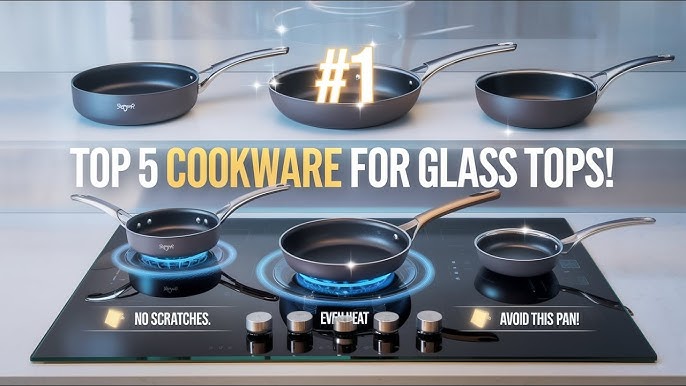
Are you tired of dealing with scratches and inefficiencies every time you cook on your glass top stove? Finding the right cookware can be a game-changer for your cooking experience and the longevity of your stove.
Imagine whipping up your favorite dishes with ease, knowing your cookware is perfectly suited for your glass top. Choosing the best cookware isn’t just about aesthetics; it’s about enhancing your cooking performance and protecting your investment. You’ll discover the secrets to selecting cookware that combines style, functionality, and compatibility with your glass top stove.
Get ready to transform your kitchen routine and enjoy cooking like never before. Let’s dive in!
Importance Of Choosing The Right Cookware
Choosing suitable cookware for glass top stoves ensures safe and efficient cooking. Smooth-bottomed pots and pans are ideal, preventing scratches and ensuring even heat distribution. Quality cookware enhances your cooking experience and protects your stove’s surface.
Choosing the right cookware for glass top stoves is crucial. It ensures efficient cooking and protects your stove. Glass top stoves require specific cookware for optimal performance. This choice affects heat distribution and safety. Incorrect cookware can damage the stove surface. It may also lead to uneven cooking results. Selecting proper cookware enhances your cooking experience. It also prolongs the lifespan of your stove. The material of your cookware impacts cooking efficiency. Stainless steel is a popular choice. It offers durability and even heat distribution. Aluminum cookware is lightweight and conducts heat well. Cast iron is heavy and retains heat but requires careful handling. Ensure the cookware has a smooth base to prevent scratches.Weight Considerations
Heavy cookware can damage glass tops. Light to medium-weight options are ideal. Balance is key for safety and performance. Choose cookware that is easy to lift and maneuver. Heavy pans are harder to control and may slip. Proper weight ensures stability and safety.Flat Bottom Importance
Cookware with a flat bottom is essential. It ensures maximum contact with the stove surface. This leads to uniform heat distribution. Avoid warped or rounded bases. They can cause uneven cooking and damage the glass. A flat bottom provides stability and efficiency.Size Compatibility
Choose cookware that fits your stove burners. Oversized pans can lead to heat loss. Undersized pans may cause inefficient cooking. Ensure the cookware size matches the burner dimensions. Proper sizing improves energy usage and cooking results. It also prevents spills and messes.Non-stick Benefits
Non-stick cookware offers easy cleaning. It reduces the need for excessive oil. This is ideal for health-conscious cooking. Ensure the non-stick coating is safe and durable. It should withstand high temperatures without damage. Non-stick surfaces simplify food release and cleanup.Characteristics Of Glass Top Stoves
Glass top stoves are popular in modern kitchens for their sleek appearance. They offer a smooth surface that blends seamlessly with countertops. Understanding their characteristics helps in selecting the best cookware.
Design Features
Glass top stoves have a flat, ceramic glass surface. This design provides a stylish look and easy cleaning. The smooth surface prevents food from getting trapped. The aesthetic appeal complements various kitchen styles.
These stoves feature touch controls, adding to the modern feel. The controls are often digital, allowing precise temperature adjustments. This design ensures efficient cooking and energy-saving benefits.
Heat Distribution
Heat distribution on glass top stoves is vital for cooking performance. They use electric or induction heating elements below the glass. This setup ensures even heat spread across the surface.
Proper cookware helps maintain even heat distribution. Flat-bottomed pots and pans work best, ensuring full contact with the surface. This enhances cooking efficiency and prevents hotspots.
Efficient heat distribution leads to faster cooking times. It also reduces energy consumption, making it environmentally friendly. Choosing the right cookware maximizes these benefits.
Material Matters
Selecting the ideal cookware for glass top stoves is crucial. Opt for flat-bottomed pots and pans. Stainless steel, titanium, and aluminum work best, ensuring even heat distribution. Avoid cast iron or stoneware, as they can scratch the surface. Always lift cookware to prevent damage.
When choosing cookware for glass top stoves, the material is a crucial factor. The right material ensures efficient cooking, prevents damage to your stove, and enhances your culinary experience. Let’s dive into various materials and explore their compatibility with glass top stoves.Stainless Steel
Stainless steel is a popular choice for many home cooks. It’s durable, resistant to scratches, and easy to clean. However, it’s important to ensure that it has a flat base to prevent scratches on your glass top stove. Stainless steel often features an aluminum or copper core, which improves heat distribution. This combination ensures that your food cooks evenly. Next time you sear a steak, notice how well stainless steel maintains its heat, giving you that perfect crust.Aluminum
Aluminum is known for its excellent heat conductivity. It’s lightweight, making it easy to handle, especially when cooking multiple dishes. However, plain aluminum can leave marks on your glass top stove, so opt for anodized aluminum, which is less reactive and more durable. Anodized aluminum cookware often comes with a non-stick coating, which is great for easy food release and cleaning. Imagine making a delicate omelet without it sticking—aluminum makes that possible.Copper
Copper cookware is loved for its superior heat conductivity. It heats up quickly and cools down just as fast, giving you precise temperature control. However, copper needs to be lined with another material, such as stainless steel, to prevent reactions with food. Copper’s aesthetic appeal is undeniable, adding a touch of elegance to your kitchen. Yet, its maintenance can be demanding. Are you willing to polish it regularly to keep it gleaming?Cast Iron
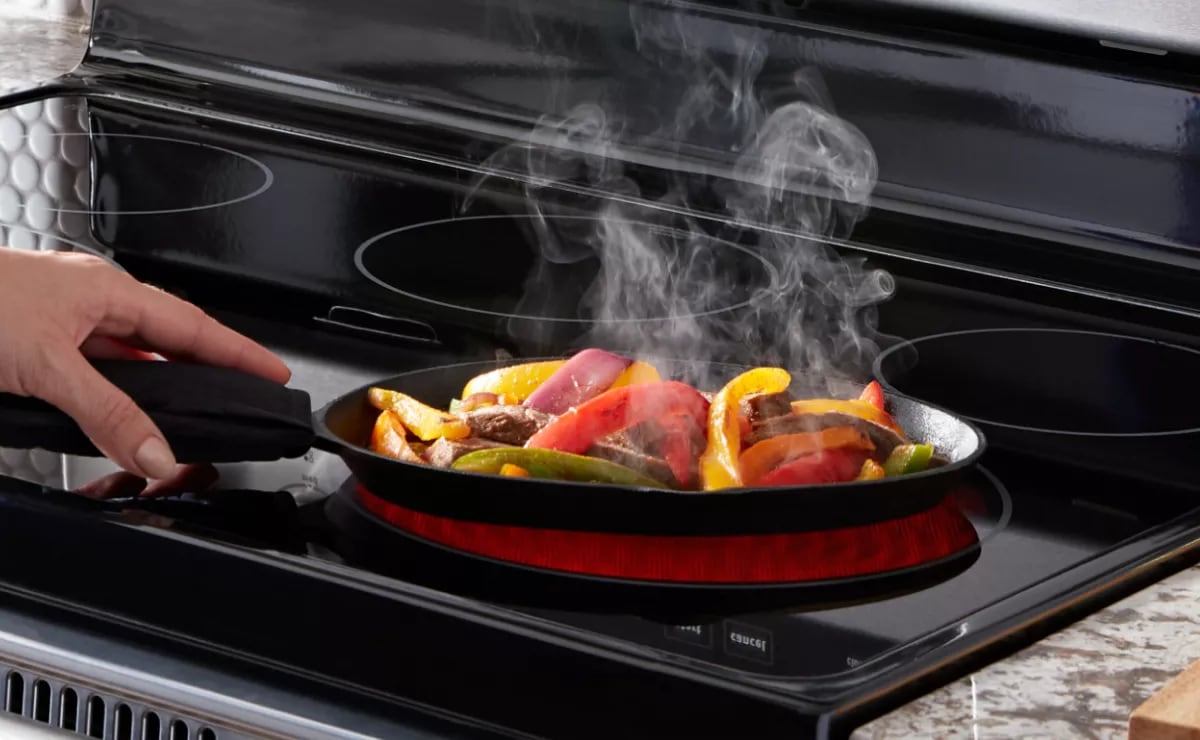
Cast iron is celebrated for its durability and heat retention. It’s ideal for slow cooking and dishes that require steady heat. However, its weight can be a concern for glass top stoves, as it may cause scratches or cracks. Using enameled cast iron is a safer bet, as it has a smoother surface. Have you tried making a stew in a cast iron Dutch oven? The flavors meld beautifully, but remember to lift it gently to protect your stove. Choosing the right cookware material is not just about cooking efficiency; it’s also about preserving your stove’s condition. Consider your cooking style and maintenance preferences when making your choice. What material will best suit your needs in the kitchen?:max_bytes(150000):strip_icc()/faw-stainless-steel-cookware-sets-primary-badge-nsimpson-132_preview-b5e4c5199196447fbc512c817c1baa74.jpg)
Credit: www.foodandwine.com
Cookware Features To Consider
Choosing the right cookware for your glass top stove isn’t just about aesthetics; it’s about functionality, safety, and efficiency. The smooth surface of a glass top stove demands specific features in your pots and pans to ensure even cooking and to avoid any potential damage. Here, we’ll explore some crucial cookware features to consider, ensuring you make the best choice for your culinary adventures.
Flat Bottoms
Flat bottoms are essential for cookware used on glass top stoves. A flat base ensures maximum contact with the cooking surface, promoting even heat distribution and efficient cooking.
Imagine trying to fry an egg in a pan with a warped bottom—uneven cooking and frustration are likely results. Ensure your pans have a perfectly flat base to avoid these issues.
Test your current cookware by placing it on a flat surface and checking for any gaps. A simple check can save you from uneven heating woes.
Weight Considerations
Weight is another critical factor when selecting cookware for glass top stoves. Heavier cookware often provides better stability and heat retention, but it can be a double-edged sword.
If a pot is too heavy, you might accidentally scratch or crack the glass when placing it down. Aim for a balance—pots should be heavy enough to prevent warping but light enough to handle easily.
Consider your comfort level with the weight, especially if you’re transferring hot contents frequently.
Non-stick Coatings
Non-stick coatings are a popular choice for easy cooking and cleaning. They can be particularly beneficial on glass top stoves to prevent burnt-on food residues.
However, not all non-stick coatings are created equal. Opt for high-quality, durable coatings that won’t degrade under high heat.
Check the manufacturer’s guidelines to ensure compatibility with glass top stoves, and remember to use cookware-friendly utensils to extend the life of the coating.
What features matter most to you when selecting cookware? Every kitchen is unique, and your priorities might differ based on your cooking style and habits. Let these considerations guide you to a more satisfying cooking experience on your glass top stove.
Top Cookware Recommendations
Choosing the right cookware for your glass top stove can make a world of difference in your cooking experience. Glass top stoves are sleek and stylish, but they require specific types of cookware to function optimally. The wrong pots and pans can lead to scratches and inefficient heat distribution. So, what should you look for when selecting cookware for your glass top stove? Let’s dive into some of the top recommendations that cater to various needs and budgets.
Best Overall Picks
For those seeking a balance of quality and price, stainless steel cookware is a fantastic choice. Its durable nature ensures it won’t easily scratch your stove’s surface. Additionally, stainless steel heats evenly, which is crucial for achieving perfect cooking results. Brands like All-Clad and Cuisinart offer sets that are highly praised by home cooks. Their multi-ply construction ensures even heat distribution, making them reliable for everyday cooking tasks.
Budget-friendly Options
If you’re watching your wallet, consider non-stick aluminum cookware. These are lightweight and affordable, making them ideal for beginners or occasional cooks. T-fal and Farberware provide excellent budget-friendly sets that are compatible with glass top stoves. Plus, the non-stick coating means you can cook with less oil, promoting healthier meals. Just be sure to use gentle utensils to avoid damaging the surface.
Premium Choices
For those willing to invest a bit more for superior quality, copper-based cookware is a top-tier option. Copper offers unparalleled heat conductivity, ensuring precise control over cooking temperatures. Brands like Mauviel and Calphalon deliver premium sets that are not only functional but also aesthetically pleasing. While these might require a higher initial investment, their longevity and performance often justify the cost. They are perfect for serious cooks looking to elevate their culinary game.
Have you ever wondered if the cookware you’re using is holding back your culinary potential? Evaluating your options and selecting the right set can transform your kitchen experience. Take a closer look at your cookware and decide if it’s time for an upgrade. Remember, the right tools can make cooking a joy rather than a chore.
Maintenance Tips For Glass Top Stoves
Glass top stoves offer a sleek and modern look in any kitchen. They require specific care to maintain their shine and functionality. Proper maintenance extends the stove’s life and enhances cooking efficiency. Knowing how to clean and protect it from scratches is vital.
Cleaning Techniques
Regular cleaning keeps your glass top stove in top condition. Always wait until the surface cools before cleaning. Use a soft cloth or sponge with mild dish soap and warm water. Avoid abrasive pads that could scratch the surface. For tough stains, use a gentle glass top cleaner. Rinse thoroughly with water and dry with a soft cloth to prevent streaks.
Avoiding Scratches
Scratches can damage the beauty of your stove. Use cookware with smooth, flat bottoms. Avoid dragging pots and pans across the surface. Lift them instead. Do not use metal utensils that might scratch the glass. Keep the surface free from crumbs and grit that can cause scratches. Regularly check cookware for rough edges and discard those that are worn.
Common Mistakes To Avoid
Choosing cookware for glass top stoves requires care. Heavy pots can crack the surface, so opt for lightweight options. Avoid rough-bottomed pans to prevent scratches, and select flat-bottomed cookware for even heat distribution.
When using a glass top stove, choosing the right cookware is crucial to ensure efficiency and safety. However, even with the best intentions, common mistakes can lead to less-than-ideal cooking results or even damage to your stove. Avoiding these pitfalls not only prolongs the life of your cookware but also ensures your meals are cooked to perfection.Using Uneven Cookware
One of the most frequent errors is using cookware with uneven bottoms. Glass top stoves require a flat surface to distribute heat evenly. Imagine trying to cook with a pan that wobbles—it’s frustrating and inefficient. Uneven cookware can cause hotspots, leading to overcooked or undercooked food. Ensure your pots and pans have flat, smooth bases to optimize heat distribution. Check your cookware regularly; even slight warping can affect cooking performance.Ignoring Weight Limits
Many overlook the importance of weight when selecting cookware for glass top stoves. These stoves are designed to support a specific weight range. Exceeding this can crack or damage the surface. For instance, cast iron pots are popular but can be too heavy, especially when full. Before using such heavy items, verify your stove’s weight capacity in the manual. Consider lighter alternatives like stainless steel or aluminum if weight is a concern. Have you ever wondered if your cookware is compatible with your glass stove? Keeping these tips in mind will not only prevent costly mistakes but also enhance your cooking experience. Prioritize compatibility to keep your kitchen running smoothly.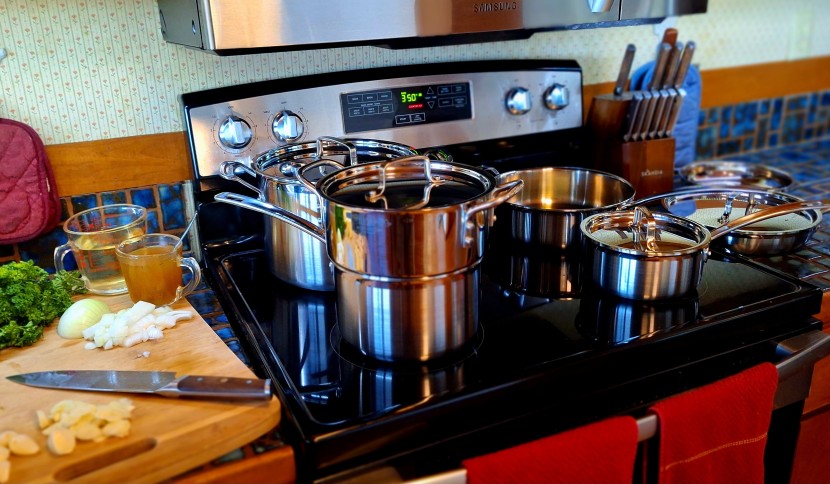
Credit: www.techgearlab.com
Credit: www.maytag.com
Frequently Asked Questions
What Types Of Cookware Are Best For Glass Top Stoves?
The best cookware for glass top stoves includes stainless steel, titanium, and heavy-duty aluminum. These materials ensure even heat distribution and prevent scratching. Avoid using cast iron or any cookware with rough surfaces, as they can damage the glass surface.
Can I Use Cast Iron On A Glass Top Stove?
Using cast iron on glass top stoves is not recommended. Cast iron is heavy and has a rough surface that can scratch or crack the glass. If you must use it, ensure the bottom is smooth and lift rather than drag it to avoid damage.
Are Ceramic Pots Safe For Glass Stoves?
Yes, ceramic pots are generally safe for glass stoves. They offer a smooth surface that won’t scratch the glass. Ensure the base is flat for even heating. However, always handle with care to avoid any accidental damage.
How Does Induction Cookware Work On Glass Tops?
Induction cookware works through electromagnetic fields, which directly heat the pot. For glass top stoves, ensure your induction cookware has a flat, smooth base. This ensures the best contact with the stove surface and prevents scratches or other damage.
Conclusion
Choosing cookware for glass top stoves doesn’t have to be difficult. Focus on flat, smooth bottoms. Stainless steel is a reliable choice. Cast iron works well if porcelain-coated. Avoid aluminum unless it has a non-stick coating. Check compatibility for induction cooktops.
Proper care extends the life of both stove and cookware. Clean gently to avoid scratches. Use cookware with even weight distribution. Test cookware with a magnet to ensure suitability. Remember, the right choice keeps your glass top stove looking great.
Happy cooking with your chosen cookware!