
When you step into your kitchen, your goal is to prepare delicious meals that nourish your body and delight your taste buds. But have you ever stopped to consider the safety of the cookware you use?
Choosing the safest cookware can protect you from harmful chemicals and ensure your meals are as healthy as possible. As you read on, you’ll discover which materials are best for your health and which options might be lurking with hidden dangers.
Equip yourself with the knowledge to make smart choices, so you can cook with confidence and peace of mind. Dive in to learn how you can transform your kitchen into a safe haven for cooking.
Types Of Cookware Materials
Choosing the safest cookware involves understanding different materials. Stainless steel, cast iron, and ceramic are top choices. They are free from harmful chemicals, ensuring healthy cooking.
Understanding the safest cookware materials is essential for healthy cooking. Different materials offer unique benefits and potential risks. Knowing these can help you make informed choices for your kitchen.Stainless Steel
Stainless steel is popular for its durability and non-reactive nature. It doesn’t leach chemicals into food. This makes it a safe option for cooking. It also withstands high heat and is resistant to rust and corrosion. Many chefs prefer it for its even heat distribution. However, stainless steel is not nonstick. Use a bit of oil or water to prevent sticking.Cast Iron
Cast iron is known for its excellent heat retention. It adds a small amount of iron to your food, which can be beneficial. Cast iron cookware is long-lasting and versatile. It can be used on the stove or in the oven. Seasoning the pan helps create a nonstick surface. This requires regular maintenance, though. Be mindful of its weight, as it can be heavy to handle.Copper
Copper cookware offers superior heat conductivity. It heats up quickly and evenly. This allows precise temperature control. Copper is often lined with stainless steel or tin to prevent chemical reactions with food. Unlined copper can leach into acidic foods. Regular polishing is needed to maintain its appearance and performance.Nonstick
Nonstick cookware is ideal for low-fat cooking. Food releases easily, reducing the need for oil. It’s lightweight and easy to clean. However, some nonstick coatings can release harmful fumes at high temperatures. Look for PFOA-free and PTFE-free options for safer use. Avoid using metal utensils that can scratch the surface.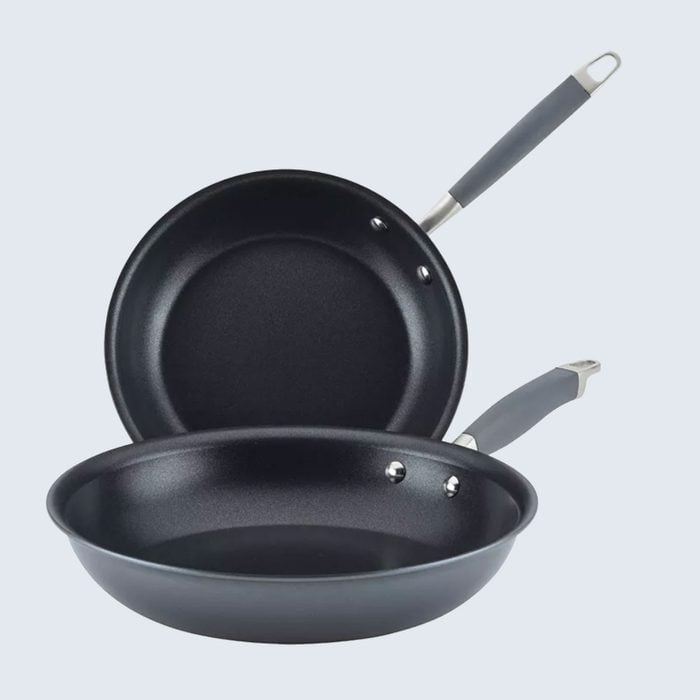
Credit: www.rd.com
Health Implications
Choosing the right cookware impacts health significantly. Options like stainless steel and cast iron are safe choices. These materials minimize the risk of harmful chemicals leaching into food during cooking.
Cooking is an essential part of our daily lives. Choosing the right cookware can impact our health. Some materials might release harmful substances. Others may cause allergic reactions. Let’s explore these health implications in detail.Toxicity Concerns
Certain cookware materials can pose toxicity risks. Non-stick pans with Teflon may release chemicals when overheated. These chemicals can affect our respiratory health. Aluminum cookware can leach metals into food. This can lead to health problems over time. Ceramic and glass are safer options. They don’t release harmful substances. Stainless steel is also a good choice. It’s durable and less likely to react with food.Allergy Considerations
Some cookware materials can cause allergic reactions. Nickel is a common allergen found in stainless steel. Those with nickel allergies should avoid it. Cast iron pans can help. They are nickel-free and add iron to food. Copper cookware can also cause allergies. It’s best to use cookware with a safe lining. Ensure your cookware suits your health needs. Choose wisely to prevent allergic reactions.Environmental Impact
Choosing the safest cookware reduces environmental harm and health risks. Opt for stainless steel, cast iron, or glass. These materials are free from harmful chemicals and last longer, minimizing waste.
The environmental impact of cookware is an often-overlooked aspect of kitchen choices. However, it plays a significant role in sustainable living. The materials and processes involved in making cookware can leave a considerable carbon footprint, affecting the planet’s health.Sustainability Factors
When considering the sustainability of cookware, think about the lifecycle of the materials used. Products made from recycled or renewable resources are generally more sustainable. Stainless steel and cast iron, for instance, are known for their durability and recyclability, making them excellent long-term options. Does your cookware have a non-stick coating? These coatings can release harmful chemicals over time, impacting both your health and the environment. Opt for ceramic or seasoned cast iron alternatives that do not require synthetic coatings.Eco-friendly Alternatives
Ceramic cookware is a top choice for eco-conscious cooks. It’s made from natural materials and free from toxic chemicals often found in other non-stick options. Plus, it offers even heat distribution, which can improve your cooking results. Another green option is glass cookware. It’s non-toxic, recyclable, and doesn’t leach harmful substances into your food. Glass is perfect for baking and storing food, reducing the need for single-use containers. Consider how you dispose of old cookware. Can it be recycled, or could you donate it? Engaging in responsible disposal not only benefits the environment but also keeps your kitchen clutter-free.
Credit: zyliss.co.uk
Durability And Maintenance
When choosing cookware, durability and maintenance are crucial aspects that can impact your kitchen experience. You want something that lasts, while also being easy to clean and maintain. This balance ensures that your investment in cookware pays off in the long run, saving you time and money.
Longevity
Longevity in cookware is about more than just sturdy materials; it’s about how well the cookware stands up to regular use. Cast iron and stainless steel are excellent choices if you want something that can withstand the test of time. These materials don’t just endure; they improve with age. Imagine passing down your cast iron skillet to your children, as it becomes a family heirloom. This is the kind of durability that makes cooking a pleasure rather than a chore.
Some cookware can even be rejuvenated with a bit of maintenance, extending its life further. Stainless steel is resistant to rust and staining, making it a reliable option. What’s in your kitchen that you can count on year after year?
Ease Of Cleaning
Ease of cleaning is a game-changer for busy kitchens. Non-stick pans are known for their easy-to-clean surfaces, reducing the need for scrubbing. However, their coating can wear off over time, so it’s vital to follow manufacturer guidelines to preserve their lifespan. On the other hand, stainless steel might require a bit more effort to clean but rewards you with unmatched resilience.
Cast iron demands regular seasoning but offers a natural non-stick surface when properly maintained. The real question is, do you prefer something that requires minimal effort or are you willing to invest a bit more time for lasting results?
Having cookware that is easy to clean can significantly reduce your kitchen stress, allowing you to focus more on creating delicious dishes. What will you choose to make your cooking experience smoother?
Performance And Cooking Quality
Choosing the safest cookware involves more than just materials. Performance and cooking quality play crucial roles. High-quality cookware should heat evenly, offer versatility, and enhance your cooking experience. Let’s explore these aspects to find cookware that fits your needs.
Heat Distribution
Good cookware must distribute heat evenly. Uneven heat leads to hotspots and uneven cooking. Cast iron and stainless steel excel in this area. They spread heat across the entire surface, ensuring consistent cooking. Non-stick pans often provide even heat too. But they might not last as long as other options. Consider your cooking habits when choosing your cookware for the best results.
Cooking Versatility
Versatile cookware adapts to various cooking methods. You should be able to fry, bake, or sauté with ease. Stainless steel pans are incredibly versatile. They handle high heat and move from stovetop to oven effortlessly. Ceramic and cast iron also offer great flexibility. Each piece of cookware serves different purposes. Choose pieces that suit your cooking style and needs.

Credit: www.facebook.com
Expert Recommendations
Choosing the safest cookware is essential for healthy cooking. Experts offer valuable recommendations for selecting non-toxic options. They focus on material safety, durability, and ease of cleaning. By following their advice, you can make informed choices for your kitchen.
Safety Tips
Always check the material used in cookware. Opt for stainless steel, cast iron, or glass. Avoid non-stick pans with harmful chemicals like PFOA. Ensure proper maintenance by avoiding metal utensils on non-stick surfaces. Regularly inspect cookware for wear and tear. Replace damaged or scratched items promptly.
Top Brands
Several brands prioritize safety and quality. Consider brands like All-Clad, known for its durable stainless steel options. Le Creuset offers high-quality enameled cast iron cookware. GreenPan provides ceramic non-stick pans free from toxic substances. These brands combine safety with performance, offering peace of mind for your cooking needs.
Frequently Asked Questions
What Is The Safest Material For Cookware?
Stainless steel is one of the safest materials for cookware. It is non-reactive, durable, and resistant to rust. This makes it a popular choice for many kitchens. Stainless steel does not leach harmful chemicals into food, ensuring safe cooking. Always choose high-quality stainless steel for the best results.
Is Ceramic Cookware Safe For Everyday Use?
Yes, ceramic cookware is safe for everyday use. It is free from harmful chemicals like PTFE and PFOA. Ceramic coatings provide a non-stick surface, making cooking and cleaning easier. Ensure the ceramic coating is lead-free to avoid health risks. Avoid using metal utensils to prolong the coating’s lifespan.
Are Cast Iron Skillets Safe For Cooking?
Cast iron skillets are safe and highly durable for cooking. They provide even heat distribution and can last generations. Cooking with cast iron can add small amounts of iron to your food. Seasoning the skillet correctly ensures a natural non-stick surface.
Avoid cooking acidic foods to prevent flavor alterations.
Why Choose Glass Cookware For Baking?
Glass cookware is ideal for baking as it is non-reactive and free from harmful chemicals. It allows even heat distribution, ensuring well-cooked dishes. Glass is dishwasher safe and easy to clean. It is also transparent, making it easy to monitor food while baking.
Always handle with care to avoid breakage.
Conclusion
Choosing safe cookware ensures healthy cooking. Opt for stainless steel. It’s durable and resists scratching. Cast iron is another great choice. It adds iron to your meals. Ceramic cookware is non-toxic, but check for lead-free labels. Glass is safe but fragile.
Non-stick pans can release chemicals when overheated. Select wisely for your family’s health. Replace damaged cookware promptly. Invest in quality products. Use proper techniques to extend lifespan. Your kitchen can be both safe and efficient with smart choices. Keep researching and stay informed.
Happy cooking!