Have you ever found yourself frustrated by food sticking to your pans, making cooking and cleanup a hassle? Non-stick cookware promises to solve this common kitchen problem, but have you ever wondered what it’s actually made of?
Understanding the materials behind non-stick cookware can help you make smarter choices for your kitchen and even improve your cooking experience. Imagine effortlessly sliding a perfectly cooked omelet onto your plate or searing a juicy steak without worrying about residue.
These scenarios can become your everyday reality when you know what goes into creating non-stick surfaces. You’ll discover the secrets behind your favorite kitchen tools, learn why they work so well, and find out how they can enhance your culinary adventures. Keep reading to uncover the magic behind non-stick cookware and transform the way you cook.
Materials In Non-stick Cookware
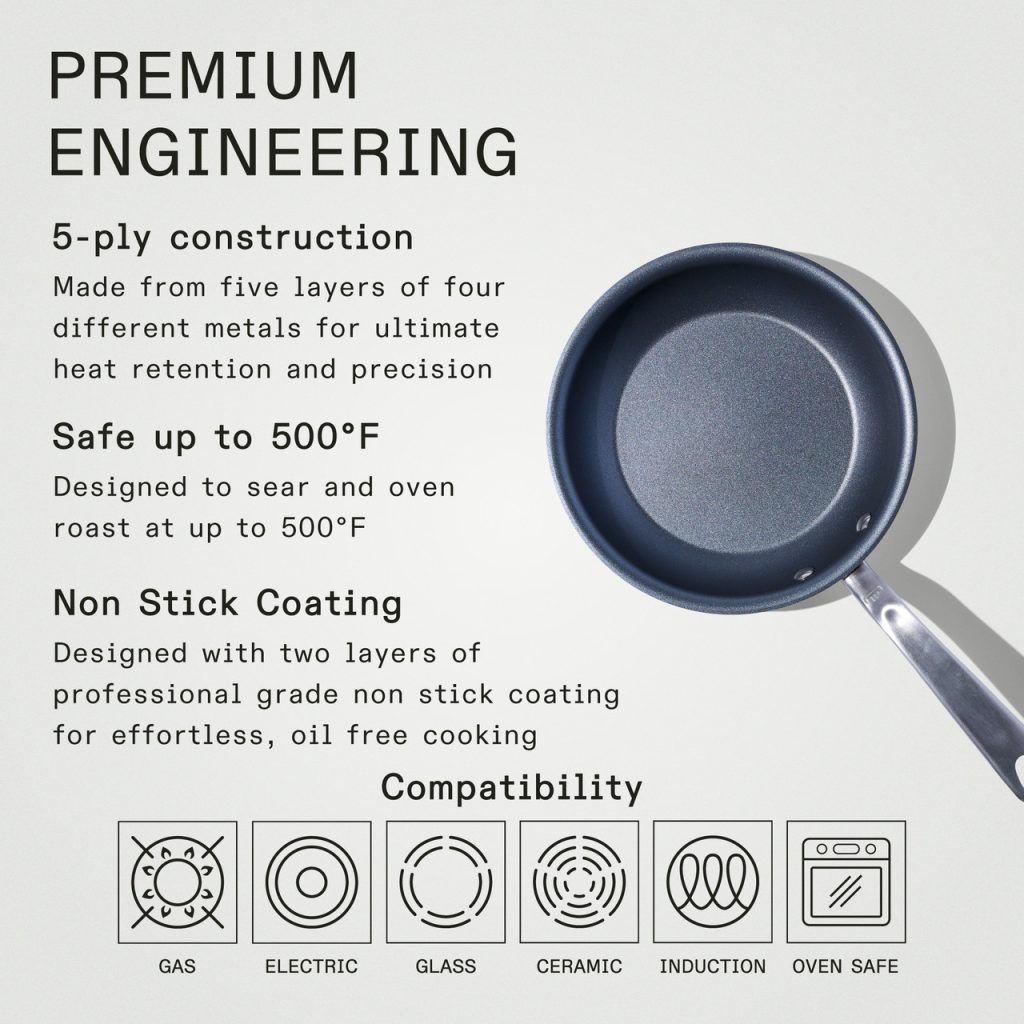
Non-stick cookware is crafted using materials like aluminum, ceramic, or stainless steel, often coated with PTFE or ceramic. These coatings ensure food doesn’t stick, providing ease in cooking and cleaning. Some options include eco-friendly, PFOA-free coatings for safer kitchen use.
The materials used in non-stick cookware play a crucial role in its performance and durability. Understanding these components can help you make informed choices when selecting cookware for your kitchen. Let’s dive into the core materials that make up non-stick cookware.Common Base Metals
Non-stick cookware often starts with a base metal that provides strength and stability. Aluminum is a popular choice due to its excellent heat conductivity and lightweight nature. This means your food heats evenly without creating hot spots. Stainless steel is another option, valued for its durability and resistance to rust. It might not conduct heat as well as aluminum, but it’s often used in multi-layered designs to combine benefits. Have you ever noticed how some pans feel heavier than others? That’s often due to the choice of base metal, impacting not just weight but cooking performance too.Non-stick Coating Composition
The magic of non-stick cookware lies in its coating, typically made from polytetrafluoroethylene (PTFE), known under the brand name Teflon. This coating ensures food slides off effortlessly, reducing the need for excessive oil or butter. In recent years, ceramic coatings have gained popularity as a PTFE-free alternative. These are made from silica, a component found in sand, providing a slick surface without synthetic chemicals. Have you ever wondered why some non-stick pans last longer than others? The secret often lies in the quality and layers of the coating. More layers can mean a more durable, long-lasting product.
Credit: www.facebook.com
The Role Of Teflon
Non-stick cookware has become a staple in kitchens worldwide, primarily due to the role of Teflon in its composition. This remarkable material has revolutionized the way we cook, offering ease and convenience that traditional cookware often lacks. But what exactly is Teflon, and why is it so integral to non-stick cookware?
History Of Teflon
Teflon’s journey began in 1938 when Dr. Roy Plunkett accidentally discovered it while experimenting with refrigerants. Little did he know, this discovery would lead to a cooking revolution. Since its introduction in the kitchen, Teflon has made cooking a less daunting task, allowing food to glide effortlessly off the pan without sticking.
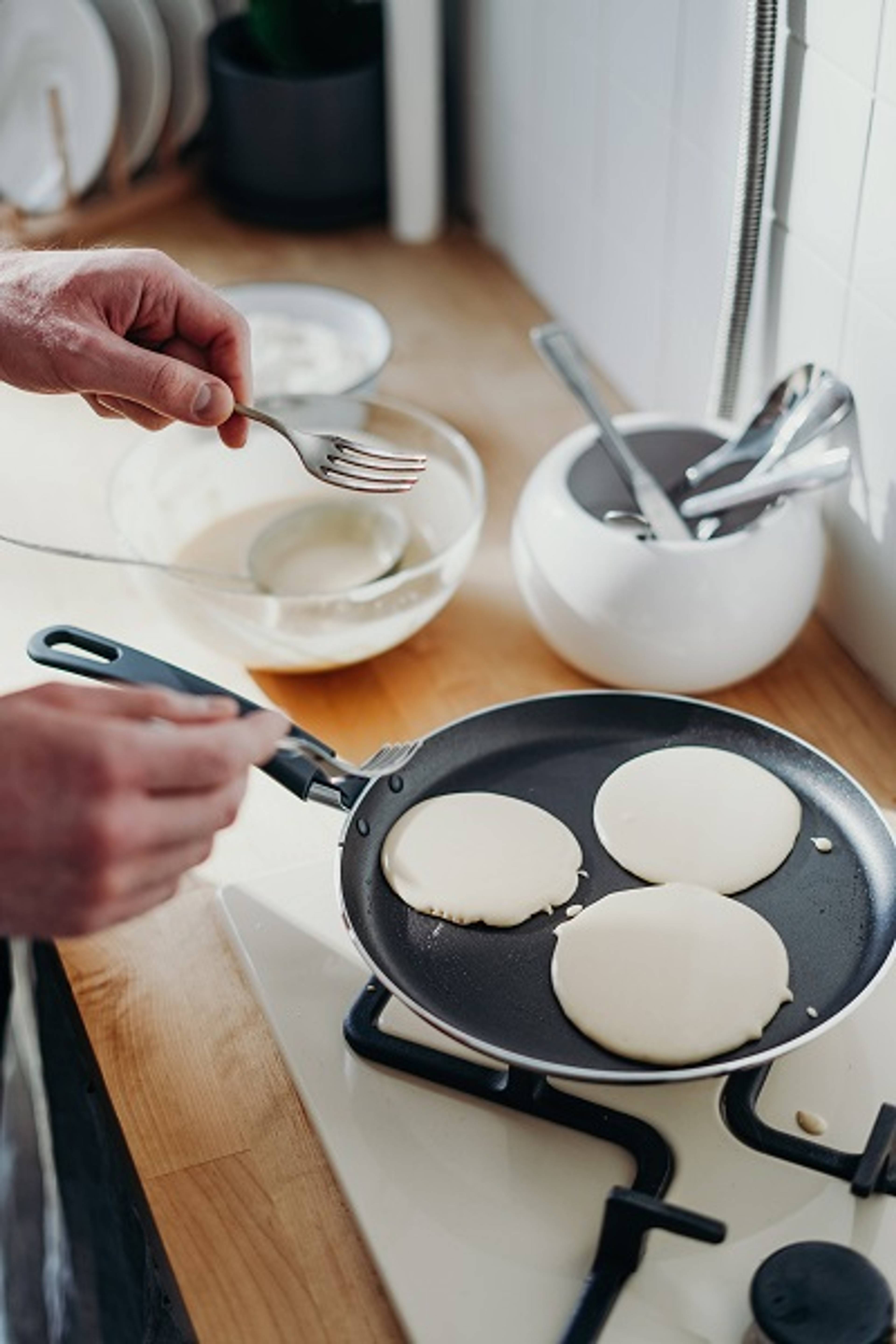
Imagine trying to flip a pancake without the fear of it tearing apart. Teflon made this possible, transforming cooking into an enjoyable experience. Its widespread adoption was swift, as it provided a solution to a common culinary challenge.
Teflon’s Properties
What makes Teflon unique is its non-reactive surface, which is resistant to sticking. This property is due to its molecular structure, which is slick and smooth. As you cook, food particles struggle to cling to its surface, leading to easier cleanup and healthier cooking.
Moreover, Teflon’s heat resistance is notable. It can withstand high temperatures without releasing harmful chemicals, making it safe for everyday use. This resilience ensures that your cookware remains durable over time.
Have you ever wondered why your eggs slide off the pan without leaving a trace? It’s the magic of Teflon at work. Its properties not only simplify cooking but also enhance the longevity of your cookware.
So, next time you cook, consider how Teflon’s invention has made your culinary endeavors smoother and more enjoyable. Are you ready to embrace this kitchen marvel in your daily cooking routine?
Alternatives To Teflon
Non-stick cookware often features ceramic or anodized aluminum surfaces. These materials provide a slick cooking experience without Teflon. They offer durability and easy cleaning while being safer for health-conscious cooks.
Considering alternatives to Teflon is becoming more popular for many home cooks and health-conscious individuals. The demand for non-stick cookware that avoids potential health risks associated with traditional Teflon coatings is on the rise. Thankfully, there are several excellent alternatives available that offer both safety and performance.Ceramic Coatings
Ceramic-coated cookware is a top choice for those looking to avoid Teflon. Made from silica, a natural component found in sand, ceramic coatings provide a smooth, non-stick surface without the use of synthetic chemicals. Cooking with ceramic-coated pans can be a delightful experience. They often heat up evenly, reducing the chances of burning your food. Plus, their vibrant colors can add a cheerful touch to your kitchen. One thing to remember is that ceramic coatings can wear out over time. It’s important to use wooden or silicone utensils to preserve the coating’s integrity. Have you tried ceramic cookware yet, and if so, how has it changed your cooking routine?Anodized Aluminum
Anodized aluminum is another fantastic option for non-stick cooking. This process involves treating aluminum with an electrochemical method to create a strong, non-reactive surface. Anodized aluminum cookware is known for its durability and even heat distribution. This makes it perfect for cooking a variety of dishes without the fear of hotspots ruining your meal. While anodized aluminum pans are robust, they can be a bit heavier than other options. It’s worth considering if you prefer lightweight cookware. But, their longevity and performance often make them a worthwhile investment. Have you considered the benefits of anodized aluminum? It might just be the upgrade your kitchen needs for efficient and safe cooking.
Credit: www.youtube.com
Safety Concerns
Non-stick cookware is often made of aluminum coated with polytetrafluoroethylene (PTFE), commonly known as Teflon. Concerns arise from overheating, which can release harmful fumes. Proper use and care can minimize risks.
Non-stick cookware is a kitchen staple due to its ease of use and cleaning. However, safety concerns often arise when discussing the materials involved. Understanding these issues ensures you make informed choices for your kitchen.Pfoa And Pfas Issues
Non-stick cookware often features coatings made from substances like polytetrafluoroethylene (PTFE). PTFE is safe for cooking, but other chemicals like PFOA (perfluorooctanoic acid) and PFAS (per- and polyfluoroalkyl substances) have raised alarms. These chemicals were traditionally used in the production of non-stick coatings. The concern is that PFOA and PFAS have been linked to health issues, including liver damage and developmental effects. The good news is that most modern cookware brands have phased out these chemicals. Always check if your cookware is labeled PFOA-free to ensure safety.Heat Limitations
Non-stick cookware is not invincible, especially when it comes to heat. Most non-stick pans start to degrade at temperatures above 500°F (260°C). This can lead to the release of potentially harmful fumes. Cooking on medium or low heat is often recommended to maintain the integrity of the coating. This approach not only preserves the non-stick surface but also prolongs the life of your cookware. It’s a small adjustment that can have significant benefits. Have you ever accidentally left your pan on high heat? The smell of a burning non-stick surface can be alarming. It’s a reminder of the importance of being mindful of temperature settings. Keep an eye on your cooking, and your cookware will thank you.Care And Maintenance
Non-stick cookware is a popular choice in many kitchens. To keep it in top shape, proper care and maintenance are key. This ensures the cookware lasts and performs well over time. Regular cleaning and careful handling make a big difference. Here, we explore effective cleaning techniques and tips to extend the lifespan of your non-stick cookware.
Proper Cleaning Techniques
Cleaning non-stick cookware requires gentle care. Avoid harsh scrubbers and metal utensils. Use a soft sponge or cloth. Mild dish soap is best for cleaning. Rinse thoroughly with warm water.
Ensure the cookware cools before washing. Hot pans can warp when exposed to cold water. This simple step can prevent damage. Some cookware is dishwasher safe, but hand washing extends its life.
Stubborn stains need extra care. Create a paste with baking soda and water. Apply it gently and rinse well. Avoid abrasive cleaners to protect the non-stick surface.
Extending Cookware Lifespan
Proper storage extends the life of non-stick cookware. Avoid stacking pans on top of each other. Use a soft cloth or paper towel between them. This prevents scratches and chips.
Use low to medium heat for cooking. High heat can damage the coating. Preheat the pan only with oil or butter inside.
Choose cooking utensils wisely. Use silicone, wood, or plastic tools. Metal tools can scratch the surface.
Avoid cooking sprays. They often leave a residue that is hard to clean. Opt for liquid oils instead.
Regular maintenance ensures your non-stick cookware remains effective. With proper care, it can serve you well for years.
Environmental Impact
Non-stick cookware is a staple in many kitchens, beloved for its ease of use and quick cleanup. However, it’s important to consider the environmental impact of these convenient kitchen tools. From the manufacturing processes to their end-of-life disposal, non-stick cookware has a footprint that can affect our planet.
Manufacturing Processes
The creation of non-stick cookware often involves the use of chemicals like polytetrafluoroethylene (PTFE), commonly known as Teflon. The production of these chemicals can release greenhouse gases and other pollutants. Some manufacturers are switching to more eco-friendly alternatives, but it’s crucial to research brands that prioritize sustainable production methods.
Have you ever wondered about the energy consumption involved in manufacturing non-stick pans? The energy-intensive processes can contribute significantly to carbon emissions. Choosing cookware made with minimal energy and resource use can help reduce your carbon footprint.
Recycling And Disposal
Once your non-stick cookware has reached the end of its life, the question of disposal arises. Many non-stick pans are not easily recyclable due to their coating and mixed materials. This can lead to more waste ending up in landfills.
Consider this: How can you responsibly dispose of or recycle your non-stick cookware? Some manufacturers offer recycling programs or take-back schemes. Alternatively, seeking out local recycling centers that accept metal cookware may be an option, though the coating remains a challenge.
By being mindful of the environmental impact of non-stick cookware, you can make more informed choices that benefit both your kitchen and our planet. Are there eco-friendlier options available that you might consider for your next purchase?
Credit: www.hellofresh.com
Frequently Asked Questions
What Materials Make Up Non-stick Cookware?
Non-stick cookware is typically made from aluminum. It’s often coated with a synthetic polymer called polytetrafluoroethylene (PTFE), known as Teflon. Some modern non-stick pans use ceramic coatings, which are free from PTFE and PFOA. Both types offer excellent non-stick properties, making cooking and cleaning easier.
Is Non-stick Cookware Safe For Health?
Non-stick cookware is generally safe for health if used properly. Avoid overheating, as high temperatures can break down the coating. Use utensils that won’t scratch the surface. Ensure the cookware is PFOA-free, and follow the manufacturer’s guidelines to maintain its safety.
How Should I Clean Non-stick Pans?
Clean non-stick pans with warm, soapy water and a soft sponge. Avoid using abrasive cleaning tools that can damage the coating. Let the pan cool before washing to prevent warping. Hand washing is recommended to preserve the non-stick surface and prolong the pan’s lifespan.
Can Non-stick Cookware Go In The Oven?
Not all non-stick cookware is oven-safe. Check the manufacturer’s instructions for oven compatibility. Some non-stick pans can handle low to moderate oven temperatures. Avoid using them at high temperatures to prevent damage to the non-stick coating.
Conclusion
Non-stick cookware offers convenience in the kitchen. Made from materials like Teflon and ceramic, these pans prevent food from sticking. This makes cooking and cleaning easier. Safety is important, so choose high-quality brands. Keep heat settings low to medium. This preserves the non-stick surface.
Proper care ensures longer-lasting cookware. Always hand wash with mild soap. Avoid metal utensils to prevent scratches. This cookware is a great addition for everyday cooking. Enjoy hassle-free meal preparation. Perfect for both beginners and seasoned chefs. Make sure to explore different options available.
Find what suits your cooking style best.