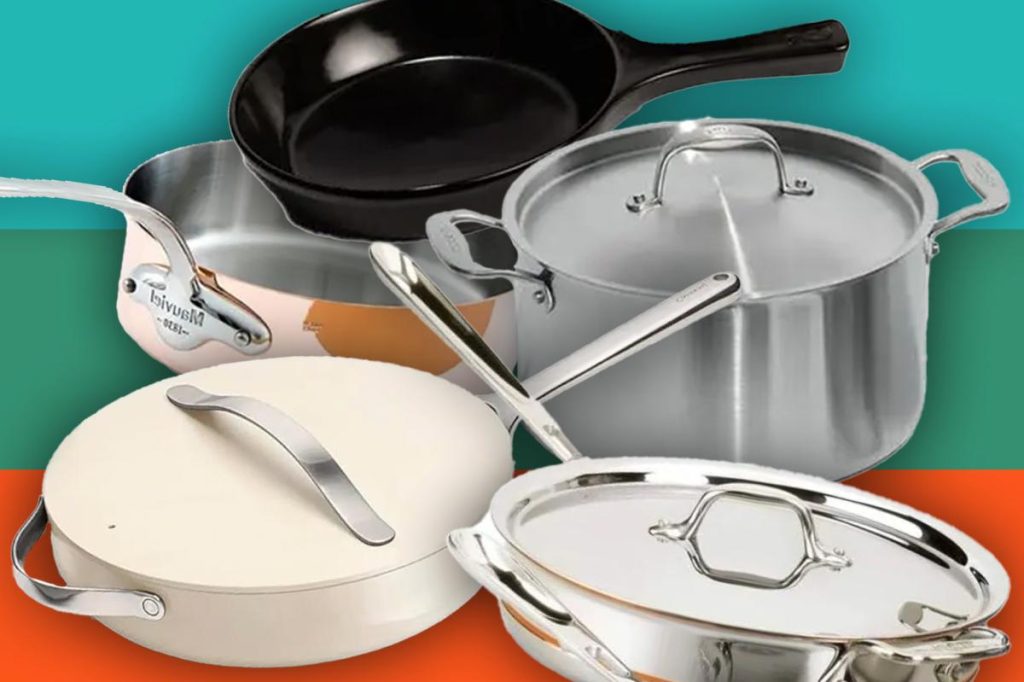
Are you looking to make healthier choices in the kitchen? The cookware you use can significantly impact the quality of your meals and your overall health.
You might have heard about non-stick, stainless steel, cast iron, and ceramic options, but which one truly stands out as the healthiest choice? Understanding the materials and their effects on your food can be a game-changer for your cooking routine and well-being.
Imagine preparing your favorite dishes without worrying about harmful chemicals leaching into your food. You’ll discover the healthiest cookware options that will help you cook with peace of mind, ensuring that every meal you make supports your health goals. Keep reading to learn how you can transform your kitchen into a haven of nutritious cooking.
Credit: healthytasteoflife.com
Importance Of Choosing Healthy Cookware
Choosing healthy cookware is vital for maintaining good health. The materials in your pots and pans can affect your food. Some cookware releases harmful chemicals. Others preserve nutrients and flavors. Selecting the right cookware enhances your well-being. It also ensures delicious meals. Let’s explore why healthy cookware matters.
Impact On Nutrient Retention
Cooking methods influence nutrient retention. Healthy cookware helps maintain vitamins and minerals. Non-toxic surfaces prevent nutrient loss. This keeps your meals nutritious and beneficial.
Avoiding Harmful Chemicals
Some cookware materials release toxins. These chemicals can leach into food. Non-stick pans often contain PFOA. This can be harmful to health. Choosing alternative materials avoids this risk. Stainless steel and cast iron are safer options.
Enhancing Flavor And Taste
Healthy cookware preserves flavors. It prevents chemical tastes in dishes. Good materials enhance natural food flavors. This makes meals more enjoyable. Quality cookware leads to tastier results.
Durability And Longevity
Investing in healthy cookware offers durability. Quality materials last longer. They withstand high temperatures. This ensures value for money. Stainless steel and cast iron are durable choices.
Environmental Impact
Eco-friendly cookware reduces environmental harm. Sustainable materials are better for the planet. They minimize waste and pollution. Choosing green options supports a healthier Earth.
Ease Of Maintenance
Healthy cookware is often easier to clean. Non-toxic surfaces resist stains. They require less scrubbing. This saves time and effort. Proper maintenance extends their lifespan.

Credit: therationalkitchen.com
Materials To Avoid
When choosing cookware, it’s essential to be mindful of materials that may pose health risks. While some may seem convenient or popular, they can have hidden dangers. Let’s delve into the materials you should avoid to ensure you’re not compromising your health while preparing meals.
Non-stick Concerns
Non-stick cookware is incredibly popular for its ease of use and cleaning. However, it often contains a chemical called PTFE, commonly known as Teflon. When heated to high temperatures, PTFE can release toxic fumes. These fumes have been linked to various health issues, including flu-like symptoms.
You might wonder if the convenience is worth the potential risk. Consider opting for alternatives like ceramic or stainless steel, which don’t carry the same risks. If you’ve ever noticed a strange smell while cooking with non-stick pans, it could be a sign to reconsider your cookware choices.
Aluminum Risks
Aluminum cookware is lightweight and affordable, making it a kitchen staple for many. However, studies have suggested that aluminum can leach into food, especially when cooking acidic dishes like tomato sauce. This raises concerns about long-term exposure, which some believe could be linked to health issues.
If you’ve ever questioned the metallic taste in your food, it might be due to aluminum leaching. Switching to anodized aluminum, which is treated to prevent leaching, or choosing stainless steel can be healthier alternatives. It’s worth exploring these options for your peace of mind and health.
Safest Cookware Options
Choosing the healthiest cookware involves considering options like stainless steel, cast iron, and glass. These materials ensure food safety and preserve nutrients. They are free from harmful chemicals, making them ideal for health-conscious cooking.
Choosing the healthiest cookware is crucial for maintaining a nutritious lifestyle. The right cookware can enhance flavor and preserve nutrients. On the other hand, unsafe options might leach harmful substances into your food. So, what are the safest cookware options for your kitchen? Let’s explore some popular choices and their benefits.Stainless Steel Benefits
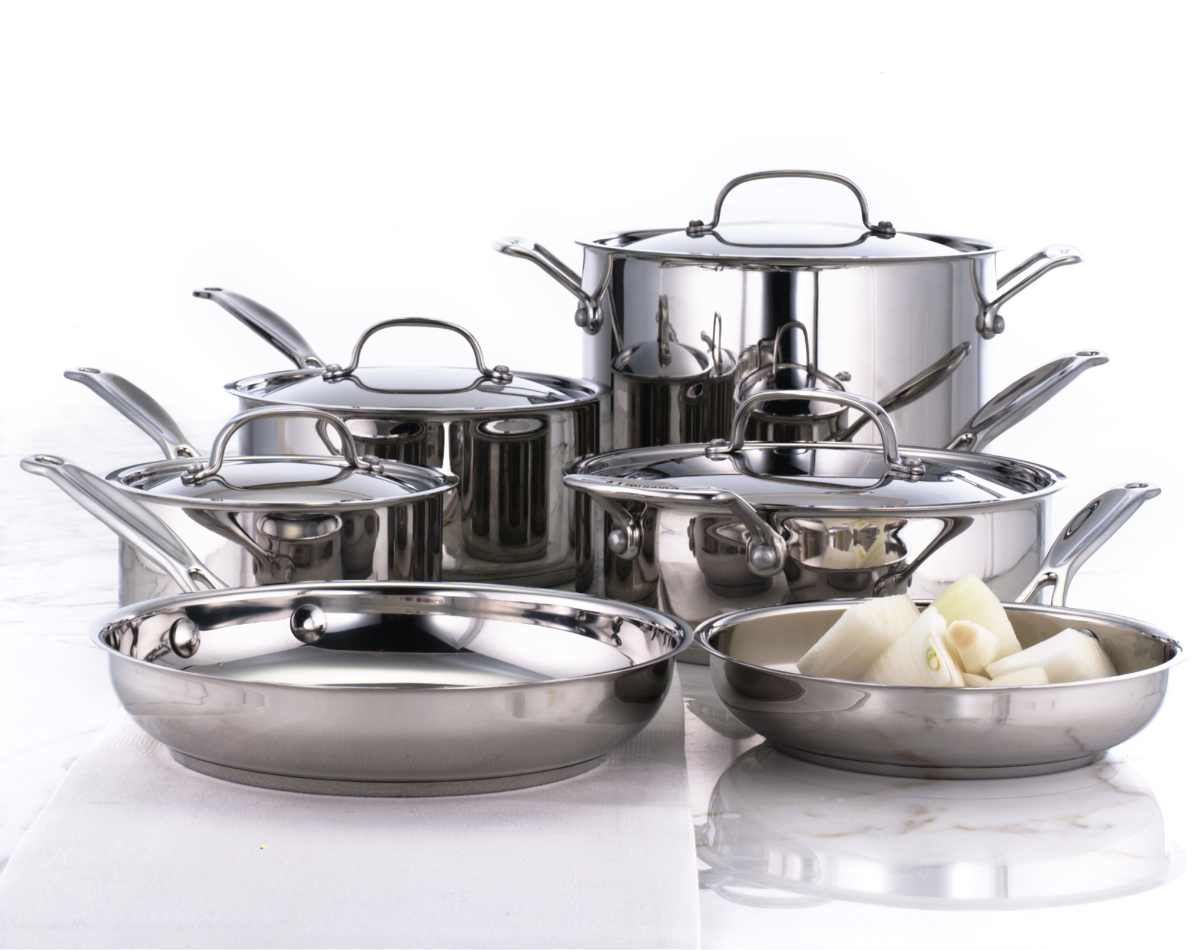
Stainless steel is a favorite in many kitchens due to its durability and non-reactive nature. It doesn’t leach harmful chemicals into your food, making it a safe choice for all types of cooking. With its sleek design, stainless steel is easy to clean and often dishwasher safe. Have you ever noticed how evenly your dishes cook in stainless steel? This cookware offers excellent heat distribution, ensuring your meals are cooked to perfection. Plus, its resistance to rust and corrosion means it will last for years.Cast Iron Advantages
Cast iron cookware is not only versatile but also extremely durable. It can withstand high temperatures, making it perfect for both stovetop and oven use. Many home cooks swear by its ability to enhance flavors, especially when searing meats. Another advantage is its natural non-stick surface, which improves with seasoning. This means over time, your cast iron pan becomes even more efficient, reducing the need for added fats and oils. Imagine cooking a delicious steak with just a hint of oil!Glass Cookware Features
Glass cookware offers a unique advantage: it’s transparent. This allows you to monitor your food as it cooks, ensuring nothing is overdone. Glass is also non-reactive, meaning it won’t absorb food odors or stains. One of the best features of glass cookware is its ease of cleaning. Unlike some materials, glass won’t scratch or rust, ensuring it looks great after each use. Consider how satisfying it is to have cookware that remains pristine, meal after meal. Which cookware will you choose to enhance your kitchen adventures? The safest options not only protect your health but also add joy to your cooking experience.
Credit: lothandco.co.uk
Eco-friendly Cookware Choices
Opting for eco-friendly cookware ensures healthier meals and a safer kitchen. Choose non-toxic materials like stainless steel or cast iron. These options provide durability while minimizing environmental impact.
Choosing eco-friendly cookware is a great step towards a healthier kitchen and a healthier planet. With so many options available, it’s easier than ever to make a sustainable choice. Eco-friendly cookware not only helps reduce your carbon footprint but also ensures you’re cooking food in a safe, non-toxic environment. Let’s dive into some of the best choices available today.Ceramic Cookware
Ceramic cookware is a popular eco-friendly choice. It’s made from natural materials and free from harmful chemicals like PTFE and PFOA. This means you can cook without worrying about toxins leaching into your food. Using ceramic pots and pans, you’ll find they’re excellent at distributing heat evenly. This can make your cooking more efficient, saving energy in the process. Plus, their non-stick surface allows you to use less oil, contributing to healthier meals. Cleaning up is a breeze with ceramic cookware. The non-stick nature means food doesn’t cling, reducing the need for harsh cleaning agents. Consider adding a ceramic piece to your collection and notice the difference it makes.Stoneware Alternatives
Stoneware is another great eco-friendly cookware choice. It’s made from natural clay, giving it a rustic, earthy appeal while being free from synthetic chemicals. One advantage of stoneware is its durability. It can withstand high temperatures, making it perfect for baking. Plus, the natural material retains heat well, keeping your food warm for longer. Stoneware is also versatile. You can use it in the oven, microwave, and even the freezer. This flexibility means you can prepare meals ahead of time and reheat them without transferring to different dishes. What’s the most surprising thing about using eco-friendly cookware? Perhaps it’s the peace of mind knowing you’re making a positive impact on the environment and your health. Have you tried ceramic or stoneware in your kitchen yet? If not, it might be time to give them a whirl!Maintenance Tips For Long-lasting Cookware
Investing in healthy cookware is a smart decision for anyone who values their health and enjoys cooking. To ensure your cookware lasts for years and continues to offer the benefits of healthy cooking, proper maintenance is essential. This includes cleaning techniques and storage practices that preserve the quality of your pots and pans. Let’s dive into how you can keep your cookware in prime condition.
Proper Cleaning Techniques
Cleaning your cookware correctly can make all the difference in its longevity. Avoid harsh abrasives and opt for gentle cleaning solutions like dish soap and warm water. If you’ve ever been frustrated by stuck-on food, try soaking your cookware in hot water before scrubbing. This helps to loosen food particles without damaging the surface. For stainless steel, a mixture of vinegar and baking soda can work wonders on stubborn stains. Remember, the gentler you are during cleaning, the longer your cookware will last.
Storage Best Practices
How you store your cookware can affect its lifespan significantly. Ensure each piece has ample space, avoiding stacking which can lead to scratches and dents. If you must stack, consider using protective layers like cloth or paper towels between items. Have you ever opened a cupboard only to have a pot fall out? This is a sign that your storage space might be too cramped. Hanging pots and pans can save space and prevent damage. Think creatively about your kitchen layout to make storing both functional and safe.
Budget-friendly Healthy Cookware
Finding healthy cookware on a budget is possible. Many people believe that healthy cookware is expensive. But that’s not always true. You can find affordable options. Even second-hand purchases can be a smart choice. Let’s explore some budget-friendly healthy cookware options.
Affordable Options
Several types of cookware are both healthy and affordable. Cast iron is a great example. It is durable and enhances food flavor. Plus, it adds iron to your meals naturally. Another option is stainless steel. It is long-lasting and doesn’t leach chemicals. Look for sales or discounts to get the best deals.
Non-stick options are also available. Choose ceramic-coated pans. They offer a chemical-free cooking surface. Be sure to follow care instructions to extend their life. Glass cookware is another safe choice. It is non-reactive and perfect for baking.
Second-hand Purchases
Second-hand cookware can be a budget-friendly option. Many people sell gently used items at low prices. Check online marketplaces or local thrift stores. You might find high-quality items at a fraction of the cost. Always inspect the items carefully before buying.
Look for scratches or damage. Cast iron and stainless steel often maintain their quality over time. Avoid non-stick cookware with visible damage. It’s important for your safety. Buying second-hand not only saves money but also helps the environment.
Expert Recommendations
Discover the healthiest cookware options for your kitchen. Experts suggest using stainless steel, cast iron, and ceramic. These materials ensure safe cooking and preserve food nutrients.
When it comes to choosing cookware that promotes health, expert recommendations can guide you towards making informed decisions. The market is flooded with various options, each promising to be the healthiest. But how do you know which one to trust? Let’s dive into what experts suggest, helping you make choices that benefit your health and well-being.Understanding Material Safety
Experts emphasize the importance of considering the materials used in cookware. Stainless steel, for example, is lauded for its durability and non-reactive nature. Unlike some other materials, it doesn’t leach harmful chemicals into your food. Cast iron is another favorite among experts. It not only enhances the flavor of your dishes but also adds a small amount of iron, a crucial nutrient, to your meals. However, it requires regular seasoning to prevent rust and maintain its non-stick properties.Non-toxic Coatings
The coating of your cookware can significantly impact its safety. Teflon, once popular, is now often avoided due to concerns about chemical release at high temperatures. Experts recommend ceramics as a safer alternative. Ceramic-coated cookware is free from toxic chemicals and offers excellent non-stick capabilities. Silicone is another safe choice, especially for bakeware. It withstands high temperatures without releasing harmful substances, making it ideal for health-conscious bakers.Heat Retention And Distribution
Efficient heat distribution is crucial for both energy saving and cooking consistency. Experts point out that copper cookware excels in this area. It heats quickly and evenly, reducing the risk of burnt spots. However, copper requires a lining, typically stainless steel, to prevent direct contact with food. Aluminum is also praised for its heat conductivity, but experts caution about using anodized aluminum. This process creates a safe, non-reactive surface that doesn’t leach metals into your food.Expert Opinions On Maintenance
Maintaining your cookware is as important as choosing the right one. Experts advise regular seasoning for cast iron and hand washing for ceramics to preserve their integrity. Even stainless steel, which is dishwasher safe, benefits from hand drying to prevent water spots and maintain its shine. Regular maintenance extends the life of your cookware and keeps it safe for everyday use.Balancing Cost And Quality
Investing in quality cookware can be a wise decision. Experts suggest prioritizing quality over quantity. A few well-chosen pieces can last a lifetime, offering better performance and health benefits. Consider your cooking style and budget. Are you willing to pay more for top-tier cookware, or do you prefer budget-friendly options? Experts recommend striking a balance between cost and quality, ensuring you get the most value without compromising your health.Frequently Asked Questions
What Is The Safest Cookware Material?
Stainless steel, cast iron, and ceramic are considered safe cookware materials. They are free from harmful chemicals like PFOA and PFAS. Each material offers durability and even heat distribution. Choosing these options ensures a healthier cooking experience.
How Does Ceramic Cookware Benefit Health?
Ceramic cookware is non-toxic and free from harmful chemicals. It provides a non-stick surface without using synthetic coatings. This reduces the risk of ingesting harmful substances. Additionally, ceramic cookware distributes heat evenly, ensuring food is cooked thoroughly and healthily.
Are Non-stick Pans Harmful To Health?
Traditional non-stick pans can release toxic fumes when overheated. These fumes may contain harmful chemicals like PFOA. Opt for PFOA-free non-stick cookware or alternatives like ceramic. This minimizes health risks while providing a non-stick cooking surface.
Why Is Cast Iron Considered Healthy?
Cast iron cookware is chemical-free and naturally non-stick when seasoned. It releases a small amount of iron into food, beneficial for health. Its durability and even heat distribution make it a popular choice for health-conscious cooks.
Conclusion
Choosing the right cookware matters for your health. Stainless steel, cast iron, and ceramic are great options. They avoid harmful chemicals and offer durability. Consider your cooking style and preferences when selecting. Ensure safety and ease of use. Healthy cooking starts with safe cookware.
Each type has its own benefits. No single option suits everyone. Find what works best for you. Prioritize health and safety in your kitchen. Make informed choices for better meals. Better cookware leads to healthier living. Your cookware choice can impact your well-being.
Choose wisely and enjoy your cooking journey.