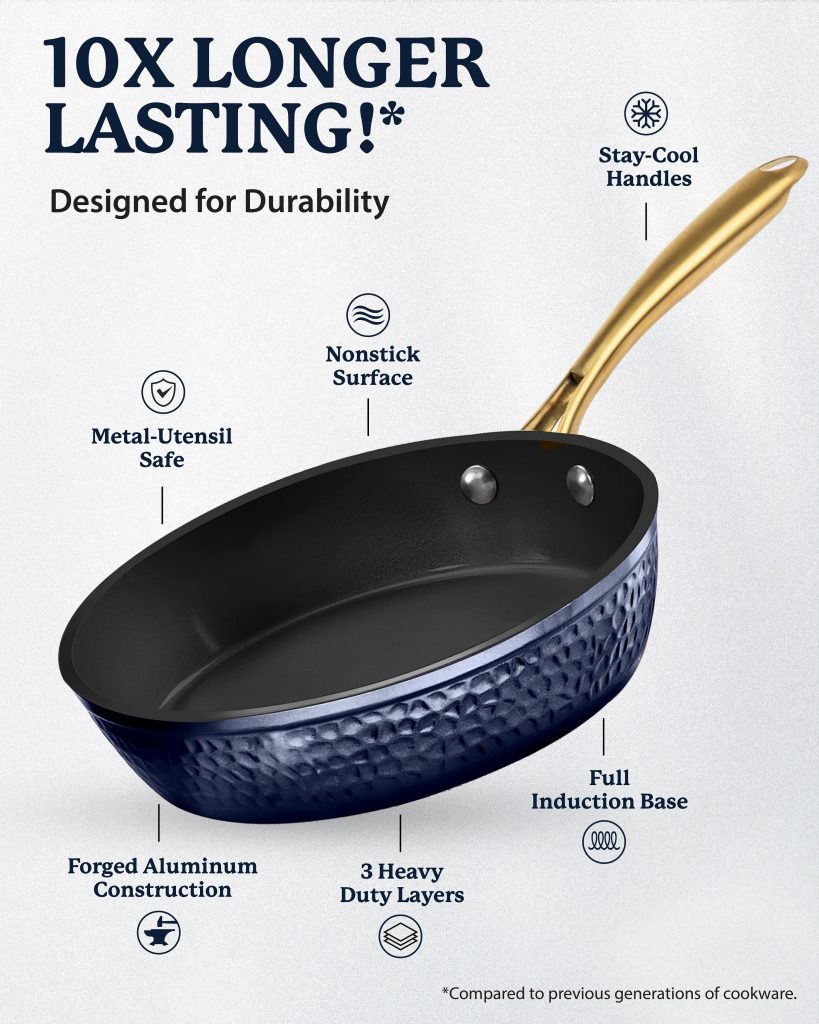
Have you ever wondered what makes granite stone cookware a favorite in kitchens around the world? Imagine cooking your favorite meals with ease and efficiency, all while enjoying the sleek, modern look of your cookware.
Granite stone cookware is not just about aesthetics; it’s about performance and durability that you can rely on every day. But what exactly is granite stone cookware made of, and why should it matter to you? Uncover the secrets behind its composition and discover why this cookware could be the game-changer your kitchen needs.
Dive deeper to find out how the unique materials used in granite stone cookware can transform your cooking experience, making every meal a masterpiece. Your culinary journey is about to get a whole lot more interesting.

Credit: www.amazon.com
Granite Stone Cookware Basics
Granite stone cookware is crafted from aluminum, coated with a non-stick layer that mimics granite’s appearance. This combination ensures even heat distribution and scratch resistance, making it a popular choice for home cooks.
Granite Stone Cookware Basics Granite stone cookware is becoming popular in kitchens worldwide. It’s known for its durability and non-stick surface. But what exactly makes up this cookware? Understanding the materials used can help you appreciate its benefits.Composition Of Granite Stone Cookware
Granite stone cookware isn’t made from pure granite. It typically features a metal base, often aluminum. This base provides even heat distribution, essential for cooking. The cookware is coated with a granite-like layer. This layer is a blend of porcelain enamel and other materials. It gives the cookware its distinctive look and non-stick properties.Benefits Of Granite Stone Cookware
Granite stone cookware offers several advantages. Its non-stick surface makes cooking and cleaning easy. Food slides right off, reducing the need for oil or butter. The cookware is also resistant to scratches and damage. This ensures a long lifespan, even with regular use. Many users appreciate its stylish appearance. It adds a touch of elegance to any kitchen.Considerations When Using Granite Stone Cookware
While granite stone cookware is durable, care is needed. Avoid using metal utensils which can scratch the surface. Stick to wooden or silicone tools for best results. It’s also wise to avoid high heat settings. This preserves the non-stick coating over time. Always allow the cookware to cool before washing. This prevents damage and maintains its quality.Core Material
Granite stone cookware is crafted from durable aluminum or stainless steel, coated with a granite-like layer. This layer often contains a mix of non-stick materials and crushed granite particles. It enhances cooking performance and adds scratch resistance.
The core material of granite stone cookware is crucial in defining its functionality and durability. At first glance, you might assume the cookware is made of actual granite, given its name. However, this isn’t the case. Granite stone cookware typically starts with a base material that provides strength and conducts heat efficiently. The core of granite stone cookware is often made from a solid metal, usually aluminum. This choice isn’t arbitrary. Aluminum is known for its excellent heat conductivity, ensuring your food cooks evenly without hot spots. Have you ever noticed how quickly a dish heats up in a granite stone pan? That’s the aluminum working its magic, distributing heat across the surface swiftly.Why Aluminum?
Why is aluminum the preferred choice? It’s lightweight, which means you won’t be wrestling with a heavy pan as you flip pancakes or sauté vegetables. Additionally, aluminum is cost-effective, making granite stone cookware affordable without sacrificing quality.Durability Concerns
You might wonder about the durability of aluminum. While it’s not the most robust metal, in granite stone cookware, it is reinforced with layers of non-stick coating and sometimes mixed with other metals for added strength. This ensures the cookware withstands daily use, offering you long-lasting performance.Environmental Impact
Have you considered the environmental impact? Aluminum is recyclable, meaning your cookware has a smaller environmental footprint. This makes granite stone cookware not only a smart choice for cooking but also a responsible choice for the planet. The next time you pick up a piece of granite stone cookware, think about the core material’s role in enhancing your cooking experience. How does the choice of aluminum affect your cooking style and preferences?Granite Coating
Granite stone cookware features a core made of aluminum or carbon steel. It’s coated with a layer of granite-like particles for durability. This combination ensures even heat distribution and a non-stick surface, making cooking and cleaning easier.
Granite stone cookware has become a popular choice in kitchens worldwide, and for good reason. One of its standout features is the granite coating, which provides a unique blend of durability and aesthetic appeal. But what exactly is this coating made of, and why is it so beneficial for cooking?Composition Of The Coating
The granite coating on cookware is not made from solid granite. Instead, it is a composite material that includes a blend of natural minerals and a high-quality non-stick polymer. This combination creates a surface that is not only tough but also resistant to scratches. The coating process involves applying multiple layers of these materials, ensuring that the cookware can withstand high temperatures and frequent use. This layering technique is crucial, as it contributes to the longevity of the cookware, making it a worthwhile investment for your kitchen.Benefits Of Granite Coating
The granite coating offers numerous advantages that can enhance your cooking experience. First and foremost, its non-stick property is a game-changer. It allows you to cook with minimal oil, promoting healthier meals without sacrificing flavor or texture. Cleaning becomes a breeze with granite-coated cookware. The smooth surface prevents food from sticking, which means you can spend less time scrubbing and more time enjoying your meal. Simply wipe the surface with a damp cloth, and you’re good to go. Granite coating also boasts excellent heat distribution. This means your food cooks evenly, reducing the chances of burnt spots or undercooked sections. The result is consistently delicious dishes that you can be proud of. Have you ever struggled with cookware that couldn’t handle metal utensils? With granite coating, you can set that worry aside. Its robustness allows you to use your favorite tools without the fear of damaging the surface. Isn’t it time you considered upgrading your kitchen with granite stone cookware? The benefits are hard to ignore.
Credit: www.amazon.ae
Non-stick Properties
Granite stone cookware features a durable blend of granite and non-stick coating. This ensures food doesn’t stick while cooking. These materials make cleaning effortless and enhance cooking efficiency.
Granite stone cookware is popular for its non-stick properties. The surface is smooth and allows easy food release. This makes cooking and cleaning simpler. With less oil required, meals are healthier.How Non-stick Is Achieved
Granite cookware achieves non-stick properties through a special coating. Typically, a mix of ceramic and PTFE is used. This coating ensures food doesn’t stick to the pan. The surface stays smooth even after multiple uses. Quality materials enhance durability and non-stick effectiveness.Advantages For Cooking
Non-stick surfaces offer several benefits.- Easy food release reduces cooking stress.
- Less oil creates healthier dishes.
- Simple cleaning saves time and effort.
- Uniform heat distribution cooks food evenly.
Durability Factors
Granite stone cookware consists of a core made from aluminum, offering efficient heat distribution. Coated with a durable layer of granite, these pots and pans resist scratches and maintain a sleek appearance. This combination ensures longevity and reliable cooking performance for everyday use.
When considering cookware, durability is often at the top of the list for many home cooks. Granite stone cookware is known for its resilience and longevity, making it a popular choice in kitchens around the world. But what makes it so durable? Let’s dive into the factors that contribute to its enduring nature.Resistance To Scratches
Granite stone cookware is exceptionally resistant to scratches, which is a major plus for any kitchen. This is primarily due to the hard, non-porous surface that granite provides. It stands up well against metal utensils, reducing the risk of unsightly scratches that can mar your cookware over time. Unlike some non-stick surfaces that show wear quickly, granite stone maintains its smooth finish even with regular use. Have you ever felt the frustration of seeing your favorite pan marred by a single slip of a fork? With granite stone cookware, that worry becomes a thing of the past.Longevity Of Use
The longevity of granite stone cookware is another significant factor contributing to its popularity. These pieces are often built to last, providing years of reliable service without the wear and tear common with other materials. The robust composition of granite stone ensures that it remains a staple in your kitchen for the long haul. Imagine investing in a cookware set that you can rely on not just for months, but for years. This kind of durability means more than just saving money; it offers peace of mind knowing that your cookware will perform well every time you cook. Whether you’re an occasional home cook or a seasoned chef, granite stone cookware offers a lasting solution to your culinary needs.Safety Considerations
Granite stone cookware is made of a core of aluminum or steel, coated with a granite-like layer. Safety considerations include ensuring the cookware is free from harmful chemicals like PTFE and PFOA. Always use low to medium heat to prevent damaging the non-stick surface.
Granite stone cookware is popular for its durability and non-stick features. But is it safe? Understanding its safety is crucial for your health and the environment. Let’s dive into some key safety considerations.Health Implications
Granite stone cookware often has a non-stick coating. This coating is usually free from harmful chemicals like PFOA and PTFE. This makes it safer than some older non-stick pans. High heat can still damage the coating. Damaged coating may release particles into food. It’s best to use medium heat to preserve the cookware. Always check the manufacturer’s guidelines for safe use.Environmentally Friendly Aspects
Granite stone cookware is often made from natural materials. This makes it more eco-friendly than synthetic options. The production process usually involves fewer chemicals. Less energy is also needed to produce granite stone cookware. Some brands also focus on sustainable practices. This helps reduce the carbon footprint. Choosing eco-friendly cookware benefits your health and the planet.Comparisons With Other Cookware
Granite stone cookware features a non-stick surface made from crushed granite particles. Unlike traditional cookware, it offers a durable and scratch-resistant cooking experience. Its composition provides even heat distribution, making it a popular choice for many kitchens.
Granite stone cookware has become a popular choice for many home cooks, but how does it stack up against other types of cookware? Understanding these comparisons can help you decide which is best for your kitchen and cooking style.Granite Vs. Traditional Non-stick
Granite stone cookware often boasts a more durable surface than traditional non-stick pans. While non-stick surfaces can scratch and peel over time, granite’s hard coating resists damage, making it a long-lasting option. Have you ever noticed how non-stick pans sometimes give off a peculiar smell? Granite stone cookware is typically free from harmful chemicals like PFOA and PTFE, providing peace of mind during cooking. Cleaning granite cookware is a breeze compared to traditional non-stick. Without the worry of damaging a delicate coating, you can scrub away stuck-on food without hesitation.Granite Vs. Cast Iron
Cast iron cookware is revered for its heat retention and ability to evenly cook food. Granite stone cookware, while not as heavy, offers impressive heat distribution too. Are you tired of maintaining cast iron with regular seasoning? Granite requires no such upkeep, giving you more time to enjoy cooking rather than maintaining your pots and pans. Consider the weight of your cookware. Granite stone is lighter, making it easier to maneuver, especially when transferring dishes from stove to oven. Granite cookware offers a modern twist with its sleek appearance, whereas cast iron carries a rustic charm. Which aesthetic fits your kitchen best? Exploring these comparisons highlights granite’s unique advantages and can guide you in selecting cookware that suits your culinary needs.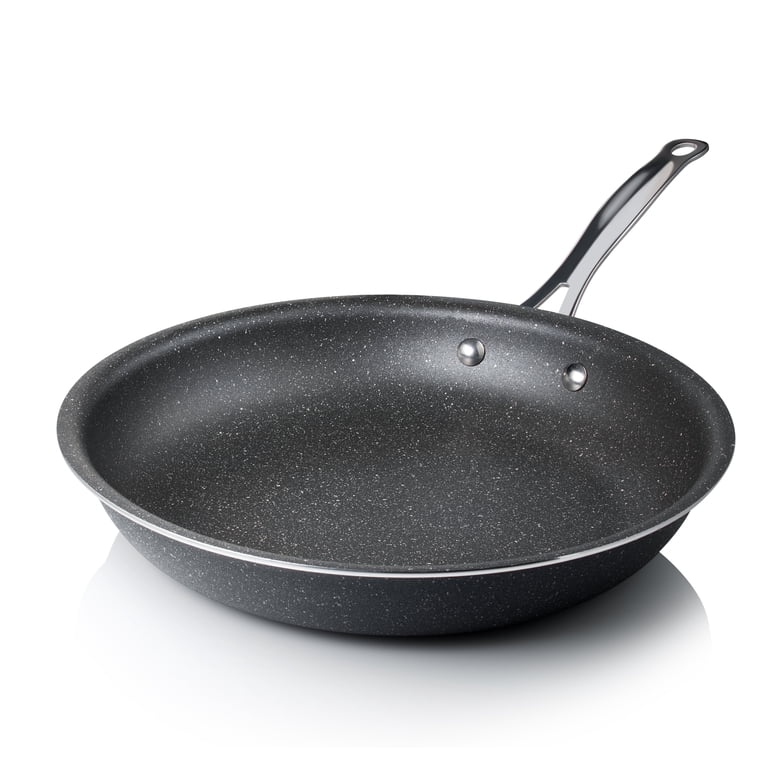
Credit: www.walmart.com
Care And Maintenance
Granite stone cookware is crafted from a blend of aluminum and a granite-like coating. This design offers durability and non-stick properties, making it ideal for various cooking tasks. Regular cleaning and gentle handling ensure its longevity and optimal performance.
Caring for granite stone cookware ensures its longevity and maintains its performance. These cookware pieces are prized for their durability and non-stick properties. Proper maintenance is crucial to keep them in top condition. Follow these easy care and maintenance tips to extend the life of your granite stone cookware.Cleaning Tips
Clean granite stone cookware after each use. Allow it to cool before washing. Use warm, soapy water and a soft sponge. Avoid abrasive sponges and harsh detergents. They can damage the non-stick coating. For stubborn stains, soak the cookware in warm water. Gently scrub with a soft brush if needed. Rinse thoroughly and dry with a soft cloth.Storing Guidelines
Store granite stone cookware carefully to prevent scratches. Use pan protectors or soft cloths between stacked items. This prevents damage to the non-stick surface. Keep lids separate to avoid unnecessary pressure. Store cookware in a dry place to prevent moisture buildup. Moisture can cause rust on metal parts. Ensure the storage area is clean and free from dust. This keeps the cookware ready for use anytime.Choosing Quality Granite Cookware
Choosing the right granite cookware can enhance your cooking experience. It’s important to understand what makes quality granite cookware stand out. This guide will help you identify the key features and trusted brands to consider.
Key Features To Look For
Durability is crucial. Ensure the cookware is made with high-quality materials. A solid, thick base ensures even heat distribution. Look for non-stick surfaces that are PFOA and PTFE-free. This ensures safe cooking without harmful chemicals. Check if the handles are ergonomically designed for a comfortable grip. The cookware should be oven-safe for versatile cooking options. Ensure it’s compatible with your stove type, be it induction, gas, or electric.
Reputable Brands
Several brands offer quality granite cookware. T-fal is known for its durable and non-stick options. Granite Stone offers a range of affordable and reliable cookware. Carote is praised for its eco-friendly designs. Scanpan provides high-end options with excellent craftsmanship. Research customer reviews to understand each brand’s strengths. Investing in a reputable brand often means better longevity and performance.
Frequently Asked Questions
What Materials Are In Granite Stone Cookware?
Granite stone cookware typically combines a metal core, often aluminum, with a granite-like coating. The coating is usually made from a blend of natural minerals and non-stick materials, offering a durable cooking surface. This combination ensures even heat distribution and a non-stick experience while cooking.
Is Granite Stone Cookware Safe To Use?
Yes, granite stone cookware is generally safe for cooking. The non-stick coating is free from harmful chemicals like PFOA and PTFE. This makes it a healthier choice compared to some traditional non-stick cookware. Always follow the manufacturer’s instructions to ensure the cookware’s safety and longevity.
Does Granite Cookware Require Special Care?
Granite stone cookware requires minimal special care. Use non-abrasive utensils to avoid scratching the surface. Hand washing is recommended to maintain its non-stick properties. Avoid using high heat settings, as this can damage the coating over time. Proper care ensures the longevity of your cookware.
How Durable Is Granite Stone Cookware?
Granite stone cookware is known for its durability. The tough non-stick coating resists scratches and wear. The metal core ensures even heat distribution, reducing the risk of warping. With proper care, this type of cookware can last for years, making it a worthwhile investment for your kitchen.
Conclusion
Granite stone cookware combines durability with non-stick ease. A core of aluminum or stainless steel ensures even heating. The exterior is coated with a granite-like layer. This layer is often a blend of ceramic and stone particles. It offers a tough, scratch-resistant surface.
Safe for everyday cooking tasks. This cookware is popular for its reliability and safety. It is free from harmful chemicals like PFOA and PFTE. Perfect for busy kitchens seeking convenience. Granite stone cookware delivers quality and peace of mind. A worthy addition to any kitchen, enhancing your cooking experience.