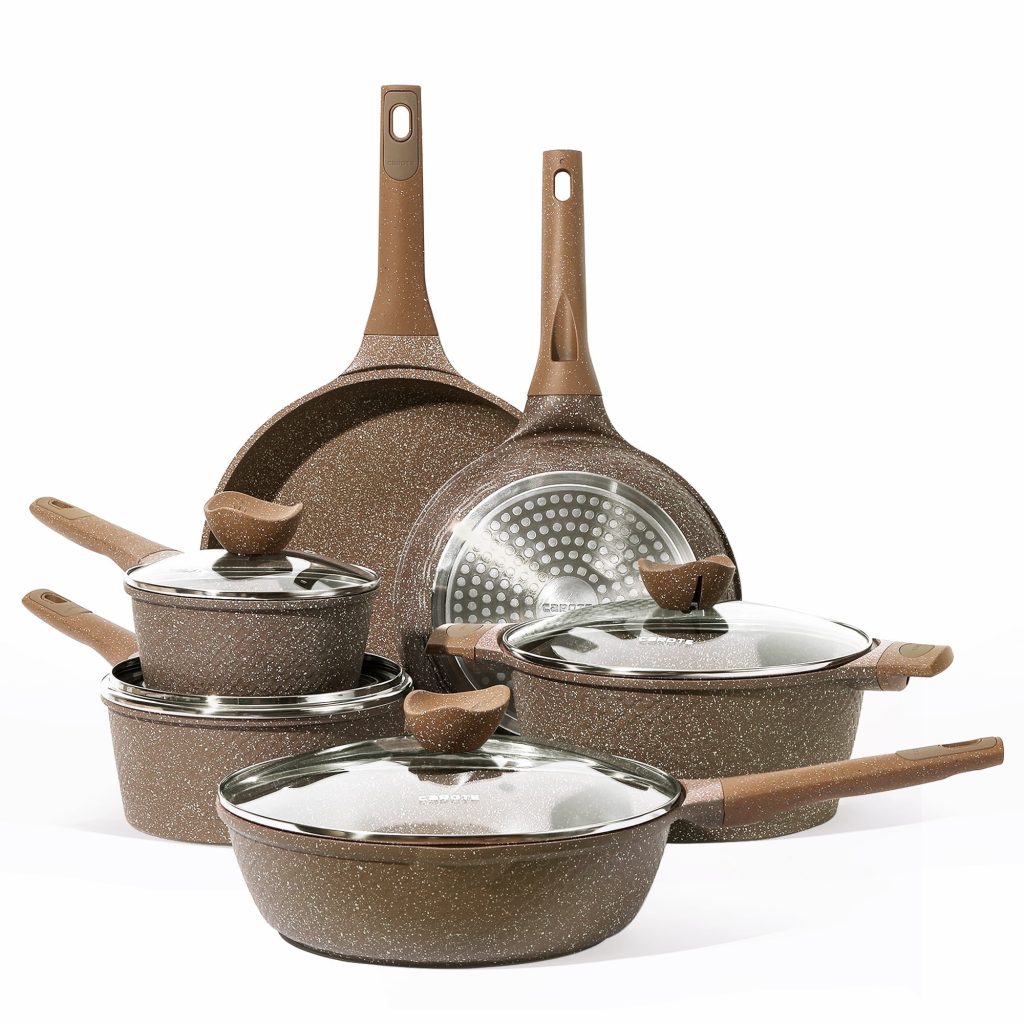
Are you curious about granite cookware and what makes it a popular choice in kitchens worldwide? You might have seen these sleek, shiny pots and pans and wondered, “What exactly is granite cookware made of?”
If you’re looking to upgrade your cooking arsenal or simply want to know more about what goes into this stylish kitchenware, you’re in the right place. Granite cookware promises durability, even heat distribution, and a touch of elegance to your culinary adventures.
As you dive into the details of its composition, you’ll discover why it’s becoming a favorite among home cooks and professional chefs alike. Stick around to uncover the secrets behind its design and learn how it can transform your cooking experience.

Credit: www.amazon.com
Granite Cookware Composition
Granite cookware is made of a metal core, typically aluminum or carbon steel, coated with porcelain enamel. This composition ensures even heat distribution and non-stick properties, making it a popular choice for healthy cooking.
Granite cookware is popular in many kitchens today. It combines durability with an appealing look. But, what exactly makes up this cookware? Understanding its composition is key to knowing its benefits.Core Material
Granite cookware is not made of real granite. Instead, it has a core of metal. Usually, this core is aluminum. Aluminum is lightweight and conducts heat well. This ensures even cooking.Coating
The outer layer of granite cookware is a coating. This coating mimics the look of granite. It’s often made from porcelain or enamel. The coating is non-stick. It makes cleaning easier and cooking more efficient.Benefits Of Composition
The combination of aluminum and coating has many benefits. Aluminum heats up quickly. The coating prevents food from sticking. Together, they offer a great cooking experience.Safety Considerations
Granite cookware is often free of harmful chemicals. Many brands ensure it’s PFOA and PTFE-free. This makes it a safe choice for families.Durability
Granite cookware is durable and scratch-resistant. The coating protects the surface from wear. This ensures the cookware lasts longer.Materials Used In Granite Cookware
Granite cookware is gaining popularity for its durability and aesthetic appeal. But what exactly is it made of? Understanding the materials used in granite cookware can help you make an informed decision when choosing the right piece for your kitchen. Let’s delve into the core materials that make granite cookware a sought-after choice.
Core Material
The foundation of granite cookware often lies in its core material. Typically, manufacturers use metals like aluminum or carbon steel as the base. Aluminum is favored for its lightweight nature and excellent heat conductivity, ensuring even cooking. Carbon steel offers robustness and longevity, making it ideal for those heavy-duty cooking sessions. Have you ever wondered why your cookware heats up so quickly? It’s likely due to this efficient core.
Granite Coating
Contrary to its name, granite cookware doesn’t actually contain any real granite. The term refers to a speckled coating that mimics the look of granite stone. This coating is usually a mix of porcelain enamel fused to the metal base, offering a unique blend of aesthetics and functionality. The coating not only enhances the cookware’s appearance but also protects the core material from wear and tear. Isn’t it fascinating how a simple coating can transform the entire cooking experience?
Non-stick Layer
One of the standout features of granite cookware is its non-stick layer. This layer is often made from PTFE (Polytetrafluoroethylene), which prevents food from sticking and makes cleaning a breeze. Some brands opt for ceramic-based non-stick surfaces, which are free from harmful chemicals. This non-stick layer is what allows you to cook with minimal oil, perfect for health-conscious individuals. Do you prefer cooking pancakes without a mess? Then, this non-stick feature is your best friend in the kitchen.
Manufacturing Process
Granite cookware features a core made of aluminum or stainless steel. A layer of granite-like coating covers the surface, providing durability. This coating is often mixed with non-stick materials for easy cooking and cleaning.
Granite cookware is popular for its durability and sleek appearance. Understanding its manufacturing process reveals why it excels in the kitchen. This process involves several steps, each contributing to the cookware’s strength and functionality.Casting Or Forging
Manufacturers use casting or forging to shape the cookware. Casting involves pouring molten metal into molds. This creates consistent shapes and thickness. Forging uses pressure to form the cookware from solid metal sheets. This results in a denser and more durable product.Coating Application
After shaping, the cookware receives a non-stick coating. This layer prevents food from sticking. It also makes cleaning easier. The coating is applied evenly to ensure uniform performance. It is crucial for the cookware’s usability and longevity.Curing And Finishing
The cookware undergoes curing to set the coating. This involves heating it to specific temperatures. Curing strengthens the coating and seals it to the cookware. Once cured, the cookware receives a final finish. This enhances its appearance and protects the surface. These steps ensure the cookware is ready for everyday use.Benefits Of Granite Cookware
Granite cookware combines a porcelain coating with a metal core, often aluminum or carbon steel. This blend ensures even heat distribution and non-stick properties. It’s durable, easy to clean, and perfect for healthier cooking with less oil.
Granite cookware has taken the culinary world by storm, and it’s easy to see why. This versatile cookware offers a multitude of benefits that make it a favorite among both professional chefs and home cooks. From its impressive durability to its excellent heat distribution, granite cookware can make your cooking experience more enjoyable and efficient.Durability
Granite cookware is renowned for its robustness. Unlike other materials that chip or scratch easily, granite is incredibly resilient. You can use metal utensils without worrying about damaging the surface. Think about the last time you had to replace a scratched-up pan. With granite cookware, you won’t face that issue for a long time. This longevity means you get excellent value for your money.Non-stick Properties
One of the standout features of granite cookware is its natural non-stick ability. You can cook with minimal oil, making your meals healthier. Imagine effortlessly flipping a pancake without it sticking to the pan. Gone are the days of scrubbing burnt food off your cookware. A simple rinse often does the trick. For anyone who values convenience in the kitchen, this is a game changer.Heat Distribution
Granite cookware is celebrated for its superior heat distribution. This ensures that your food cooks evenly, preventing hotspots. Say goodbye to partially cooked dishes and hello to perfectly seared meats and sautéed vegetables. Ever wondered why some meals taste better when cooked in certain pans? It often comes down to how evenly the heat is spread. Granite cookware provides that consistency, making every dish a potential masterpiece. The benefits of granite cookware extend beyond just practicality. It’s about enhancing your cooking experience and delivering delicious results. So, why not give it a try and see the difference it can make in your kitchen?Safety And Health Considerations
Granite cookware is crafted from aluminum or stainless steel with a granite-like coating. This coating is usually made from porcelain enamel or Teflon, ensuring durability and non-stick properties. Safety and health considerations are crucial, as these materials help prevent food contamination and make cleaning easy.
When choosing cookware, it’s crucial to think about safety and health considerations. Granite cookware, known for its durability and aesthetic appeal, often raises questions about its safety. Let’s explore what makes granite cookware a safe choice for your kitchen.Chemical-free Coating
Granite cookware is favored for its chemical-free coating, making it a healthier option for cooking. Unlike some non-stick pans, granite cookware typically avoids harmful chemicals in its production. This ensures that your food remains free from unwanted substances, providing peace of mind with every meal. The coating is usually made from natural materials, reducing the risk of releasing toxins during cooking. This is especially important when preparing meals at high temperatures. With granite cookware, you can focus on crafting delicious dishes without worrying about chemical leaching.Pfoa And Ptfe Concerns
Concerns about PFOA and PTFE in cookware are common, but granite cookware offers reassurance. Most granite cookware is free from these chemicals, which are often linked to health risks. This makes it a safer alternative for those mindful of their health. PFOA and PTFE are used in some non-stick coatings, but granite cookware manufacturers often prioritize avoiding these substances. The absence of PFOA and PTFE means you can cook with confidence, knowing your meals are safe for your family. Have you ever wondered if your cookware could affect your health? With granite cookware, you can put those worries to rest. Choosing cookware free from harmful chemicals is a step toward a healthier lifestyle.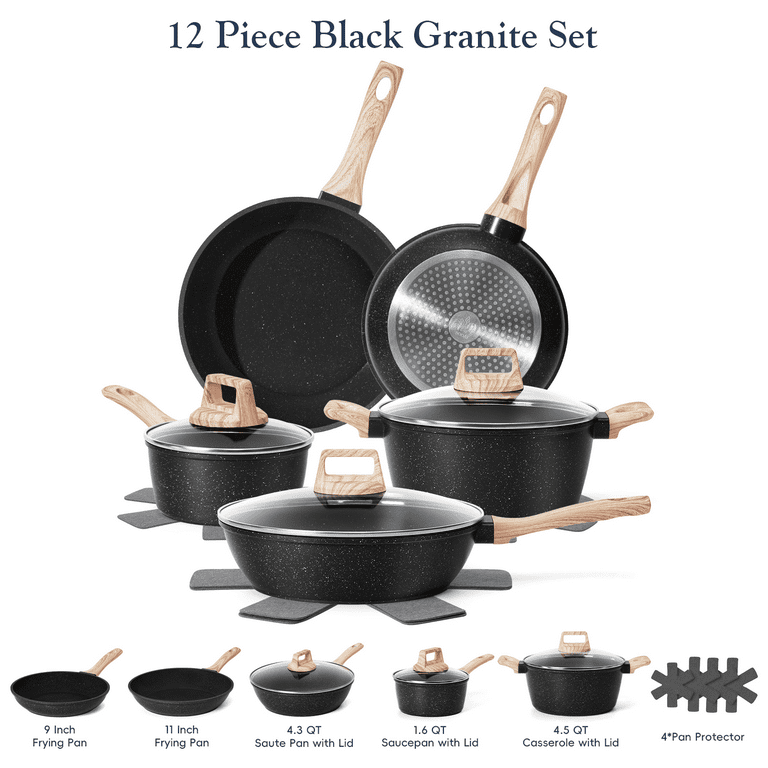
Credit: www.walmart.com
Care And Maintenance
Granite cookware is made from a core of aluminum or carbon steel. This core is coated with porcelain enamel, giving it a sleek, non-stick finish. Proper care ensures its durability and performance.
Caring for granite cookware ensures it lasts longer and performs well. Proper maintenance keeps the surface smooth and non-stick. Let’s explore easy ways to keep your granite cookware in top shape.Cleaning Tips
Rinse your granite cookware with warm water after each use. Use a soft sponge with mild dish soap to clean it. Avoid steel wool or abrasive pads as they can scratch the surface. Dry the cookware with a soft cloth to prevent water spots.Avoiding Damage
Prevent damage by using utensils made of wood or silicone. Metal utensils can leave scratches on the surface. Always let the cookware cool before washing. Sudden temperature changes can cause the material to crack. Store your cookware properly by stacking with soft liners between pieces.Comparing Granite Cookware To Other Types
Granite cookware is often surrounded by curiosity and intrigue. As you explore the world of cookware, understanding how granite stacks up against other popular options can guide your kitchen decisions. Granite cookware is known for its natural appearance and durability, but how does it really compare to alternatives like Teflon, Ceramic, or Cast Iron?
Granite Vs. Teflon
Teflon cookware has long been a favorite for its non-stick properties, allowing easy food release and simplified cleaning. However, concerns around Teflon’s chemical composition, especially at high temperatures, have led many to seek alternatives.
Granite cookware offers a safer option with its non-stick surface, usually achieved through a natural stone coating. Unlike Teflon, it doesn’t contain harmful chemicals like PTFE and PFOA, providing peace of mind while cooking.
If you’re someone who values safety in the kitchen, granite cookware might be your best bet. Plus, its aesthetic appeal can enhance your kitchen’s look, unlike Teflon’s often plain appearance.
Granite Vs. Ceramic
Ceramic cookware is known for its eco-friendly nature and vibrant colors, making it a popular choice for the environmentally conscious. Its non-stick surface is achieved through a mineral-based coating, similar to granite.
While both granite and ceramic offer non-toxic cooking experiences, granite cookware tends to be more durable. Ceramic can chip or crack if not handled with care, whereas granite is sturdier, resisting wear and tear.
Think about your cooking style—if you’re gentle with your pots and pans, ceramic’s beautiful designs might appeal to you. But if durability is a priority, granite might be the right choice.
Granite Vs. Cast Iron
Cast iron cookware is revered for its excellent heat retention and ability to enhance flavors over time. However, it requires regular seasoning and maintenance to prevent rust and maintain its non-stick quality.
Granite cookware offers a low-maintenance alternative, with a non-stick surface that doesn’t require seasoning. It’s lighter than cast iron, making it easier to handle, especially for quick meals.
Do you prefer simplicity in your cooking routine? Granite cookware allows you to skip the fuss of seasoning and offers an easy-to-clean surface, making it ideal for busy lifestyles.

Credit: www.amazon.com
Frequently Asked Questions
What Materials Make Up Granite Cookware?
Granite cookware typically consists of a base made from aluminum or carbon steel. This base is coated with a layer of porcelain enamel that mimics the appearance of granite. The enamel coating is durable, non-reactive, and provides a non-stick surface, making it ideal for cooking various dishes.
Is Granite Cookware Safe To Use?
Yes, granite cookware is generally safe for cooking. The non-stick porcelain enamel coating is free from harmful chemicals like PFOA and PTFE. This makes it a safer choice for health-conscious individuals. It’s important to avoid overheating to maintain its safety and performance.
How Does Granite Cookware Perform In Cooking?
Granite cookware offers excellent heat distribution due to its aluminum or steel base. The non-stick surface ensures easy food release and clean-up. This cookware is versatile and suitable for various cooking methods, including frying, sautéing, and simmering, enhancing your culinary experience.
What Are The Benefits Of Granite Cookware?
Granite cookware is known for its durability and aesthetic appeal. The non-stick surface minimizes the use of oil, promoting healthier cooking. It also heats evenly, ensuring consistent cooking results. Additionally, it’s easy to clean and maintain, making it a popular choice in modern kitchens.
Conclusion
Granite cookware is durable and versatile. It’s made with a metal core. This core is often aluminum. A non-stick coating covers the surface. This makes cooking easy and cleaning simple. Granite cookware is safe for most kitchens. It works on many stovetops.
You can cook various dishes with it. Its elegant look adds style to any kitchen. Choosing granite cookware offers many benefits. It is a practical choice for daily cooking needs. Enjoy cooking with granite cookware. It’s a great addition to your kitchen tools.
Explore the variety available today.