Have you ever wondered what really goes into the making of your favorite meals? Yes, the recipes are crucial, but there’s a secret weapon in your kitchen that often goes unnoticed—your cookware.
Whether you’re a culinary novice or a seasoned home chef, understanding cookware is essential to elevate your cooking game. Imagine having the power to transform simple ingredients into mouth-watering dishes with ease. Intrigued? Discover the tools that make magic happen right in your kitchen and learn how the right cookware can make all the difference in your cooking experience.
Keep reading to find out more about the types, materials, and benefits of cookware that can turn your kitchen into a culinary haven.
Cookware Basics
Understanding cookware basics is essential for any kitchen enthusiast. Cookware is the backbone of culinary adventures, shaping our cooking experiences. From frying pans to pots, each piece plays a unique role. Knowing the fundamentals can help in making informed choices.
Definition And Purpose
Cookware refers to the tools used for cooking food. It includes pans, pots, and other vessels. The primary purpose is to conduct heat efficiently and evenly. This ensures that food cooks properly. Different types of cookware suit different cooking methods. For instance, a frying pan is ideal for sautéing. A stockpot is best for making soups.
Materials And Construction
Cookware comes in various materials, each with its benefits. Common materials include stainless steel, cast iron, and non-stick coatings. Stainless steel is durable and resistant to rust. Cast iron retains heat well and adds flavor over time. Non-stick coatings prevent food from sticking. They make cleaning easier too.
Understanding the construction of cookware is important. Some have multiple layers for better heat distribution. Others have a single layer for lightweight use. Construction affects performance and longevity. Choose based on cooking needs and preferences.
Types Of Cookware
Understanding the types of cookware is essential for any kitchen enthusiast. Cookware varies in shape, size, and material. Each type serves a specific purpose in cooking. Knowing the right cookware to use can enhance your cooking experience. Let’s explore the different types of cookware available.
Pots And Pans
Pots and pans are the backbone of any kitchen. They come in various sizes and materials. Stainless steel is durable and easy to clean. Cast iron offers excellent heat retention. Non-stick pans are perfect for low-fat cooking. Each type has its unique benefits and uses.
Specialty Cookware
Specialty cookware includes items like woks and griddles. Woks are ideal for stir-frying, offering high heat and quick cooking. Griddles are great for pancakes and grilled sandwiches. Pressure cookers speed up cooking times for stews and soups. Specialty cookware can enhance specific cooking techniques.
Bakeware
Bakeware is essential for baking enthusiasts. It includes items like baking sheets, muffin tins, and cake pans. Baking sheets are used for cookies and roasting vegetables. Muffin tins are perfect for cupcakes and muffins. Cake pans come in various shapes for different cake styles. Bakeware is designed to withstand oven heat.
Materials Explained
Cookware materials define how your kitchen tasks unfold. Each material offers unique benefits and is suitable for different cooking methods. Understanding these materials helps in choosing the right cookware for your needs. Let’s explore the common cookware materials.
Stainless Steel
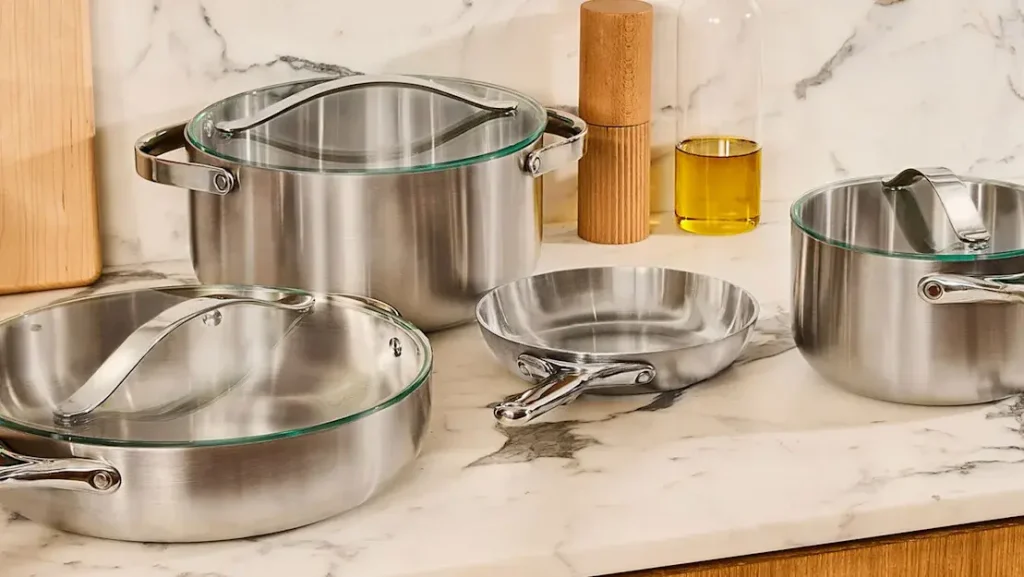
Stainless steel cookware is durable and resists rust. It is favored for its non-reactive nature, meaning it won’t alter food flavors. It distributes heat evenly, making it excellent for browning and searing. Stainless steel is dishwasher safe, simplifying cleanup.
Non-stick
Non-stick cookware is perfect for low-fat cooking. The coating prevents food from sticking, making it easy to clean. It’s ideal for delicate foods like eggs and fish. Use wooden or silicone utensils to prevent scratches.
Cast Iron
Cast iron cookware is known for its excellent heat retention. It is ideal for slow cooking and frying. Proper seasoning is required to maintain its non-stick surface. Cast iron can last for generations with good care.
Copper
Copper cookware offers superior heat conductivity. It heats quickly and evenly, providing precise temperature control. Copper requires regular polishing to maintain its shine. It often comes with a stainless steel lining to prevent reactions with food.
Ceramic
Ceramic cookware is made from clay and is free from synthetic coatings. It is naturally non-stick and easy to clean. It’s suitable for both stovetop and oven use. Ceramic offers a healthy cooking surface without harmful chemicals.

Credit: www.all-clad.com
Choosing The Right Cookware
Cookware encompasses pots, pans, and utensils essential for cooking. It varies in materials, sizes, and purposes. Choosing the right cookware depends on cooking habits and preferences, ensuring efficient and enjoyable meal preparation.
Choosing the right cookware is a crucial step in setting up an efficient kitchen. The right set of pots, pans, and utensils can make your cooking experience more enjoyable and your meals more delicious. But with so many options available, how do you decide which cookware suits your needs?Cooking Style Considerations
Think about what you love to cook. Do you often make soups and stews? A heavy-duty stockpot might be your best friend. Love stir-frying? A wok could be essential. If you prefer baking, investing in quality baking sheets and dishes is wise. Your preferred cuisine can guide your cookware choices and enhance your culinary efforts.Budget And Value
Consider your budget but remember that investing in quality can save money in the long run. Good cookware doesn’t have to break the bank, but cheap options may not last. Look for sales or sets that offer the best value. It’s better to have fewer, high-quality pieces than a cupboard full of pans that don’t deliver.Durability And Maintenance
Durability is key if you want your cookware to last. Stainless steel and cast iron are known for their longevity. However, they require specific maintenance like seasoning and careful cleaning. Non-stick pans are easy to clean but can wear out quickly. Assess how much time you’re willing to spend on upkeep and choose accordingly. Choosing cookware is about more than just picking something off the shelf. It’s about finding the tools that fit your cooking style, budget, and lifestyle. What cookware will you choose to make your kitchen shine?Cookware Safety Tips
Cookware includes pots, pans, and utensils used for cooking. Ensuring safety involves using non-toxic materials and avoiding high heat with non-stick surfaces. Regularly inspect for wear and tear to prevent hazards.
Cookware Safety Tips Cooking is a delightful experience, but ensuring safety while using cookware is essential. Whether you’re a seasoned chef or a beginner, understanding how to handle, use, and maintain your cookware can prevent accidents and extend the life of your kitchen tools. Let’s dive into some practical tips to keep your kitchen safe and efficient.Handling And Usage
When you’re in the kitchen, it’s easy to get carried away by the aromas and flavors. However, attention to handling your cookware is crucial. Always use oven mitts or pot holders when dealing with hot pots and pans. Even the most experienced cooks can burn themselves if they’re not careful. It’s also vital to ensure that the handles of pots and pans are securely fastened. Loose handles can lead to spills and accidents. Consider checking them regularly, especially if you use your cookware frequently. Have you ever noticed how some pots and pans are not suitable for certain stoves? Always ensure your cookware matches the heat source. For instance, induction cooktops require magnetic-based cookware. This small detail can make a big difference in your cooking efficiency and safety.Cleaning And Care
Cleaning your cookware properly is not just about aesthetics; it’s about safety too. Avoid using harsh abrasives that can damage non-stick surfaces. Instead, opt for soft sponges or brushes that won’t scratch. After cooking, it’s tempting to let pots and pans soak, but prolonged exposure to water can lead to rust. Instead, clean them promptly and dry them thoroughly. This simple habit can extend the life of your cookware significantly. Consider the materials of your cookware when cleaning. For example, cast iron requires seasoning to maintain its non-stick surface, while stainless steel can handle a good scrub. Knowing what your cookware needs can prevent damage and ensure it remains safe for use. By following these simple yet effective cookware safety tips, you can make your kitchen a safer place and enjoy your cooking adventures without worry. So next time you step into the kitchen, remember these insights and cook with confidence!Essential Cookware For Every Kitchen
Equipping your kitchen with the right cookware can transform your cooking experience from frustrating to enjoyable. Whether you’re a seasoned chef or a beginner, having essential cookware is key to preparing delicious meals efficiently. But what exactly does “essential” mean for cookware? Let’s explore the core items every kitchen should have, along with some nice-to-have extras that can enhance your culinary adventures.
Must-have Items
- Skillet/Frying Pan:A versatile tool for everything from frying eggs to searing steaks. Opt for a non-stick or cast-iron version for durability and easy clean-up.
- Saucepan:Ideal for boiling pasta, making sauces, or reheating soups. A medium-sized, heavy-bottomed saucepan is a kitchen workhorse.
- Stockpot:Perfect for soups, stews, and large batches of food. Consider a size that fits your cooking needs without crowding your kitchen.
- Baking Sheet:Essential for baking cookies, roasting vegetables, and more. A rimmed sheet prevents spills and adds versatility.
- Knife Set:Investing in a good set of knives pays off with easier and safer chopping, slicing, and dicing.
Do you have all these items? If not, they might be your next kitchen investment!
Nice-to-have Extras
- Cast Iron Dutch Oven:Great for slow cooking, braising, and even baking bread. Its heat retention is unmatched.
- Griddle:Expands your breakfast options with pancakes and grilled sandwiches. It’s a fun addition for weekend brunches.
- Steamer Basket:A simple way to cook vegetables without losing nutrients. It fits into your existing pots, saving space.
- Immersion Blender:Blends soups directly in the pot, reducing mess and cleanup. It’s surprisingly handy for quick tasks.
- Mixing Bowls:Different sizes for various tasks like mixing, marinating, and serving. Stackable designs save storage space.
Are these extras really necessary? Maybe not, but they sure make cooking more enjoyable and efficient. Consider adding them as you expand your culinary skills.
Maintaining Your Cookware
Cookware refers to pots, pans, and other tools used for cooking. Proper maintenance extends their life and enhances performance. Regular cleaning and storage prevent damage and ensure safe cooking.
Maintaining your cookware ensures its longevity and performance. Quality cookware needs care to last. Proper maintenance helps keep its cooking efficiency. Let’s explore effective ways to maintain your cookware.Proper Cleaning Techniques
Cleaning cookware correctly prevents damage. Use gentle dish soap and a soft sponge. Avoid abrasive cleaners that can scratch surfaces. For stuck-on food, soak the pan in warm water. This helps loosen food particles. Avoid using steel wool on non-stick surfaces. It can ruin the coating. Dry cookware thoroughly to prevent rust.Storage Solutions
Proper storage helps keep cookware in good condition. Hang pots and pans on a rack for easy access. This prevents stacking damage. Use protectors between stacked pans to avoid scratches. Store lids separately to save space. A dedicated shelf or drawer is ideal. Keep cookware in a dry place. This prevents moisture damage and maintains quality.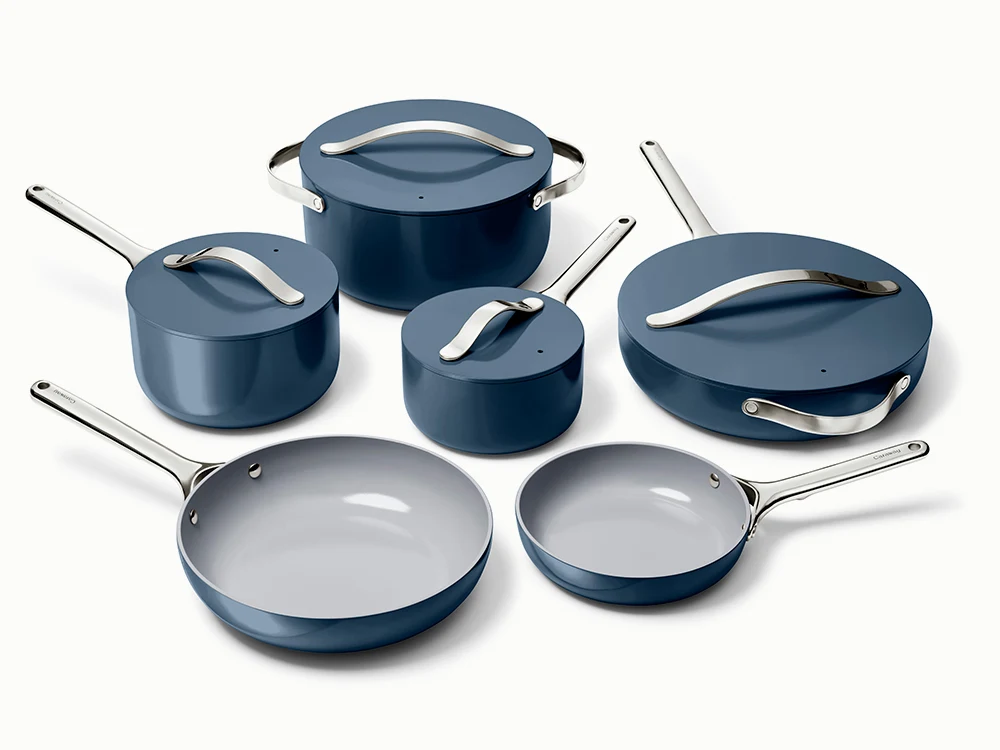
Credit: www.carawayhome.com

Credit: nypost.com
Frequently Asked Questions
What Is Cookware Used For?
Cookware is essential for cooking and preparing meals. It includes pots, pans, and other kitchen utensils. These items help in boiling, frying, baking, and steaming. Different cookware materials can affect cooking efficiency and food taste. Choosing the right cookware enhances your cooking experience.
How Do I Choose The Best Cookware?
Choosing the best cookware depends on your cooking needs. Consider the material, such as stainless steel or non-stick. Think about the type of cooking you do most often. Durability, heat conductivity, and ease of cleaning are also important factors. Investing in quality cookware can improve your cooking results.
What Are Common Types Of Cookware Materials?
Common cookware materials include stainless steel, cast iron, and non-stick. Stainless steel is durable and resistant to rust. Cast iron is excellent for heat retention and even cooking. Non-stick surfaces make cleaning easier and reduce the need for oils. Each material offers unique benefits for different cooking styles.
Is Non-stick Cookware Safe For Health?
Non-stick cookware is generally safe when used correctly. Avoid overheating and using metal utensils to prevent surface damage. Overheated non-stick surfaces can release harmful fumes. Choose high-quality non-stick cookware to ensure safety and durability. Proper care extends the life of your non-stick pots and pans.
Conclusion
Choosing the right cookware matters for every kitchen. It affects cooking results and ease of use. Different materials offer unique benefits. Stainless steel is durable. Cast iron retains heat well. Non-stick pans make cleaning simple. Each type suits different needs.
Consider your cooking style and preferences. This helps in selecting the best cookware. Proper care extends the life of your pots and pans. So, invest wisely in quality pieces. Your meals and family will thank you. Happy cooking with your perfect cookware!