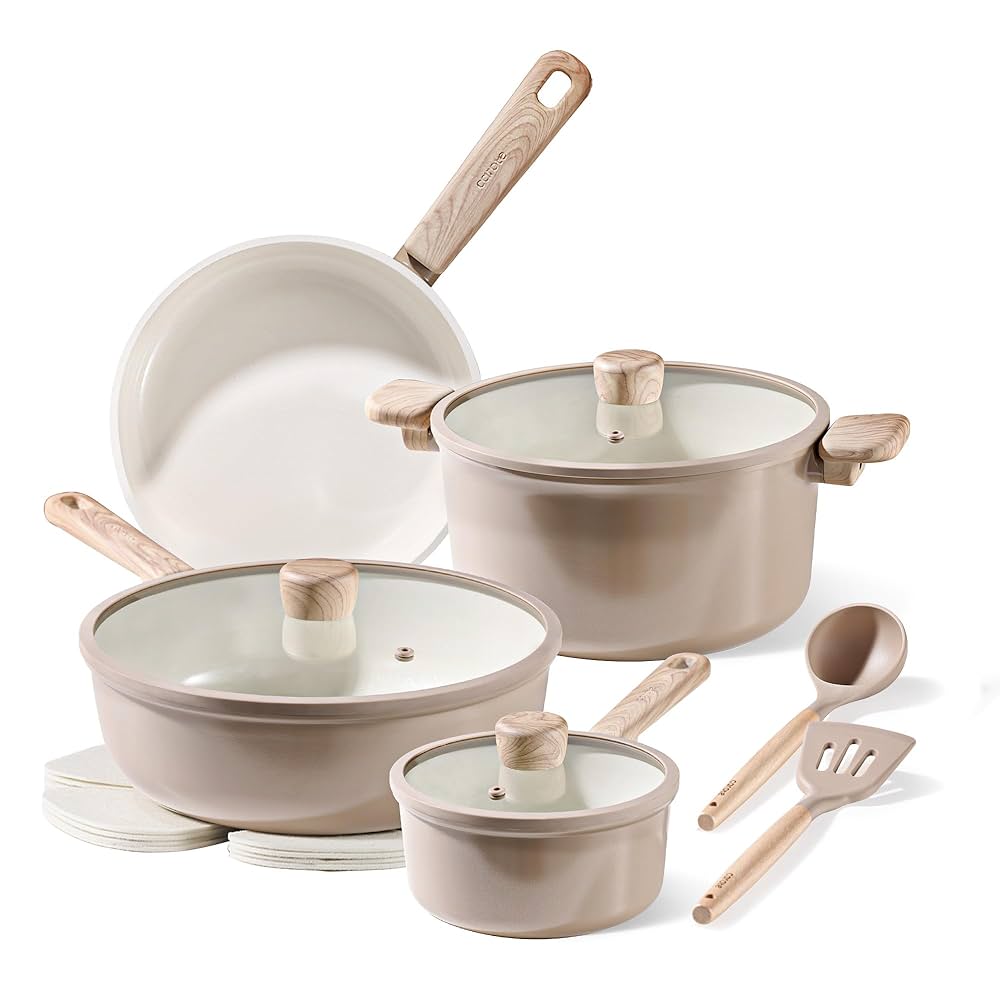
Are you tired of using cookware that doesn’t live up to your expectations? Have you ever wondered if there’s a safer, more efficient alternative to traditional pots and pans?
If so, you’re in the right place. Ceramic cookware has been making waves in kitchens everywhere, promising not only a sleek design but also an array of benefits that could transform your cooking experience. But what exactly is ceramic cookware, and why should it matter to you?
Before you invest in another set of kitchen essentials, let’s delve into what makes ceramic cookware stand out. Whether you’re a seasoned chef or someone who just loves a good home-cooked meal, understanding this innovative kitchen technology could be your secret weapon to cooking success. Keep reading to discover why ceramic cookware might just be the upgrade your kitchen needs.
Ceramic Cookware Basics
Ceramic cookware is a popular choice for many home cooks. It’s known for its non-stick surface and even heat distribution. But what exactly is ceramic cookware? Let’s explore its basics.
History And Origins
Ceramic cookware has ancient roots. Early civilizations used clay pots for cooking. Over time, techniques evolved, leading to modern ceramic cookware. It retains the charm of traditional pottery while offering advanced features.
Materials Used
Ceramic cookware is often made from clay. The clay is hardened by heat. Some ceramic cookware includes a metal core. This enhances durability and heat conduction. The outer layer is usually coated with a ceramic glaze. This provides a smooth, non-stick surface.

Credit: www.amazon.ca
Types Of Ceramic Cookware
Ceramic cookware comes in various types, including glazed and unglazed options. Glazed ceramic features a smooth coating, enhancing durability. Unglazed ceramic offers a natural, rustic look, ideal for baking. Both types provide even heat distribution, making them popular in kitchens.
Ceramic cookware offers a versatile option in the kitchen. It is popular for its durability and even heat distribution. Understanding the types of ceramic cookware is essential. This helps you choose the best fit for your cooking needs. Let’s explore different types available.Glazed Vs. Unglazed
Glazed ceramic cookware has a shiny surface. This glaze provides a smooth finish, making it easy to clean. It also prevents food from sticking. Glazed options often come in vibrant colors. Unglazed ceramic lacks this glossy surface. It has a more rustic appearance. It is porous and absorbs flavors. This can enhance the taste of certain dishes. Unglazed cookware requires more care. It can stain and needs careful cleaning.Non-stick Variants
Non-stick ceramic cookware is coated to prevent sticking. This makes cooking and cleaning simpler. It often requires less oil for cooking. Health-conscious individuals prefer it for this reason. These variants are popular for frying and sautéing. They provide a smooth cooking experience. Non-stick ceramic is available in various designs. You can find it in pots, pans, and baking dishes.Health Advantages
Ceramic cookware offers health benefits by using non-toxic, natural materials. It avoids harmful chemicals found in non-stick options. Cooking with ceramic ensures food retains its nutrients and flavors.
Ceramic cookware has been making waves in kitchens around the world, not just for its sleek and modern appearance but for its impressive health advantages. As more people become conscious of what they eat and how they cook, ceramic cookware stands out as a healthy choice. It provides a safer cooking experience compared to traditional non-stick pans that often contain harmful chemicals. Let’s delve into the specific health benefits that make ceramic cookware a must-have for any health-conscious kitchen.Chemical-free Cooking
Using ceramic cookware means you can say goodbye to toxic chemicals that often lurk in conventional non-stick coatings. Traditional non-stick pans frequently contain substances like PTFE and PFOA, which can release harmful fumes when heated at high temperatures. In contrast, ceramic cookware is made from natural materials and is free from these harmful compounds. You can enjoy peace of mind knowing your food is not being contaminated by unwanted chemicals. Have you ever wondered how safe your pans really are? With ceramic cookware, you don’t have to. Its non-toxic surface ensures your meals remain pure and healthy, making it a top choice for families and health enthusiasts alike.Low-fat Cooking Benefits
Ceramic cookware offers a slick surface that requires minimal oil or butter, promoting healthier, low-fat meals. This is a game-changer for those watching their calorie intake or aiming to reduce unhealthy fats in their diet. With its efficient heat distribution, ceramic cookware ensures your food cooks evenly, preventing the need for excessive oil to avoid sticking. Imagine enjoying your favorite stir-fry or omelette without the guilt of added fats. By using ceramic cookware, you can maintain the flavor and texture of your dishes while keeping them healthier. Isn’t it time to prioritize both taste and health in your cooking routine? Incorporating ceramic cookware into your kitchen not only enhances your culinary experience but also supports your health goals. With chemical-free and low-fat cooking benefits, it’s clear why ceramic cookware is becoming an essential tool for the modern home chef. So, are you ready to make the switch and embrace healthier cooking habits?Environmental Impact
Ceramic cookware offers a sustainable option with low environmental impact. Made from natural materials, it avoids harmful toxins often found in other cookware. Its production and disposal process tends to be eco-friendly, supporting a healthier planet.
Ceramic cookware is gaining popularity for its minimal environmental impact. It offers an eco-friendly alternative to traditional cooking materials. Its production process and sustainability features contribute significantly to its reduced ecological footprint.Sustainability Factors
Ceramic cookware is made from natural materials like clay. This reduces reliance on non-renewable resources. Its durability minimizes waste, as it lasts longer than other cookware. When disposed of, it breaks down more easily than metals or plastics. Some brands even offer recycling programs, further reducing waste.Eco-friendly Manufacturing
Manufacturers often use low-energy processes to create ceramic cookware. This helps cut down on carbon emissions. Many companies use water-based coatings, avoiding harmful chemicals. These practices protect air and water quality. The commitment to green manufacturing ensures a smaller environmental footprint. Ceramic cookware’s production often supports fair labor practices. This ensures that workers are paid and treated fairly. Choosing ceramic supports ethical manufacturing methods.Safety Concerns
Ceramic cookware has gained popularity due to its non-stick properties and appealing aesthetic. However, it’s essential to consider safety concerns when using these kitchen staples. Are you aware of the potential risks associated with ceramic cookware? Let’s delve into what you need to know to ensure safe cooking practices.
Potential Risks
Although ceramic cookware is generally considered safe, there are some risks if not used properly. One primary concern is the potential for lead and cadmium contamination. Older or lower-quality ceramic coatings might contain these harmful substances, which can leach into food during cooking. To mitigate this, always choose high-quality, certified ceramic cookware from reputable brands.
Another risk is the possibility of the ceramic coating cracking or chipping. This can happen if cookware is subjected to rapid temperature changes or is accidentally dropped. Chipped coatings may expose the underlying metal, which could react with acidic foods, potentially altering the taste and safety of your meal. Regularly inspecting your cookware for any damage can prevent such issues.
Proper Usage Tips
To maximize the safety of your ceramic cookware, follow a few simple tips. Always use wooden, silicone, or nylon utensils to avoid scratching the ceramic surface. This will help maintain the integrity of the non-stick coating and prolong the life of your cookware.
Avoid cooking on high heat settings. Ceramic cookware retains heat well, so medium to low heat is usually sufficient. This not only prevents potential damage to the coating but also improves the taste and texture of your dishes.
Finally, let your cookware cool down naturally before washing. Sudden temperature changes can cause thermal shock, leading to cracks in the ceramic coating. By taking these precautions, you can enjoy the benefits of ceramic cookware while minimizing any safety risks.

Credit: www.amazon.ca
Care And Maintenance
Ceramic cookware offers a non-stick surface, ideal for healthy cooking. Proper care includes gentle cleaning and avoiding metal utensils to maintain its pristine condition. Regular maintenance ensures durability and enhances cooking performance over time.
Caring for your ceramic cookware properly can extend its lifespan and maintain its non-stick qualities. With the right techniques, you can ensure your cookware remains in pristine condition. Let’s explore some essential cleaning and storage tips.Cleaning Techniques
Ceramic cookware requires a gentle touch to preserve its surface. Use a soft sponge or cloth with warm soapy water for everyday cleaning. Avoid abrasive pads, which can scratch the ceramic coating. For stubborn stains, try a paste of baking soda and water. Apply it to the stain, let it sit for 10-15 minutes, then gently scrub away. It’s an eco-friendly solution that keeps your cookware spotless. Dishwashers might seem convenient, but they can wear down the ceramic over time. Hand washing is the safest bet for long-lasting cookware.Storage Suggestions
Proper storage is crucial to prevent chipping or scratching. Stack your ceramic pans with a soft cloth or paper towel between each piece. This simple step can prevent unwanted friction. Consider hanging your pans if space allows. It’s a great way to avoid stacking and adds a stylish touch to your kitchen. Do you find your cabinets cluttered? Opt for a pot rack or a dedicated shelf to keep your ceramic cookware easily accessible and organized. This not only protects your cookware but also makes your cooking space more efficient.Choosing The Right Ceramic Cookware
Ceramic cookware is made from clay and hardened by heat. It’s known for its non-stick surface and even heat distribution. Perfect for cooking healthy meals without added oils.
Choosing the right ceramic cookware can transform your cooking experience and elevate your culinary creations. With so many options available, finding the perfect set for your kitchen might seem overwhelming. However, understanding key factors and popular brands can guide you in making an informed decision. Imagine cooking your favorite dish with cookware that not only looks stylish but also enhances the flavor and nutritional value of your meals.Factors To Consider
When selecting ceramic cookware, there are several important factors to keep in mind:
- Material Quality:Ensure the ceramic coating is free from harmful chemicals like PTFE and PFOA, which can release toxic fumes at high temperatures.
- Heat Conductivity:Look for cookware that evenly distributes heat, preventing hot spots that can burn food.
- Durability:Consider the longevity of the ceramic coating. High-quality ceramic cookware should withstand the rigors of daily cooking without chipping or peeling.
- Compatibility:Check if the cookware is suitable for your stove type, whether it’s gas, electric, or induction.
- Ease of Cleaning:Opt for cookware with a non-stick surface that makes cleaning a breeze.
Choosing cookware that aligns with your cooking habits ensures you enjoy every moment in the kitchen.
Popular Brands
Several brands have carved a niche in the ceramic cookware market, each offering unique features:
- GreenPan:Known for its eco-friendly products, GreenPan offers ceramic cookware that is both durable and toxin-free.
- Caraway:With stylish designs and vibrant colors, Caraway has become a favorite for those who want a modern touch in their kitchen.
- Scanpan:Offering high-quality construction and excellent heat distribution, Scanpan is ideal for serious home cooks.
- Cuisinart:A household name, Cuisinart provides reliable ceramic cookware that meets everyday cooking needs.
These brands offer a range of options to suit different tastes and budgets. What’s the one feature you can’t compromise on when selecting cookware?
Choosing ceramic cookware involves more than just picking a pretty set. It’s about understanding your cooking style, needs, and preferences. With the right choice, you can enjoy cooking and eating delicious meals every day.
Credit: www.costco.ca
Frequently Asked Questions
What Is Ceramic Cookware Made Of?
Ceramic cookware is crafted from clay that is baked and glazed. This creates a non-stick surface ideal for cooking. The glaze provides a smooth finish that is resistant to scratching and chipping. It offers a healthier alternative to traditional non-stick coatings.
Is Ceramic Cookware Safe For Cooking?
Yes, ceramic cookware is safe for cooking. It does not leach harmful chemicals into food. Unlike Teflon, it is free from PTFE and PFOA. Ceramic is heat-resistant and can withstand high temperatures without releasing toxins.
How Do I Clean Ceramic Cookware?
Cleaning ceramic cookware is simple. Use warm, soapy water and a soft sponge to clean. Avoid abrasive cleaners that can damage the surface. For stubborn stains, soak the cookware in water before cleaning. Always let it cool before washing.
Can Ceramic Cookware Be Used On All Stovetops?
Most ceramic cookware can be used on gas, electric, and glass stovetops. Always check the manufacturer’s guidelines for compatibility. It’s important to avoid sudden temperature changes to prevent cracking. Ceramic cookware is generally not suitable for induction stovetops.
Conclusion
Ceramic cookware offers a blend of style and function. Its non-stick surface makes cooking easier and cleaning simple. This cookware is safe, free from harmful chemicals, ensuring healthy meals. It works well on most stovetops, providing versatility in the kitchen.
While it may require careful handling to avoid chips, its benefits outweigh this concern. With ceramic cookware, you achieve even cooking. Plus, it adds a modern touch to your kitchen. Consider your cooking needs and budget. Ceramic cookware could be a great addition.
Enjoy cooking with its many advantages.