Imagine transforming your cooking experience with a timeless kitchen tool that promises durability and versatility. Cast iron cookware might just be what you’re looking for.
If you’re wondering what makes it so special, you’re in the right place. Whether you’re an amateur cook or a seasoned chef, understanding the charm and benefits of cast iron can revolutionize your culinary adventures. By the end of this article, you’ll discover why this ancient cookware is still a favorite in modern kitchens.
So, if you’re ready to explore how cast iron can elevate your cooking and become a staple in your kitchen, keep reading to unlock the secrets behind this remarkable cookware.

Credit: www.amazon.com
History Of Cast Iron Cookware
Cast iron cookware has roots tracing back centuries. Known for durability, it retains heat well, enhancing cooking. Used globally, this cookware has been a kitchen staple, evolving over time. Its versatility in cooking methods makes it a favorite among chefs and home cooks alike.
The history of cast iron cookware is as rich and robust as the meals it helps create. This timeless kitchen staple has been around for centuries, evolving with the times and becoming an integral part of culinary traditions worldwide. Understanding its journey from ancient blacksmiths to modern chefs can deepen your appreciation for these durable pieces, perhaps even inspiring you to try your hand at cooking with cast iron.The Origins Of Cast Iron
Cast iron cookware traces its roots back to ancient China, around the 5th century BC. It was here that the technique of casting iron into molds was pioneered, allowing for the production of durable and versatile cooking tools. These early innovations laid the groundwork for the widespread use of cast iron cookware across different cultures.Cast Iron In Europe
By the 14th century, cast iron production had spread to Europe, particularly in England. The Industrial Revolution saw a boom in cast iron manufacturing due to advancements in technology. Cast iron pots and pans became a household staple, valued for their ability to retain heat and withstand high temperatures.Cast Iron In America
Cast iron crossed the Atlantic with European settlers and quickly became a favorite in American kitchens. The 18th and 19th centuries marked the golden age of cast iron cookware in the United States, with many families owning a prized cast iron skillet or Dutch oven. These were often passed down through generations, becoming treasured family heirlooms.The Decline And Resurgence
The mid-20th century saw a decline in the popularity of cast iron cookware with the rise of non-stick and aluminum alternatives. However, in recent years, there has been a resurgence in interest, driven by a growing appreciation for traditional cooking methods and sustainable materials. Today, many home cooks and professional chefs are rediscovering the benefits of cast iron.Why Cast Iron Endures
What makes cast iron so enduring? Its durability and versatility are unmatched, making it a wise investment for any kitchen. Whether you’re searing a steak or baking cornbread, cast iron’s ability to retain and evenly distribute heat ensures consistent results. Plus, with proper care, it can last a lifetime, often improving with age. As you consider adding cast iron to your culinary toolkit, think about its storied past and the countless meals it’s helped create. What recipes will you bring to life with this timeless material?:max_bytes(150000):strip_icc()/faw-le-creuset-signature-enameled-cast-iron-skillet-10-25-jennifer-zyman-08-f0ca04d60f154f308bfd453e42397148.jpeg)
Credit: www.foodandwine.com
Types Of Cast Iron Cookware
Cast iron cookware is a timeless kitchen staple. It offers versatility and durability unmatched by other materials. This cookware comes in various types, each serving distinct cooking needs. Understanding these types enhances your culinary experience and helps you choose the right piece for your kitchen.
Skillets And Frying Pans
Skillets are essential for frying, searing, and sautéing. Their heavy base ensures even heat distribution. This quality makes them perfect for browning meat and cooking eggs. Skillets come in different sizes, catering to small or large servings.
Dutch Ovens
Dutch ovens excel in slow-cooking stews and soups. Their thick walls retain heat for extended periods. This makes them ideal for baking bread or roasting meats. The tight-fitting lid keeps moisture in, enhancing flavor and tenderness.
Griddles And Grill Pans
Griddles provide a flat surface for pancakes and sandwiches. They distribute heat evenly, ensuring perfect cooking results. Grill pans have ridges, mimicking outdoor grills. They are excellent for grilling vegetables and meats indoors.
Baking Molds
Baking molds are perfect for cakes and pastries. Their heat retention creates a crisp, golden crust. These molds come in various shapes, adding creativity to your baking. They are durable and withstand high oven temperatures.
Benefits Of Using Cast Iron Cookware
Cast iron cookware has been a kitchen staple for generations, and for good reason. Its unique properties offer a host of benefits that enhance both the cooking experience and the quality of the food you prepare. If you’re considering adding cast iron to your culinary arsenal, here are some compelling reasons why it’s a wise choice.
Durability And Longevity
Cast iron cookware is renowned for its incredible durability. It’s not uncommon to find skillets that have been passed down through families for decades, still performing as well as the day they were first used. This resilience means you’re investing in a product that can last a lifetime, saving you money in the long run.
Versatility In Cooking
One of the greatest advantages of cast iron is its versatility. You can use it on the stovetop, in the oven, or even over an open flame. Whether you’re searing a steak, baking cornbread, or simmering a stew, cast iron can handle it all. It truly is the Swiss army knife of cookware.
Superior Heat Retention
Cast iron excels at retaining heat, which is crucial for achieving perfect cooking results. Once heated, it maintains a consistent temperature, ensuring even cooking. This makes it ideal for tasks like browning meats or creating a perfect crispy crust on your favorite dishes.
Natural Non-stick Properties
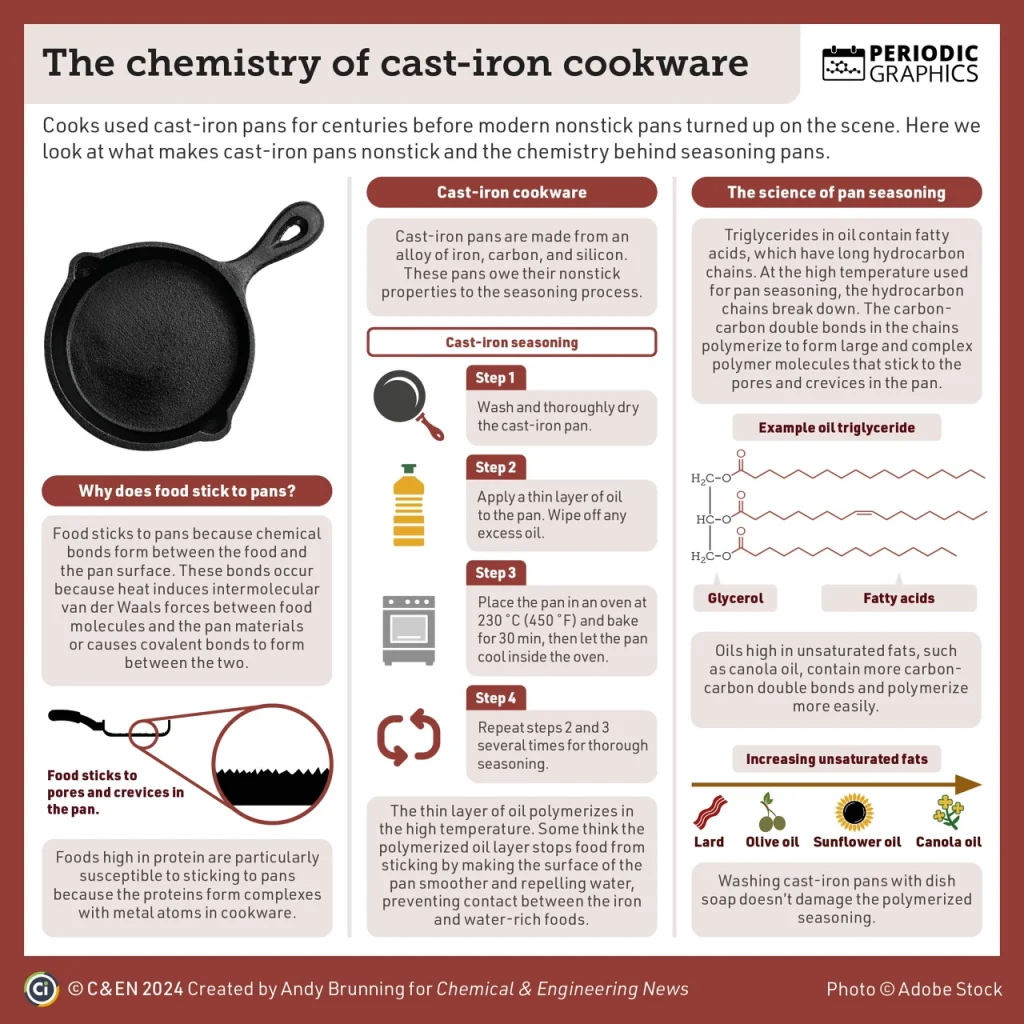
With proper seasoning, cast iron develops a natural non-stick surface. This means you can cook with less oil and enjoy easy food release. Plus, over time, the seasoning improves, enhancing the flavor of your dishes. Imagine the satisfaction of flipping a perfectly cooked pancake without it sticking!
Have you tried cooking with cast iron? What benefits have you noticed in your own kitchen?
Health Advantages
Cast iron cookware promotes better health by retaining nutrients during cooking. Its natural non-stick surface reduces the need for excess oil, supporting healthier meals. Additionally, it offers iron supplementation, beneficial for individuals with iron deficiency.
The health advantages of cast iron cookware are often overlooked but can significantly impact your well-being. Imagine cooking with a tool that not only enhances the taste of your food but also boosts your health. Let’s dive into how cast iron cookware can be a valuable addition to your kitchen for health-conscious cooking.Iron Supplementation
Cooking with cast iron can naturally increase your iron intake. This is particularly beneficial if you’re prone to iron deficiency or anemia. As you cook, small amounts of iron are released into your food, enriching it naturally. Consider the difference in iron content when making something as simple as tomato sauce. You might find that using a cast iron skillet adds significantly more iron than other cookware. This can be a simple step to ensure you’re getting enough of this essential mineral.Chemical-free Cooking
Unlike non-stick pans that often contain synthetic coatings, cast iron offers a chemical-free cooking experience. You won’t have to worry about potentially harmful substances leaching into your food. This means healthier meals for you and your family without hidden additives. Plus, with proper care, cast iron can last a lifetime, reducing waste and making it an environmentally friendly choice. Have you ever considered how much peace of mind a simple cookware swap can bring? Cooking with cast iron isn’t just a step towards better health; it’s a commitment to safer, cleaner eating.Care And Maintenance
Cast iron cookware requires regular care to maintain its quality. Clean thoroughly after each use and dry immediately. Apply a thin layer of oil to prevent rust and store in a dry place. Proper maintenance ensures long-lasting performance and enhances cooking results.
The beauty of cast iron cookware lies in its durability. Proper care and maintenance are crucial. This ensures your cookware lasts for generations. Keeping it in top shape requires a few key practices. With the right techniques, you can protect its surface and enhance its performance. Let’s explore how to care for your cast iron effectively.Seasoning Techniques
Seasoning is essential for cast iron. It creates a natural non-stick surface. Begin by cleaning the cookware with warm water. Dry it thoroughly using a cloth or paper towel. Apply a thin layer of vegetable oil. Use a brush or cloth for even coverage. Place the cookware upside down in the oven. Heat at 350°F for an hour. Allow it to cool in the oven. This process forms a protective layer. Regular seasoning improves its longevity.Cleaning Tips
Proper cleaning keeps cast iron in good condition. Avoid soap, as it removes seasoning. Instead, use hot water and a stiff brush. For stubborn residues, use coarse salt. Rinse thoroughly to remove salt. Dry immediately to prevent rust. A light coat of oil after cleaning helps maintain the seasoning. Never soak cast iron in water. This leads to rust and damage.Storage Recommendations
Store cast iron in a dry place. Moisture encourages rust. Keep it in a cupboard or on a rack. Ensure it is fully dry before storage. You can stack pieces, but place paper towels between them. This prevents scratching and moisture buildup. Avoid storing with the lid on. Air circulation is necessary. Proper storage keeps your cookware ready for use.
Credit: www.bbcgoodfood.com
Comparing Cast Iron With Other Cookware
Cast iron cookware is known for its durability and heat retention. Unlike non-stick pans, it can withstand high temperatures. Its heavy build ensures even cooking, making it ideal for various dishes.
Comparing Cast Iron with Other Cookware Choosing the right cookware can significantly impact your cooking experience and the quality of your meals. Cast iron cookware has been a kitchen staple for centuries, but how does it stack up against other popular materials? Let’s delve into the details and explore the differences between cast iron and other cookware options to help you make an informed choice.Aluminum Cookware
Aluminum cookware is known for its light weight and excellent heat conduction. This means it heats up quickly, making it ideal for fast-paced cooking. However, aluminum can react with acidic foods, potentially altering the taste of your dish. Unlike cast iron, it doesn’t retain heat as well, which might not be ideal for slow-cooked meals.Stainless Steel Cookware
Stainless steel cookware is prized for its durability and resistance to rust. It doesn’t react with food, making it a versatile choice for a variety of dishes. While stainless steel is excellent for browning and searing, it doesn’t offer the same heat retention as cast iron. You might find yourself adjusting the temperature more frequently during cooking.Non-stick Cookware
Non-stick cookware is a favorite for those who want an easy cleanup. The non-stick surface allows for cooking with less oil, which is great for health-conscious cooks. However, the coating can wear over time, and it doesn’t tolerate high heat as well as cast iron. If you’re someone who loves a perfect sear, you might find cast iron more satisfying. Choosing the right cookware depends on your cooking style and preferences. What type of dishes do you enjoy making? Consider these differences as you decide which cookware best suits your needs.Environmental Impact
Cast iron cookware lasts for decades, reducing waste and environmental impact. It offers efficient heat retention, saving energy in cooking. Made from natural materials, it’s recyclable and eco-friendly.
The environmental impact of cast iron cookware is a topic that often goes overlooked. Yet, understanding this can help you make more informed decisions about your kitchen essentials. Cast iron cookware has a legacy of durability and sustainability, making it an eco-friendly choice that extends beyond your stovetop.Sustainability
Cast iron cookware is celebrated for its longevity. Unlike many modern kitchen tools, a good cast iron pan can last for generations. This means fewer pots and pans end up in landfills, reducing waste. Consider the sustainability of materials. Cast iron is made from abundant natural resources. Its production has a lower environmental footprint compared to alternatives like non-stick cookware, which often involves synthetic coatings. Imagine the satisfaction of cooking with a pan that your grandparents used. It’s not just a nostalgic experience but a sustainable practice that reduces the demand for newly manufactured goods.Recycling And Reuse
Did you know cast iron cookware is 100% recyclable? If a piece becomes unusable, it can be melted down and reformed into new products. This recycling process minimizes environmental impact by reducing the need for new raw materials. Moreover, the reuse aspect is significant. Cast iron can be refurbished easily. A rusty skillet can be restored with simple techniques at home. This means you don’t have to dispose of it and buy a new one, which saves resources. Think about hosting a potluck dinner with friends, where everyone brings a dish cooked in a vintage cast iron pan. Not only does it spark conversations, but it also showcases the beauty of reuse and recycling in everyday life. So, next time you’re choosing cookware, consider the environmental impact. Cast iron not only benefits your cooking but also supports a healthier planet.Popular Brands And Products
Cast iron cookware is valued for its durability and heat retention. Many popular brands offer exceptional products. Let’s explore some renowned names in the world of cast iron cookware.
Lodge
Lodge is a trusted name in cast iron cookware. Founded in 1896, this American brand offers affordable and durable options. Their products include skillets, Dutch ovens, and griddles. Lodge cookware is pre-seasoned, making it convenient for immediate use. Their skillets are particularly popular among home cooks.
Le Creuset
Le Creuset is famous for its vibrant enamel-coated cast iron cookware. This French brand offers a wide range of colors and styles. Known for excellent heat distribution, their Dutch ovens are iconic. Though more expensive, Le Creuset’s quality and design are unmatched. Many cooks consider them heirloom pieces.
Staub
Staub is another French brand celebrated for its craftsmanship. Their cast iron cookware is enamel-coated and features self-basting lids. Staub’s cocottes are perfect for slow cooking and braising. They are also oven-safe and come in various sizes and colors. Staub combines style with functionality.
Victoria
Victoria is known for its affordable and versatile cast iron cookware. This Colombian brand offers skillets, griddles, and Dutch ovens. Victoria products are pre-seasoned with flaxseed oil for a natural non-stick surface. Their cookware is suitable for all heat sources, including induction. Victoria provides quality at a budget-friendly price.
Buying Tips
Cast iron cookware has been a kitchen staple for centuries. Buying the right piece can elevate your cooking experience. Knowing what to consider when shopping is essential.
What To Look For
Consider the weight and size of the cookware. Heavier pans retain heat well. Ensure the surface is smooth to prevent sticking. Look for a comfortable handle for easy lifting.
Check for even thickness. Uneven pans can cause hot spots. Verify the brand’s reputation for durability and quality. This can save you from frequent replacements.
Budget Considerations
Set a budget that suits your needs. High-end brands may offer better quality. Mid-range options can be a good balance between cost and performance.
Consider long-term investment. Quality cookware can last decades. Spending a bit more upfront can save money in the long run.
Where To Purchase
Explore local kitchen stores for hands-on experience. Feel the weight and quality before buying. Check for sales or discounts.
Online retailers offer a wide selection. Read reviews to gauge customer satisfaction. Compare prices across different platforms.
Consider specialized cookware websites. They often offer expert advice and exclusive deals. Shopping from trusted sources ensures authenticity and quality.
Frequently Asked Questions
What Are The Benefits Of Cast Iron Cookware?
Cast iron cookware is durable and retains heat well. It provides even cooking and enhances flavors. It’s versatile, suitable for stovetop, oven, and outdoor cooking. Cast iron develops a natural non-stick surface with proper seasoning. This makes it a favorite among chefs and home cooks alike.
How Do You Season Cast Iron Cookware?
Seasoning cast iron involves coating it with a thin layer of oil. Then, bake it in the oven to create a non-stick surface. This protects against rust and enhances cooking performance. Regular seasoning helps maintain the cookware’s durability and functionality.
Use vegetable oil or flaxseed oil for best results.
Is Cast Iron Cookware Safe For Health?
Cast iron cookware is generally safe and adds dietary iron. It is free from synthetic chemicals found in non-stick coatings. Proper maintenance prevents rust and ensures safe cooking. Avoid cooking acidic foods for prolonged periods. This prevents iron leaching into food.
Regular seasoning helps maintain safety and performance.
How Do You Clean Cast Iron Cookware?
Clean cast iron cookware using hot water and a stiff brush. Avoid soap or dishwasher, which can strip seasoning. Dry it thoroughly to prevent rust. Apply a thin layer of oil after cleaning. This maintains its non-stick surface. For stubborn food, use coarse salt to scrub gently.
Conclusion
Cast iron cookware offers a blend of durability and versatility. It’s perfect for cooking flavorful meals. Easy to maintain, it lasts for generations. Ideal for frying, baking, or grilling. Cast iron heats evenly, enhancing taste. With proper care, it resists damage.
Always dry it thoroughly after washing. This prevents rust. Many cooks love its natural non-stick surface. It’s eco-friendly too. No harsh chemicals. Just pure iron. Invest in cast iron for a reliable kitchen tool. Enjoy cooking with it. Savor every dish.
Discover its charm and simplicity. A timeless choice for any kitchen.