Have you ever found yourself struggling to flip a pancake without it sticking to the pan? Or perhaps you’ve watched in frustration as your scrambled eggs cling stubbornly to the skillet, refusing to come out smoothly?
You’re not alone. Choosing the right non-stick cookware can transform your cooking experience, making it easier, faster, and more enjoyable. But with so many options out there, how do you know which non-stick material is truly the best for your kitchen?
We’re diving into the world of cookware to reveal the top materials that promise a seamless cooking experience. We’ll help you understand what makes a non-stick surface superior, so you can make the best choice for your culinary needs. Read on to discover how the right cookware can revolutionize your time in the kitchen.
Non-stick Cookware Essentials
Choosing the right non-stick cookware can transform your cooking experience. It’s not just about a pan that prevents sticking, but one that enhances your culinary skills and keeps you safe. With various materials available, it’s crucial to know what works best for your kitchen needs.
Teflon
Teflon is perhaps the most famous non-stick material. Its slick surface makes cooking and cleaning a breeze, perfect for delicate foods like eggs or fish. While it’s affordable and widely available, be mindful of overheating as it can release harmful fumes.
Ceramic
Ceramic coatings offer a healthier alternative to traditional non-stick materials. They are free from PTFE and PFOA, making them safer for you and your family. Plus, they can handle higher temperatures, ideal for searing meats. However, they may need extra care to prevent chipping.
Cast Iron
Cast iron is a classic choice that, when seasoned properly, offers excellent non-stick qualities. It’s durable and versatile, allowing you to move from stovetop to oven with ease. Over time, it can develop a natural non-stick surface, but requires regular maintenance to prevent rust.
Hard-anodized Aluminum
Hard-anodized aluminum is known for its durability and even heat distribution. It’s a great choice for those who want non-stick benefits without the worry of scratching. Though slightly more expensive, its long-lasting nature can be a worthwhile investment for avid cooks.
Stainless Steel With Non-stick Coating
Stainless steel with a non-stick coating offers the best of both worlds. You get the durability and heat retention of stainless steel, paired with the convenience of a non-stick surface. It’s perfect for everyday cooking, but be cautious about using metal utensils to avoid damaging the coating.
When choosing your non-stick cookware, consider your cooking habits and preferences. Do you prioritize health, ease of use, or durability? Each material has its strengths and weaknesses, and understanding them will help you make the best choice for your kitchen.
Credit: www.consumerreports.org
Teflon: Classic Choice
When it comes to non-stick cookware, Teflon often tops the list as a classic choice. Known for its ability to prevent food from sticking, Teflon has been a kitchen staple for decades. But what makes this material so popular, and are there any drawbacks you should be aware of?
Advantages Of Teflon
Teflon-coated cookware is incredibly convenient, making cleanup a breeze. Its non-stick surface requires less oil or butter, allowing you to cook healthier meals. This feature is particularly useful for delicate foods, like eggs or fish, which can easily break apart in a regular pan.
Moreover, Teflon pans heat evenly, ensuring your food cooks consistently every time. This even heat distribution can enhance the flavors of your dish, making your cooking experience more enjoyable. Have you ever noticed how pancakes come out perfectly golden on a Teflon pan?
Potential Health Concerns
While Teflon is celebrated for its convenience, there are potential health concerns to consider. When overheated, Teflon can release fumes that may be harmful if inhaled. This risk can be minimized by cooking on low to medium heat and ensuring proper ventilation in your kitchen.
Additionally, scratches on the surface can reduce its non-stick effectiveness and potentially mix particles into your food. To maintain your Teflon cookware, use wooden or silicone utensils and avoid abrasive cleaning tools. Are you taking the necessary steps to protect your Teflon pans and your health?
Ceramic Coatings: Modern Alternative
Ceramic coatings offer a modern alternative for non-stick cookware, ensuring easy cooking and cleaning. They provide a safer option with fewer chemicals compared to traditional non-stick surfaces. Ideal for healthier cooking.
Ceramic Coatings: Modern Alternative Ceramic coatings offer a modern twist in non-stick cookware. They are derived from natural minerals, providing a safer cooking surface. These coatings are free from harmful chemicals, ensuring a healthier meal. The smooth surface makes cooking and cleaning easy.Benefits Of Ceramic
Ceramic coatings are free from PTFE and PFOA. This makes them safer for cooking. The non-stick surface requires less oil, promoting healthier meals. Ceramic distributes heat evenly. Food cooks perfectly without hot spots. Cleaning is simple with a quick wipe.Durability Considerations
Ceramic coatings are durable but need care. Avoid metal utensils to prevent scratches. Hand wash instead of using a dishwasher. This preserves the coating’s life. Proper maintenance ensures long-lasting performance. Regular care enhances the cookware’s efficiency.Anodized Aluminum: Durable Option
Anodized aluminum offers a strong and durable option for cookware. This material resists scratches and maintains its non-stick properties over time. Ideal for cooks seeking long-lasting performance without compromising on ease of use.
Anodized aluminum cookware is known for its durability and effectiveness. This material undergoes an electrochemical process, which makes it harder than regular aluminum. It provides a non-stick surface that is perfect for cooking. Anodized aluminum is also resistant to scratches and dents, making it a long-lasting option. Its lightweight nature makes it easy to handle while cooking.Performance Features
Anodized aluminum heats evenly, preventing hot spots in your food. This ensures consistent cooking and perfect results every time. The non-stick surface allows food to slide off easily, reducing the need for excess oil or butter. This feature is ideal for health-conscious cooks. Anodized aluminum cookware is also resistant to corrosion, making it suitable for various cooking methods. Its durability means it can withstand frequent use without damage.Care And Maintenance
Cleaning anodized aluminum is straightforward. Use mild soap and water for regular washing. Avoid harsh abrasives that can damage the surface. Although dishwasher-safe, hand washing extends its life. After cleaning, dry thoroughly to prevent water spots. Proper care ensures your anodized aluminum cookware remains in top condition. Avoid using metal utensils that can scratch the surface. Opt for wooden or silicone tools to maintain the non-stick quality.Stainless Steel With Non-stick Layer
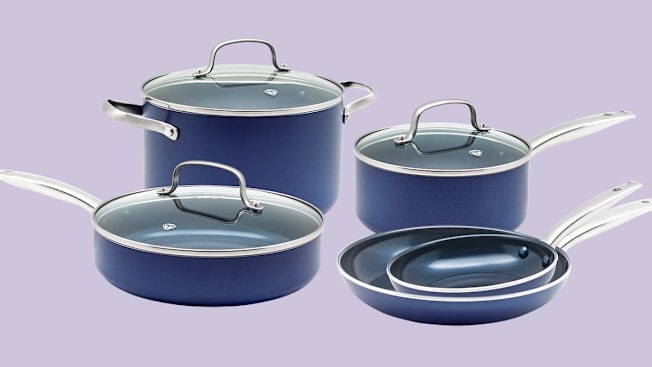
Stainless steel with a non-stick layer is a game-changer in the world of cookware. This innovative combination brings together the robust durability of stainless steel and the convenience of non-stick surfaces. It’s a perfect marriage for those who crave the reliability of traditional stainless steel without the hassle of food sticking to the pan. Have you ever struggled to scrape burnt food off your pan? This modern solution makes that a thing of the past.
Combining Strength And Non-stick
Stainless steel is prized for its longevity and ability to withstand high temperatures. Adding a non-stick layer enhances its functionality, making cooking easier and more efficient. Imagine sautéing vegetables or frying eggs without the worry of them sticking and ruining your dish. The non-stick surface also simplifies cleanup, saving you time and effort. This combination provides the best of both worlds—strength and ease.
Ideal Uses In Cooking
Stainless steel with a non-stick layer is versatile enough for various cooking methods. It’s perfect for searing meats, as the stainless steel base retains heat well, ensuring even cooking. The non-stick surface excels in cooking delicate foods like fish or pancakes, where sticking can ruin your presentation. You can also use it for stir-frying, where quick cooking at high heat is essential. What favorite dish could you master with this cookware innovation?
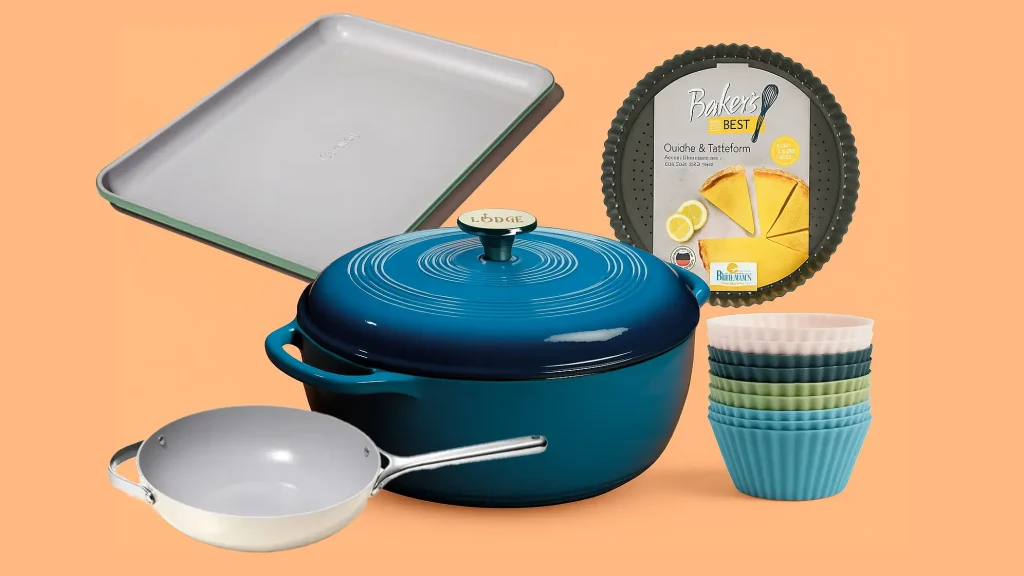
Cast Iron With Enamel Coating
Cast iron with enamel coating is a popular choice for non-stick cookware. It combines durability and ease of use. The enamel layer prevents rusting and sticking. This makes it ideal for a variety of cooking tasks. Its vibrant colors also add a touch of style to any kitchen.
Heat Retention Benefits
Cast iron retains heat exceptionally well. It ensures even cooking throughout the dish. This is crucial for achieving perfect results. Foods stay warm longer, making it ideal for serving. The enamel coating enhances its heat distribution, providing consistent results.
Cooking Versatility
Enamel-coated cast iron is versatile. It’s suitable for stovetop and oven use. You can sear, sauté, braise, or bake. This flexibility makes it a favorite among home cooks. The non-stick surface is easy to clean, adding to its convenience.
Eco-friendly Non-stick Choices
Choosing eco-friendly non-stick cookware is important for a healthier planet. Many companies are innovating to offer sustainable choices. These options reduce environmental impact and avoid harmful chemicals. They focus on using materials that are both safe and effective for cooking.
Greenpan And Similar Innovations
GreenPan leads with its ceramic non-stick technology. It uses a mineral-based coating free from harmful chemicals like PFAS and PFOA. This makes it a safer choice for health-conscious cooks. Its ceramic surface provides excellent non-stick performance without releasing toxins.
Other brands follow similar paths. They offer coatings that prioritize safety and sustainability. These innovative materials ensure non-stick convenience while protecting the environment. People looking for safer cookware can find many options now.
Sustainability And Safety
Eco-friendly cookware choices focus on sustainable production methods. They use materials that minimize environmental harm. Manufacturers aim to reduce carbon footprints and resource usage. This makes them attractive options for environmentally aware consumers.
Safety is also crucial. Non-stick materials should avoid releasing harmful chemicals during cooking. Eco-friendly choices ensure that both food and the planet stay healthy. They provide peace of mind and responsible cooking solutions.

Credit: www.tasteofhome.com
Factors To Consider When Choosing
Choosing the best non-stick material for cookware involves considering durability, heat distribution, and ease of cleaning. Ceramic and Teflon are popular options, each offering unique benefits. Safety and compatibility with your cooking style are also crucial factors in the selection process.
Factors to Consider When Choosing Choosing the right non-stick material is important for your cookware. Various factors can influence your decision. Understanding your cooking habits, budget, and longevity needs will help. These elements guide your choice, ensuring it meets your lifestyle and cooking style.Cooking Habits And Preferences
Your cooking habits impact the ideal non-stick material choice. If you cook often, durability is key. Frequent use demands a material that withstands wear and tear. Consider what you cook most. For high-heat cooking, select materials that can handle such temperatures. If you prefer healthier meals, choose materials that require less oil. Your cooking style shapes your cookware needs.Budget And Longevity
Budget plays a significant role in your decision. Non-stick materials vary in price. Set a budget that aligns with your financial plans. Longevity is another factor. Investing in quality can save money long-term. High-quality materials often last longer. Consider this balance between upfront costs and future savings. Cheaper options may need replacing sooner. Assess both budget and longevity to make a wise choice.
Credit: www.beka-cookware.com
Frequently Asked Questions
What Is The Safest Non-stick Cookware Material?
The safest non-stick material is ceramic. It is free from harmful chemicals like PFOA and PTFE. Ceramic provides excellent non-stick properties and even heat distribution. It is environmentally friendly and perfect for health-conscious cooking. However, it can wear out faster than other materials.
Regular maintenance and care can prolong its life.
Are There Non-stick Materials Without Chemicals?
Yes, ceramic and cast iron are chemical-free non-stick options. Ceramic is free from PFOA and PTFE, making it safe for cooking. Cast iron, when well-seasoned, offers a natural non-stick surface. Both provide excellent cooking experiences without harmful chemicals. They are ideal for those seeking healthier cooking methods.
How Long Does Non-stick Cookware Last?
Non-stick cookware generally lasts 3-5 years with proper care. The lifespan depends on the material and usage. Regular cleaning and avoiding metal utensils can extend its life. High-quality non-stick materials like ceramic can last longer. It’s important to replace cookware if the coating starts peeling or gets damaged.
Can Non-stick Cookware Be Used On High Heat?
Non-stick cookware should not be used on high heat. High temperatures can damage the coating, reducing its effectiveness. It can also release harmful fumes in some materials. It’s best to use low to medium heat for non-stick pans. This ensures longevity and maintains the non-stick surface.
Conclusion
Choosing the right non-stick material is key for enjoyable cooking. Each material offers unique benefits. Teflon is popular for its smooth surface. Ceramic provides a healthier option. Cast iron delivers durability and excellent heat retention. Stainless steel is versatile and tough.
Always consider your cooking style and needs. Proper care extends the life of your cookware. Regular cleaning and correct usage prevent damage. Investing in quality cookware enhances your kitchen experience. A good choice leads to better cooking results. Happy cooking with your perfect non-stick choice!